

In Chicago, renting an airless sprayer for asbestos abatement in 2026 typically costs between $50–$100 and $95 per day, $200–$400 per week, and $600–$1,200 per month. These rates vary based on the model and specifications required for specific projects. Leading rental companies in Chicago provide a range of options suitable for both small-scale and large-scale abatement tasks.
| Vendor | Daily Rate | Weekly Rate | Review Score | Website |
|---|---|---|---|---|
| United Rentals | $95 | $315 | 8 | Visit |
| Harvey’s Rent‑All | $85 | $350 | 7 | Visit |
| Superior Rents | $110 | $440 | 7 | Visit |
| Renegade Rentals | $138 | $363 | 6 | Visit |
Several factors can affect the rental costs of airless sprayers, including the duration of the rental, the specific model, and any additional features required for asbestos abatement. High-demand periods may also see increased rates.
When renting an airless sprayer, be aware of potential hidden fees such as delivery and pick-up charges, which can be flat or mileage-based. Fuel or recharge surcharges, damage waivers versus full insurance, cleaning fees for concrete or mud, late-return penalties, and overtime hours can also add to the overall cost.
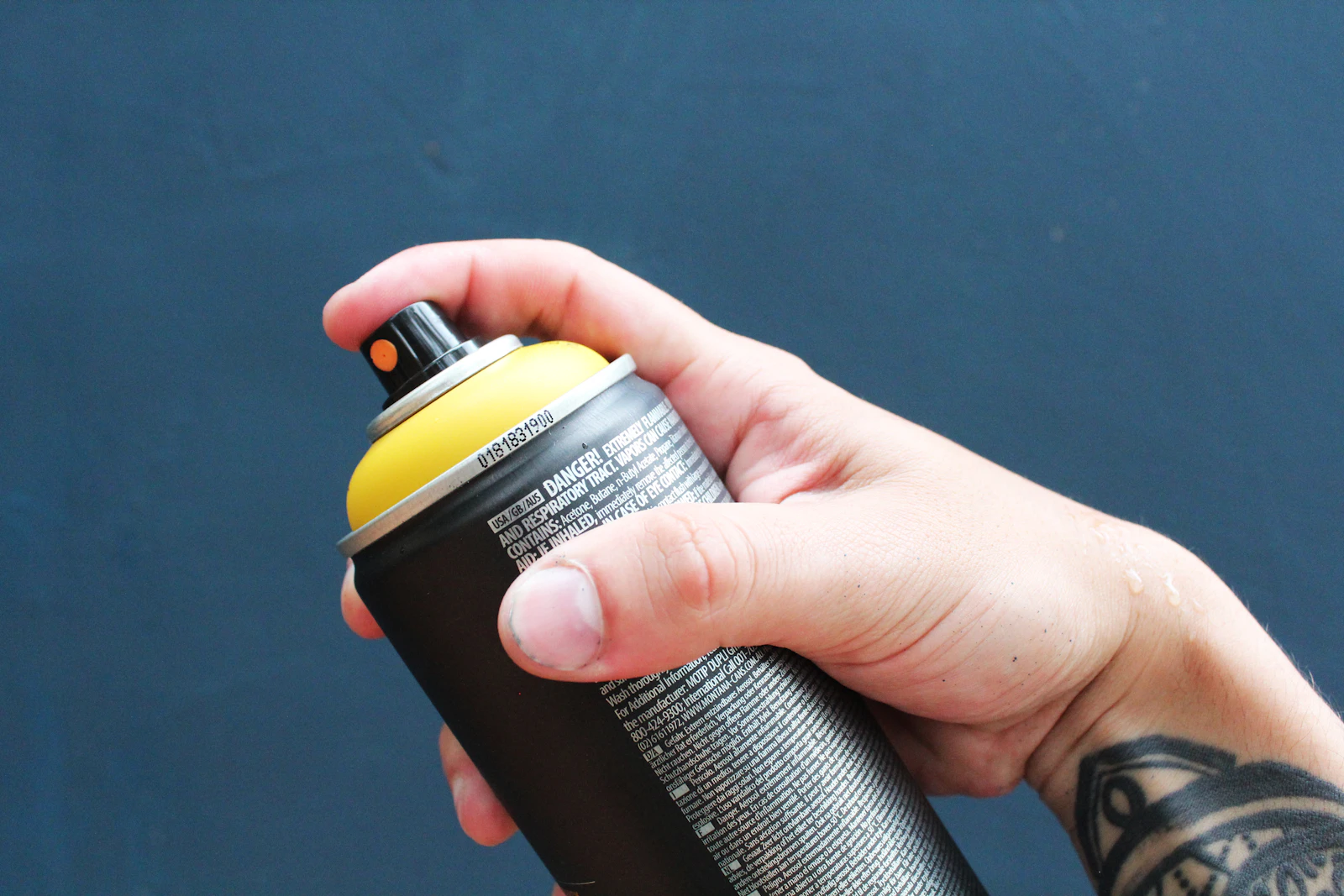
The rental market for airless sprayers in Chicago is expected to remain competitive in 2026, with several vendors offering flexible rental terms and comprehensive support services. Understanding the specific needs of your asbestos abatement project will help in selecting the right equipment and rental package.
Ensure that all rented equipment complies with local and federal regulations for asbestos abatement. Proper training and certification may be required for operators to ensure safety and compliance.
When planning an asbestos abatement project in Chicago, renting an airless sprayer requires careful consideration of several factors. The duration of the rental should align with the project timeline to avoid unnecessary extensions. Consider the need for specific attachments that facilitate safe and efficient spraying in confined or regulated areas. Ensure that delivery and pickup are scheduled to minimize downtime, and that the equipment is returned in clean condition to avoid additional fees. Proper staging and access are crucial to maintain workflow efficiency and safety compliance.
Tip: Schedule equipment return promptly after project completion to avoid late fees and ensure availability for future needs.
