

Renting a mini excavator in Austin for plumbing rough-in projects in 2026 typically costs between $340–$500 per day and $340–$500 per day, $1,150–$1,700 per week, and $3,400–$5,000 per month. These rates vary based on the model, size, and additional attachments required. Leading rental companies in Austin provide a wide range of options to suit different project needs.
| Vendor | Daily Rate | Weekly Rate | Review Score | Website |
|---|---|---|---|---|
| EquipmentRentalPros (aggregator) | $380 | $938 | 8 | Visit |
| Rubbl (local peer rentals) | $330 | $733 | 7 | Visit |
| DOZR (online marketplace) | $375 | $1,000 | 8 | Visit |
| Jon's Rental | $250 | Call | 7 | Visit |
| Austin Rent Way | $220 | $275 | 6 | Visit |
Several factors affect the rental costs of mini excavators, including the duration of the rental, the specific model and attachments needed, and the time of year. Demand tends to increase during peak construction seasons, potentially impacting availability and pricing.
When renting a mini excavator, be aware of potential hidden fees such as delivery and pick-up charges, which may be flat or mileage-based. Fuel surcharges, damage waivers versus full insurance, cleaning fees for concrete or mud, late-return penalties, and overtime hours can also add to the overall cost.
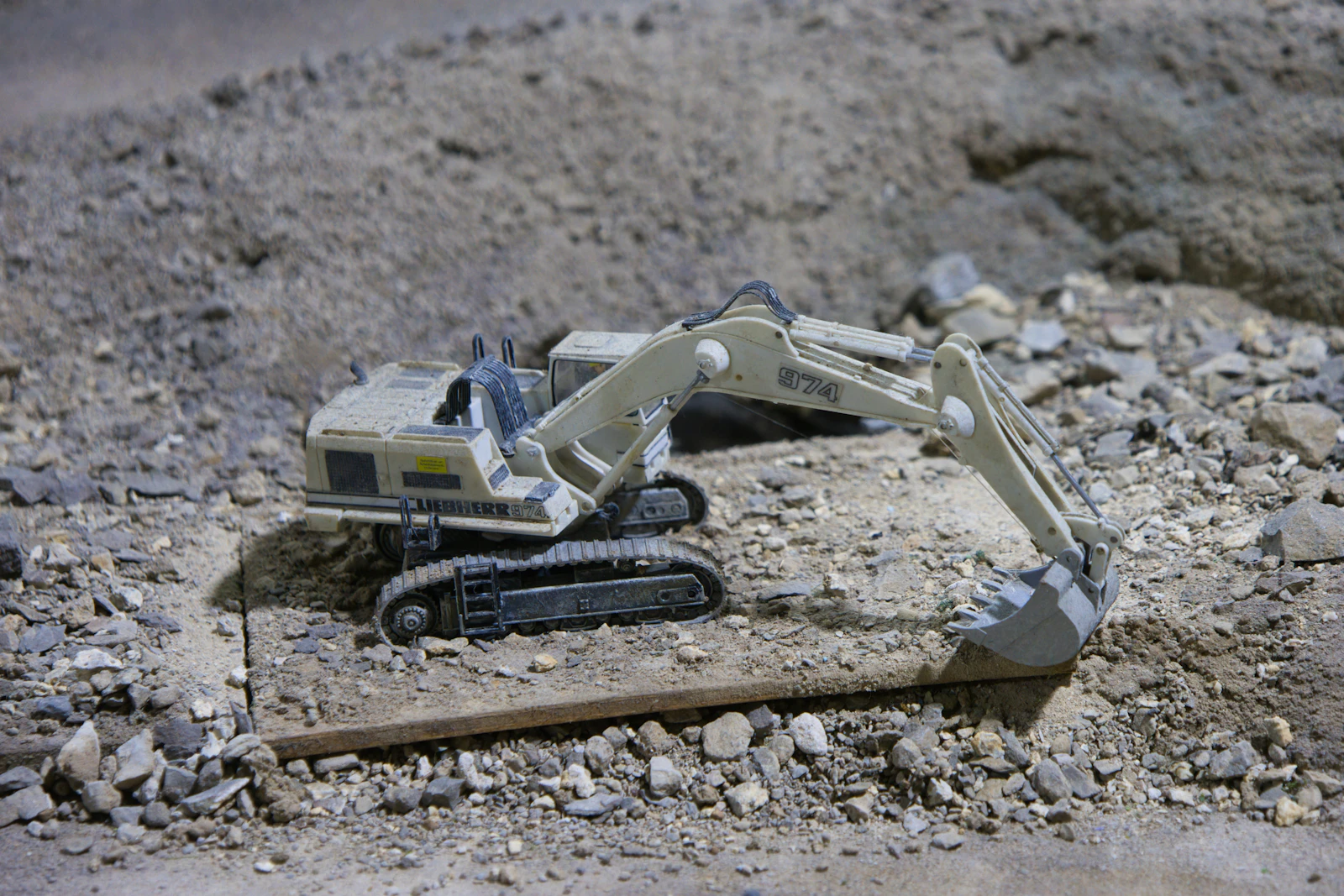
The rental market for mini excavators in Austin is expected to remain robust in 2026, driven by ongoing construction and infrastructure projects. Rental companies are expanding their fleets to include more fuel-efficient and technologically advanced models, which may offer cost savings in terms of fuel consumption and operational efficiency.
Ensure compliance with local regulations when operating mini excavators. Proper training and certification may be required for operators, and adhering to safety standards is crucial to avoid fines and ensure project safety.
When planning a mini excavator rental for plumbing rough-in in Austin, consider the specific needs of the job. The duration of the rental should align with the project's timeline, ensuring that the equipment is available when needed. Accessories such as trenching buckets or hydraulic thumbs may be necessary for efficient digging and pipe placement. Plan for delivery and pickup logistics to minimize downtime, and ensure the site is prepared for staging the equipment. Proper cleanup and return conditions should be arranged to avoid additional fees.
Tip: Schedule equipment delivery during off-peak hours to avoid traffic delays and ensure timely setup.
