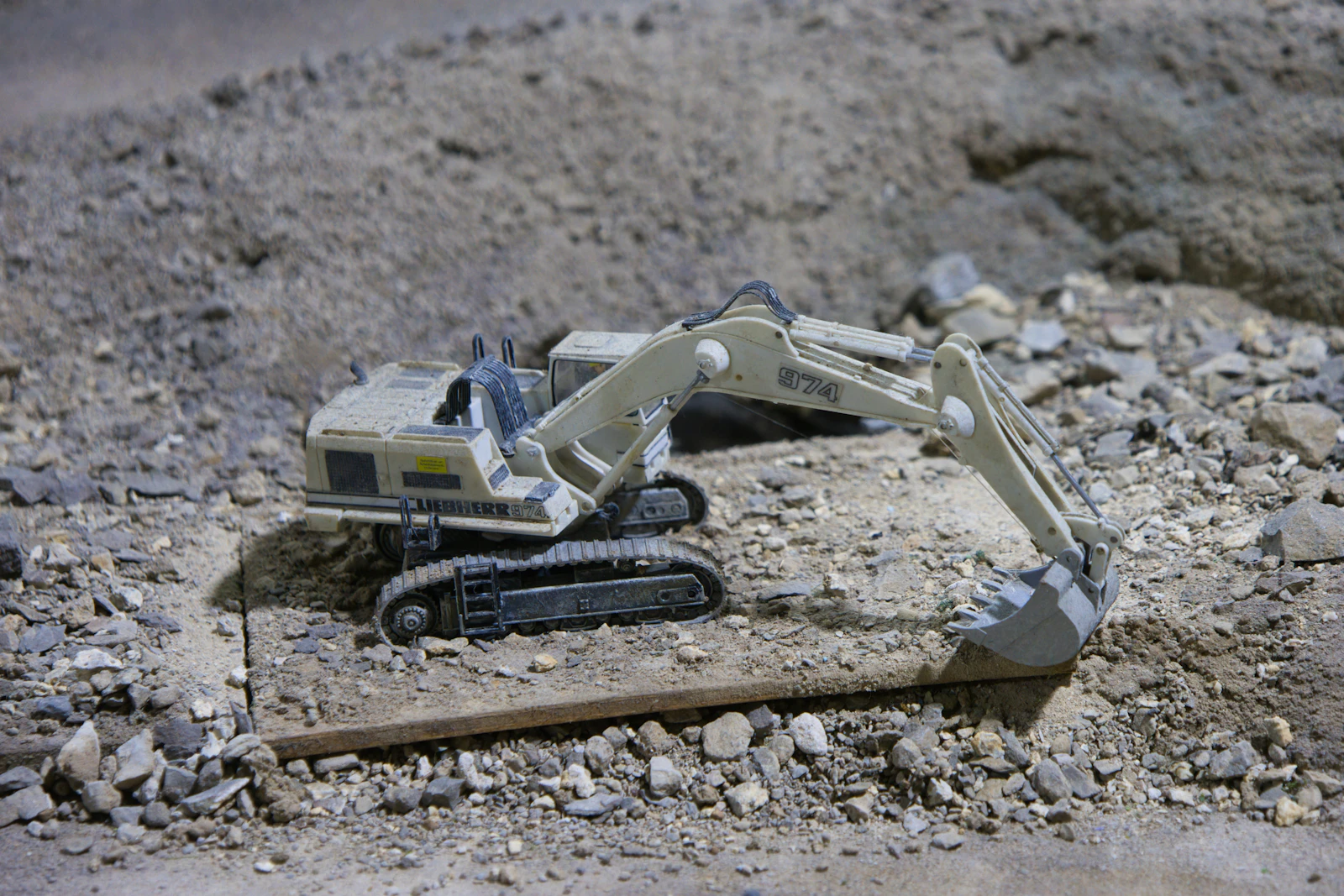
Mini Excavator Equipment Hire Costs Phoenix 2026
For Phoenix commercial tenant improvement scopes in 2026, planning budgets for mini excavator equipment hire typically lands in these bands (machine-only, before delivery, damage waiver, attachments, and fuel): $275–$450/day, $1,100–$1,750/week, and $3,000–$4,900/month for common 3–5 ton class units used for trenching, small-footprint utility work, and exterior demo adjacent to occupied spaces. Smaller 1–2 ton minis may come in lower (often $225–$350/day), while 5–6 ton “mini”/compact excavators with higher breakout force and hydraulic flow price higher (often $375–$575/day) depending on availability, track type, and emissions tier. Phoenix-area fleets run by national providers (for example, Sunbelt Rentals, United Rentals, and Herc Rentals) and local independents will quote based on calendar demand, delivery radius, and off-rent rules—so treat these as 2026 planning ranges and confirm with written quotes tied to your schedule and access constraints.
| Vendor |
Daily Rate |
Weekly Rate |
Review Score |
Website |
| United Rentals (Phoenix – Branch 905) |
$425 |
$1 275 |
9 |
Visit |
| Sunbelt Rentals (Phoenix – Branch 358 / Deer Valley) |
$410 |
$1 230 |
8 |
Visit |
| Sunstate Equipment (Phoenix) |
$400 |
$1 200 |
8 |
Visit |
| The Home Depot Rental (Compact Power Rents – Phoenix, AZ 85032) |
$360 |
$1 080 |
8 |
Visit |
| Summit Rentals (Phoenix) |
$242 |
$755 |
10 |
Visit |
How Phoenix Commercial TI Conditions Change Mini Excavator Hire Pricing
In Phoenix tenant improvement work, the true equipment hire cost is rarely just the day/week/month rate. Total cost is shaped by access, environmental controls, and scheduling—especially when your work is behind an occupied retail line, in an active office complex, or in a tight service yard with limited laydown. Three local realities matter in Phoenix:
- Heat and scheduling: In summer, crews often shift to earlier start windows; that can push you into after-hours delivery or time-specific drop fees and can increase standby risk if your site isn’t ready at the agreed time.
- Dust control: TI and shell work frequently requires dust suppression and clean return standards. Dry, dusty yards and caliche fines can increase filter service and cleaning charges if the machine returns coated or with packed undercarriage.
- Hard digging: Caliche/hardpan and cobble can force you into a larger tonnage mini or a breaker, raising both the base hire and attachment adders.
2026 Planning Rate Bands by Mini Excavator Class (Machine-Only)
Use these planning bands to set allowances (final pricing varies by fleet, lead time, and terms):
- 1–2 ton (micro/ultra-compact): $225–$350/day, $900–$1,350/week, $2,400–$3,600/month. Common for tight gates, landscape strip-outs, and shallow utility trenching where spoils are limited.
- 3–4 ton (most common for commercial TI support work): $275–$450/day, $1,100–$1,750/week, $3,000–$4,900/month. Good balance of reach, trench depth, and truckable delivery.
- 5–6 ton (compact excavator at the top of “mini” range): $375–$575/day, $1,500–$2,250/week, $4,200–$6,200/month. Often selected when caliche or demo requires more breakout and stability.
Assumption note for 2026 budgeting: These ranges assume standard hour-meter allowances (often ~8 hours/day, ~40 hours/week, ~160 hours/28 days) and do not include attachments, delivery/pick-up, damage waiver, fuel, cleaning, sales tax, or jobsite consumables. Always confirm hour caps and excess-hour rates in writing.
Hidden-Fee Breakdown That Drives the Real Equipment Hire Cost
Rental coordinators generally see cost creep in predictable line items. Build these into your Phoenix mini excavator hire estimate early:
- Delivery and pick-up: Common metro Phoenix drops are often quoted as $125–$250 each way within a standard radius, with out-of-area mileage sometimes $4–$7/mile. Limited access (rear alleys, dock time windows) can trigger a $75–$150 time-specific or re-delivery charge.
- Minimum charges: Even if you only need it for a short trench, many accounts see 1-day minimum billing; some branches enforce a 4-hour minimum plus delivery.
- Damage waiver (rental protection): Frequently priced as 10%–15% of the base rental, sometimes with a deductible. It is not the same as liability insurance—align it with your risk posture and contract terms.
- Excess-hour billing: If the contract allows 40 hours/week and you run nights/weekends, excess time may bill at $20–$45/hour depending on class and market.
- Weekend/holiday billing rules: Some terms bill Saturday as a day; others bill weekend days unless you schedule a Friday off-rent call before the cutoff. Expect a typical off-rent cutoff around 2:00 PM on business days; miss it and you may pay an extra day.
- Cleaning/undercarriage fees: Return condition matters. Budget $75–$250 for cleaning if the machine comes back with packed mud/caliche fines, paint overspray, or concrete splatter.
- Fuel/DEF and refuel labor: Many suppliers require “full-out/full-in” or charge refuel. Planning allowances often land at $35–$95 refuel service plus fuel at local rates; DEF service is sometimes separate.
- Track wear and jobsite damage: Rubber tracks are common on TI-adjacent work but can be billed for abnormal damage (rebar, curbs, broken glass). Clarify wear vs. damage responsibility at dispatch.
Attachments and Options: Where Phoenix Mini Excavator Hire Budgets Often Miss
On commercial TI work, the base mini excavator is rarely enough. Attachment adders can be the difference between hitting schedule and burning labor:
- Hydraulic breaker (hammer): commonly $125–$250/day or $450–$850/week. Caliche and small slab/demo are frequent drivers in Phoenix.
- Auger drive + bit: often $85–$175/day, with bits sometimes $15–$40/day each depending on diameter (e.g., 6–24 in.).
- Hydraulic thumb: commonly $35–$90/day; valuable for debris handling and trench shield maneuvering in tight pads.
- Bucket package (12 in. trenching + 24 in. + grading/cleanup): sometimes bundled, sometimes billed at $10–$35/day per extra bucket.
- Coupler / quick attach: often $25–$60/day if not standard on the unit, but it can reduce changeover labor and improve utilization.
- Laser receiver / grade control assist (if available): can add $75–$200/day depending on system; validate whether your crew is trained and whether the lessor supports calibration.
For Phoenix TI packages, specify rubber tracks when working near finished hardscape or occupied entries, but confirm whether your soil conditions justify steel tracks (often better in caliche) and whether the site can tolerate track marks. Mis-specifying tracks is a common source of downtime and back-charges.
Example: Phoenix Retail TI Utility Trench With Real Constraints
Example: A 10,000 SF retail TI needs a new 80 LF sewer run and a 60 LF water line in a rear service corridor with a 7 ft gate, work allowed 6:00 AM–2:00 PM, and strict dust control. You select a 3–4 ton mini excavator on a weekly hire to reduce schedule risk.
- Base hire (weekly): plan $1,250–$1,650 depending on spec and availability.
- Delivery/pick-up: plan $175 each way (typical metro drop) = $350.
- Damage waiver: assume 12% of base = about $150–$200.
- Attachments: 12 in. trenching bucket included, add hydraulic thumb at $50/day for 5 days = $250.
- Dust control/cleanup: allow $150 for cleaning risk if the unit returns with heavy fines packed into the undercarriage.
- Excess hours: if you run one extra hour/day to hit inspection (5 extra hours), and your contract bills $30/hour excess, allow $150.
Planning total (before tax and fuel): roughly $2,250–$2,750. The operational constraint that most often breaks budget is off-rent cutoff: if your inspections slip and you miss the 2:00 PM off-rent call on Friday, you may carry billing through Monday—effectively adding another day or weekend charge depending on terms.
Commercial Tenant Improvement Cost Drivers Rental Coordinators Should Lock Down
To keep your Phoenix mini excavator equipment hire cost aligned with the estimate, confirm these items during sourcing and again at dispatch:
- Site access and truck type: Tilt-deck vs. rollback vs. trailer delivery affects price and delivery feasibility. Tight service corridors can require smaller delivery vehicles or specific drop times.
- Delivery windows and cutoffs: Many sites only accept deliveries in short windows. If your building requires 30-minute call-ahead and you miss it, re-delivery fees are common.
- Off-rent procedure: Document who calls off-rent, what time, and what constitutes “ready for pick-up” (machine accessible, keys placed, debris cleared, fuel policy met).
- Utility locates and “soft dig”: If you’re trenching near existing utilities, a vac truck may replace some excavator time. Don’t over-hire the mini if half your trench is daylighting and handwork.
- Indoor/near-occupied air quality: For work near air intakes or within enclosed courtyards, confirm whether you need additional exhaust controls or an alternative plan; stoppages can extend rental duration.
Ownership vs. Hire: When Renting Still Wins in Phoenix TI
For commercial tenant improvement, hire often beats ownership because the schedule is variable, attachments change by project, and you may need a different size mini each phase. Renting can also simplify compliance for projects requiring documented inspections, current decals, and service logs. Even if you own a unit, spot-hiring a breaker-ready machine for a caliche week can be cheaper than absorbing downtime and repair risk on your owned asset.
How to Request Quotes That Match the Real Mini Excavator Hire Cost
To avoid change orders and re-billing, request quotes using the same structure you use for internal approvals. For Phoenix commercial tenant improvement, include the jobsite address, access notes, and whether you need a compact excavator rental with delivery and pick-up inside a defined window. Clarify if you want “28-day monthly” billing or calendar month, and confirm whether your supplier treats a “month” as 4 weeks or 28 days—that difference can materially change a multi-phase TI schedule.
Budget Worksheet (No Tables)
Use this as a scoping worksheet for mini excavator equipment hire cost Phoenix estimates. Adjust allowances to your delivery radius and building restrictions.
- Base mini excavator hire: $________ (choose daily/weekly/monthly band and duration)
- Delivery: allow $150–$250 (one way) x ____ trips
- Pick-up: allow $150–$250 (one way) x ____ trips
- Time-specific / after-hours delivery: allow $75–$150 per event
- Damage waiver: allow 10%–15% of base rental
- Attachments: breaker $125–$250/day; thumb $35–$90/day; auger $85–$175/day; extra buckets $10–$35/day each
- Excess-hour exposure: allow $20–$45/hour x ____ hours
- Cleaning/return condition: allow $75–$250
- Fuel/DEF/refuel service: allow $35–$95 service plus fuel
- Re-delivery / dry run risk: allow $150–$300 if access or contacts are unreliable
- Downtime contingency: allow 1 extra billed day (or 10% of base) if inspections and off-rent timing are uncertain
Rental Order Checklist (For POs, Delivery, and Returns)
Use this checklist to reduce disputes and keep the equipment hire cost aligned with contract terms.
- PO and commercial terms: PO number, project name, cost code, quoted rates, billed “month” definition (28-day vs. calendar), and tax status
- Insurance and risk: COI requirements (limits, additional insured, waiver of subrogation if required), and whether you accept damage waiver
- Machine specification: weight class (e.g., 3–4 ton), track type (rubber/steel), canopy vs. cab, auxiliary hydraulics, quick coupler, bucket sizes, and any grade assist
- Metering rules: hour allowances (8/40/160 typical), excess-hour rate ($/hour), and how weekends/holidays count
- Delivery instructions: site contact, phone, gate codes, laydown location, delivery window, dock rules, and whether a forklift is required for attachments
- Pre-use documentation: condition photos (all sides, undercarriage, bucket teeth, hydraulic lines), hour meter, and accessory counts
- Operating constraints: dust-control requirements, no-wash rules, indoor work restrictions, and refuel/recharge expectations
- Off-rent procedure: cutoff time (often ~2:00 PM), required notice method (call/email/app), and what “ready for pick-up” means
- Return condition: remove debris, wipe down cab, secure loose attachments, confirm fuel policy, and provide return photos
Common Phoenix Adders and Dispute Points (Avoidable If You Align Early)
These are the most frequent “surprise” items that inflate a Phoenix mini excavator hire invoice on TI projects:
- Standby due to access: If the driver arrives but can’t access the drop area (locked gates, blocked alley), some suppliers bill a dry run or standby—often $75–$150/hour with a minimum.
- Missed off-rent cutoff: If you call after cutoff, billing may run another day. For short TIs, that can be a 10%–25% swing on the equipment line.
- Attachment “missing” claims: Buckets, pins, and coupler parts must be counted at delivery and photographed at return to avoid replacement charges (which can exceed $250–$900 depending on item).
- Undercarriage cleaning: Packed caliche fines can take time to remove; plan the labor on your side or accept a cleaning charge (often $75–$250).
- Fuel policy mismatch: If you assumed “full-out/full-in” but the contract is “customer refuels,” your refuel line can jump. Confirm if the supplier bills fuel at a retail rate plus service (e.g., $35–$95 service).
Practical Sourcing Guidance for Commercial Tenant Improvement Schedules
To keep the equipment hire cost predictable, match rental term to schedule volatility. If your TI has uncertain inspection dates, a weekly rate can reduce exposure compared to stacking multiple day rates. For multi-phase sites (demo, underground, exterior tie-ins), consider scheduling a single monthly term and planning an on-site “park” area—then manage utilization by controlling excess hours and attachments rather than repeatedly off-renting and re-ordering.
Finally, when Phoenix heat is severe, confirm your operational plan: if you plan to run early morning only and park the machine by mid-day, you may not need higher-hour allowances. But if your GC requires night work or weekend pushes, negotiate excess-hour pricing up front (for example, a capped rate or blended hour allowance) to prevent overtime utilization from turning into an uncontrolled cost line.