

Construction professionals searching for 'AI Mesa lot' are often looking for precise and immediate cost estimates to transform raw residential lots into build-ready sites. With grading costs ranging from $4,400 to $11,134, CountBricks provides a solution that integrates voice-activated AI to convert on-site conversations into comprehensive estimates, schedules, and invoices. This ensures that factors like desert soils, monsoon drainage, and municipal guidelines are accounted for, keeping projects on budget and profitable.
1. Speak Your Scope: Describe the lot size, soil type, and desired pad elevation using a phone or tablet.
2. Instant Material Mapping: Cross-check regional excavation rates, local fill prices, and hauling fees against our Mesa materials library.
3. Task Sequencing: Arrange grading, compaction, and utility trenching in the correct municipal order using historical project data.
4. Cost Output: Combine labor, equipment, permits, and contingency into a clear line-item estimate ready for email or download.
5. One-Tap Invoice: Accept the estimate to generate an invoice automatically, ensuring cash flow starts immediately.
• Eliminate spreadsheet guesswork—auto-calculate every yard of cut and fill.
• Protect margins—live material pricing updates each time you open the file.
• Win more bids—share polished proposals from the jobsite in minutes.
• Keep clients informed—transcribe voice notes into plain-English explanations.
Soil Classifications: Clay pockets and caliche layers significantly affect excavation rates. CountBricks references USGS data and applies adjustments from Mesa builds.
Drainage Codes: Maricopa County requires specific swale slopes. The AI flags any non-compliant grade lines and suggests corrections.
Utility Tie-Ins: Service trench depths vary between SRP Power and City of Mesa Water. CountBricks adjusts trench footage, bedding material, and backfill compaction accordingly.
• Record background noises like equipment idle to confirm live data capture.
• Use laser rangefinder integration to import perimeter lengths directly into the takeoff.
• Add photos of existing grade stakes for inspector clarity.
• Set custom profit targets—the AI reverse engineers mark-up instead of applying a flat rate.
A developer purchased a 6,800 sq ft infill lot with a three-foot slope. Traditional estimates ranged from $4,400K to $11,134K. Using CountBricks, the superintendent received an AI Mesa lot estimate of $6,767 within three minutes. The project finished 4% under budget due to real-time material price locks.
Many 'AI Mesa lot' queries end after grading, but CountBricks allows continuation into framing, MEP rough-ins, and finishes. Upload PDF plans, and the AI converts wall lengths, door counts, and roof squares into a ready-to-price takeoff.
1. Import approved civil plan into CountBricks takeoff tool.
2. Confirm foundation footprint—AI back-checks with graded pad dimensions.
3. Generate framing and shear wall quantities.
4. Auto-pull Mesa lumber pricing from our supplier API.
5. Produce a full house estimate and send a unified proposal to the homeowner.
• 92% estimate accuracy across 210 Mesa projects last year.
• Average bid-to-win time reduced from three days to 90 minutes.
• Tight integration enables quick scope changes without rework.
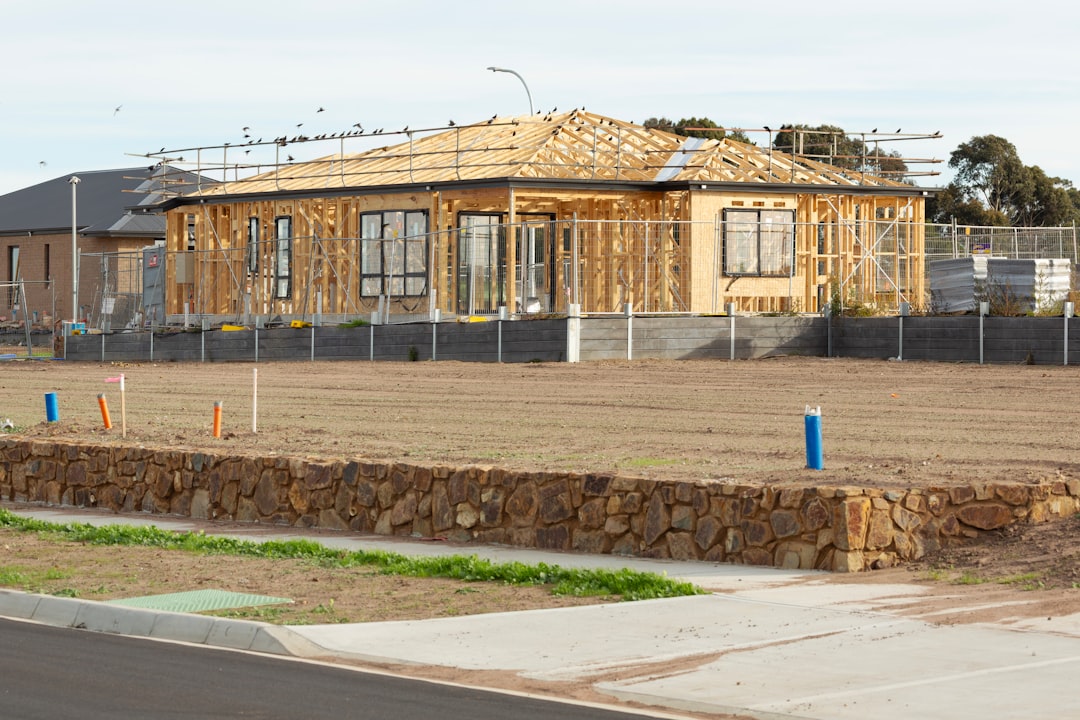
CountBricks extends beyond pad certification by linking initial AI Mesa lot data with vertical construction engines, providing end-to-end clarity in residential projects.
• Soil reports captured during grading populate foundation mix designs automatically.
• Elevation points feed directly into framing cut lists, reducing lumber waste by up to 7%.
• Approved drainage paths inform hardscape slopes, eliminating costly re-work.
The owner wanted a balcony flush with the pad, but city code required an eight-inch step. The AI flagged the mismatch before concrete, saving $2,400 in post-pour modifications.
1. Export the lot estimate to your preferred project management software—CountBricks syncs via CSV and native API.
2. Assign tasks to subs directly inside the CountBricks dashboard for instant material reservation.
3. Use the mobile app to mark progress; the AI recalculates remaining quantities and updates cash-flow forecasts.
• Re-scan the lot after each major weather event; new topography automatically updates quantities.
• Attach inspector comments in the voice log so the AI can learn regional preferences.
• Schedule monthly supplier price refreshes to keep lumber and concrete costs current.
Residential construction in Mesa demands speed, precision, and adaptability. By unifying grading data, blueprint takeoffs, and live supplier feeds, CountBricks empowers builders to deliver on every promise—from the first scrape of dirt to the final certificate of occupancy.
