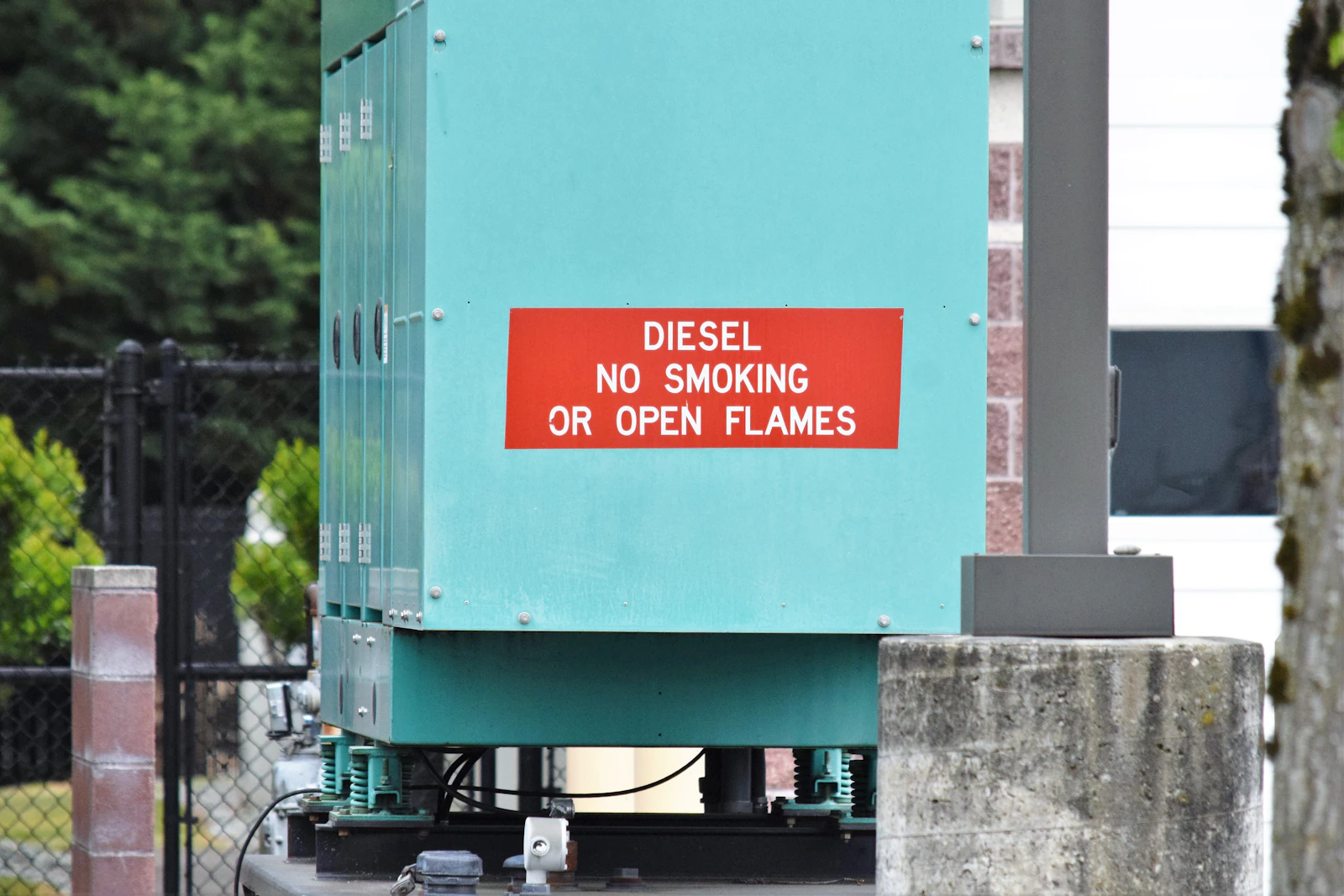
Diesel Generator Hire Costs Miami 2026
For a Miami electrical panel upgrade that requires temporary power, 2026 planning ranges for diesel generator equipment hire typically land in these bands (generator only, before fuel, delivery, and accessories): 20–30 kW at $180–$350/day, $550–$1,050/week, and $1,650–$3,150/4-weeks; 45–60 kW at $300–$600/day, $900–$1,800/week, and $2,100–$5,200/4-weeks; 100–150 kW at $450–$950/day, $1,350–$2,850/week, and $4,000–$8,500/4-weeks; and 200–300 kW at $850–$1,700/day, $2,550–$5,100/week, and $7,500–$15,500/4-weeks. Many national rental contracts define a “month” as a 4-week (28-day) billing month, which matters when your panel cutover slips into a second billing period. In Miami-Dade, you’ll commonly quote through national branches (United Rentals, Sunbelt Rentals, Herc Rentals) or specialty power providers for larger kW and cable/transfer gear—pricing varies most by kW class, voltage/phase, sound attenuation, and delivery constraints.
| Vendor |
Daily Rate |
Weekly Rate |
Review Score |
Website |
| United Rentals |
$418 |
$1 152 |
8 |
Visit |
| Sunbelt Rentals |
$345 |
$925 |
8 |
Visit |
| Herc Rentals |
$1 222 |
$2 930 |
8 |
Visit |
| EquipmentShare |
$395 |
$725 |
6 |
Visit |
How Generator Size, Voltage, And Sound Attenuation Drive Hire Price
Electrical panel upgrades are rarely “just rent a generator.” Your rental coordinator is really buying a temporary power package sized for peak load, inrush, and the building’s service characteristics (120/240V single-phase vs 120/208V three-phase vs 277/480V with step-down). In Miami, sound attenuation and tight staging often push you toward a towable, silenced unit even when a cheaper open-skid would be fine on a greenfield site.
Use these 2026 planning bands to sanity-check quotes (generator-only), then build adders below:
- 20–30 kW towable diesel generator hire (small retail / small condo common loads): expect $180–$350/day. If you need true 3-phase output or a higher-amp panel, budget at the upper end.
- 45–60 kW diesel generator rental rates (common for larger shops, small multifamily common areas, or partial building loads): expect $300–$600/day. Publicly posted price sheets in the market show examples like a 56 kW unit at $345/day, $925/week, and $2,115/4-weeks (before logistics, fuel, and accessories).
- 100–150 kW (larger buildings, elevators/fire pumps excluded unless engineered): plan $450–$950/day. FEMA’s equipment rate schedules are another reference point for “all-in operating cost” assumptions; for example, a 100 kW diesel generator can be benchmarked at an hourly rate in the $60/hour range for emergency work planning. (This is not a rental quote, but it’s useful as an estimator check.)
- 200–300 kW (big commercial, partial high-rise loads, or when you must oversize for derate/inrush): plan $850–$1,700/day. If your scope requires 480V distribution plus step-down transformers and cam-lock tails, your accessory package can rival the base hire.
What Changes In Cost For An Electrical Panel Upgrade In Miami
Panel upgrades tend to be short-duration but high-risk for schedule slippage. Most cost overruns come from (1) the cutover window shifting, (2) connection gear being wrong on arrival, or (3) building constraints forcing after-hours labor and re-delivery.
Cost-impacting scope details to capture on your RFQ:
- Cutover duration and hold time: Even if the electrician says “8 hours,” plan whether you need the generator on-site for 2 days vs 5 days (mobilize, cutover, inspections, re-energize, demobilize). A one-day slip can push you into a weekend billing pattern.
- Voltage/phase alignment: If the building is 120/208V 3-phase and the generator is 120/240V single-phase, you may need a transformer or a different set—often a $150–$400/day adder for the right gear, plus extra cable and rigging.
- Inrush loads: If any temporary loads include compressors, kitchen equipment, or elevator controls, oversize the generator by 25%–40% (common planning factor) to avoid nuisance trips; oversizing one class (e.g., 60 kW to 100 kW) can add $150–$450/day to base hire depending on availability.
- Noise constraints: Downtown, hospital, hospitality, and high-end condo work frequently requires “quiet” equipment. Budget a $50–$175/day premium for a more aggressively silenced unit or for additional muffling/exhaust routing (where offered).
- Heat and derate: Miami summer ambient heat and humidity can require a bigger kW class to hold voltage under load. A conservative derate allowance is 5%–10% during hot-weather operation; the cost is usually paid as a step-up in generator size, not a line-item “derate fee.”
Delivery, Pick-Up, And Off-Rent Rules That Move The Total
Miami logistics are often the hidden deciding factor in diesel generator equipment hire cost—especially for panel upgrades in occupied buildings with strict loading zones. Build these assumptions into your estimate, then true-up once you have the exact address, access plan, and delivery window:
- Delivery and pick-up: commonly budget $175–$450 each way in the Miami metro for towable units, with larger kW or forklift-required drops trending higher. If mileage is charged beyond an included radius, carry $4–$8 per mile as a planning allowance for over-radius dispatch.
- Inside placement / forklift / crane assist: if the generator must go behind gates, on a dock, or into a courtyard, plan an additional $125–$300 for forklift/telehandler time (or a separate equipment rental) plus site labor to escort and spot.
- After-hours or weekend delivery windows: for cutovers scheduled overnight to minimize occupant impact, add an after-hours dispatch/driver premium of $125–$250 and confirm whether Saturday delivery triggers a 10%–20% surcharge.
- Off-rent notice: many rental operations require 24 hours notice to stop billing and schedule pick-up; if you miss the cutoff, you can burn an extra day even if the generator is no longer running. (Put the off-rent call on the superintendent’s closeout checklist.)
- Minimum rental period: some branches enforce a 1-day minimum even if you need it for a 6-hour cutover; others may still bill a “minimum charge” if the unit is dispatched and then cancelled same-day (carry $150–$350 for a short-notice cancellation exposure).
Hidden-Fee Breakdown (The Lines That Blow Up A “Cheap” Day Rate)
When you compare diesel generator hire quotes for an electrical panel upgrade, force every bidder into the same structure: base time rental, logistics, fuel, protection, and accessories. These are the most common cost adders that change the true out-the-door number:
- Damage waiver / rental protection: commonly quoted as 10%–17% of the time-rental subtotal, depending on provider and item class. Some rental rate sheets show damage waiver percentages (often around 15%) as a standard add-on.
- Liability caps (what you still pay): even with rental protection, many programs cap the renter’s responsibility to the lesser of 10% of repair/replacement or a maximum like $500 per occurrence, subject to exclusions and conditions—confirm the fine print for generators and cables.
- Environmental/administrative fees: carry 8%–12% of rental charges as a planning allowance if your historical invoices show these fees.
- Cleaning fees: if a towable unit returns with concrete splatter, salt spray residue, or heavy mud, carry $125–$350 per event for wash/clean/steam charges.
- Late return penalties: if pick-up is attempted and access is blocked (truck can’t stage, site contact no-show), plan a “dry run” or redelivery exposure of $95–$250.
- Fuel/refuel charges: if you return “less than full,” many vendors apply both a service fee (often $75–$175) plus fuel at a marked-up per-gallon price. For Miami cutovers, it’s often cheaper to assign your own fueler and document the level at pickup and return.
- Overtime engine-hour billing: some rental structures include an operating allowance (for example, 8 engine-hours/day or 40 engine-hours/week) and then charge an overtime rate per extra hour; published rate sheets for larger sets sometimes show explicit overtime charges (e.g., $25/hour on certain fleet classes).
Accessories And Connection Gear: Typical Adders For Panel Upgrade Temporary Power
Most panel upgrade jobs need more than the generator. These accessories are common on Miami quotes; include them explicitly so you don’t get surprised by “misc.” lines:
- Cam-lock cable sets (feeder tails): budget $60–$140/day for a basic set (length, ampacity, and quantity drive cost). Long runs across a condo podium can add $6–$12/day per additional 25-foot section per leg.
- Distribution panel / spider box hire: budget $35–$90/day each, depending on amperage, breakers, and whether it’s weatherproof.
- Step-down transformer (if needed): budget $150–$400/day plus additional delivery weight/handling.
- Grounding kit and ground rod: budget $15–$40/day (and confirm who supplies the rod and who removes it).
- Load bank (only if testing/commissioning is part of scope): budget $250–$650/day plus a cable package; if you require a technician/operator, some providers quote a minimum day such as $450 for a 10-hour day, with overtime multipliers beyond that.
- External fuel tank: for longer holds or restricted refueling access, budget $45–$85/day for ~100-gallon class tanks or $85–$160/day for larger tanks (plus spill kit requirements per site policy).
- Remote monitoring: budget $10–$30/day if you want run-status, alarms, and fuel level reporting without site walks.
Example: 72-Hour Panel Upgrade With An Occupied Building Constraint
Example: A retail plaza in Miami schedules an electrical panel changeout over a long weekend to avoid tenant downtime. The electrician needs power from Friday 6:00 PM through Monday 6:00 AM (a 60-hour window). Load study shows a peak temporary draw of 38 kW with a short inrush; you select a 56 kW sound-attenuated towable to keep voltage stable and reduce noise complaints. Using published reference rates for this class as a check ($345/day, $925/week, $2,115/4-weeks), you still must plan the real cost drivers: (1) Friday after-hours delivery premium of $175, (2) two-way logistics $350 + $350, (3) cable and distro gear at $180/day for 3 days, (4) damage waiver at 15% of time rental, and (5) refuel service fee $125 if returned below the agreed level. If the AHJ inspection slips and pick-up moves to Tuesday, the job can fall into an extra bill day; controlling off-rent notice and pick-up access is often worth more than negotiating $25 off the day rate.
Budget Worksheet (Miami Diesel Generator Equipment Hire Allowances)
Use this as a practical estimating artifact for temporary power on an electrical panel upgrade (adjust kW class as required):
- Generator time rental: allowance for 3–7 days (carry both “planned” and “1-day slip” scenarios).
- Delivery and pick-up: $350–$900 total (two-way), plus $125–$250 if after-hours.
- Feeder cable and cam-locks: $180–$420/day depending on run length and ampacity.
- Distro panels / spider boxes: $35–$90/day each (quantity per tenant/common-area split).
- Transformer (if voltage mismatch): $150–$400/day.
- External fuel tank (if required): $85–$160/day.
- Damage waiver / rental protection: 10%–17% of time rental (confirm if cables/accessories are included).
- Environmental/admin fees: 8%–12% of rental charges.
- Fuel and refueling: carry $75–$175 service fee exposure plus diesel at your internal fuel rate (separately tracked).
- Cleaning/return condition: $125–$350 contingency if site is dusty (concrete cutting) or near salt spray.
- Redelivery/dry run risk: $95–$250 if access windows are missed.
Rental Order Checklist (For Panel Upgrade Temporary Power)
- PO details: kW class, voltage/phase, sound-attenuated requirement, trailer/tow approval, and any engine-hour allowance terms.
- Connection package: specify cam-lock type (series), cable lengths, distro panels, step-down transformer (if needed), grounding/bonding kit, and GFCI requirements.
- Delivery plan: site address, contact, gate codes, liftgate vs dock, required escort, and Miami-Dade traffic/loading restrictions.
- Delivery window cutoffs: confirm last dispatch time (weekday) and weekend availability; document after-hours premiums in the PO.
- Operating rules: fuel responsibility (full-to-full vs vendor-fueled), refuel schedule, spill containment requirements, and indoor dust-control expectations if cables run through finished areas.
- Off-rent procedure: who calls off-rent, required notice period, and where the unit must be staged for pickup.
- Return documentation: photos of hour meter, fuel level, and condition at both delivery and pickup; keep copies of any service tickets.
- Billing controls: confirm 4-week month definition, weekend/holiday billing rules, and what triggers overtime/extra-day charges.
How To Lower Diesel Generator Hire Cost Without Increasing Risk
On electrical panel upgrades, the cheapest generator hire quote is often the most expensive outcome if it increases the chance of a failed cutover or an unplanned outage extension. Cost control in Miami is typically achieved by tightening scope definition and logistics rather than squeezing the day rate.
- Right-size with a measured load plan: If you can isolate temporary loads and confirm a realistic peak (not a guess), you may avoid stepping up an entire kW class. Avoiding one size jump (for example, from a 60 kW class to a 100 kW class) can reduce base hire by roughly $150–$450/day depending on the market and availability.
- Confirm voltage/phase early: Paying $150–$400/day for a transformer is sometimes cheaper than sourcing a specialty generator; but if you need it, put it on the first PO so it arrives with the unit.
- Engineer the cable route: Extra feeder sections can add $25–$75/day quickly. A shorter, protected route can be worth minor barricading and coordination.
- Book delivery windows that avoid premiums: If you can accept a weekday daytime delivery, you may save $125–$250 in after-hours dispatch charges.
- Control off-rent timing: Missed off-rent notice is a common “phantom day” cost. Treat the off-rent call as a closeout milestone with a named responsible person.
Fuel Planning And Refueling Logistics (A Real Operating Cost)
Fuel is not always on the rental invoice, but it is part of total equipment hire cost for temporary power. For panel upgrades that hold over multiple days, build a fuel plan and decide who owns refueling (GC, electrician, vendor, or a dedicated fuel service).
Fuel consumption depends on generator size and load factor; published diesel generator fuel consumption charts show the step-up in gallons-per-hour as load increases, which is why oversizing for “safety” can create unnecessary fuel burn if the generator runs lightly loaded for days.
Miami-specific operational notes that change cost:
- Storm season constraints: during hurricane watches/warnings, fuel delivery lead times can stretch and emergency demand can spike. As a 2026 planning allowance, carry a 15%–30% premium risk for short-notice generator hire and expedited delivery if your work could coincide with regional events.
- Salt air and corrosion exposure: staging near the coast can increase cleaning/maintenance scrutiny. Carry a $125–$350 cleaning contingency and document condition at drop-off/pick-up.
- Noise and neighbor relations: if you must run overnight, a quieter unit may reduce complaints and shutdown risk. Budget the $50–$175/day sound attenuation premium rather than paying for a forced swap mid-rental.
Insurance, Damage Waiver, And Liability Caps To Review Before You Sign
For diesel generator equipment hire supporting an electrical panel upgrade, the exposure is not only the generator—it’s also the cable set, distro panels, and any transformers. Confirm whether your rental protection applies to accessories and what exclusions apply (improper use, theft without police report, submersion/flooding, etc.). United and Sunbelt both publish Rental Protection Plan terms that commonly limit what the renter pays for covered incidents to the lesser of a small percentage (often 10%) of repair/replacement with a maximum like $500, subject to conditions and exclusions.
Practical cost-control steps:
- Lock down the cable: cable theft is common and expensive; require fenced staging or overnight security when the generator sits street-side.
- Document hour meter and fuel level: photos at delivery and pickup reduce billing disputes. A single refuel/level dispute can be $75–$175 service fee plus fuel charges.
- Clarify flooding responsibility: Miami sites can flood fast. If the unit is in a low spot, add a small gravel pad or relocate; the cost of prevention is far lower than a loss claim with exclusions.
2026 Procurement Notes For Miami Temporary Power Rentals
To plan equipment hire costs accurately across a program of panel upgrades, standardize your RFQ language and billing assumptions:
- Billing month definition: many contracts treat a month as 28 days (4 weeks), not a calendar month—this affects pro-rating when a job runs 29–35 days.
- Weekly vs daily math: many rental schedules price a week at about 3× the day rate and a 4-week period around 9×–12× the day rate; verify the breakpoints so you don’t accidentally pay stacked daily rates longer than needed.
- Large-kW reference checks: published rental rate sheets from specialty providers show weekly/monthly bands on larger units (for example, a 400 kW class at $1,800/week and $5,400/month with an overtime line item). Use these as market reasonableness checks when a post-storm quote comes back inflated.
- Longer-term monthly anchors: some published price lists show examples like a 100 kW diesel generator at about $5,000/month (class and terms vary), which helps calibrate multi-week holds while you wait on switchgear or inspections.
Ownership Vs. Equipment Hire For Repeat Electrical Panel Upgrades
If you run frequent panel upgrades (multi-site retail, property management portfolios, healthcare campuses), it’s worth comparing rental spend to ownership or a dedicated long-term lease. For most contractors, equipment hire stays favorable when any of the following are true:
- You need different kW classes across sites (owning one unit forces oversizing or underpowering).
- You cannot reliably keep a generator utilized at least 60%–70% of working days (idle ownership is expensive).
- Your jobs require frequent accessories (transformers, distro, long cable runs) that are easier to rent as a package.
- You want to avoid maintenance, load testing, and storm-season readiness costs shifting onto your internal team.
However, if you consistently rent the same 45–60 kW class for planned cutovers and you already have controlled storage and in-house maintenance capability, a lease-to-own analysis can be justified—just remember that your true “rental comparison” must include delivery, damage waiver, accessories, and fuel logistics.
Closeout: Return-Condition Controls That Prevent Back-Charges
Generator hire cost overruns at closeout usually come from documentation gaps. Put these controls into your project closeout workflow:
- Off-rent confirmation: email or written confirmation with date/time and the pickup ticket number.
- Condition photos: four sides of the unit, hitch area, control panel, hour meter, and any damage points.
- Accessory reconciliation: count cable sections, cam-locks, distro panels, ground rods, and locks—missing accessories are often billed at replacement value.
- Fuel level proof: photo at pickup to avoid $75–$175 refuel service fees plus fuel charges.
- Site access for pickup: ensure the pickup window is kept clear; a failed attempt can trigger $95–$250 in dry-run/redelivery charges.
Handled well, diesel generator equipment hire for a Miami electrical panel upgrade is a predictable line item. Handled loosely, it becomes a schedule-risk amplifier where small logistics misses create extra bill days, weekend premiums, and avoidable accessory and service charges.