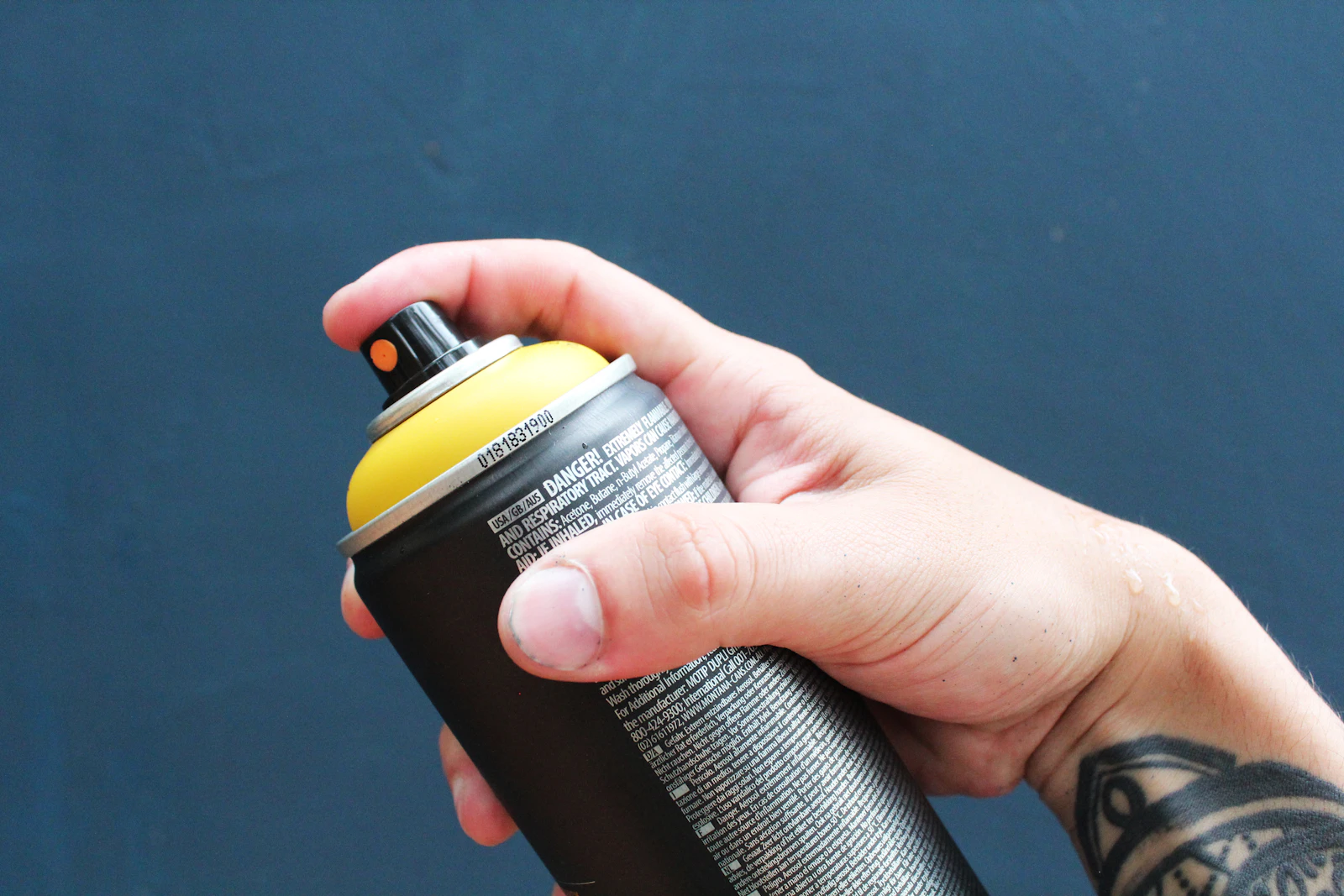
Airless Sprayer Rental Rates Chicago 2026
For Chicago airless sprayer equipment hire supporting drywall taping and finishing (most commonly PVA primer, high-build primer, and selected wall/ceiling coatings), 2026 planning budgets typically land in the $75–$150/day, $300–$550/week, and $900–$1,300/4-week range for a contractor-grade electric airless sprayer with a gun and a base hose. Actual hire costs move with unit class (small cart vs contractor hi-boy), tip capacity, included hose length, and whether your job is downtown high-rise (dock scheduling and access time) versus a suburban shell space. Most trade buyers in Chicago procure from a mix of national rental networks and specialty regional tool houses; the lowest invoice is rarely the lowest total cost once cleaning, tips/filters, delivery windows, and weekend/off-rent rules are accounted for.
| Vendor |
Daily Rate |
Weekly Rate |
Review Score |
Website |
| Wirtz Rentals Co. (Chicago / Summit) |
$90 |
$360 |
10 |
Visit |
| Thompson’s Rental Station (Bensenville / Des Plaines — serves Chicago) |
$92 |
$366 |
9 |
Visit |
| Ed’s Rental & Sales (Algonquin / Crystal Lake / McHenry — Chicagoland) |
$110 |
$440 |
8 |
Visit |
Published Chicagoland/near-market rate examples (use to sanity-check your 2026 estimate): a Western Chicago suburban rental listing shows $140/day, $520/week, and $1,170/month for an airless paint sprayer (contractor-class Graco unit). A northern Illinois regional branch list shows $125/day and $375/week for an airless paint sprayer, with a $100 cleaning deposit requirement. A nearby Midwest market listing shows $100/day, $300/week, and $1,200/month, plus a stated $100 cleaning fee if not returned clean. Use these as anchors, then apply Chicago-specific access/delivery and consumables allowances (below) to build a job-ready equipment hire budget.
What Drives Airless Sprayer Equipment Hire Costs for Drywall Taping And Finishing?
For drywall taping and finishing, the sprayer rental decision is less about “can it spray paint” and more about production consistency and rework risk. The highest cost drivers for airless sprayer hire pricing in Chicago are:
- Sprayer class and flow: Small airless units (good for punch/spot prime) tend to be cheaper; contractor units with higher flow and duty cycle typically rent at a higher daily and weekly rate. If your finish spec includes a uniform primer build across large ceiling areas, under-sizing can add labor and may push you into extra days (erasing any savings).
- Maximum tip size and coatings compatibility: Drywall primers and high-build products often require larger tips and clean filtration. If you need to run a 0.023–0.027 tip class reliably, budget for a contractor-grade unit and extra filters/strainers to avoid clogs and strip-down time.
- Included accessories vs adders: Base rentals may include only a gun and 50 ft hose; long-reach interior work (corridors, suites, ceilings) can require additional hose lengths, whip hose, extension wands, and spare tips. Each add-on is small money individually but meaningful on a multi-floor scope.
- Turnaround time and return condition: Drywall finishing schedules compress fast. A cleaning deposit/fee policy (and whether the shop accepts a “rinse only” return) changes your closeout cost and whether your crew burns billable hours cleaning gear at end-of-shift.
- Chicago access constraints: Dock appointments, elevator reservations, and parking/standing rules can turn a “free pickup” plan into a paid delivery plan—especially in the Loop or near hospitals and universities with strict receiving windows.
Choosing The Right Airless Sprayer Class Without Over-Renting
For drywall taping and finishing, most rental coordinators in Chicago are choosing between (1) a small job airless sprayer for limited prime/spot work and (2) a contractor-class cart/hi-boy airless for large primer coverage and consistent atomization.
Planning guidance for equipment hire:
- Small job airless (spot prime / punch): budget $60–$95/day when available locally; align to a short return window so you don’t spill into a weekend charge.
- Contractor-class airless (primer and full-area coating): budget $100–$150/day for Chicagoland, with weekly pricing often landing in the $300–$550/week band depending on model class, included accessories, and branch policy. Published examples include $125/day and $375/week in nearby northern Illinois listings, and $140/day and $520/week in Western Chicago suburban listings.
Drywall-finishing-specific note: If you are spraying PVA primer across new board at scale, weekly hire usually beats stacking daily rates once you cross ~3–4 working days (depending on the branch’s “week” definition and off-rent rules). Confirm whether the shop uses a 7-day week, a 5-day week, or a 28-day month (common) before you commit a PO.
Hidden-Fee Breakdown for Airless Sprayer Hire in Chicago
When you build a Chicago airless sprayer equipment hire cost estimate for drywall taping and finishing, the base rate is only part of the exposure. The following items are where rental invoices typically drift from the initial quote (allowances shown are 2026 planning ranges unless your branch publishes a specific policy):
- Cleaning deposit / cleaning fees: plan a $75–$150 refundable cleaning deposit or cleaning exposure. Regional published examples include a $100 cleaning deposit requirement and a stated $100 cleaning fee if not returned clean.
- Spray tips (wear item): allow $9–$18 per tip depending on size/brand; for drywall primer workflows, budget 2 tips per week per sprayer as a conservative planning assumption if you’re running long hours and filtering is imperfect.
- Gun/inline filters and strainers: allow $5–$12 each; many crews burn 2–6 filters across a week on new construction primer depending on material cleanliness and pail handling.
- Extra hose (beyond included length): allow $10–$25/day per additional hose section; for multi-room suites, the extra hose can reduce moves and protect finish quality (fewer stops/starts).
- Extension wand / tip extensions: allow $8–$15/day for ceiling work, especially in corridors and stair towers.
- Damage waiver: plan 10%–15% of the rental rate as a common budget placeholder when you don’t have a negotiated corporate rate; confirm whether it applies to accessories as well.
- Delivery/pickup inside Chicagoland: plan $75–$175 each way for a small tool delivery (more if timed or after-hours). In downtown Chicago, add an access allowance of $25–$75 for parking/standing/receiver delays when the carrier cannot stage near the entrance.
- Timed delivery windows / after-hours receiving: allow $50–$150 when the site requires a specific 30–60 minute appointment, or a $75 after-hours premium for early AM/late PM constraints (varies by carrier and jobsite rules).
- Weekend billing: many shops treat Friday pickup to Monday return as a 2–3 day charge. If you have a drywall finishing sequence that pauses for weekend curing, confirm whether you can off-rent Friday before cutoff and re-rent Monday without re-paying deposits.
- Late return / “over-time” on tools: plan a late return exposure of 1.5x the daily rate for an extra day if you miss the cutoff and the item rolls into another billing period.
- Consumable flush/cleaning solution: budget $15–$35 per return cycle (more if you require low-odor products for occupied buildings).
Chicago-Specific Cost Considerations for Drywall Taping And Finishing
Downtown receiving and elevator rules: In the Loop and near major medical/education campuses, receiving windows (often 7:00–10:00 or 12:00–2:00) can force paid timed delivery. If a freight elevator must be reserved, losing a slot can add an extra day of hire even if your crew is idle. Build a contingency of 1 extra day on short rentals where elevator booking is tight.
Cold weather logistics: Chicago winter conditions increase the value of delivery (versus crew pickup) because parking and load-in time expands. If product must be kept above freezing, plan for indoor staging and quicker return cleaning so you do not hold equipment over a weekend unnecessarily.
Occupied-space dust control: When drywall finishing occurs adjacent to occupied areas, negative air, poly protection, and HEPA requirements can slow setup/cleanup. That impacts hire duration: if your crew can only spray in a 4-hour overnight window, you may need 2–4 nights instead of 1–2 days, changing whether daily or weekly pricing wins.
Budget Worksheet
Use this bullet worksheet to build a job-ready airless sprayer equipment hire cost budget for drywall taping and finishing in Chicago (edit quantities per floor/phase):
- Airless sprayer (contractor-class) hire: 1 unit × ___ days @ $100–$150/day (or 1 week @ $300–$550/week)
- Backup unit allowance: $0–$150/day (only if schedule is non-negotiable; otherwise plan rapid replacement response)
- Cleaning deposit / cleaning fee exposure: $75–$150 (planning) or use published policy where applicable (example: $100 cleaning deposit).
- Spray tips: 4 tips @ $9–$18 each
- Filters/strainers: 6 filters @ $5–$12 each
- Extra hose: 1 add-on @ $10–$25/day (if corridor runs exceed included hose length)
- Extension wand: 1 add-on @ $8–$15/day (ceilings and stair tower walls)
- Damage waiver: 10%–15% of rental charges (unless you carry and can certificate your own inland marine coverage)
- Delivery/pickup allowance: $75–$175 each way (add downtown access allowance $25–$75)
- Timed delivery / after-hours receiving allowance: $50–$150
- Contingency for missed cutoff / weekend roll: 1 extra day at the applicable daily rate
Rental Order Checklist
Before you issue a PO for airless sprayer hire in Chicago, align the paperwork and field constraints so you don’t pay extra days or surprise fees:
- PO scope language: specify “electric airless sprayer for primer/latex, includes gun + base hose, plus (list) extension wand/extra hose as required.”
- Billing structure confirmation: confirm day (24-hour) vs 8-hour day, week definition (5 vs 7 days), and month definition (typically 28 days).
- Off-rent method: confirm whether off-rent is by phone, email, portal, or requires physical return to stop billing.
- Cutoff times: confirm branch pickup/return cutoff (commonly late afternoon). If you miss it, assume another day billed.
- Delivery requirements: address, contact, dock hours, COI needs, elevator reservation window, and whether the driver can call on approach.
- Return condition documentation: require field photos of unit condition, serial number, and clean/flush confirmation at return to protect deposits.
- Material constraints: confirm “latex/primer only” if required and whether spraying any non-approved material triggers a cleaning surcharge.
- Power/accessories: verify power availability (120V circuits), extension cords (if not included), and indoor protection requirements (poly, masking, floor protection) that affect setup time and hire duration.
Example: Chicago tenant-improvement prime coat (drywall finishing closeout). You have a 12,000 sq ft buildout in River North, and the GC requires priming to occur over 3 nights (occupied building daytime restrictions). If you rent at a $125/day class rate and you miss the branch cutoff on the final return, you may pay 4 billable days instead of 3. Add $150 delivery/pickup (two-way) and a $100 cleaning exposure if the return fails inspection, and your all-in equipment hire can move from roughly $375 base rent to $650–$800 total—before tips and filters. Published nearby rate sheets showing $125/day and $100 cleaning deposit policies are a useful benchmark when modeling that exposure.
How Drywall Taping And Finishing Workflow Changes Airless Sprayer Hire Duration
Drywall taping and finishing doesn’t always “rent like painting.” The work sequence (tape, coat, sand, spot, final, prime) can create idle time where the sprayer sits. To control airless sprayer equipment hire costs in Chicago, align rental start/end to the moment you are actually ready to spray and the moment you can return clean:
- Start as late as possible: If sanding and dust control are not complete, the sprayer can’t be used efficiently. Each idle day risks weekend rollovers and extra billing.
- Stage consumables early: Have strainers, filters, and spare tips onsite before the sprayer arrives. A $25 missing-tip trip is rarely just $25 once you count lost production and potential extra rental day.
- Plan “flush-and-return” labor: If your crew needs 45–90 minutes to flush and clean correctly, schedule that time before the cutoff; otherwise you risk paying a full additional day plus a cleaning fee.
Off-Rent, Weekend, And Cutoff Rules That Change Your Final Invoice
Most invoice surprises come from timing rules rather than base rates. For Chicago operations (especially high-rise interiors), confirm these items in writing:
- 24-hour vs “same-day” day rate: Some branches bill a “day” as a 24-hour period; others use an 8-hour day with overtime after that. If overtime applies, budget an overtime adder such as $10–$25 per hour beyond the base day (planning allowance when policy is unknown).
- Weekend minimums: If you pick up Friday afternoon and return Monday morning, treat it as a 2-day minimum unless the branch states otherwise. For drywall finishing where cure time spans the weekend, consider returning Friday before cutoff and re-renting Monday to avoid paying for non-productive days.
- After-cutoff returns: If cutoff is missed by even 15–30 minutes, many counters roll the item to the next day. Budget a “cutoff miss” contingency equal to 1 extra day at your daily rate.
- Off-rent is not automatic: Billing often continues until the unit is physically checked in. If your courier drops without check-in confirmation, you carry the risk.
Return-Condition Controls That Protect Deposits And Avoid Cleaning Charges
For a drywall-primer workflow, return condition is where airless sprayer hire cost can jump unexpectedly. Use a standardized closeout procedure to avoid a $100 cleaning fee and to recover any refundable cleaning deposit exposure (regional examples show $100 class policies).
- Flush immediately after last spray: Don’t let primer set in lines. Build a rule: flush within 30 minutes of final trigger pull.
- Document the clean return: Take 6 photos minimum (pump, hose ends, gun, filter housing, serial tag, overall condition).
- Bag and label tips/guards: Missing parts often bill at replacement cost; a common planning allowance is $25–$60 per missing guard/assembly depending on model.
- Confirm “latex only” constraints: Some listings explicitly warn that non-approved materials can trigger “steep additional charges.” If your finish spec changes, call the rental desk before you spray.
When A Texture Sprayer Or Dedicated Finish Pump Is Cheaper Than Holding An Airless
For some drywall taping and finishing scopes, the airless sprayer is the right tool for primer, but not necessarily for texture. If your scope includes texture work that will occur days after priming, consider returning the airless between phases and hiring the correct texture solution only when needed. As a benchmark, a northern Illinois branch list shows a texture sprayer (gun only) at $25/day and $75/week alongside airless sprayer rates—useful when splitting phases to reduce total equipment days.
Even if you stay with an airless unit, phase-splitting can cut cost if it eliminates a weekend rollover (often worth $100–$150 in avoided extra day charges).
2026 Market Notes For Airless Sprayer Equipment Hire Budgets in Chicago
For 2026 planning, expect airless sprayer hire in Chicago to remain sensitive to (a) spring/summer demand peaks and (b) project stacking (multiple interiors closing simultaneously). If you are coordinating multiple drywall finishing crews, the cost lever is often standardization: rent the same sprayer class across sites, stock the same filters/tips, and train one cleanup/return process. That can reduce tip waste by 1–2 tips per week and prevent at least one late-return incident per quarter—both of which typically outweigh negotiating a few dollars off the daily rate.
If you want, share (1) approximate square footage to prime, (2) number of floors/units, and (3) whether delivery is required in downtown Chicago. I can convert the planning ranges above into a clean, PO-ready equipment hire allowance with contingencies for cutoff/weekend and cleaning-deposit exposure.