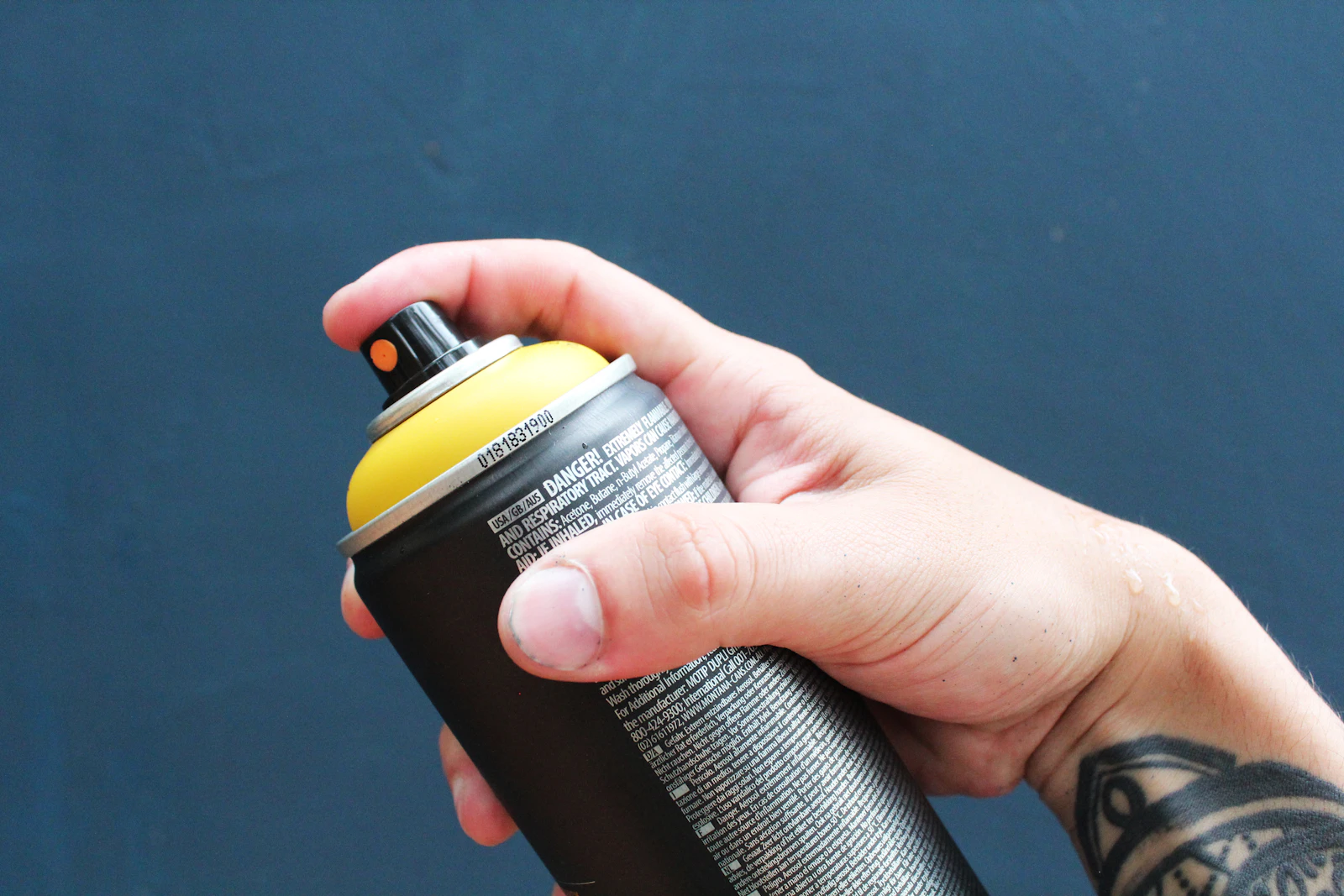
For Sacramento drywall taping and finishing scopes, airless sprayer equipment hire is typically budgeted as a short-duration tool rental used for sealing/priming new board (PVA/primer) and occasionally for fine-finish coatings—rather than for spraying joint compound. For 2026 planning in the Sacramento metro, a contractor-grade electric airless sprayer commonly lands in the $90–$130/day, $285–$490/week, and $850–$1,250 per 4-week (28-day) range depending on output, tip capacity, included accessories (hose length, tip/guard, filters), and branch policies. Recent posted rate cards in the region show daily pricing in the ~$95–$105 band for standard units, with higher day rates for heavier-duty packages.
| Vendor |
Daily Rate |
Weekly Rate |
Review Score |
Website |
| United Rentals |
$100 |
$390 |
8 |
Visit |
| Sunbelt Rentals |
$105 |
$420 |
7 |
Visit |
| Herc Rentals |
$110 |
$440 |
10 |
Visit |
| The Home Depot Tool Rental (Truxel Rd #6649) |
$106 |
$424 |
9 |
Visit |
| Rental Guys |
$144 |
$403 |
7 |
Visit |
Airless Sprayer Hire Costs Sacramento 2026
The ranges below are practical estimating bands for airless paint sprayer rental rates in Sacramento when supporting commercial drywall finishing crews (priming after Level 4/5, corridor repaints, punch-list resprays). Assumptions: electric 120V unit (roughly 0.45–0.60 GPM class), one gun, one reversible tip/guard, and a baseline hose (often 50 ft). A “month” is treated as a 4-week rental period, which matches many rental contracts.
- Daily (24-hour) hire: plan $90–$130/day for a contractor-grade electric airless sprayer package. Posted examples include $95/day and $105/day in Northern California rate cards.
- Weekly (7-day) hire: plan $285–$490/week depending on branch, class, and included accessories. Posted examples range from $315/week to $448/week and up to $486/week for certain catalog classes.
- 4-week (28-day) hire: plan $850–$1,250 per 4 weeks. Posted examples include $900/4 weeks and $1,149/monthly (explicitly stated as a 4-week monthly rate on some catalogs).
Estimator note for drywall taping and finishing: if a superintendent is asking to “spray mud,” clarify whether they mean PVA primer over fresh board, a high-build surfacer, or actual joint compound. Most standard airless rentals are positioned for architectural coatings and may be restricted to water-based/latex products, while true texture/compound rigs are typically a different rental class with different cleanup risk and pricing.
What Changes Airless Sprayer Rental Pricing For Drywall Finishing Crews?
Airless sprayer hire cost is rarely just the day rate. In Sacramento, total invoice value is usually driven by time on rent, pickup/return timing, site access constraints, and return condition. For drywall finishing work, add the operational reality that priming often happens late in the sequence—when the job is busy, elevators are shared, and after-hours access is common. Those factors tend to create small “friction” costs (delivery windows, weekend billing, cleaning charges) that can outweigh the headline daily rate.
Key cost drivers to model for airless sprayer equipment hire costs in Sacramento:
- Duty class / output (GPM) and tip capacity: higher-output pumps and larger max tip sizes typically price higher and are more tolerant of thicker primers/surfacers (fewer clogs, fewer delays).
- Electric vs gas: most interior drywall finishing crews prefer electric for emissions and building rules; gas units can trigger additional ventilation/permit controls and may drive coordination cost even if the day rate looks similar.
- Accessory package inclusion: a base package may include only a 50 ft hose and one tip; if your crew needs 100–150 ft runs, budget for add-on hose sections and pressure losses.
- “Weekend reality” on tenant-improvement schedules: Friday pickups and Monday returns can bill as multiple days unless the contract has a weekend rate.
- Cleaning and wear from drywall dust: Central Valley dust plus sanding dust inside the work zone increases filter changes and cleanup time. More cleanup time increases the risk of a chargeable “returned dirty” condition.
Sacramento-Specific Cost Drivers That Show Up On Real Invoices
Local conditions around Sacramento change how airless sprayer rentals behave operationally (and therefore financially):
- Downtown/Capitol-area access and parking: constrained loading zones and limited staging often force tighter delivery windows (and sometimes a reschedule fee if the driver cannot drop). Budget a $45–$95 “attempted delivery / re-delivery” allowance if access is uncertain.
- Summer heat (often 95–105°F afternoons): coatings can set faster, increasing tip clogging and flush cycles. For hire-cost planning, carry a small $25–$60 allowance for extra filters/strainers and cleanup materials on high-heat weeks.
- Metro sprawl and delivery radius norms: Sacramento crews frequently work across Roseville/Rocklin, Rancho Cordova/Folsom, Elk Grove, and West Sac. If you choose delivery instead of will-call pickup, expect distance-based pricing once you push outside a local radius (commonly 10–20 miles from the branch). Carry $3–$6/mile beyond a base radius as an estimating placeholder, plus a minimum trip charge.
Hidden-Fee Breakdown
Use this section as your “ask list” when you set up the PO for airless sprayer equipment hire. These are common fee types; policies vary by branch and account terms, so treat them as estimating allowances unless your supplier quote specifies otherwise.
- Delivery / pickup charges:
- Standard business-hours delivery in metro Sacramento: often $85–$165 each way for small equipment, depending on routing and whether the driver needs to call ahead.
- After-hours / scheduled time-window delivery (e.g., 6:00–7:00 a.m. before other trades): carry +$75–$150.
- Limited-access jobs (badging, escort, dock scheduling): carry +$50–$125 for driver wait time or re-attempt risk.
- Damage waiver (DW) / rental protection: commonly 10%–15% of the base rental charges. Confirm whether DW applies to accessories (hoses, tips) and whether it excludes clogs/cleanup damage.
- Deposit / authorization: many tool rentals require a refundable deposit or card authorization; planning ranges of $150–$500 are typical for a pro-grade sprayer class, with some shops posting higher deposits (e.g., $250).
- Cleaning deposit / cleaning fee: some catalogs explicitly call out a cleaning deposit line item for sprayers. If returned dirty (paint left in pump, filter caked), a cleaning fee frequently lands in the $45–$150 range, and severe cases can run $200+ due to teardown time.
- Late return / overtime on the clock:
- End-of-day cutoffs are often strict (commonly 4:00–5:00 p.m.). If you miss cutoff, budget an extra 1 day charge rather than a small penalty.
- If the branch uses hourly “overtime” for late same-day returns, carry $15–$35/hour as a placeholder for the overage window.
- Missing parts / wear items:
- Tip/guard not returned or damaged: carry $45–$85 replacement allowance.
- 50 ft hose damage: carry $70–$140 replacement allowance depending on hose spec.
- Gun damage: carry $150–$300 replacement allowance (higher if specialty gun).
Accessories And Consumables That Shift Total Hire Cost
Drywall finishing teams often underestimate the accessory “stack” required to spray primer efficiently across corridors, stairwells, and occupied TI areas. Even when the base sprayer rental is in-range, the total equipment hire cost moves once accessories are added (rented or purchased).
Common adders to carry for Sacramento estimating (allowances; confirm with supplier):
- Extra hose sections: $10–$20/day per additional 25–50 ft section (helps keep the sprayer outside of the containment zone).
- Whip hose: $5–$12/day (reduces wrist fatigue and improves control for Level 5 primer passes).
- Extension wand (pole gun extension): $12–$25/day (ceilings and soffits; reduces ladder moves).
- Fine-finish or specialty tip sets: tips are often sold rather than rented; carry $55–$95 per tip/guard set if the included tip is wrong for your primer viscosity and fan size.
- Inlet strainer + manifold filter kit: carry $12–$30 per kit (especially important after sanding operations).
- 25 ft 10/12-gauge extension cord: $6–$15/day if not included; also confirm amperage requirements to avoid nuisance trips.
- Cleanup adapter / flush kit: $8–$20 (some shops sell cleaning solution separately; budget it so you don’t “buy at counter” without a PO line).
Indoor dust-control requirement (drywall-specific): if the job is active sanding, protect the sprayer intake and keep hoses off dusty floors. If the GC requires negative air, your sprayer may need to sit outside containment, which increases hose length needs and can drive the accessory adders above.
Billing Rules That Matter: Off-Rent, Weekend, And Minimums
Rental coordinators can usually save more money by controlling billing mechanics than by fighting over $5 on the daily rate.
- Minimum rental term: many sprayers are 1-day minimum, even if used for a few hours. If your crew only needs a half-day prime on punch, ask if a 4-hour minimum exists (some shops publish 4-hour pricing). Carry $70–$85 per 4 hours as an allowance when available.
- Weekend billing: some catalogs price “Sat-to-Mon” as one day for certain tools, while others bill each calendar day. Carry a weekend contingency of +$0 to +2 extra days depending on your supplier and pickup/return plan.
- Off-rent notification: many suppliers require a call/email to place equipment off-rent; simply “not using it” does not stop billing. Plan for a 1 business-day lag if off-rent is initiated after cutoff.
- Holiday weeks: if your schedule touches major holidays, confirm whether the branch bills closed days. Carry +$105–$130 as a one-day exposure if the return lands on a closure day.
Example: Sacramento TI Prime Coat With Tight Access And Weekend Exposure
Scenario: 18,000 SF tenant-improvement in Arden-Arcade with Level 4 finish; the crew needs to spray PVA primer in corridors and open office. Building rules allow loud work only after 6:00 p.m., and the loading dock is shared. Rental is picked up Friday at 3:30 p.m. and returns Monday at 9:00 a.m.
2026 planning numbers (illustrative):
- Base sprayer weekly rate: use a Sacramento planning midpoint of $395/week (within the $285–$490/week band).
- Or base daily rate: $110/day planning (within $90–$130/day).
- Weekend exposure: if billed Fri/Sat/Sun/Mon as individual days, that’s 4 days even though the crew only sprays two shifts. If a “Sat-to-Mon” rate applies, it can collapse to 2 days (Fri + weekend special). Confirm before pickup.
- Accessory adders:
- Additional 50 ft hose: $15/day × 3 billable days = $45
- Extension wand: $18/day × 3 billable days = $54
- Filter kit allowance: $20
- Damage waiver: 12% of rental charges (carry) = adds roughly $40–$70 depending on billed days.
- Cleaning risk: carry $75 as a contingency if return condition is disputed (primer residue in pump/filter).
Operational constraint: because priming is happening after-hours, the crew often rushes cleanup. Assign a specific foreman to sign the return condition and take return photos (pump flushed, filters clean, tip removed) to prevent a disputed cleaning charge.
Budget Worksheet
Use these line-item allowances to build a clean, auditable budget for airless sprayer equipment hire cost in Sacramento on drywall taping and finishing projects.
- Airless sprayer rental (electric contractor unit): $90–$130/day or $285–$490/week or $850–$1,250/4-week
- Extra hose sections (as required): $10–$20/day each
- Whip hose (optional but common): $5–$12/day
- Extension wand: $12–$25/day
- Tip/guard set (purchase allowance): $55–$95 each
- Filter/strainer kits (purchase allowance): $12–$30 per kit
- Cleaning solution / pump conditioner: $8–$25
- Delivery (if not will-call): $85–$165 each way
- After-hours/time-window delivery allowance: $75–$150
- Damage waiver allowance: 10%–15% of rental charges
- Cleaning fee contingency: $45–$150 (carry) / severe $200+ exposure
- Missing/damaged parts allowance (tips/hoses): $45–$140 per incident
Rental Order Checklist
- PO setup: include base rental term, jobsite address, cost code (drywall finishing/painting), and approved add-ons (hose, extension wand, filters).
- Delivery requirements: specify delivery window, dock/parking instructions, site contact, phone number, gate codes, and badging/escort rules.
- Off-rent rules: document cutoff time for off-rent, how to place equipment off-rent (email vs portal vs phone), and weekend/holiday billing policy.
- Return condition documentation: require return photos (serial number, overall condition, clean filters, flushed lines) and a signed return ticket.
- Consumables: confirm whether tips and filters are included, sold separately, or required to be replaced at return.
- Power planning: confirm amperage draw and required extension cord gauge (avoid tripping breakers in occupied buildings).
- Safety/compliance: confirm whether the supplier provides basic operating instructions and what PPE the crew must supply.
Bottom line for estimators: For Sacramento drywall taping and finishing, the best cost control is (1) renting the correct duty class so you don’t burn days on clogs, (2) aligning pickup/return to avoid weekend billing surprises, and (3) managing return condition to avoid cleaning and parts charges.
How To Keep Airless Sprayer Equipment Hire Costs Predictable On Drywall Finishing Jobs
Once the daily/weekly/4-week rate is set, the remaining savings usually come from process control—especially on multi-tenant TI where the sprayer touches several mobilizations. Below are field-tested controls rental coordinators use to reduce “invoice drift” without under-scoping.
Choose The Right Rental Term For The Production Plan
Airless sprayer hire is often treated as a one-off day rental, but drywall finishing sequences can fragment into multiple short prime events (initial prime, touch-up prime, door frame prime, corridor respray). If you expect 3+ mobilizations in a week, a weekly term can be cheaper even if the sprayer sits idle for 1–2 days—provided you can avoid weekend exposure.
- If you need the sprayer for 1–2 shifts, push for a 4-hour minimum or a same-day return, but only if your crew can actually clean and return before cutoff. Posted catalogs show 4-hour minimum structures on some sprayer classes, which can materially reduce cost if you truly only need a partial day.
- If you need it for 3–5 days with uncertain sequencing, weekly is often safer than stacking daily charges—just confirm the weekend policy.
- If your GC’s schedule is unstable (punch lists expanding), consider a 4-week term if you’ll keep the unit continuously on a large campus. A posted 4-week rate example of $1,149 provides a useful anchor for that planning decision in the Sacramento metro.
Control The Two Biggest Variable Charges: Delivery And Cleaning
For small equipment like an airless sprayer, delivery is optional—but it’s also where cost creep happens when projects are short-staffed or the sprayer must arrive after-hours.
- Delivery control: If the branch is within 15–20 minutes of site, will-call pickup can eliminate $170–$330 round-trip delivery exposure (at $85–$165 each way). If delivery is required, book a 2–3 hour window instead of a hard time whenever possible to avoid time-window premiums.
- Cleaning control: Build a cleanup SOP into the work package:
- Flush immediately after spraying (don’t let primer set overnight).
- Remove and bag the tip/guard, wipe threads, and store in a labeled container.
- Clean or replace filters/strainers (carry $12–$30 for a kit rather than risk a $45–$150 cleaning fee).
- Take 8–12 photos at return: serial number, pump intake, filters, hose ends, and a “clear water flush” video if your PM has had disputes before.
Make Accessories A Planned Package, Not Counter Purchases
Counter purchases are the fastest way to lose cost visibility. For drywall finishing, standardize two pre-approved accessory packages and put them on the PO:
- Package A (short-run interior prime): base hose + whip hose ($5–$12/day) + filter kit ($12–$30)
- Package B (containment / long-run): add extra 50 ft hose ($10–$20/day) + extension wand ($12–$25/day) + spare tip set ($55–$95)
By standardizing packages, the superintendent can request “A or B,” and the coordinator can predict total hire cost and avoid missing parts charges at return.
Clarify Product Restrictions Before The Crew Loads Material
Many rental listings for airless units are oriented to water-based/latex coatings. If a crew shows up with incompatible materials, the result is either a wasted day (still billed) or a return-condition dispute. Confirm in writing:
- Approved materials (water-based primer vs solvent-based; any restrictions)
- Required cleaning method (warm soapy water vs manufacturer flush solution)
- Whether the rental house expects the unit to be returned “ready to rent” (i.e., fully flushed and filter clean)
This isn’t just a technical detail—it is cost control. A single “returned dirty” event can wipe out the difference between two vendors’ day rates.
Documentation For Closeout And Backcharges
To keep airless sprayer equipment hire from becoming a backcharge fight at closeout, collect and store:
- Signed delivery ticket and serial number at check-in
- Photo evidence of accessories received (hose count, tip/guard, gun, filters)
- Off-rent request email/portal confirmation with timestamp
- Signed return ticket plus condition photos (clean/complete)
Example: Two Short Priming Mobilizations Instead Of One Long Rental
Scenario: A drywall finishing subcontractor primes Building A (one evening) and Building B (one evening) one week later. The PM must choose between (1) keeping the sprayer all week or (2) returning and re-renting.
- Option 1 (keep it on rent): weekly term at $315–$448 is plausible based on posted regional week rates.
- Option 2 (two daily rentals): two separate day rentals at $95–$117/day could land $190–$234 before DW and accessories, but you may pay two pickup/return cycles (labor) and duplicate cleaning risk.
Decision rule (practical): If you can avoid weekend billing and you’re already forecasting additional touch-up prime, the weekly term is often more predictable. If the second mobilization is uncertain, two day rentals can be cheaper—but only if the crew can return clean and on time.
When It’s Cheaper To Own Than Hire (And When It Isn’t)
Ownership can make sense for high-frequency prime/paint operations, but for many drywall taping and finishing contractors in Sacramento, hire stays rational because:
- Rental transfers maintenance risk (pump rebuilds, packing wear) to the supplier.
- You can match the unit class to the project (small TI today, larger corridor package next month).
- Tool accountability is easier with tickets/serials than with “shared shop gear” that walks off between jobs.
As a planning comparison: if your typical day rate is $105 and you rent 20–25 days/year, your annual base rental spend could run $2,100–$2,625 before delivery, DW, and accessories. That’s often still competitive versus owning once you price maintenance, storage, and downtime—especially if you’re renting higher duty class units only when needed.
Final Estimating Takeaway For Sacramento Drywall Taping And Finishing
For 2026 bids, carry an all-in airless sprayer hire allowance (including accessories, DW, and one cleaning contingency) of roughly $165–$260 per billed day on interior priming work when delivery is avoided, and $250–$425 per billed day when delivery/time-window constraints apply. The rate card is only step one; your real savings come from aligning pickup/return to branch cutoffs, locking accessory packages on the PO, and returning the unit clean with photos.