

Installing a residential antenna involves various factors that influence the overall cost. On average, the cost ranges from $217–$433 for a single-family home installation. Key factors include labor rates, mounting hardware, roof access, and signal direction. CountBricks provides accurate estimates by capturing jobsite details and generating itemized forecasts that professionals can rely on.
Typical costs for antenna installation in the Pacific Northwest range from $217–$433. National averages are similar, but costs can vary based on:
Basic attic antennas start at $20–$150, while amplified outdoor models can reach $50–$200. CountBricks ensures estimates reflect current market prices.
Mounting hardware and roof braces typically add $20–$100. Reinforcements or custom brackets may increase costs, but CountBricks highlights these needs in advance.
Labor is a significant cost factor. Simple attic placements may take 1.5 hours, while complex roof installations could require 4+ hours. CountBricks adjusts labor rates based on regional averages.
Grounding is mandatory, costing $30–$100 for necessary materials. CountBricks includes these in estimates to ensure compliance.
CountBricks uses real-time data and AI to replace traditional estimating methods. The process involves:
Live supplier feeds ensure pricing accuracy, even with market fluctuations.
Installations in areas like Oregon may require corrosion-resistant materials, while high-wind zones need reinforced mounts. CountBricks adjusts costs based on zip code-specific conditions.
DIY installations may cost $100–$300 in materials, but risks include roof damage and improper grounding. Professionals using CountBricks deliver:
Hardware: Long-range UHF/VHF antenna - $70–$180
Mast & mount kit - $25–$70
Grounding kit - $15–$25
75’ RG-6 coax - $0.35/ft
Labor: 2.75 hrs @ $50–$130/hr - $200–$300
Travel & site-prep - $20–$150
Total Cost: $217–$433
This estimate was generated in real-time using CountBricks voice estimation.
Ready to estimate your next project? Visit CountBricks.com for a demo. Experience hands-free accuracy with your first three voice estimates.
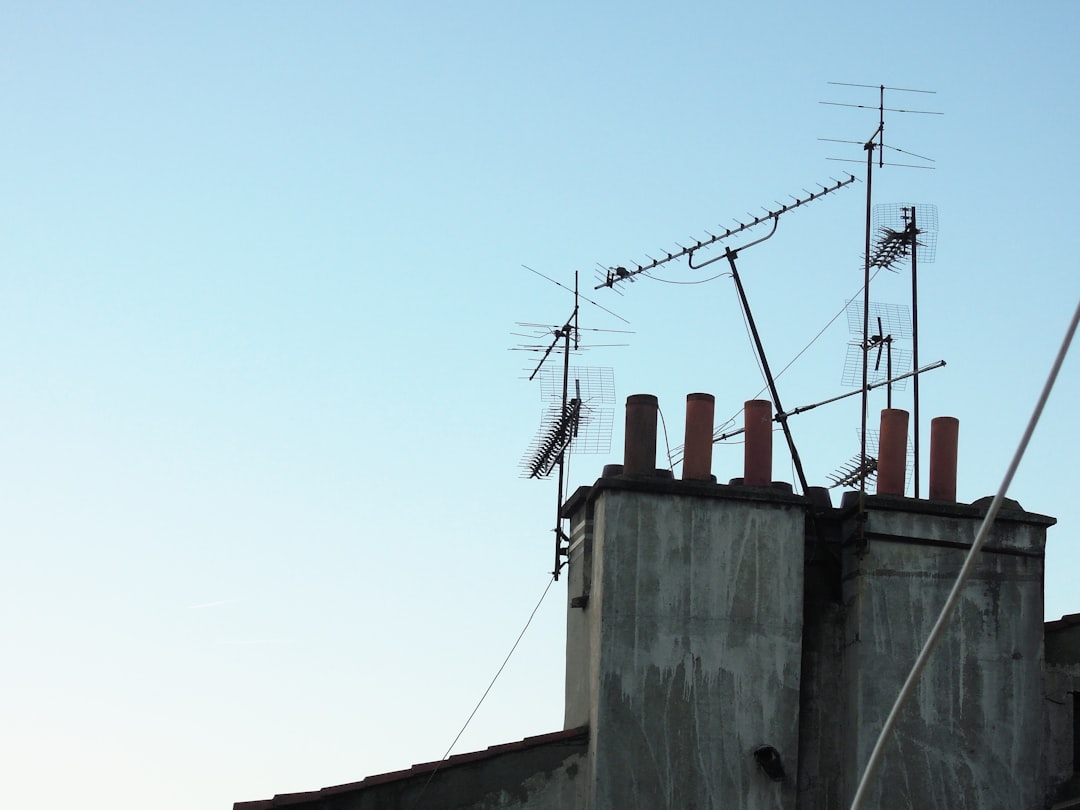
During a remodel, the Baxter family needed an antenna installed quickly. Using CountBricks, their contractor generated a cost estimate of $217–$433 in 45 seconds.
The project stayed on schedule, and the Baxters enjoyed TV service immediately.
Book a demo at CountBricks.com to see how voice-driven estimates and AI tools streamline residential upgrades.
