

Completing a construction project isn't just about the build; it culminates with meticulous post-construction cleaning. Accurate estimates are crucial for efficient budget management and client satisfaction. On average, cleaning costs range from $500 - $800 based on the home type and size.
| Home Type | Size (sq ft) | Cost |
|---|---|---|
| Townhome | 1,600 | $300–$900 |
| Single-Family | 2,400 | $500 - $800 |
| Custom Build | 3,500 | $500 - $800 |
| Luxury Estate | 5,000+ | $800+ |
These figures cover standard ceilings and moderate detailing, excluding rush jobs.
Several factors impact costs, including square footage, ceiling height, surface complexities, and scheduling demands. Expedited jobs may incur a 15% surcharge, and green certification demands can increase material costs.
Integrative tools streamline cleaning management by syncing tasks with schedules and delivering dynamic cost estimates, ensuring projects stay on track amidst scheduling shifts.
1. Plan interim cleans to reduce final cleaning tasks.
2. Use protective coverings to decrease cleaning needs.
3. Schedule aesthetic tasks strategically to avoid repeated cleanings.
4. Utilize bulk purchases to stabilize supply costs.
A managed 3,200 sq ft smart home efficiently reduced costs from a budgeted $274 - $708 by precise cleaning scheduling, enabling timely project closure.
Bids that transparently outline cleaning fees foster higher trust and acceptance rates. Detailed itemization supports this transparency and efficiency.
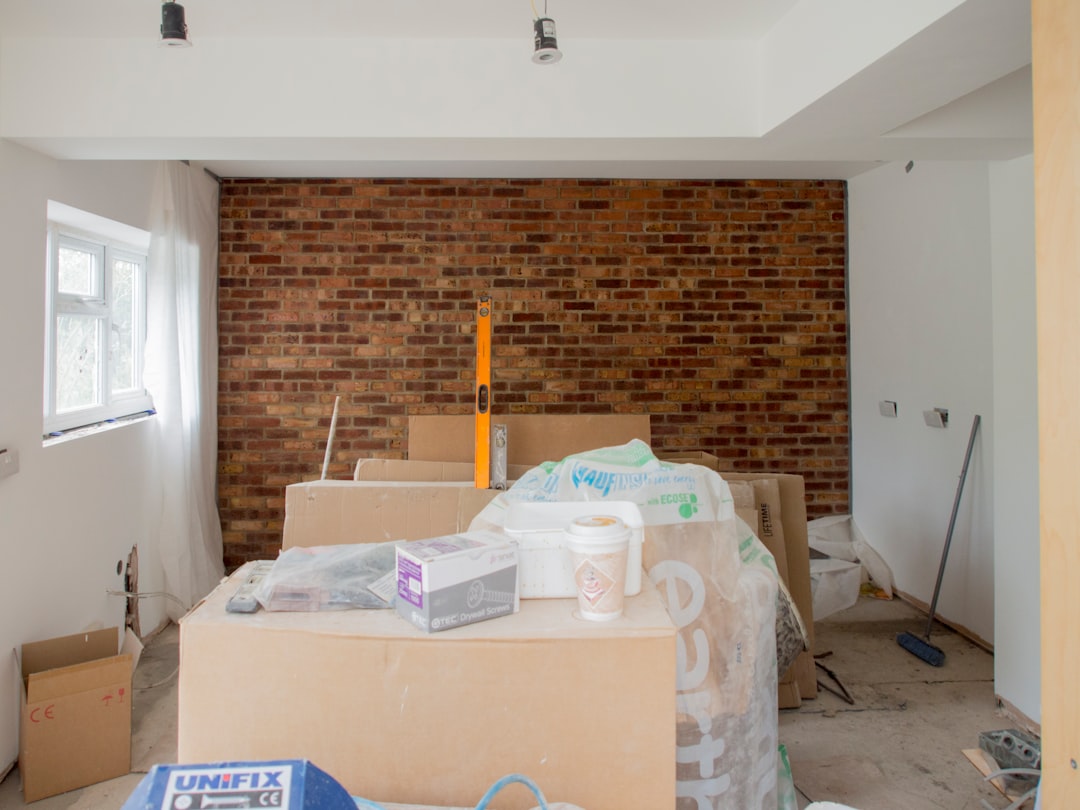
Integrating cleaning costs early benefits construction planning by embedding these expenses into workflows, optimizing efficiency and cost control.
Automated systems link cleaning tasks to construction schedules, ensuring efficient operations across all phases.
1. Budget extra labor hours for detailed finishes.
2. Start HVAC systems post-rough clean to mitigate dust.
3. Include early window detailing for quality and cost efficiency.
4. Capture project photos to document cleaning quality and reduce disputes.
Effective cleaning integration reduces re-cleans, expedites occupancy, and lowers final-stage costs, improving project outcomes.
