

In residential construction, a single overlooked measurement or an outdated material price can wipe out the margin on an entire project. A construction mistake does more than ding the bottom line—it drags schedules, erodes client trust, and forces crews into crisis-mode rework. By combining real-time voice-driven estimating, live material pricing, and AI blueprint takeoffs, you can eliminate guesswork before it turns into expensive jobsite surprises.
Miscounting studs or underestimating drywall sheets is the fastest way to drain contingency funds. Manual takeoffs rely on highlighters, rulers, and late nights—prime conditions for human error. AI tools can read your PDF blueprints, auto-extract quantities, and sync them to current supplier prices so you bid with confidence.
Lumber futures change weekly. Quoting from last month’s price list almost guarantees a budget blowout. Using live distributor feeds allows estimators to lock accurate numbers into proposals the moment the client says “go.”
Generic proposal templates bury exclusions in fine print, inviting disputes. Voice-guided estimate builders prompt you to clarify allowances, client selections, and site conditions before they become change orders.
Assuming every carpenter hits 100% efficiency ignores weather delays, city inspections, and driveway access. Task libraries include realistic crew-hour benchmarks you can tweak for project-specific conditions, preventing schedule optimism from becoming penalty clauses.
How many times has “Final_v7.xls” been emailed around? Multiple spreadsheets create conflicting truths. Keeping estimate history, revisions, and approvals in one cloud workspace—accessible from laptop, tablet, or phone—prevents this issue.
Analytics show that trades reducing estimate variance from 12% to under 3% can reclaim up to 7% net profit on typical spec-home builds. For a $428,000 project, that’s $30,000 back in your pocket—enough to fund new tools, hire another apprentice, or bid the next job more aggressively.
Sunrise Carpentry, a user in Austin, struggled with framing overruns caused by manual stud counts. After switching to AI takeoffs, their first three projects finished with 2% lumber variance. Rework hours fell by 60%, and owner Luis Soto attributed it directly to “zero ambiguity in our quantities and pricing.”
Residential construction will always have surprises—rain, back-ordered windows, inspectors on vacation. But a construction mistake rooted in bad data is avoidable. Having a single source of truth from first takeoff to final invoice can protect your profits.
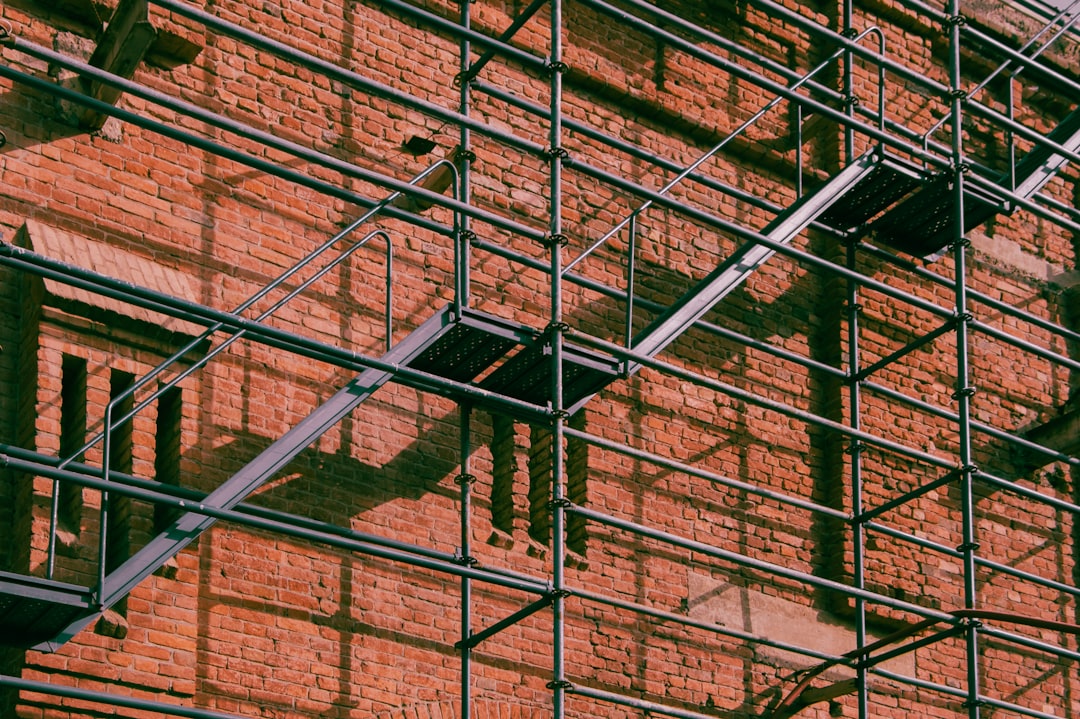
A framing subcontractor recently partnered on a 3,200-sq-ft custom home. During the AI takeoff, a discrepancy was flagged between the architectural and structural drawings—an LVL beam called out as 14 ft in one sheet but 16 ft in another. Traditionally, that conflict would surface only when the crew tried to set the beam, forcing a jobsite pause and an urgent supplier run.
By catching it in the estimate phase, the team:
Impressed by the proactive fix, the homeowner approved the revised bid the same day and later signed a change-order package without hesitation. Avoiding one construction mistake reinforced the contractor’s reputation for precision—an intangible benefit that wins future referrals.
Schedule a live walkthrough to see how AI tools surface hidden conflicts, lock accurate pricing, and keep residential projects on track. Every mistake avoided is margin earned—make it your competitive edge.
