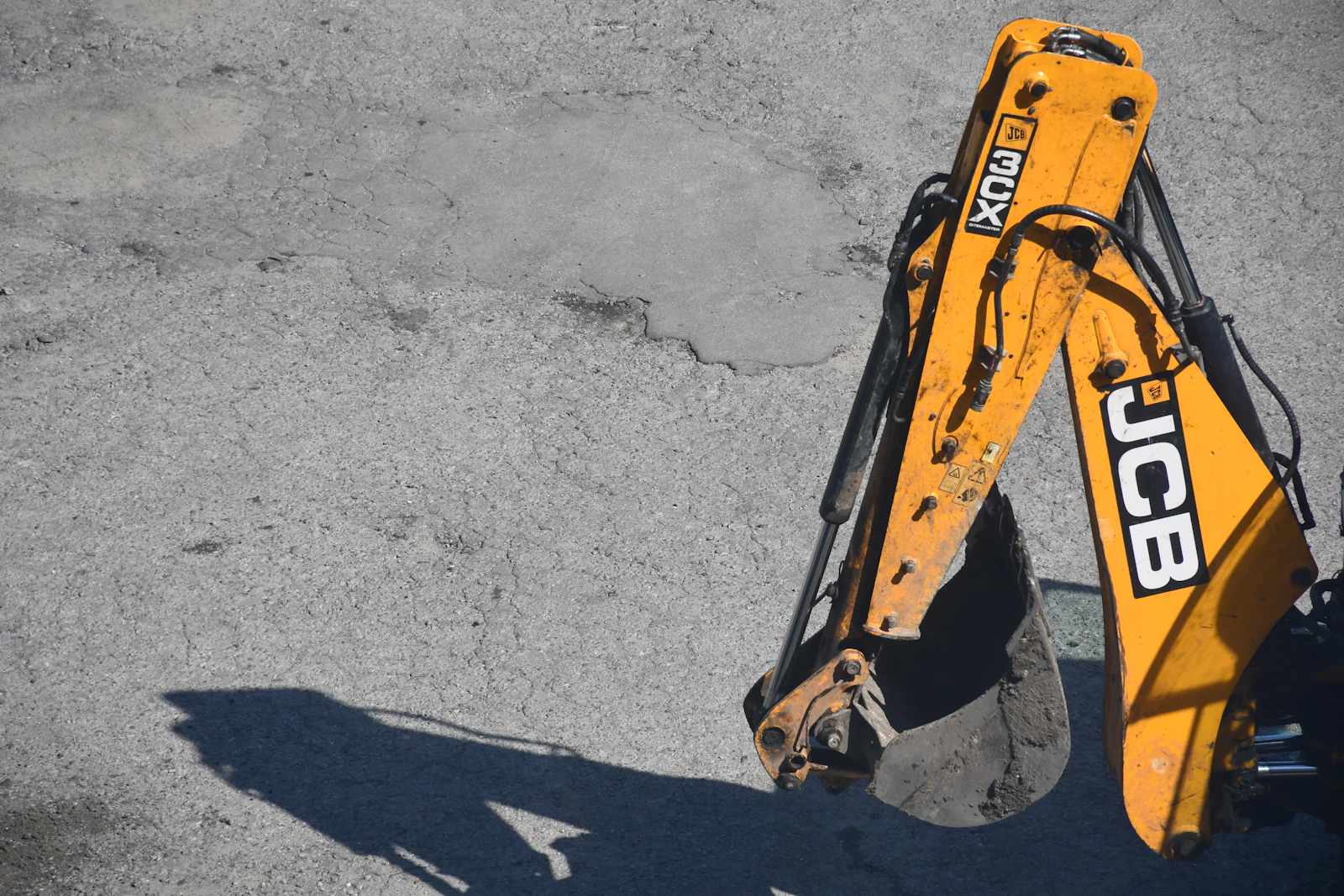
For 2026 planning in Colorado Springs, backhoe loader equipment hire typically pencils out in the $320–$550/day, $1,200–$1,700/week, and $2,750–$5,500 per 28-day month range for a mid-size 4WD machine set up for trenching and backfilling (common assumptions: 70–100 HP class, extendable dipper/“extendahoe” option where available, general-purpose loader bucket, and a 12–24 in trenching bucket). Local and regional yards often publish “yard rate” benchmarks (e.g., a Colorado Springs yard listing $500/day, $1,600/week, $5,000/28-day; and a regional published rate of $500/day, $1,250/week, $2,750/month), while national chains (United Rentals, Sunbelt Rentals, Herc) usually quote based on spec, term, and logistics rather than posting a single flat rate.
| Vendor |
Daily Rate |
Weekly Rate |
Review Score |
Website |
| United Rentals |
$475 |
$1 900 |
8 |
Visit |
| Sunbelt Rentals |
$465 |
$1 860 |
8 |
Visit |
| Herc Rentals |
$455 |
$1 820 |
7 |
Visit |
| Wagner Rents (Wagner Equipment Co.) |
$490 |
$1 950 |
9 |
Visit |
| 4Rivers Equipment (John Deere Dealer Rentals) |
$440 |
$1 760 |
8 |
Visit |
Backhoe Loader Hire Costs Colorado Springs
2026 rate planning ranges (Colorado Springs, USD):
- Daily: $320–$550/day (typical published benchmarks span $320/day to $500/day for a mid-size backhoe loader).
- Weekly: $1,200–$1,700/week (published benchmarks commonly fall around $1,200/week to $1,600/week).
- 28-day month: $2,750–$5,500 per 28 days (published benchmarks include $2,750/month and $5,000/28 days depending on yard, spec, and whether it’s a true construction backhoe vs lighter TLB).
Assumptions behind these ranges: one-shift utilization (commonly 8 hours/day, 40 hours/week, 160 hours/4 weeks), standard buckets, and normal wear-and-tear. If you expect double-shift trenching production, price in overtime/metered-hour adders (details below) and confirm whether the rental is “calendar day” vs “shift day.”
What Drives Backhoe Loader Equipment Hire Costs in Colorado Springs?
Backhoe loader hire costs in Colorado Springs move quickly based on spec and availability more than brand. For trenching and backfilling packages, the cost drivers that most reliably change the invoice are:
- 4WD vs 2WD and traction package: On Front Range sites with spring thaw, snow events, and decomposed granite, yards price 4WD higher and may require chains or specific tires for muddy access. Plan an allowance of $35–$90/day delta when 4WD or “high traction” spec is required (varies by fleet and term).
- Extendable dipper (Extend-A-Hoe): If your trench alignment includes deeper utilities or you need reach to stay out of shoring boxes, the extendable dipper commonly pushes you into higher day/week bands (and may reduce total days if it avoids rework). A published local benchmark for an extendahoe-class 4WD unit is $500/day and $5,000/28 days.
- Machine weight class and transport requirements: A typical construction backhoe (~16,000–18,000 lb class) usually ships on a lowboy/tilt-deck. If the site has narrow residential streets, limited turn radius, or school-zone delivery windows, transport costs can dominate the delta between competing quotes.
- Seasonal demand: Colorado Springs trenching demand spikes during summer civil work and utility repair seasons. In peak windows, expect fewer “negotiated” discounts and stricter minimum rental terms (often a 2-day minimum on delivered equipment, even if used one day).
- Altitude productivity reality: At ~6,000 ft elevation, naturally aspirated engines and even some turbocharged configurations can feel derated versus sea level. In practice, that can translate to 0.25–0.75 additional rental days on production-sensitive trenching scopes if the crew is already at the edge of the schedule (budgeting consideration, not a rental line item).
How Trenching and Backfilling Changes the Hire Price
“Trenching and backfilling” is one of the most invoice-sensitive scopes because you rarely rent only the base backhoe loader. The package commonly expands to include at least one of: additional trenching buckets, a compaction solution, trench plates, traffic control, and spoils management. The biggest cost impacts in Colorado Springs are typically:
- Buckets and teeth for rocky material: If you’re cutting into cobble or weathered rock, plan wear items (bucket teeth and cutting edges) and clarify whether the yard bills for teeth at return. A realistic allowance is $12–$25 per tooth if replacement is charged back, plus shop time in some cases.
- Trench width requirements: If the spec calls for a 12 in bucket for conduit but you only have 24 in available, you can end up paying for spoils hauling and extra backfill import—often exceeding the equipment hire delta. Budget a bucket swap/add-on at $25–$75/day when the yard treats non-standard buckets as accessories.
- Backfill compaction: If the contract requires compaction testing, a backhoe alone may not meet density spec in lifts without additional compaction equipment. Typical adders: a trench compactor or jumping jack at $90–$175/day, or a small plate compactor at $60–$125/day depending on class.
- Spoils and bedding logistics: If you’re shuttling spoils on-site, add a 1–3 cubic yard dump trailer or skid steer time. Even when those rentals are “cheap,” the delivery/pickup and minimum terms can be the real driver.
Hidden-Fee Breakdown (What Rental Coordinators Actually Get Hit With)
To keep your backhoe loader equipment hire estimate aligned with real invoices, treat the following as standard allowances unless your MSA explicitly waives them:
- Delivery and pickup: Common structures are (a) flat each-way within a local radius, then (b) mileage beyond. For Colorado Springs planning, carry $175–$325 each way for a standard jobsite drop, plus $6–$10 per loaded mile beyond the yard’s base radius (especially if you’re out toward Falcon, Monument, or down toward Fountain).
- Environmental / energy / compliance surcharges: Many national programs apply separate surcharges on invoices. As a budgeting placeholder, carry 2.5%–5.0% of time-and-material rental charges as “operational/environmental surcharge” unless your contract rate sheet states otherwise.
- Damage waiver / rental protection: If you do not provide a compliant Certificate of Insurance naming the lessor, damage waiver is often added. Budget 10%–15% of the rental time charge (and confirm exclusions for tires, glass, and theft).
- Fuel / refuel: Most yards expect “return full.” If returned short, the hit is usually retail fuel plus a service charge. Carry $6–$8/gal plus a $35–$75 refuel service fee (or a minimum fuel ticket) as an allowance.
- Cleaning: Mud-caked undercarriages and oily cabs are routine triggers. Budget $150–$300 for standard excessive dirt cleaning and $350–$750 if concrete/asphalt contamination requires chipping or pressure washing.
- After-hours / failed delivery: If the driver can’t access the site (locked gate, no spotter, unsafe unload), you can be billed a “dry run.” Budget $125–$250 per occurrence, plus waiting time in some cases.
Off-Rent, Weekend, and Overtime Rules That Change Total Cost
Rates look simple until the meter-hours and off-rent rules hit. Build your estimate around these operational constraints:
- One-shift inclusion: Many rental programs define standard use as 8 hours/day, 40 hours/week, 160 hours/4 weeks. If you exceed, overtime is commonly calculated as a fraction of the base rate (for example, 1/8 of the daily rate per extra hour, 1/40 of the weekly rate per extra hour, etc.).
- Weekend billing: Some yards treat Saturday/Sunday as billable if the unit remains on rent, even if idle. Others allow weekend “no-charge” only if off-rented by a cutoff (often Friday 3:00–5:00 PM) and physically returned or picked up. Put the cutoff time on the foreman’s plan, not just in the office notes.
- Off-rent notice: It is common that the clock stops only when you notify dispatch and get a confirmation number—simply parking the unit does not stop billing. Plan a 0.5 day buffer for coordination and pickup windows if your schedule is tight.
- Late return: If you keep a “daily” rental past the agreed return time, you may see an hourly late fee. Carry a contingency of $60–$120/hour for late-day overruns on critical path trench closures.
Attachments and Accessories That Move Trenching/Backfill Hire Cost
For trenching and backfilling, accessories can add 15%–60% to the equipment hire total depending on how complete your package needs to be. Common adders to budget (typical planning ranges):
- Additional trenching buckets (beyond standard): $25–$75/day each (e.g., 12 in, 18 in, 24 in swaps).
- Hydraulic breaker (if rock is likely): $250–$450/day, plus a grease/consumables allowance of $15–$30/day.
- Compaction wheel for backhoe (where available): $75–$150/day (often cheaper than a separate trench compactor, but not always acceptable for density spec).
- Forks for loader end: $35–$85/day if you need to move trench boxes, pipe bundles, or pallets of bedding material.
- Trench plates (steel road plates): $40–$90/day per plate, plus delivery—critical for maintaining driveway access and reducing overnight risk.
Colorado Springs-specific field note: If you’re working in constrained neighborhoods or near downtown corridors, budget for a smaller delivery vehicle requirement or staged delivery. That can add an extra mobilization charge (often $150–$300) but may avoid a failed delivery and schedule slip.
Example: Trenching and Backfilling as a Costed Equipment Hire Package
Example scope: 240 linear feet of 24 in deep trench for a water service tie-in and backfill on a commercial pad, Colorado Springs. Crew can only work 7:00 AM–5:00 PM; asphalt cut and restoration by others. Site has one gated access point; deliveries accepted 8:00 AM–2:00 PM only.
- Backhoe loader hire: 3 days at $420/day planning rate = $1,260 (mid-range between published $320/day and $500/day benchmarks).
- Delivery + pickup: $250 each way = $500 (allowance for lowboy + timed window).
- Damage waiver: 12% of time charge = $151 (if COI not accepted).
- Environmental/operational surcharge: 3.5% of time charge = $44 (allowance).
- Fuel true-up: 10 gal at $7/gal + $50 service = $120 (allowance if returned short).
- Extra 12 in bucket: 3 days at $45/day = $135 (allowance).
- Late-day overtime risk: 2 hours on one day at $80/hour = $160 (allowance if trench needs to be buttoned up before inspection).
Estimated equipment hire total (allowance-based): $2,370 for the equipment portion of the trenching/backfill work, excluding labor, traffic control, plates if required, and spoils/bedding trucking.
Budget Worksheet (Equipment Hire Line Items and Allowances)
- Backhoe loader rental time (day/week/28-day) allowance: $____
- Spec upcharge allowance (4WD, cab, extendable dipper): $____ (carry $35–$90/day if uncertain)
- Delivery (each way) allowance: $____ (carry $175–$325 each way)
- Mileage beyond base radius allowance: $____ (carry $6–$10/loaded mile)
- Damage waiver / rental protection allowance: $____ (carry 10%–15% of time)
- Environmental/operational surcharge allowance: $____ (carry 2.5%–5.0%)
- Fuel/DEF true-up allowance: $____ (carry $6–$8/gal + $35–$75 service)
- Cleaning allowance: $____ (carry $150–$300; heavy clean $350–$750)
- Attachments: buckets, forks, compaction wheel, breaker: $____
- Overtime / extra shift allowance: $____ (carry 10%–25% if double-shifting)
- Dry run / wait time contingency: $____ (carry $125–$250 per risk event)
Rental Order Checklist (PO, Delivery, Return, and Closeout)
- PO includes: jobsite address, onsite contact, delivery hours (e.g., 8:00 AM–2:00 PM), and required call-ahead time (e.g., 60 minutes).
- Confirm equipment spec: 4WD/2WD, cab/canopy, extendable dipper, auxiliary hydraulics, bucket sizes (12 in / 18 in / 24 in), and whether a loader bucket is GP or multi-purpose.
- Insurance: COI on file with correct additional insured wording; otherwise approve damage waiver percentage.
- Utility locate requirements documented (ticket number) and trench safety plan (spoils setback, access/egress).
- Delivery plan: verify turning radius, overhead clearance, ground bearing for unloading, and who is providing a spotter.
- Off-rent plan: who calls off-rent, required notice, and cutoff time to avoid weekend billing.
- Return condition documentation: photos of bucket edges/teeth, tires, cab glass, hour meter, and fuel level at both delivery and pickup.
How to Negotiate Backhoe Loader Equipment Hire Rates (Without Losing Availability)
In Colorado Springs, the fastest path to better backhoe loader hire pricing is usually tightening the scope and logistics rather than pushing for a lower day rate. Rental desks will often protect the posted time rate but can sometimes reduce the “soft costs” if you give clean information early.
- Commit to a 4-week term when you can: Even if you expect 3 weeks, a 28-day commitment can shift you into a materially better effective daily rate, especially when the yard is protecting fleet utilization.
- Request “drop-and-swap” options: If trenching bucket needs change midstream, ask whether swapping buckets can be handled as a $0 transport with the next scheduled dispatch rather than a dedicated run (saves the $175–$325 each-way exposure).
- Lock delivery windows: If the site only accepts deliveries after 9:00 AM, put that on the PO. Failed deliveries are one of the most preventable costs (often $125–$250 per dry run) and they sour discount conversations fast.
Common Rate Structure Pitfalls in 2026 (Shift vs Calendar Day)
When estimating backhoe loader equipment hire costs for trenching and backfilling, confirm whether your contract is charging by calendar day or by shift entitlement. Many rental programs define a standard entitlement of 8 hours per day and then apply an overtime formula if you exceed that entitlement (for example, an extra hour billed at 1/8 of the daily charge).
Estimator tip: If your foreman is planning 10-hour days for three days, it can be cheaper to quote a weekly rate (even if the machine is only on site 3–4 days) than to run daily + overtime. Carry a comparison check as part of the estimate review.
Return Condition Standards That Affect Final Invoice
Backhoe loaders come back with trench mud, spoils in the cab, and sometimes asphalt tack or concrete splatter—exactly the return conditions that trigger cleaning and repair lines. Build closeout discipline into the field plan:
- Cleaning prevention: Budget 20–30 minutes at the end of the last shift for a basic rinse and cab clean. That small effort can avoid a $150–$300 cleaning ticket and keep your rental vendor relationship healthy.
- Wear item photos: Take return photos of bucket cutting edge, teeth count, and tire sidewalls. If a tooth is missing and you can’t document pre-existing wear, you may eat replacement at $12–$25 per tooth plus handling.
- Fuel level evidence: Photo the gauge (or telematics snapshot if provided) at pickup. Fuel disputes are small-dollar but time-consuming, and they slow down cost reconciliation.
When a Backhoe Loader Is Not the Lowest-Cost Hire for Trenching
Backhoe loaders are versatile, but not always the cheapest way to deliver trench production in Colorado Springs:
- Deep, long, straight trenching: A dedicated trencher can be cheaper per linear foot if soils permit, though rock and cobble can erase the advantage quickly.
- Tight access / indoor work: A mini excavator with dust-control expectations can reduce cleanup and surface damage risk. Indoor dust control can also introduce extra costs (plasticing, negative air, cleanup) that dwarf equipment rate differences.
- High backfill compaction requirements: If density testing is strict, plan for a trench compactor regardless of whether you choose a backhoe or mini-ex—so compare packages, not base machine rates.
Colorado Springs Local Considerations That Influence Equipment Hire Cost
- Weather and freeze-thaw scheduling: Winter work can drive short-term availability constraints and increase the likelihood of weekend/holiday holdovers (and therefore extra billed days) if inspections slide.
- Hard, variable soils: Budget for an attachment contingency (breaker $250–$450/day) if you’re anywhere near rocky benches or older fill with debris.
- Access constraints: Many sites have narrow drives and overhead lines; ensure the delivery truck type is compatible to avoid a $125–$250 dry run and day-of delay.
Documentation Notes for Professional Rental Cost Control
For professional equipment managers tracking backhoe loader hire costs, the highest ROI process improvement is consistent paperwork:
- Delivery ticket matched to PO and job number on day of drop.
- Daily hour-meter readings logged (even if not billed hourly) to spot overuse risk early.
- Off-rent confirmation number recorded with date/time and dispatcher name.
- Closeout package: photos + any operator notes about leaks, warning lights, or minor damage to avoid disputes.
If you want, I can also convert the example above into a reusable “rate build-up” template (still no tables) tailored to your typical trench footage, depth, and compaction requirements.