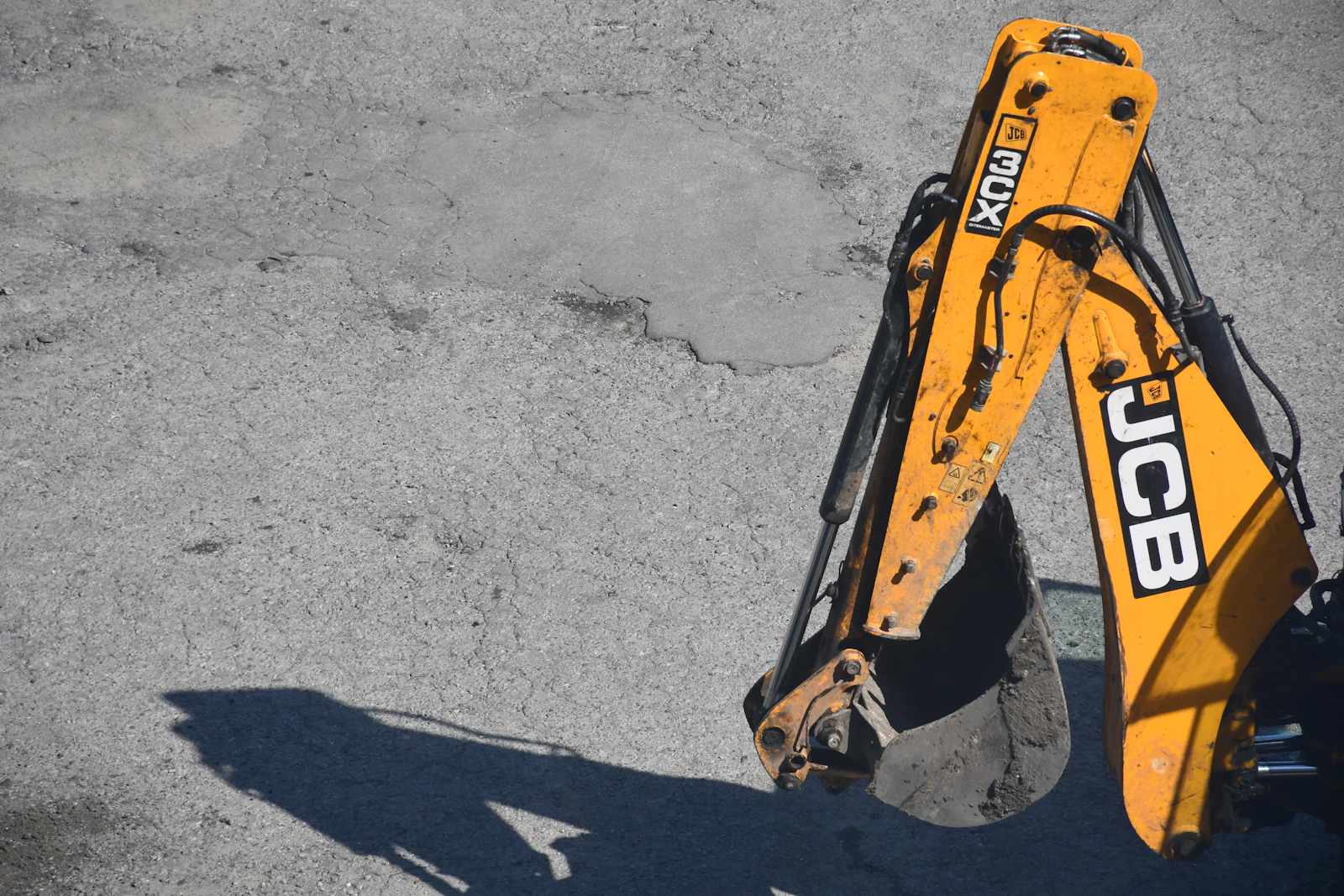
Backhoe Loader Rental Rates Sacramento 2026
For Sacramento trenching and backfilling work in 2026, plan backhoe loader equipment hire budgets around $325–$650/day, $1,100–$2,000/week, and $2,800–$4,800 per 4-week month for a typical 80–100 hp class machine with standard front bucket and rear digging bucket, assuming one-shift usage (8 hours/day, 40 hours/week, 160 hours/4 weeks) and normal wear. Published reference points show how wide real-world pricing can be: one regional rate card lists a 90–99 hp backhoe loader at $500/day, $1,250/week, $2,750/month, while another published price list shows $320/day and $1,200/week for a backhoe loader (equipment/configuration may vary). In Sacramento, your final hire cost typically swings more on delivery timing, meter-hour policies, buckets/attachments, and return condition than on the base rate alone—especially when you’re coordinating utility trenching, spoils management, and backfill compaction across multiple mobilizations. National providers (e.g., United Rentals, Sunbelt Rentals, Herc Rentals) and strong local independents can all pencil competitively; for estimators, the key is locking assumptions (shift hours, off-rent rules, and accessories) into the PO scope early.
| Vendor |
Daily Rate |
Weekly Rate |
Review Score |
Website |
| United Rentals |
$525 |
$1 350 |
8 |
Visit |
| Sunbelt Rentals |
$500 |
$1 300 |
9 |
Visit |
| Herc Rentals |
$510 |
$1 325 |
9 |
Visit |
| Holt of California (The Cat Rental Store) |
$475 |
$1 200 |
9 |
Visit |
| H&E Equipment Services (H&E Rentals) — Sacramento |
$495 |
$1 275 |
8 |
Visit |
What Drives Backhoe Loader Hire Costs For Trenching And Backfilling In Sacramento?
Backhoe loader hire costs for trenching and backfilling are usually driven by time on rent (calendar days vs. billed shifts), meter hours, and jobsite logistics. Sacramento-specific considerations that regularly add cost (or prevent avoidable charges) include: (1) delivery access and windows around downtown/Capitol-area congestion and site gates; (2) dust control requirements during dry months (water truck coordination, fines risk, and extra cleaning time); and (3) soil conditions—Sacramento-area clays and wet-season saturation can increase tire rutting, recovery risk, and cleaning/undercarriage labor at return.
Rate Assumptions Estimators Should State On The PO
Before you compare quotes, write the assumptions into the PO notes so billing matches the estimate. For many rental programs, the “basic daily/weekly/4-week” rates generally align to one-shift use (commonly 8 hours/day, 40 hours/week, 160 hours/4 weeks). If you run overtime, extra billed hours can be assessed using a fraction of the base rate (e.g., 1/8 of the daily, 1/40 of the weekly, 1/160 of the 4-week rate for each additional hour), plus taxes and any program surcharges.
- Shift definition: Clarify if your site runs 10-hour days. A “standard” day at 8 hours means 2 extra hours/day may bill as overtime unless you negotiate a two-shift rate.
- Weekend/holiday billing: Confirm whether Saturday/Sunday are billed as full days when equipment remains on site, even if idle.
- Off-rent cutoffs: Ask for the branch’s cutoff time (commonly same-day early afternoon) to stop billing; missing it can add 1 extra day.
- Minimum rental term: Many branches enforce a 1-day minimum and/or charge a higher “daily” if you return inside 4 hours (some local lists explicitly publish a 4-hour rate).
Backhoe Loader Size And Spec Choices That Change Hire Cost
For trenching and backfilling, backhoe loader pricing is not just “a backhoe is a backhoe.” These spec choices change hire cost and productivity (which changes total cost):
- Horsepower/class: Budget at the low end for lighter units and at the high end for 90–100 hp with 4WD, extendahoe, and higher breakout.
- Extendahoe / extra dig depth: Often priced in the top tier; it can avoid repositioning and reduce trench time by 10%–25% on long utility runs.
- 4WD vs 2WD: Sacramento winter mud and shoulder work can justify 4WD to reduce stuck events and recovery charges.
- Enclosed cab: Typically higher base rate; can be worth it in Sacramento summer heat and for dust exposure control.
Attachment And Bucket Adders (Common For Trenching And Backfilling)
Attachment availability is where many backhoe loader rental quotes diverge. In 2026 planning ranges for Sacramento, typical adders (not base rent) you should carry in the estimate include:
- Trenching bucket swap (e.g., 12 in / 18 in / 24 in): $25–$75/day depending on width and tooth condition.
- Cleanup / grading bucket (wide ditching): $35–$95/day if treated as an accessory line item.
- Hydraulic thumb (if equipped/available): $40–$110/day (often limited inventory).
- Auger drive + bit: $120–$250/day for the drive plus $25–$60/day per bit size.
- Hydraulic breaker (hammer): commonly not the best pairing on a backhoe vs. excavator, but if required for small demo, carry $250–$650/day plus a wear/bushing allowance.
Also budget for consumables that can be billed at return: worn teeth/missing pins, cutting edges, and damaged bucket side cutters. A practical field allowance is $75–$200 per rental for “wear parts risk,” higher if you expect rock or concrete contact.
Delivery, Pickup, And Mobilization Charges In Sacramento
Delivery and pickup is frequently the largest “non-rate” component for backhoe loader equipment hire in Sacramento—especially for short terms. Typical 2026 planning allowances:
- Local delivery + pickup package: $180–$450 within a normal metro radius, assuming standard business hours.
- Per-mile trucking (when applied): $4.50–$8.00/mile billed one-way or round-trip depending on branch policy and distance outside core service.
- Minimum trucking charge: often $150–$250 even for nearby sites.
- Jobsite wait time / redelivery: carry $95–$165/hour if the driver can’t access the drop zone (locked gate, no spotter, trench plates blocking).
- After-hours or weekend delivery window: add $150–$300 for nonstandard dispatch.
Sacramento operational note: if you’re working near active traffic corridors, plan for a defined delivery window and a spotter. A missed window can easily trigger 1 redelivery plus a lost half-day of production—more expensive than the rate difference between suppliers.
Hidden-Fee Breakdown (What Rental Coordinators Actually Get Billed)
Even when the backhoe loader base rate is competitive, invoices often grow due to program charges and return-condition items. Common line items to expect and pre-authorize (or negotiate out) include:
- Damage waiver / rental protection: commonly 10%–18% of time-and-material rental charges (and sometimes accessories), with exclusions for negligence and certain losses.
- Environmental / emissions surcharge: may appear as a separate percentage or program fee (supplier-specific).
- Preventative maintenance (meter-hour) charges: some programs apply $1–$6 per operating hour billed monthly, typically aligned to 160-hour assumptions and then trued-up.
- Fuel / refuel: if returned below agreed level, carry $5.50–$7.50/gal (diesel) plus a service fee (commonly $25–$75).
- Cleaning: for excessive dirt/mud/concrete, carry $85–$275 depending on severity; suppliers explicitly reserve the right to charge cleaning when returned excessively dirty.
- Missing/damaged keys or transponders: allowance $50–$250 plus admin and/or recovery fees.
- Late return: commonly 1/8 of the daily rate per hour beyond the shift limit (or an additional full day if past cutoff).
Example: Sacramento Trenching And Backfilling Cost Scenario (With Real Constraints)
Scope: 300 linear feet of 24-inch-deep trench for conduit, spoils staged on site, then backfill and rough grade. Schedule: Thursday–Monday with inspection on Monday afternoon. Constraints: Downtown gate access only 7:00–9:00 AM for delivery; no weekend work allowed on-site, but equipment can remain staged.
- Base hire: plan a weekly backhoe loader rate of $1,100–$2,000 (2026 Sacramento planning range).
- Delivery/pickup: $250 package assumed, plus $125 after-hours dispatch because the only acceptable pickup is after 4:30 PM to avoid blocking the dock.
- Bucket adders: 18-inch trenching bucket at $45/day for 5 billed days = $225.
- Weekend billing risk: even if idle Saturday/Sunday, you may still be billed calendar days unless the supplier bills strictly by shift—confirm up front to avoid a surprise 2-day add.
- Cleaning allowance: because spoils are wet clay after rain, carry $150 for pressure-wash/undercarriage clean at return to avoid a vendor cleaning line item.
- Overtime risk: if you run 10-hour days Thursday and Friday, those 4 extra hours total may bill as overtime unless two-shift terms are negotiated.
Estimator takeaway: in this scenario, “extras” (delivery constraints + bucket + cleaning + overtime risk) can add $750–$1,200 to the cost even before you consider damage waiver percentage—often more than the spread between competing base rates.
Budget Worksheet (Backhoe Loader Equipment Hire)
Use the following line items as a practical, bid-ready structure (edit quantities and days to match your schedule):
- Backhoe loader hire (base): ___ days at $___/day or ___ weeks at $___/week (carry range $325–$650/day; $1,100–$2,000/week).
- Delivery + pickup: allowance $180–$450 (add mileage if outside core Sacramento radius at $4.50–$8.00/mile).
- Trenching bucket adder: allowance $25–$75/day.
- Cleanup/grading bucket: allowance $35–$95/day.
- Damage waiver / protection: allowance 10%–18% of rental charges.
- PM/meter-hour charges (if applicable): allowance $1–$6/hour for operating hours beyond base assumptions.
- Fuel/refuel: allowance $75–$250 (or specify “return full”).
- Cleaning/undercarriage wash: allowance $85–$275.
- Wear parts risk (teeth/cutting edge): allowance $75–$200.
- Standby/redelivery/wait time: allowance $95–$165/hour (carry 1–2 hours if access is tight).
Rental Order Checklist (PO, Delivery, Off-Rent, Return)
- PO details: equipment class (hp), 2WD/4WD, cab/open, extendahoe yes/no, bucket sizes (front and rear), tire type/condition expectations.
- Billing terms: confirm shift hours (8/40/160), overtime method, weekend/holiday billing, off-rent cutoff time, and minimum rental term.
- Delivery coordination: jobsite address + drop point GPS pin, gate codes, delivery window, spotter contact, ground bearing/access notes, and truck staging plan.
- Site compliance: dust-control plan, spill kit expectations, and any site-specific equipment inspection documentation needed at check-in.
- Condition at delivery: photos of meter hours, bucket teeth, glass, lights, tires, and existing dents; document fuel level.
- Return readiness: remove spoils from steps/engine bay, wash mud from undercarriage, return with agreed fuel level, and provide return photos + off-rent confirmation number.
How To Compare Quotes Without A Vendor Table
When you’re comparing backhoe loader equipment hire quotes for Sacramento trenching and backfilling, normalize every quote to the same assumptions:
- Same term basis: compare all suppliers on weekly or 4-week terms (don’t compare one “daily” against another “weekly”).
- Same accessories: ensure trenching bucket size, coupler, and any thumb/auger needs are included or explicitly excluded.
- Same trucking scope: confirm whether delivery/pickup is included, flat-rated, or mileage-based; confirm redelivery and wait time rates.
- Same protection model: damage waiver percentage and exclusions can change expected cost materially.
- Same return-condition expectations: clarify cleaning threshold and refuel pricing.
Planning note: Sacramento 2026 pricing will still move with fleet availability, construction seasonality, and trucking capacity. Use the ranges above for budgeting, then firm up your quote 7–14 days prior to mobilization when you can lock delivery windows and exact accessories.
How Sacramento Job Conditions Change Backhoe Loader Equipment Hire Costs
Even with a strong base rate, Sacramento operations can push your effective hire cost up or down based on how the backhoe loader is used and how well the rental is administered. The biggest controllable variables are avoidable billed days (late off-rent calls, weekend billing surprises), avoidable trucking (redelivery and wait time), and avoidable return charges (fuel and cleaning). Below are practical levers that estimators and rental coordinators can use to keep trenching and backfilling packages on budget.
Off-Rent Rules, Cutoffs, And “Idle Days”
For trenching and backfilling, you often need the backhoe loader in short bursts (dig, set spoils, backfill, rough grade), which creates a common cost trap: the machine sits idle on site while you wait for inspection, utility locates, or backfill material delivery. To reduce idle billing:
- Split-term strategy: If you truly only need the machine for 2 days, don’t accept a quote that effectively bills 5 calendar days due to weekend rules—negotiate a “workweek” rate basis or schedule pickup before the weekend cutoff.
- Proactive off-rent calls: Make the off-rent call the moment the last backfill pass is complete; missing cutoff can add 1 full day.
- Meter-hour discipline: If your program has a meter-hour/PM charge (carry $1–$6/hour when applicable), avoid letting the machine idle at high RPM for dust control or hydraulic warmup longer than needed.
Delivery Window Planning And Trucking Cost Control
Sacramento branches can usually cover the metro area efficiently, but costs rise when delivery windows are narrow or access is constrained. Practical controls:
- Standardize the window: If you can accept delivery any time between 8:00 AM–2:00 PM, you’re less likely to pay for special dispatch than if you demand a 30-minute arrival slot.
- Avoid redelivery: A single failed delivery can trigger $95–$165/hour wait time plus a second mobilization; carry at least $250 contingency if access is uncertain.
- One truck, multiple drops: If your project has multiple trench segments, consider sequencing so one truck run supports 2 drops the same day, rather than paying two separate minimum trucking charges (often $150–$250 each).
Fuel, Cleaning, And Return-Condition Documentation
Backhoe loader returns for trenching/backfill often come back muddy, especially in Sacramento’s wet season. To avoid invoice surprises:
- Fuel: If you don’t have on-site fueling, plan a refuel allowance. A realistic invoice exposure is $5.50–$7.50/gal plus $25–$75 service/handling.
- Cleaning threshold: If you’re trenching in wet clay, schedule a wash before pickup. Carry $120 for an on-site wash or $85–$275 if you expect the supplier to bill cleaning.
- Photo set: Require a return photo set (left/right, buckets, tires, meter, fuel) to close out disputes within 48 hours of pickup.
Insurance, Damage Waiver, And Risk Allowances
From a trade/rental management perspective, decide whether you are carrying risk internally (your insurance) or via the supplier’s damage waiver/protection plan. In estimating, it’s safer to carry a damage waiver allowance of 10%–18% unless your corporate program excludes it. Then add job-specific risk allowances:
- Underground risk: If you’re trenching near existing utilities, budget a spotter/hand-dig exposure; a single incident can dwarf rental savings.
- Stuck/recovery risk: In soft shoulders, carry a recovery allowance of $300–$900 (tow + downtime) if you can’t improve access with mats.
- Tire damage: Street work with debris can create a $250–$600 tire repair/replacement exposure depending on size and sidewall damage.
When A Compact Excavator (Plus Loader) Can Beat A Backhoe Loader On Hire Cost
For some Sacramento trenching and backfilling scopes, a compact excavator plus a skid steer/track loader can be cheaper overall than a single backhoe loader—despite two pieces of equipment—because you gain cycle efficiency and reduce repositioning. That said, from a pure equipment hire cost standpoint you must consider:
- Two mobilizations: you may pay 2 delivery minimums (e.g., two times $150–$250).
- Two damage waivers: 10%–18% applied to two rentals.
- Higher utilization efficiency: if it reduces billed days from 5 to 3, the net cost can still win.
2026 Sacramento Budgeting Guidance (How To Use The Ranges)
Use these quick rules for 2026 planning ranges on backhoe loader equipment hire costs in Sacramento:
- Short duration (1–2 days): your total cost is usually dominated by trucking; carry $180–$450 delivery/pickup plus a $150 redelivery/wait-time contingency.
- Week-long trenching package: focus on overtime/shift rules and bucket adders; overtime exposure can be 1/8 of daily rate per extra hour depending on terms.
- 4-week civil scope: clarify meter-hour assumptions (160 hours/4 weeks) and PM charges ($1–$6/hour where applicable), then manage idle time tightly.
Procurement Notes For Sacramento Trenching And Backfilling POs
- Specify “ready-to-dig” configuration: correct rear bucket width, front bucket type, and coupler type (pin-on vs quick coupler).
- Document delivery condition: meter, fuel, existing damage; aim to close any disputes inside 24 hours of delivery.
- Confirm support: same-day field service availability can prevent a 1-day downtime slip that effectively adds another billed day.
- Define return condition: “returned broom clean and free of excessive mud,” and “return fueled to delivery level” to reduce discretionary charges.
If you want, share your expected rental term (number of days/weeks), whether the site is inside the Sacramento core or outlying, and the trench bucket size. I can turn the ranges above into a tight, line-item allowance set for your estimate and PO notes (still vendor-neutral).