

For construction professionals in Detroit, converting a bathtub to a shower can range from $1,796–$2,744. Key components include demolition ($50–$600), plumbing upgrades ($300–$2,400), and waterproofing systems ($3–$8 per sq ft). These figures reflect Q2 2026 averages and can vary based on specific project requirements.
Detroit's diverse housing stock presents unique challenges for bath to shower conversions. Homes from different eras feature mixed plumbing materials, varying wall thicknesses, and potential hidden moisture damage. CountBricks' AI tools ensure accurate assessments and compliance with Detroit's building codes.
1. Voice Consultation: Describe your project through our app. Our AI captures every detail.
2. AI Blueprint Takeoff: Upload drawings or scans for precise measurements.
3. Real-Time Pricing: Access current Detroit labor rates and material costs.
4. Instant Proposal: Receive a detailed estimate and adjust options in real-time.
5. Construction Scheduled: Approve and track your project online.
Consider zero-entry pans for accessibility, large-format tiles for a modern look, and matte black fixtures to match Detroit's industrial style. These choices can enhance both functionality and resale value.
CountBricks manages all necessary permits and inspections, ensuring compliance with local regulations and reducing project delays.
A recent project in Corktown involved converting a 1910 Craftsman bathroom to improve accessibility. The project was completed 8% under budget, showcasing CountBricks' efficiency and expertise.
CountBricks offers AI-accurate estimates, experienced local crews, and integrated project management tools, ensuring a seamless conversion process.
Visit CountBricks.com to schedule a consultation and receive your personalized estimate today.
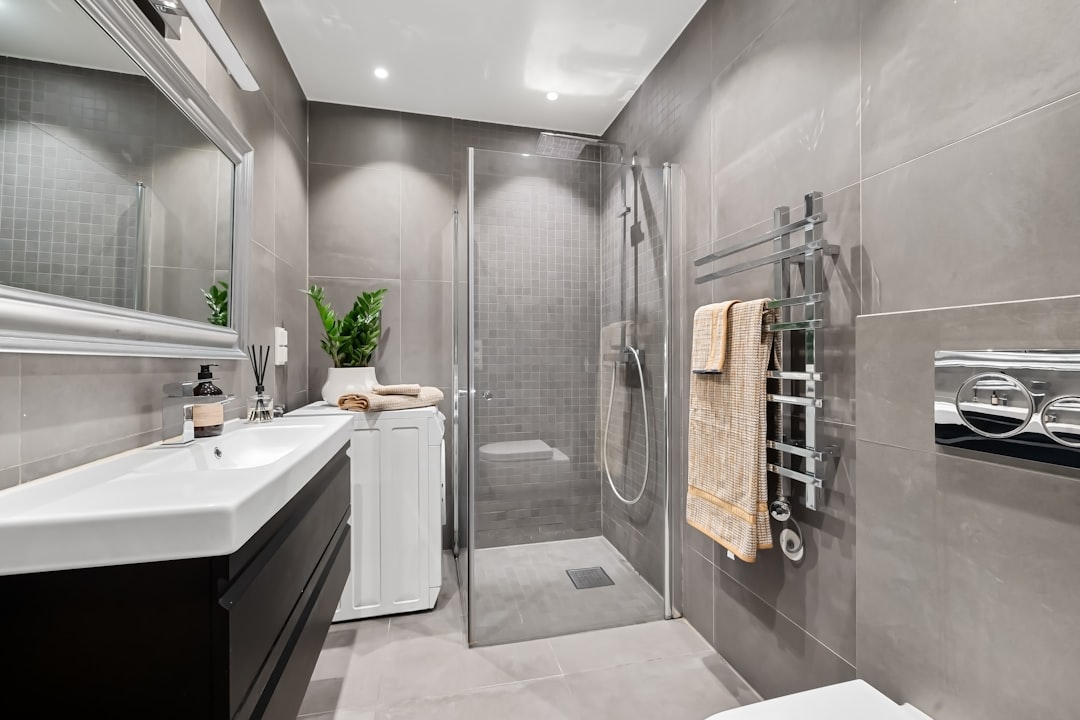
Understanding material costs helps prioritize features. Porcelain tiles offer a custom look at $3–$20 per sq ft per square foot, while solid-surface panels can reduce labor time.
Center drains may require structural adjustments, while linear drains offer a sleek design but add hardware costs.
Standard 3/8" glass is common, but 1/2" panels require reinforced support. Matte black and brushed brass finishes are popular in Detroit, adding to the aesthetic appeal.
Retain existing valves if possible, choose larger tiles to reduce labor, and bundle lighting upgrades to save on permit fees.
Download a sample scope from CountBricks.com and explore how our AI can streamline your project planning.
