

Access to over 40 high-definition channels in Portland, Maine, offers a cost-efficient asset for construction planning. Beyond entertainment, it enables precise antenna installations aligned with regional signal terrains, turning channel listings into essential data for accurate material counts and labor estimates. Typical costs for antenna installation range from $300–$900 per opening, depending on the complexity and materials used.
Cost-efficient Entertainment: Installing an antenna avoids ongoing streaming costs, critical for budget-conscious projects.
Emergency Reliability: Over-the-air signals provide critical local alerts when internet services are unreliable.
Enhanced Signal Clarity: Portland's channels are clearer due to the FCC's 5G reallocation, making them crucial for modern construction.
Transform channel data into scope documents, assessing precise material needs and estimating labor hours using current regional rates.
Seamlessly integrate PDF markups into current estimates with procedures for marking media walls and conduit route plans.
Provide clients with detailed savings projections, including enhancements like Boston signal rotators for flexibility.
Adapt to varying signal strengths, focusing on local elevations, especially inland.
Using marine-grade materials ensures coastal constructions meet durability standards.
Early listing integration allows for efficient pre-drywall cabling, potentially reducing labor costs by 4-6 hours per project.
Implement ATSC 3.0 and Cat-6 integrations for a comprehensive smart home setup.
• Materials: $425 (antenna, mast, amp, RG-6, hardware)
• Labor: 9 crew-hours @ $50–$130/hr = $612
• Permitting & inspection: $85
Total: $1,122
These updated figures ensure market accuracy, reflecting real-time data.
Explore custom mounting solutions maintaining budget control to enhance historic properties without compromising value.
Discover more services at CountBricks.com.
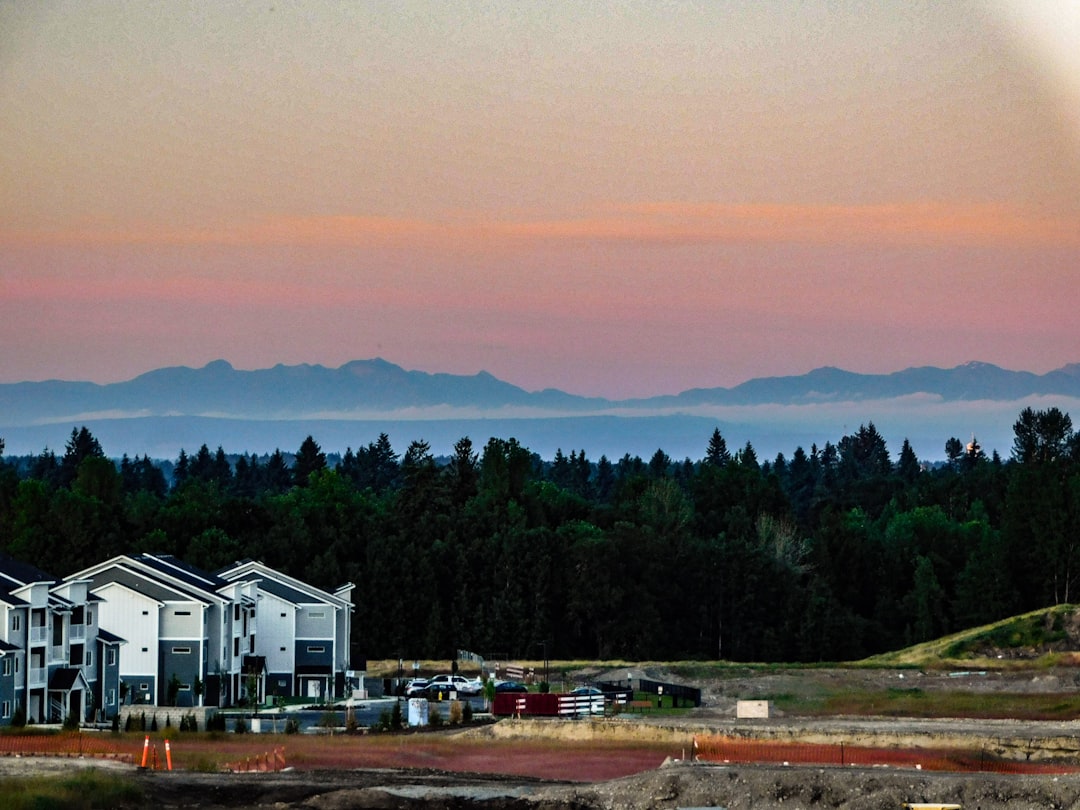
Leverage CountBricks AI to optimize antenna setups, ensuring superior reception accuracy for construction builds.
• Verify amplifier settings against broadcast distances for optimal gain.
• Position RG-6 alongside insulation to prevent moisture damage.
• Utilize corrosion-resistant kits in coastal projects for extended durability.
• Plan attic walkways early to ease installation complexities.
• Coordinate inspections with electrical rough-in for efficient scheduling.
Simulate signal scenarios to recommend mounting solutions that balance aesthetics and efficiency.
Explore media integration from project initiation at CountBricks.com.
