

Efficient carpet cleaning is crucial in residential construction projects, ensuring smooth transitions from job sites to finished properties. In 2026, professional carpet cleaning costs typically range from $400–$600 per 2,000 sq ft project, depending on the services utilized. Leveraging data-driven cleaning methods can help maintain profit margins and adhere to project timelines.
• Minimize warranty callbacks due to dust damage
• Enhance client satisfaction by eliminating odors
• Prevent project delays by reducing the need for re-cleans
• Mitigate the risks associated with costly carpet replacements
Employing a structured cost approach aligns with project goals, ensuring quality without budget overruns.
Utilizing local labor rates and specific project parameters provides transparent pricing. Key services include:
1. Begin with a session to assess project requirements.
2. Measure carpeted areas for precise square footage calculations.
3. Generate cost tiers from local providers.
4. Export detailed specifications into RFQs.
5. Use scope sheets for consistent bidding.
• HEPA vacuum: $0.20–$0.30 per sq ft • Total: $400
• Encapsulation cleaning: $0.20–$0.30 per sq ft • Total: $600
• Spot treatment: • Amount: $75
• Dryer fans cost per day: $60
Budget Estimate: $600
Adjustments automatically update to reflect market trends.
Visit CountBricks.com for full-service support to ensure efficient, predictable cleaning costs.
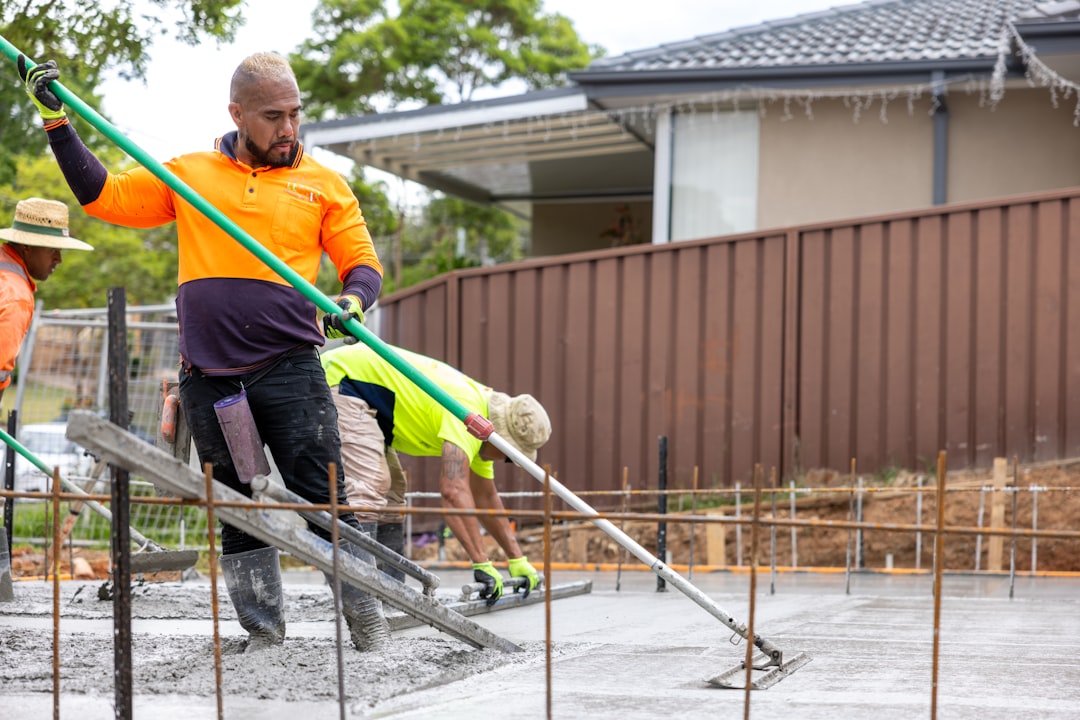
A regional developer harnessed the expertise of CountBricks for improving post-construction cleaning in a 20-home subdivision, addressing common budget and timeline challenges.
• Diverse layouts leading to complex estimates.
• Volatile labor costs due to market dynamics.
• Incorporating allergy-safe materials required careful planning.
1. On-site specifications were captured using Bluetooth technology.
2. Real-time pricing adjustments adhered to budget constraints.
3. Integration of allergy-safe measures boosted client approval ratings.
• Average carpet cleaning cost: $600, resulting in a 9% savings.
• 100% on-time project delivery.
• Increased homeowner satisfaction scores.
• Include cleaning costs early in project planning.
• Utilize dynamic data to swiftly respond to market changes.
• Ensure meticulous record-keeping for transparency and learning.
For further insights, visit CountBricks.com.
