

For site grading in Nashville, 2026 budgeting for bulldozer equipment hire (dry hire only, no operator, no fuel) typically lands in the $319–$1,106/day, $1,216–$4,454/week, and $3,706–$12,742/month range depending on machine class (small 40–90 HP vs. mid-size 105–200 HP vs. large 300+ HP), undercarriage configuration (standard vs. LGP), and included attachments (PAT/6-way blade, ripper, winch). Nashville availability and transport logistics can move pricing materially—especially for last-minute mobilizations and downtown delivery windows. Most contractors source from national yards (United Rentals, Herc/H&E, Sunbelt) plus regional dealer rental stores and independents around the Nashville/La Vergne/Smyrna corridor, then lock in the all-in cost with a written quote that spells out off-rent timing, cleaning expectations, and transport billing.
| Vendor | Daily Rate | Weekly Rate | Review Score | Website |
|---|---|---|---|---|
| United Rentals | $850 | $2 550 | 9 | Visit |
| Sunbelt Rentals | $825 | $2 475 | 9 | Visit |
| Herc Rentals | $800 | $2 400 | 9 | Visit |
| Thompson Machinery (The Cat Rental Store) | $950 | $2 850 | 9 | Visit |
| Woods Equipment Co. | $900 | $2 700 | 8 | Visit |
Bulldozer hire is rarely “rate × days.” For grading scopes, the biggest cost swings come from (1) matching the dozer to the cut/fill and soil conditions, (2) how quickly you can complete rough grade and then off-rent without weekend overbill, and (3) transport and surcharges that often invoice as separate lines. Plan your estimate around the three buckets below—machine class, time/billing rules, and jobsite logistics—then add explicit allowances for hidden fees (delivery, waiver/RPP, cleaning, fuel, after-hours).
Cross-check for estimating: published municipal and rate-guide documents commonly show D3/D5/D6-class dozers pricing in the same general order of magnitude (e.g., D4 LGP and D6 variants quoted in the hundreds to low-thousands per day depending on class), which is useful when you need a sanity check for procurement packages or T&M caps.
For Nashville grading, picking the “right” dozer can reduce total hire cost even if the daily rate is higher. A slightly larger or better-configured unit often finishes in fewer billed days, and fewer billed days is the only lever that reliably offsets transport and weekend billing.
After rain, Nashville-area clay soils can turn a standard-track machine into a rutting/cleanup problem. If your subgrade is moisture-sensitive, an LGP (low ground pressure) configuration may reduce rework but typically carries a rate premium. In 2026 planning, carry an allowance of +$75–$250/day for LGP vs. standard (varies by class and availability). Also budget for more stringent return condition documentation on LGP machines; some rental houses scrutinize track wear and pad condition more closely on specialty undercarriages.
For finish and transition work, a PAT/6-way blade frequently reduces time on grade stakes. If your site grading spec requires tighter tolerance, you may save days even if the machine is priced higher. If you need machine-control-ready (wired) units, budget +$150–$300/day for “ready” configuration and $250–$600/week if the rental package includes hardware; confirm whether the grade control itself is included or provided by your survey/technology vendor.
Rippers and winches are common adders that change hire cost and transport weight. For estimating, carry +$50–$150/day for a multi-shank ripper and +$100–$200/day for a winch (where available). If you anticipate limestone or demolition debris in the cut, it’s often cheaper to pay the ripper adder than to burn days stalling production.
Many large rental programs price dozers on a one-shift basis. A common structure is 8 hours/day, 40 hours/week, and 160 hours per 4-week period, with excess use billed at an hourly fraction of the base rate (for example, 1/8 of the daily charge per extra hour on a daily rental, 1/40 on weekly, and 1/160 on 4-week rentals). For a grading crew running extended days to beat weather, these overtime rules can add meaningful cost if you exceed the included shift. Build your estimate using planned seat hours, not just calendar days.
Nashville operations note: delivery corridors (I-24/I-40/I-65) and downtown congestion can push drop/pick windows into after-hours. When a vendor can’t retrieve the machine until Monday, the weekend may still bill—so plan off-rent timing early (often a 2:00–4:00 PM call-in cutoff is used in practice) and avoid scheduling returns that rely on Friday afternoon dispatch.
For crawler dozers, lowboy transport is typically mandatory and is priced separately from the rental rate. In planning, treat mobilization as its own cost item and assume two moves (delivery + pickup). Depending on the vendor program and region, you may see a base “each way” charge plus loaded mileage; one published contract schedule shows $160.69 each way + $4.19 per loaded mile for transport as an example structure. Even when your local Nashville quote uses different numbers, the shape of the cost is similar: base charge + mileage + surcharges.
Also budget for transport-related surcharges. Some national programs apply a transportation surcharge composed of a fixed percentage plus a fuel-variable component; one published example shows a fixed component of 12% (or $12 minimum) and an illustrative combined surcharge of 22% (or $22 minimum) depending on the fuel index used that month. In other words, even if you negotiate delivery, you may still see a surcharge line on the invoice.
For equipment hire, your administrative readiness affects cost because it affects lead time and availability. Some dealer rental stores require certificate of insurance with at least $1,000,000 coverage plus credit approval and photo ID before releasing the machine. If your COI isn’t acceptable on short notice, you can lose a day (and pay for idle equipment on the schedule).
Most contractors either (a) provide property insurance that meets the rental agreement requirements, or (b) purchase an optional rental protection plan/damage waiver. One published RPP example shows a fee of 15% of gross rental charges and caps certain repair/replacement responsibility to $500 or 10% of the repair cost per item (whichever is less), subject to terms and exclusions. Even if your Nashville vendor uses different caps, using 15% as a planning allowance for waiver/RPP is a practical starting point for 2026 estimates.
1) Rain-driven utilization swings: Spring storms can create stop/start grading cycles. If you keep the dozer on rent while waiting for dry-out, your effective cost per productive hour spikes. Consider a shorter initial term (week-to-week) until moisture conditions stabilize, then convert to a 4-week term when you can keep utilization near the included 40 hours/week.
2) Downtown and tight sites: Limited laydown space increases the chance you’ll need a smaller dozer plus support equipment (skid steer for cleanup) rather than a single large unit. That can increase total line items but reduce rehandling and double-moves. Expect stricter delivery appointment windows and potential standby time for lowboy unload if access isn’t ready.
3) Heat and dust control in summer: If you’re grading near occupied facilities, you may be required to implement dust suppression. Budget for a water truck or hydrant meter and plan that the dozer may return with heavy clay buildup if watered aggressively—raising cleaning risk.
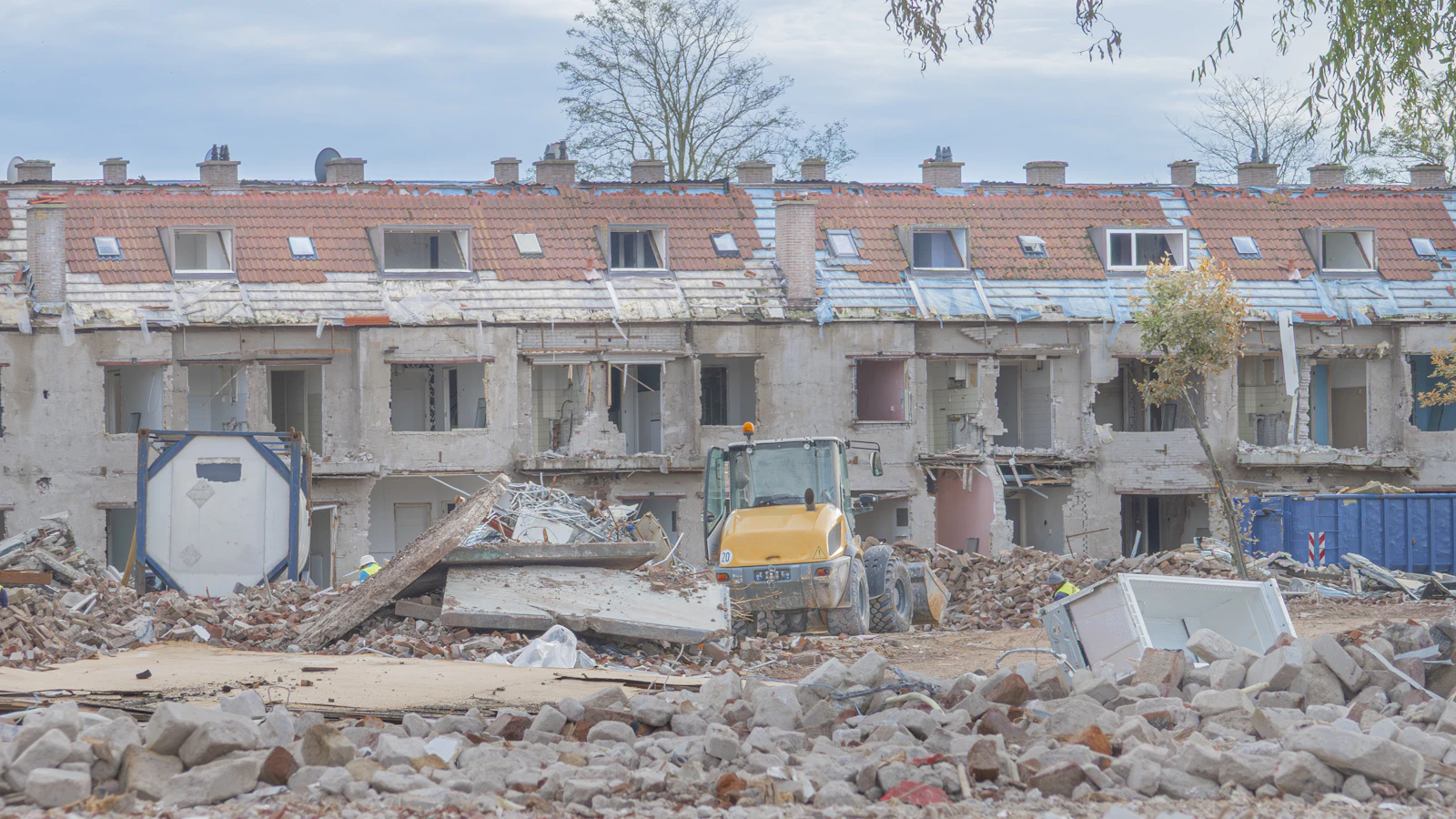
Scenario: 3.0-acre commercial pad in Southeast Nashville. Soil is wet clay after rain; access is tight; trucking is scheduled for Monday. You decide on a mid-size dozer with PAT blade and ripper for production, plus LGP to limit rutting.
Estimated all-in (planning): $3,372 + $1,500 + $750 + $1,300 + $286 + $506 + $300 + $411 = $8,425, before tax and any over-shift. If you run two late days and add 4 extra hours beyond one shift at a 1/40 weekly style overage (or equivalent), the incremental cost can be material—so track seat hours daily and manage production to the included 40 hours/week whenever possible.
For grading, the rental coordinator’s goal is to eliminate invoice surprises by forcing clarity on billing boundaries and return condition. When you request quotes, ask for a single written response that includes: (1) the exact model class (e.g., D3/D5/D6 class), (2) included attachments, (3) included shift hours, (4) delivery and pickup pricing method, and (5) off-rent policy and cutoff time. If the vendor can’t commit to pickup timing, assume weekend/holiday carryover and include it in your estimate as contingency.
These controls are practical levers that reduce dozer hire spend without compromising production:
Bulldozer hire cost is also a compliance cost. Missing paperwork, inadequate insurance certificates, or unclear responsibility for damage can create schedule delays and unplanned charges. Some dealer rental stores explicitly call out COI requirements (including $1,000,000 coverage minimum) before release. Build that lead time into your procurement plan, especially when you need a dozer delivered on short notice to recover schedule after rain.
If you opt into an RPP/waiver structure, treat it as a contractual limitation (not insurance) and confirm your internal incident process: jobsite security requirements, documentation expectations, and reporting timeline. One published RPP example includes 15% fee language and a $500 or 10% cap concept, but exclusions still apply and negligence can void coverage—so your field controls (keys removed, secure site, competent operator) still matter.
For 2026 planning, assume dozer availability tightens when multiple civil packages overlap (subdivisions, roadwork, and commercial pads) and when weather compresses grading windows. In that environment, the cost you can control is not the posted day rate; it’s term discipline (weekly vs. 4-week), utilization (staying within the included 8/40/160 shift framework), and transport efficiency (avoid swaps and double-moves). Where you need a benchmark, published rate sheets for comparable dozer classes show that daily rates can range from the mid-hundreds to well over a thousand depending on size and configuration—reinforcing why correct sizing and schedule control are the primary cost levers.
