

Concrete form rental cost is not one interchangeable number. A quote for reusable wall panel formwork is different from slab formwork, shoring, scaffold-supported work, column forms, insulated concrete form scopes, specialty curved panels, or a packaged forming system. Use the examples below as planning ranges only, then confirm the units, system design, accessories, delivery, return condition, and rental period with the rental provider and project team.
For comparable wall-panel planning, this article keeps the Houston-oriented historical examples of $0.30-$0.45 per sq. ft. per day for plywood forms and $0.50-$0.75 per sq. ft. per day for modular steel forms. It also keeps $8-$12 each per day for specialty curved panels as a non-comparable panel/day example. These are not current verified national rates, and they should not be used as a supplier quote without local confirmation.
The prior insulated concrete form block price is excluded from the reader-facing rate examples. Manufacturer pages reviewed describe ICF products as form blocks or wall assemblies and describe temporary alignment systems separately, so an ICF scope should be quoted as its own material, accessory, and temporary alignment/bracing package when applicable instead of being compared to reusable panel rental rates.
| Cost input | What to confirm | Why it changes the price |
|---|---|---|
| Formwork type | Reusable wall panels, slab/deck formwork, shoring, column forms, insulated concrete form scope, specialty curved panels, or a packaged system | Different systems may price by face area, panel, component, material package, or job package. |
| Measured quantity | Face area, panel count, pour height, corners, openings, lifts, reuse cycles, and waste or standby allowance | The cheapest unit rate can lose value if the layout needs more pieces or longer rental time. |
| Accessories | Ties, wedges, clamps, walers, strongbacks, braces, corners, fillers, hardware, release agent, embeds, and temporary alignment equipment | Accessory omissions can make a panel-only price look lower than the job-ready package. |
| Rental period | Start date, delivery date, pour schedule, stripping date, pickup date, minimum term, weekend rules, and overrun rates | Schedule slips can turn a low daily price into a higher total rental cost. |
| Logistics | Delivery, pickup, freight zone, unloading equipment, crane or forklift time, storage, and return staging | Heavy panels and shoring systems often carry jobsite handling and transportation costs. |
| Return condition | Cleaning expectations, concrete buildup, missing parts, damaged panels, and replacement charges | End-of-rental charges can exceed the difference between two quoted day rates. |
| Design support | Provider layout, engineered drawings, field support, inspection responsibilities, and project engineer review where required | Structural formwork scope is not a DIY price table; support and design responsibilities must be clear. |
Compare concrete form rental quotes by total installed scope rather than one headline rate. A useful comparison shows the form system, measured quantity, accessory list, minimum rental period, overrun terms, delivery and pickup charges, cleaning and damage rules, and who is responsible for layout, bracing, inspection, and removal timing.
If one quote includes engineered drawings, field support, and a complete accessory package while another lists panels only, the panel-only price is not necessarily cheaper. Ask each provider to identify exclusions before converting a quote into a client estimate.
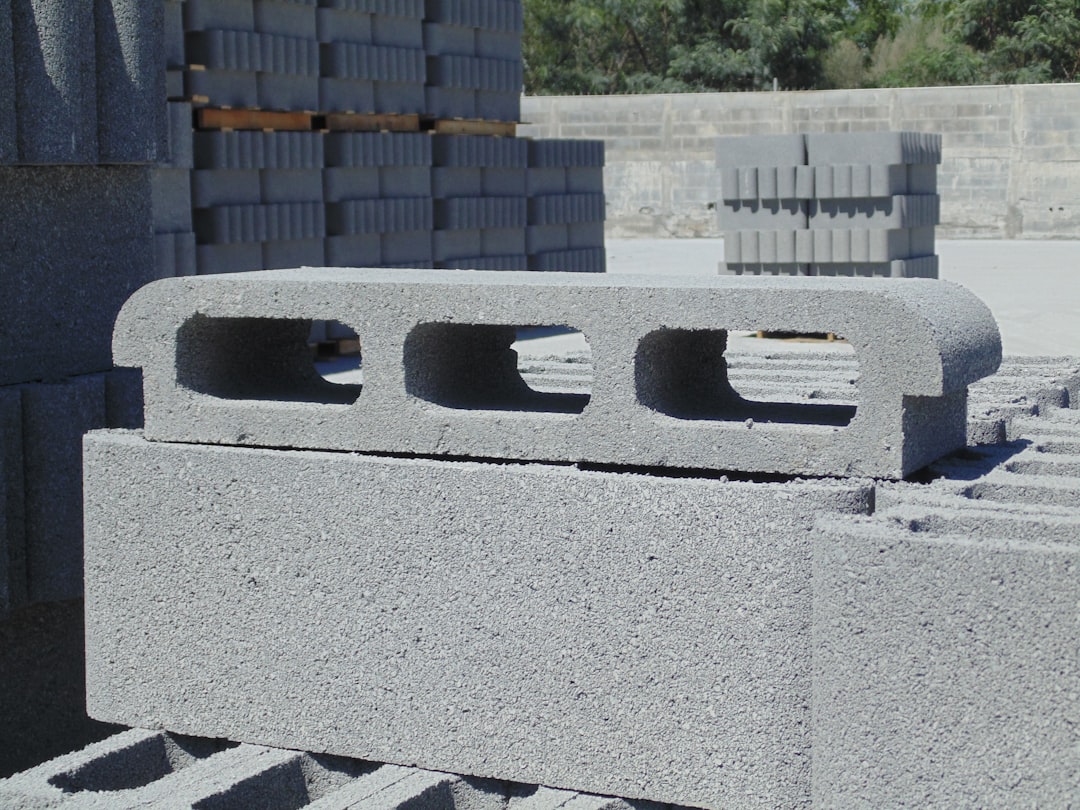
Concrete form rental cost planning is not a substitute for formwork design. OSHA 1926.703 requires formwork to be designed, fabricated, erected, supported, braced, and maintained to support anticipated vertical and lateral loads, with drawings or plans for formwork, shoring equipment, working decks, and scaffolds available at the jobsite. Use manufacturer or rental-provider layouts and project engineer review where required before relying on a rental package.
OSHA also requires damaged or weakened shoring equipment to be addressed and sets conditions for removing forms and shores after concrete has enough strength to support its weight and applied loads. ACI's Guide to Formwork for Concrete emphasizes safety, quality, economy, contract documents, design, construction, materials, loads, bracing, foundations, inspection, and form removal. Provider resources such as EFCO describe engineered drawings, field support, transportation planning, training, and formwork or shoring equipment selection as part of project-specific support.
Use CountBricks Estimates to organize reviewed quantities, rental period assumptions, logistics line items, accessory lists, and supplier quote exclusions before sharing a client price. CountBricks should not be treated as a live rental-rate feed, a structural formwork designer, a supplier approval source, or a warranty that a generic form package is safe for a particular pour.
For recovery purposes, this article should stay focused on concrete form rental cost planning, quote comparison, and safety-aware scope control rather than promising current supplier pricing, surge alerts, product approval, or structural design decisions.
