

For Los Angeles stamped concrete patio work in 2026, budget concrete mixer equipment hire (single-shift, 24-hour “day” billing) in these planning ranges: small electric drum mixers (roughly 3–3.5 cu ft) commonly land around $40–$70/day, $160–$260/week, and $480–$780/4-weeks; mid-size gas drum mixers (roughly 6 cu ft class) often price around $65–$105/day, $260–$420/week, and $780–$1,260/4-weeks; and towable 9 cu ft class mixers typically plan around $80–$150/day, $315–$600/week, and $960–$1,800/4-weeks depending on tow package, engine class, and yard location. Recent published rates that support these brackets include 3.5 cu ft electric mixers around $40/day and towable 9 cu ft gas mixers around $110/day at some tool yards, plus towable gas mixer postings around $80/day, $320/week, and $960/month; and LA-area specialty “continuous” mixer listings with 4-hour, daily, weekly, and monthly rates. National rental houses (and strong local concrete/tool suppliers) can usually cover multiple mixer classes and delivery options, but actual 2026 pricing will still hinge on term length, delivery windows, and return-condition risk controls.
| Vendor | Daily Rate | Weekly Rate | Review Score | Website |
|---|---|---|---|---|
| United Rentals | $90 | $270 | 9 | Visit |
| Sunbelt Rentals | $85 | $255 | 8 | Visit |
| Herc Rentals | $90 | $270 | 8 | Visit |
| The Home Depot Tool Rental | $55 | $220 | 8 | Visit |
Stamped concrete patio production is sensitive to mix consistency, placement tempo, and washout discipline—so the cheapest day rate is not always the lowest total equipment hire cost. For small access-restricted backyards in Los Angeles (hillside lots, narrow side yards, limited curb space), a 3–3.5 cu ft electric mixer can be the best-value hire when you’re batching bagged stampable mix, color-integral repair mortar, or small-step pours. For larger stamped patio scopes that still can’t take ready-mix truck access, a 6 cu ft gas mixer can reduce cycle time and labor “standing around” (which otherwise forces you into a longer rental term). For continuous/paddle-style mixers (often rented under product-line names like “MudMixer”), expect higher rates than basic drums, but they can be cost-justified when you’re trying to hold a tight stamp window with fewer finishers and fewer re-temper events; one LA-area listing shows 4-hour, daily, weekly, and monthly rate tiers (and a posted delivery formula) that illustrate how quickly logistics can become a meaningful percentage of the hire.
1) Mixer type and output rate. A towable 9 cu ft drum mixer typically prices higher than a 3.5 cu ft electric, but if it saves you even 2–4 crew-hours on a stamped patio day, it may reduce total cost (especially if your rental house bills a full day once you exceed a half-day threshold). Published examples across the market show towable drum mixers advertised around $80–$126.50/day depending on the yard, with weekly numbers around $315/week on some postings.
2) Rental term math (day vs week vs 4-week). In practice, stamped patio work commonly spans mobilization, pour day, and a cleanup/return day. If your job will hold the mixer for 3+ days, many coordinators will price-check the weekly tier because it can be cheaper than stacking day rates. You can see typical tiering in published rental guides that show a concrete mixer at $65/day, $260/week, and $780/4-weeks.
3) Tow compliance and accessories. Towable units can introduce add-on hire costs and risk controls: (a) a 2-inch ball requirement (verify your vehicle already has the correct ball and rated hitch), (b) safety chains and a locking coupler, (c) sometimes a 4-pin/7-pin lighting adapter, and (d) yard policies that require proof of towing capability. If you need to rent a hitch/ball kit, plan an adder like $12–$25/day. If your site is in a dense LA neighborhood where street parking is unreliable, you may also plan a spotter/flagger allowance of $45–$85/hour for the delivery window to prevent a failed drop (failed deliveries commonly trigger additional trip charges).
4) Delivery complexity (a major LA cost driver). Los Angeles travel time variability makes delivery/pick-up fees and “missed window” penalties more common than in less congested metros. One LA-area rental listing publishes delivery as $50 plus $5/mile (illustrative of how mileage can dominate the invoice if your job is far from the yard). As a planning rule for 2026, many coordinators carry $95–$175 per trip for local delivery/pick-up within a base radius, then $3.50–$6.00/mile beyond that radius (rates vary by yard, truck class, and curb restrictions). Also plan that some yards bill a “day” even if the unit is delivered late; negotiate delivery timing so you don’t pay for idle hours.
5) Seasonality and weekend billing. Stamped patio pours frequently schedule on weekends to reduce site conflicts. However, weekend delivery can carry premiums or minimums. A published rate card example outside LA shows a weekend tier (not just a day rate), which is a useful reminder to ask LA yards whether they bill Fri–Mon as a weekend package or as separate days. For 2026 LA planning, carry a weekend adder of 10%–25% when you must deliver Saturday or require an after-hours return.
Stamped concrete patio work is messy by definition, so most overages on a concrete mixer hire invoice come from return condition, off-rent timing, and logistics—not from the base day rate. Build these into your estimate (allowances shown are 2026 planning numbers unless your rental quote states otherwise):
Concrete mixer equipment hire costs spike when delivery fails. In Los Angeles, build procedures (and budget) for the real-world constraints that create redelivery charges: (a) delivery windows constrained by traffic (plan a 2–4 hour arrival window rather than a fixed time), (b) limited curb availability (especially near multi-family and retail corridors), (c) hillside streets where lift-gate access is limited, and (d) jobsite dust-control and housekeeping requirements (silica/dust control plans can require additional water management and cleanup). If your stamped patio is in an HOA-controlled area, confirm whether noise restrictions force you to batch earlier; a forced early start can turn a half-day hire into a full-day hire if your yard’s 4-hour clock starts at pick-up. If you are sending a driver for will-call pickup, confirm the rental house’s “off-rent” cut-off time; missing it by even 30–60 minutes can roll you into another day charge.
The stamped concrete patio sequence (base prep, placement, edging, stamping, detailing, and initial washdown) makes mixer utilization “spiky.” If you rent only for the pour day but your forms, reinforcement, or color-hardener staging slips, you can end up paying idle rental time while the unit sits. Cost-control tactics that matter in Los Angeles: (1) confirm your bagged mix or cement deliveries arrive before the mixer; (2) stage washout (and any required containment) so your crew is not using billable rental time to solve housekeeping; (3) if you expect a second-day touch-up (small steps, border pours, or repair mortar), compare a 2-day stack to the weekly tier so you don’t accidentally overpay. Published tiering examples in the market show how quickly day stacking can approach a weekly price.
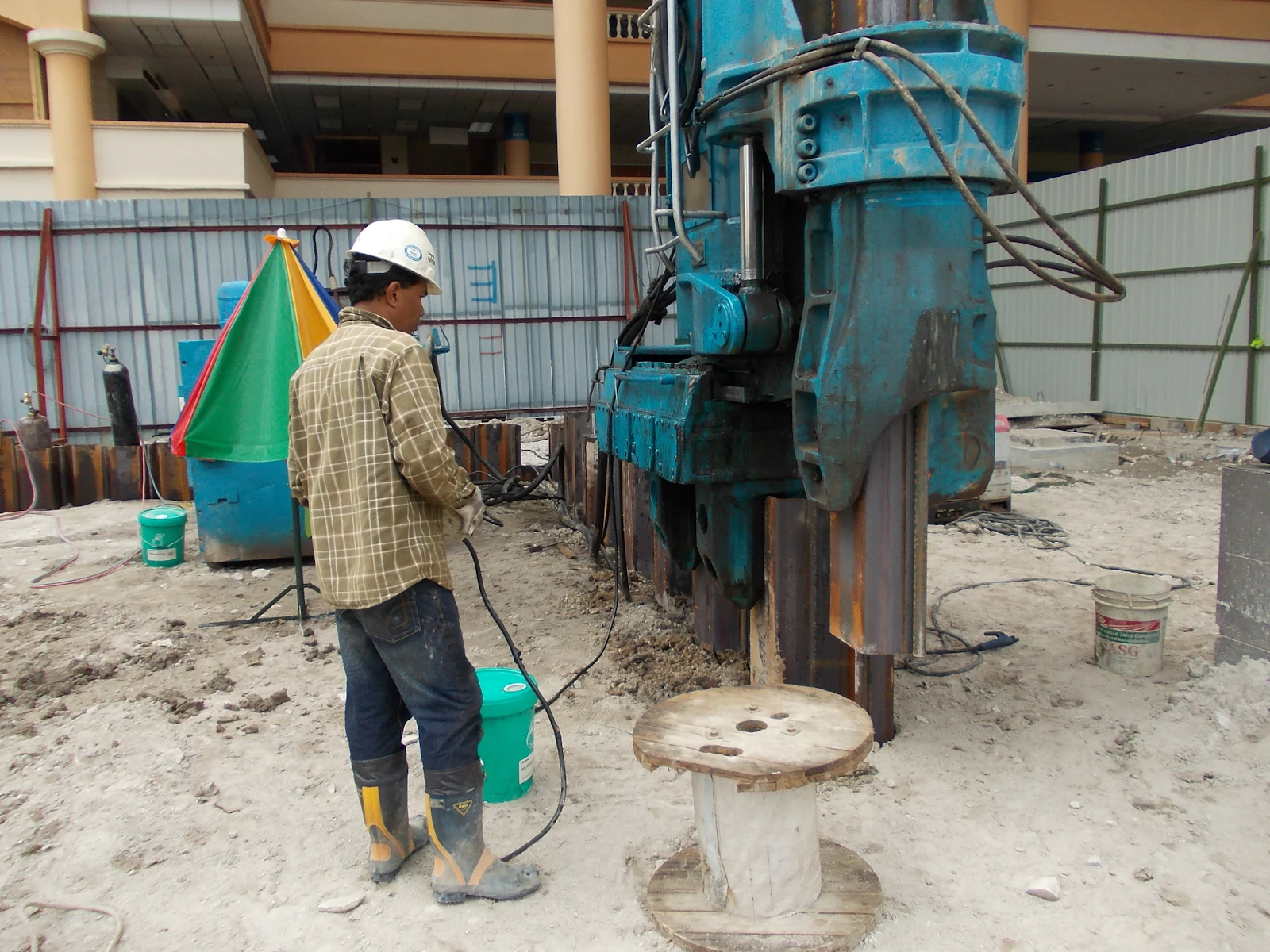
Use this as a practical estimating artifact for a Los Angeles stamped concrete patio scope where a concrete mixer equipment hire is required (edit quantities to suit your crew plan and access conditions). No tables—just line items and allowances you can drop into a bid recap:
For rental coordinators managing concrete mixer hire on LA stamped patio work, use the checklist below to prevent the most common cost escalators (extra days, cleaning, and redelivery):
Scenario. A crew is executing a small stamped concrete patio extension in Los Angeles with restricted truck access (narrow driveway, no ready-mix chute reach). They select a towable 9 cu ft mixer because they need continuous batching to hit the stamp window.
Rough cost math (planning-level). If the unit rents at $110/day (a commonly posted day-rate level for towable mixers in some markets) for 2 days, that’s $220 base rent; add delivery/pick-up $240; damage waiver at 12% adds about $26; and you carry $125 cleaning contingency. Planning total: approximately $611 before tax and any refuel/late fees. Similar day-rate examples for towable mixers appear in published listings, which is why the delivery/condition controls matter as much as the day rate.
For many stamped concrete patios, mixer rental is cost-effective only when access prevents ready-mix placement or when the volume is small enough that bag mixing is operationally viable. If your takeoff pushes you into multiple yards of concrete and your crew can’t maintain batching pace, the hidden costs show up as extra rental days, late fees, and finishing rework. From an equipment hire perspective, watch for these triggers: (1) you’re planning more than 2–3 days of continuous batching (weekly rate may win); (2) your site can accept a short-load ready-mix delivery with a manageable premium; (3) you need to hold a mixer on standby due to inspection or access risk (consider a shorter-term rental with a clearly defined off-rent call-in process).
Close-out discipline is one of the highest ROI activities for concrete mixer equipment hire in Los Angeles. Require: (a) off-rent email/text confirmation with timestamp; (b) return photos showing drum interior is washed out and fins are visible; (c) fuel level photo for gas units; and (d) delivery ticket sign-off noting any pre-existing damage. If you implement this, you materially reduce the probability of being billed for (i) hardened concrete removal at $95–$150/hour, (ii) missing accessories like tow chains/guards, and (iii) an additional rental day due to a missed cut-off.
