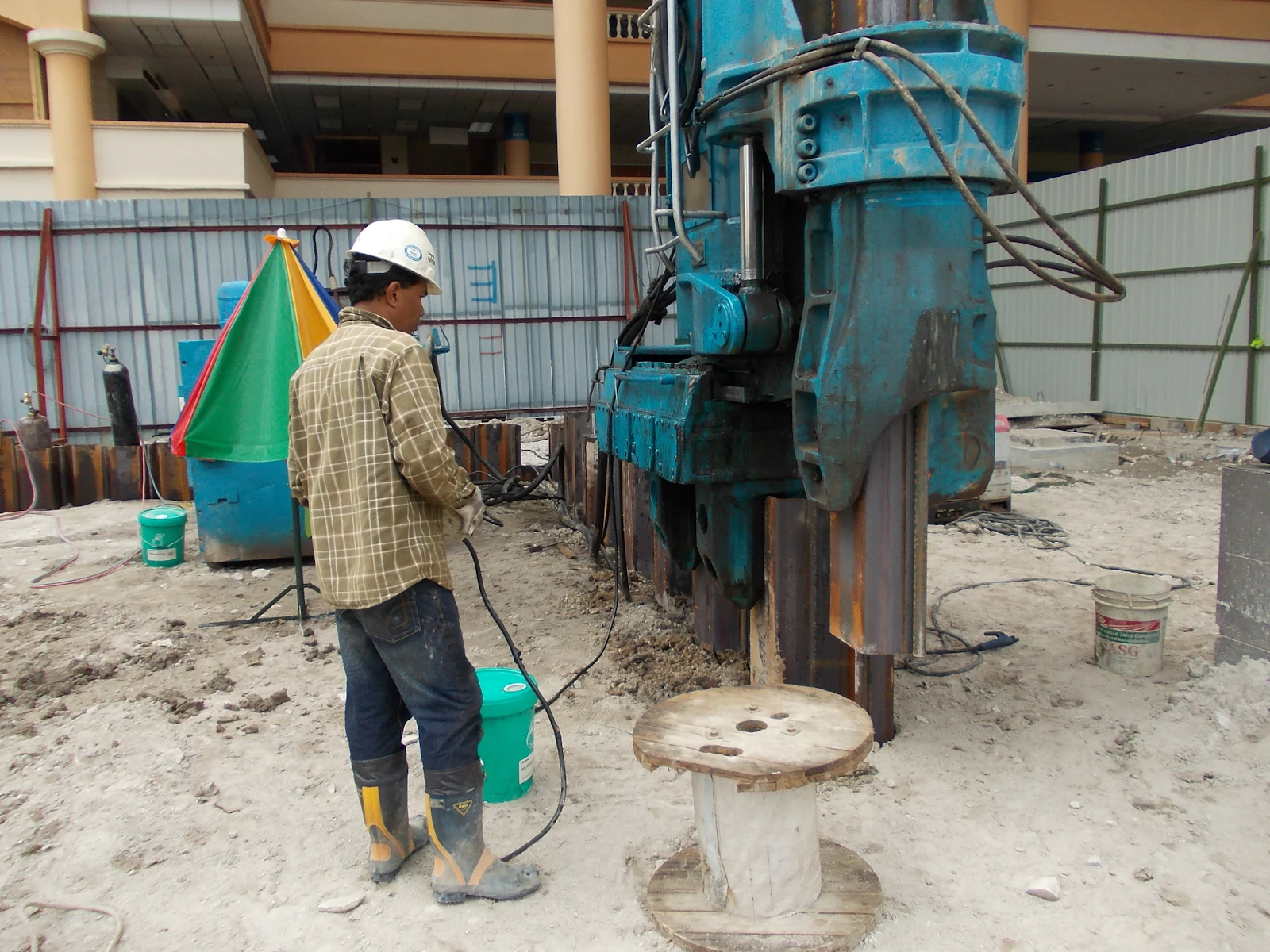
concrete pump hire
For 2026 planning in Fresno, CA, concrete pump equipment hire is typically budgeted as an operated hire service (pump + operator, often with port-to-port billing and a minimum time block), not a “dry rental” like a scissor lift. A practical planning range is $900–$1,800/day for a line pump package on smaller placements and $1,500–$3,200/day for a boom pump placement crew, with $4,500–$9,000/week and $18,000–$36,000/month only making sense when you’re booking repeated pours or holding a unit on standby for a project sequence (shotcrete, walls, paving, or multi-phase slabs). These ranges assume a standard 8-hour workday window, typical minimums (3–5 hours), normal access, and no major standby. In the Fresno market you’ll usually source pumping through local concrete pumping contractors and dispatch partners; national equipment rental brands also participate in placement logistics in some regions, but most project teams still procure concrete pumping service via specialized pumpers for schedule certainty and operator coverage.
| Vendor |
Daily Rate |
Weekly Rate |
Review Score |
Website |
| Danco Distributing (Fresno) |
$375 |
$1 250 |
9 |
Visit |
| Glen's Concrete Pumping (Fresno) |
$1 950 |
$7 500 |
8 |
Visit |
| Sal's Concrete (serving Fresno County; pumping available) |
$1 750 |
$6 800 |
9 |
Visit |
| Western Concrete Pumping (serving California) |
$2 250 |
$8 800 |
9 |
Visit |
Concrete Pump Rental Rates in Fresno for 2026 Planning (Daily, Weekly, Monthly)
Important assumption: The figures below are planning ranges for Fresno-area projects, built around common West Coast rate-sheet structures (setup + hourly + yardage, plus adders). Do not treat them as a guaranteed quote; your dispatch will price by pump class, distance, mix design, access, labor rules, and how “ready to pump” the site is.
Line pump (trailer/line pump) operated hire:
- Daily (typical 3–5 hour minimum pour): $900–$1,800 for short-to-medium placements where hose runs are moderate and site access is straightforward.
- Weekly (multiple pours / repeat dispatch): $4,500–$8,500 (often priced as repeated minimums rather than a true “weekly rental”).
- Monthly (project sequence / standby): $18,000–$30,000 when you’re effectively buying availability (dispatch priority, repeated mobilizations, and predictable crew coverage).
Boom pump (truck-mounted boom) operated hire:
- Daily: $1,500–$3,200 depending on boom class (meter size), setup complexity, and whether an oiler/second person is required.
- Weekly: $7,500–$16,000 for a series of pours (again, frequently structured as multiple day-minimum blocks, not a discounted “weekly rental”).
- Monthly: $28,000–$60,000 when you need frequent dispatches, extended hours, or high schedule sensitivity (foundations, tilt-up, elevated decks, or continuous placement windows).
Reality check for Fresno estimating: If you only have one or two small placements, your “effective hourly” can look high because the minimum charge (plus setup/cleanup) dominates. If you have consistent volume and multiple pours, your cost per placed yard typically improves because setup/cleanup gets diluted across output.
How Fresno Concrete Pump Hire Is Usually Billed (What You’re Really Paying For)
Most concrete pumping equipment hire in Fresno is quoted using a combination of: (1) a minimum time block (commonly 3–5 hours), (2) an hourly pump rate, (3) a yardage (volume) rate, and (4) system/hose adders beyond an included length. Some contractors quote a setup fee that includes the first hour, then an hourly rate thereafter. Published rate sheets show examples of this structure: line pump hourly + yardage, boom pump hourly + yardage, minimum charges, extra hose per foot, fuel surcharge %, and jobsite washout constraints.
For estimating consistency, treat the pump package as having four cost buckets:
- Mobilize / dispatch: travel time, port-to-port rules, and truck positioning.
- Place concrete: pumping time (and sometimes yardage).
- Standby risk: waiting time when the pump and crew are on site but not pumping.
- Closeout: washout, cleanup, and return condition documentation.
Typical 2026 Line-Item Costs You Should Carry (Fresno-Focused Allowances)
Use these as allowances when you don’t have a firm quote yet. They align with common published rate-sheet patterns (hourly, yardage, hose per foot, minimums, fuel surcharge, and washout/cleanup rules).
- Minimum charge: 3-hour minimum is common on some rate sheets; carry 3–5 hours in Fresno estimating depending on pump class and season.
- Line pump hourly rate: $150–$210/hr (planning). One published line-pump example shows $160/hr plus yardage.
- Boom pump hourly rate: $200–$285/hr (planning). A published example shows $210/hr for a 32m class and higher for larger booms.
- Setup / first-hour structure: carry $250–$450. A published example shows a setup that includes the first hour and included hose.
- Yardage (volume) charge: carry $4.00–$9.00/yd depending on vendor and mix sensitivity; published examples show yardage charges in this band.
- Included hose / system length: often 150–200 ft included; anything beyond is an adder.
- Extra hose adder: carry $1.50–$3.00 per ft beyond included length (common published structures include per-foot charges beyond a threshold).
- Extra man / oiler: carry $80–$125/hr when required for visibility, safety, or boom class; published examples show extra-man type hourly adders and oiler requirements in certain conditions.
- Fuel surcharge: carry 8%–15% (or a per-show-up fuel line); published examples include 12% fuel surcharge and a per-show-up fuel charge.
- Environmental / compliance fee: carry $15–$50 per pour (seen as environmental surcharge or CARB-related line items on some quotes).
- CARB fee: carry $40 per pour as a Fresno-friendly allowance because diesel compliance fees are a recurring structure on some California pumping quotes.
- No washout area fee: carry $250–$350 if the GC cannot provide a compliant washout location; published examples include separate no-washout fees by pump type.
- Travel adders: carry $75–$150 once you’re outside the vendor’s normal radius (and “call for quote” beyond); published examples show tiered travel charges past a mileage threshold.
- Out-of-town per diem: carry $75/day when the pour is outside the normal dispatch area or you’re into multi-day remote work.
- Saturday premium: carry +$10/hr plus +$25 setup equivalent (or ~1.25× base), depending on labor and dispatch policy.
- Sunday/holiday premium: carry +$20/hr plus +$50 setup equivalent (or ~1.5× base).
- After-hours / night work window: carry 1.5× rates or a negotiated premium when placing outside standard dispatch hours (common on West Coast operations due to labor rules and limited support coverage).
- Cancellation / show-up charge: carry $250–$450 if canceling inside a short notification window; published examples tie show-up to setup charges unless notice is given.
- Standby / waiting time: carry $150–$250/hr after a short grace period (often 30–60 minutes) when the pump is on site but concrete is not discharging.
- Move charge (on-site re-spot): carry $25–$150 depending on how far and how many times the pump has to re-position; some rate structures publish smaller negotiated move charges.
What Drives Concrete Pump Hire Cost in Fresno (The Cost Multipliers)
In Fresno, the biggest multipliers on concrete pump rental rates are rarely the posted hourly. They’re operational constraints that change how many billable hours you buy and how much “system” you need.
- Access and setup time: Tight subdivisions, restricted backing, and weak subgrade can add 30–60 minutes of positioning and outrigger/matting time, then you pay standby when the mud isn’t arriving yet.
- Hose distance and routing: Every additional 50–150 ft of line increases setup/tear-down time and drives per-foot system charges (carry $1.50–$3.00/ft beyond included).
- Mix design risk: Pea gravel vs hard rock, high-strength, lightweight, SCC, or harsh aggregate can slow output and increase cleanup risk (carry an extra $50–$150 cleaning allowance on sensitive mixes).
- Pour timing: Fresno’s summer heat pushes many crews to earlier starts; if you need a 5:00–7:00 AM placement window to protect finishing quality, expect either overtime rules or limited dispatch availability that tightens pricing.
- Job readiness discipline: Missing form release access, incomplete rebar inspections, no washout location, or no traffic control can turn a 3-hour pump into a 5-hour billed event.
- Standby sensitivity: A single delayed batch plant slot can burn $300–$750 in standby if you lose 2–3 hours on site at a typical standby rate.
Hidden-Fee Breakdown (Where Concrete Pump Hire Budgets Blow Up)
When project teams say “the pump rental was more than expected,” it usually traces back to one of these items not being carried as an allowance:
- Delivery / pick-up vs port-to-port: Some vendors bill port-to-port (clock starts leaving the yard and ends returning). For Fresno-area rural sites, this can add 0.5–2.0 hours of billable time depending on distance and traffic.
- Minimum charge mismatch: If your PM assumes 2 hours but dispatch is 3–5 hours minimum, your unit rate spikes instantly.
- Fuel and compliance: Carry a 8%–15% fuel surcharge (or $35/show-up) plus $15–$50 environmental/CARB fees.
- No washout plan: If the site can’t accept washout, carry $250–$350 to avoid the “no washout area” penalty.
- Weekend/holiday surcharges: Add +$10/hr Saturday and +$20/hr Sunday/holiday style allowances (or use 1.25×–1.5× multipliers) for Fresno pours scheduled around inspection windows.
- Extra labor: Carry $85–$125/hr for an extra man/oiler when required (visibility, safety, boom size, or site constraints).
- System length: If you cross included thresholds (often 150–200 ft), add $300 quickly (example: 200 ft extra at $1.50/ft = $300).
- Late-return / overrun: If your concrete supply windows slip into overtime, the pump (and sometimes operator labor) can shift to overtime pricing after 8 hours on some structures.
Example: Fresno Slab Pour Estimate (Real Constraints and Numbers)
Scenario: 5,000 sq ft warehouse slab inside city limits, summer placement with an early start to protect finishing. Target volume: 80 yd. Pump selected: boom pump (mid-class). Constraint: site has limited washout access and requires dust-control housekeeping inside the building envelope.
- Base pump time allowance: 5-hour minimum carried at $235/hr = $1,175 (planning, mid-boom class).
- Yardage allowance: 80 yd at $4.50/yd = $360 (planning yardage line).
- Setup/first hour structure: carry $325 (if your vendor uses setup + hourly thereafter).
- Extra hose: additional 60 ft beyond included at $2.00/ft = $120 (routing around interior columns).
- No washout area risk: carry $350 if the GC can’t provide a compliant washout location.
- Fuel/compliance: carry 12% fuel surcharge on pump line items (or equivalent) + $40 CARB fee + $15 environmental.
- Standby contingency: carry 1.0 hour at $200 for batch plant slippage and inspection timing.
Estimator note: This is the kind of Fresno job where cost control is less about “cheaper hourly” and more about avoiding standby and ensuring the site is ready to discharge continuously. One lost hour can cost more than the difference between two competing hourly rates.
Budget Worksheet (Concrete Pump Equipment Hire Allowances)
Use these line items in your estimate or internal authorization request (add quantities once you have the pour plan and hose routing):
- Concrete pump equipment hire (line pump or boom pump): ____ hours @ $____/hr (carry $150–$210/hr line pump; $200–$285/hr boom pump).
- Minimum charge block: ____ hours (carry 3–5 hours minimum depending on pump class and day).
- Setup / first-hour / mobilization: $250–$450 allowance.
- Yardage charge: ____ yd @ $4.00–$9.00/yd allowance.
- Extra hose/system beyond included: ____ ft @ $1.50–$3.00/ft.
- Extra man / oiler: ____ hours @ $80–$125/hr.
- Standby / waiting time contingency: ____ hours @ $150–$250/hr.
- Fuel surcharge: 8%–15% of applicable lines (or per-show-up fuel).
- Environmental/CARB/compliance: $15–$50 + $40 (per pour allowance).
- No washout area fee (risk): $250–$350.
- Weekend/holiday premium (if applicable): add 1.25×–1.5× or carry +$10/hr Saturday and +$20/hr Sunday/holiday style allowance.
- Cancellation / show-up risk: $250–$450 allowance if schedule is weather/inspection dependent.
Rental Order Checklist (PO, Delivery, Return, and Off-Rent Controls)
- PO scope clarity: identify pump type (line vs boom), boom class (meter), included hose length, and whether yardage is included or billed separately.
- Billing rules: confirm minimum hours, port-to-port vs on-site clocking, and when standby starts (arrival vs scheduled time).
- Dispatch window: confirm arrival time and last-call cutoff; align with batch plant ticket times and inspection sign-offs.
- Site readiness: confirm access path, outrigger bearing capacity, spotter availability, powerline clearance, and traffic control if on a city street.
- Washout plan: designate compliant washout location (avoid no-washout fee exposure) and document who provides berm/containment.
- Concrete mix coordination: confirm aggregate size, slump/pump mix, admixtures, and whether a grout prime is required.
- Dust-control / indoor protection: if pumping indoors, confirm floor protection, cleanup expectations, and disposal responsibility for slurry.
- Return condition documentation: photo hose condition, fittings, and site washout area at demob; capture time-stamped pour start/stop for billing disputes.
- Off-rent controls: define who can release the pump, how partial hours are rounded, and how re-spots are approved (avoid surprise move charges).
Fresno Market Realities That Change Concrete Pump Hire Cost in 2026
Fresno-area concrete pumping equipment hire is heavily influenced by dispatch availability, heat-driven placement windows, and the mix of urban and rural travel. Three local considerations that often move total cost (even when the posted hourly looks “normal”):
- Central Valley heat and early pours: In peak summer, crews often push to earlier starts to protect finishing, reduce plastic shrinkage risk, and keep concrete temps manageable. If your placement window shifts outside standard dispatch, carry a premium (often modeled as 1.5× or negotiated adders).
- Travel and port-to-port billing exposure: Fresno County work can stretch quickly into outlying areas; if your pumper bills port-to-port, a rural site can add 1–2 billable hours even before the first yard is placed.
- Washout constraints: Jobs near occupied facilities, tight subdivisions, or sites with strict environmental controls are more likely to trigger washout-related adders (carry $250–$350 risk allowance when the washout plan isn’t confirmed).
How to Compare Quotes Without Getting Burned (Apples-to-Apples for Equipment Hire)
When you receive two Fresno concrete pump hire quotes, the difference is often hidden in definitions. Before award, normalize these items:
- Minimum block definition: Is it 3 hours or 5 hours? Does it include setup and cleanup?
- Setup/cleanup time: Some structures explicitly include 1 hour setup and 1 hour washout within the minimum. If your plan assumes “pumping time only,” you will underrun the budget.
- System length assumptions: Confirm how much hose is included (often 150–200 ft) and the per-foot rate beyond included.
- Yardage vs hourly weighting: A lower hourly can be offset by a higher yardage (or vice versa). For high-volume, fast placements, yardage matters more.
- Fuel/compliance adders: Ask whether fuel is a % surcharge (e.g., 12%) or a per-show-up line, and whether a CARB fee or energy surcharge applies.
- Standby rules: Define when standby starts, whether there is a grace period, and whether standby is billed at the same hourly rate.
Cost Control Tactics That Actually Work for Concrete Pump Equipment Hire
These are coordinator-level tactics that reduce total pumping cost without risking placement quality:
- Schedule with the batch plant first: If your pump is set for 6:00 AM but your first truck is ticketed 6:45 AM, you just bought 0.75 hours of standby.
- Lock down hose routing and access: Avoid “day-of” routing changes that add 50–200 ft of hose. At $2.00/ft, a last-minute 150 ft change can add $300, plus setup time.
- Provide a washout plan in writing: A confirmed washout location can avoid $250–$350 adders and prevent cleanup disputes.
- Reduce on-site move events: Each re-spot can cost $25–$150 plus time; design your placing sequence to minimize re-spotting.
- Make readiness measurable: Require “ready to pump” sign-off: forms complete, rebar inspection signed, embed plan ready, pour crew staged, powerline clearance verified.
Second Example: Small Fresno Backyard Access Pour (Line Pump vs Boom Pump Economics)
Scenario: 18 yd of concrete to a rear placement with limited access and a 250 ft hose run. The GC is deciding between a line pump and a small boom that can reach over the structure.
- Line pump plan: carry 3-hour minimum at $175/hr = $525.
- Yardage: 18 yd at $4.50/yd = $81.
- Hose adder: assume 200 ft included; extra 50 ft at $2.50/ft = $125.
- Fuel surcharge: 10% of applicable lines = ~$73.
- Standby risk: carry 1 hour at $175 if access delays or truck staging is poor.
Takeaway: For smaller volumes, line pump hire often wins—if your hose routing is practical and you can keep the trucks cycling. If your access complexity adds multiple re-spots, a boom can become cheaper by reducing labor and time-on-clock even at a higher hourly.
Contract and Documentation Notes (Prevent Disputes and Protect the Budget)
- Define the clock: port-to-port vs on-site arrival/departure, rounding rules (e.g., 0.5-hour increments), and what counts as standby.
- Define washout responsibility: who provides containment, who disposes of slurry, and what “no washout area” means on this project.
- Define mix constraints: maximum aggregate size, pump mix requirements, and who pays if the mix causes plugging and extended cleanup.
- Photo documentation: time-stamped photos of setup location, hose routing, washout area, and demob condition reduce billing friction.
Summary: Fresno Concrete Pump Hire Costs (2026 Planning)
For Fresno projects in 2026, treat concrete pump equipment hire as an operated service and carry both the base pumping cost (minimum + hourly + yardage) and the operational adders that typically drive variance: standby, hose length, washout compliance, fuel/compliance surcharges, and weekend/after-hours dispatch. If you want the estimate to hold, invest effort in readiness (batch plant schedule, access plan, washout plan, and inspection timing) because a single hour of waiting time can erase any “better hourly rate” you negotiated.