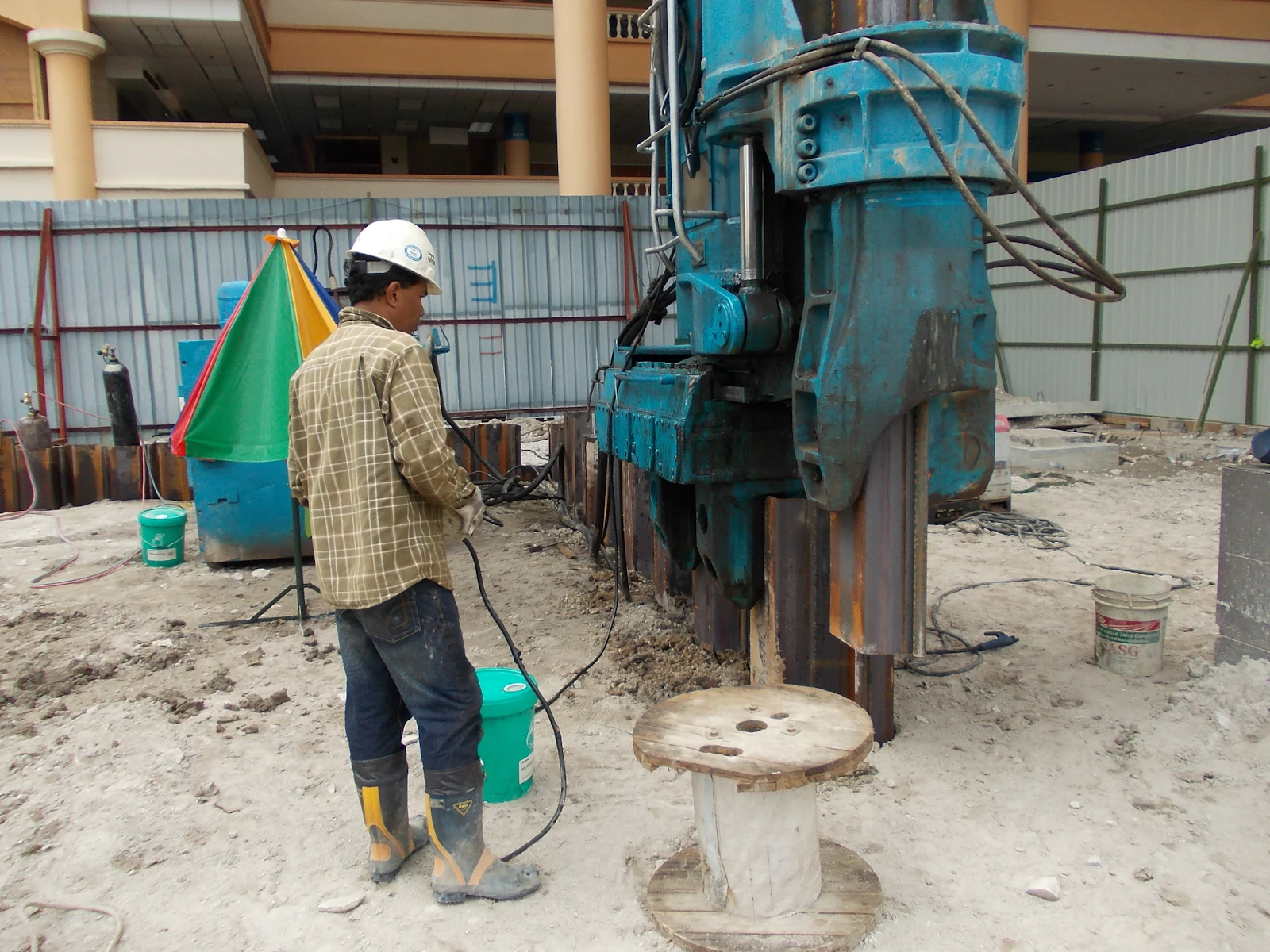
For a Miami concrete slab pour, concrete pump equipment hire is typically budgeted as an operator-included pumping service (not a “bare machine” rental). For 2026 planning in the Miami market, carry line-pump hire at roughly $750–$1,450 per pour/day (often structured as a 3–6 hour minimum plus yardage), $3,800–$7,250 per week for repeat placements, and $14,000–$26,000 per month for dedicated, high-frequency work. For boom pump hire (typical 32–43 m class used on congested sites), carry $1,350–$2,900 per pour/day, $6,500–$14,500 per week, and $24,000–$52,000 per month, depending on boom length, travel/port-to-port billing, and standby exposure. Assumptions behind these ranges: you’re paying a minimum block of pumping time (commonly 3–4 hours), one operator, normal pump-mix, and straightforward truck access with a compliant washout plan; Miami-specific access constraints and weather delays can shift real costs materially.
| Vendor |
Daily Rate |
Weekly Rate |
Review Score |
Website |
| Brundage-Bone Concrete Pumping |
$1 950 |
$9 750 |
8 |
Visit |
| Florida Concrete Unlimited (FCU) |
$2 050 |
$10 250 |
9 |
Visit |
| Adonel Concrete Pumping |
$1 850 |
$9 250 |
8 |
Visit |
| Concrete Services Pump & Finishing Inc. |
$1 650 |
$8 250 |
10 |
Visit |
| Thomas Concrete Machinery |
$1 250 |
$6 250 |
9 |
Visit |
Concrete Pump Hire Costs Miami 2026
Concrete pump hire costs for Miami slab pours are best estimated by breaking pricing into (1) the minimum time block, (2) hourly pumping rate, (3) yardage/material-through-pump charge, and (4) job-specific extras (hose length, washout, standby, travel/port-to-port hours, and weekend/after-hours premiums). Published rate sheets in the U.S. market commonly show hourly line pump rates around $160/hr with a $4.50/CY yardage charge and a 3-hour minimum, plus adders such as 12% fuel surcharge, $1.50/ft extra hose (over an included length), and “no washout area” charges.
For boom pumps, published examples show hourly pricing scaling by boom length (for example, 32 m at about $210/hr, 36–40 m at about $235/hr, and 41 m at about $255/hr), with a minimum boom pump charge around $1,300 and common extras like $350 “no washout area” fees and $85/hr for an extra man when required.
Other published Florida examples (not Miami-specific, but relevant for 2026 budgeting) show boom pump service priced at $175/hr with a 4-hour minimum, plus $3.00 per yard, an 8% fuel surcharge, and a $25 primer pack per job.
2026 Daily, Weekly, And Monthly Planning Ranges (How To Interpret Them)
Because pumping is often purchased “per pour” (minimum hours) rather than by calendar day/week/month, the ranges below translate typical minimum blocks and repeated placements into day/week/month planning values for procurement and estimating:
- Line pump equipment hire (operator included): plan $750–$1,450 per pour/day for most slab placements where a trailer/line pump can reach the forms. This typically covers a minimum block (often 3–4 hours) plus yardage and common surcharges; add standby and hose length as needed. For multi-pour weeks, $3,800–$7,250/week reflects 3–5 scheduled placements with negotiated travel/standby terms. For dedicated work, $14,000–$26,000/month assumes frequent pours and negotiated port-to-port or “pumping window” commitments.
- 32–33 m boom pump hire: plan $1,350–$2,300 per pour/day when a boom is needed for reach, speed, or access. Weekly and monthly ranges broaden quickly because travel hours, permits, and weekend/after-hours needs become significant on Miami sites (carry $6,500–$11,500/week and $24,000–$42,000/month as procurement planning allowances).
- 38–43 m boom pump hire: plan $1,500–$2,900 per pour/day for longer reach and higher site complexity. For repeated placements, carry $7,500–$14,500/week and $28,000–$52,000/month.
Important: if the pump vendor bills port-to-port (time starts when the unit leaves the yard and ends when it returns), your “effective hourly rate” on congested Miami routes can rise sharply on short pours. Published price sheets explicitly call out port-to-port charging and minimums, and some separate pump time from travel time.
How Concrete Pump Equipment Hire Is Commonly Billed For A Slab Pour
Most pumping POs combine time and production components. A typical structure you’ll see in quotes (and want to mirror in your estimate) includes:
- Minimum time block: commonly 3 hours on some published schedules, and 4 hours on others. This is the single biggest driver of “small slab” pump economics.
- Hourly pumping rate (after minimum): published examples include $125/hr (line pumping example) and $175/hr (boom pumping example), and higher for longer booms.
- Set-up / first hour charges: some providers quote set-up that includes the first hour and a base hose length; one published example shows $325 set-up including 1st hour and 200 ft of hose included.
- Yardage charge through the pump: examples range from $3.00/CY to $4.50/CY, and in some pricing structures there’s a small-yardage minimum (e.g., a $50 yardage line item for 1–5 yards and then $10/yard over 5).
- Travel charges and thresholds: some policies add travel fees after a distance threshold; one example shows travel adders beyond 50 miles (e.g., $75 for 50–75 miles and $150 for 75–100 miles). In Miami, the “miles” threshold matters less than the time threshold if your vendor uses port-to-port billing and your route is consistently congested.
What Drives Concrete Pump Rental Pricing For A Miami Slab Pour?
When rental coordinators ask why two quotes for the “same slab” differ by 30–60%, it’s almost always one of the factors below. These are also the items you should capture in your RFQ so quotes are comparable (apples-to-apples) for concrete pump equipment hire costs in Miami:
- Access and setup footprint: If the pump has to stage on a busy roadway, in an alley, or behind a gate with limited swing room, you can trigger permit needs, flagging/spotting labor, and slower setup. Some published price lists explicitly note that permit fees may apply and are job-specific.
- Hose length and elevation changes: More line means more setup time, more primer, more cleanup time, and often an extra hand. Published schedules show hose adders like $2.50/ft over an included base (example: between 200–400 ft) or $1.50/ft beyond an included 150 ft.
- Minimum block exposure: If your slab is small and the finishing crew is fast, you may still pay a 3-hour or 4-hour minimum. Avoid “short-pour surprises” by scheduling concrete delivery to hit your pump arrival window and confirming the batch plant lead time.
- Standby time (on-site delays): Miami rain events, site readiness problems, or truck queueing can convert low-cost pump time into expensive idle time. Your PO should define when standby starts and whether it’s billed at the same hourly rate.
- Off-hours and weekend work: If the pour is scheduled to avoid daytime traffic or to meet a critical path, plan premiums. One published schedule shows Saturday premiums of $10/hr and $25 set-up, and Sunday/holiday premiums of $20/hr and $50 set-up (additive to base pricing).
Hidden-Fee Breakdown For Concrete Pump Equipment Hire
For slab pours in Miami-Dade and coastal South Florida, “hidden fees” are rarely truly hidden—they’re usually job conditions the vendor prices as adders. Carry these as line-item allowances so your estimate stays stable when the field conditions tighten up:
- No washout plan / no washout area: published examples show charges of $250 (line pump) or $350 (boom pump) when there’s no washout area available. On urban infill and Miami Beach-style constrained sites, this is one of the most common surprises.
- Fuel surcharge: examples include 8% of total cost and 12% fuel surcharges. Some vendors use per-hour fuel adders tied to diesel thresholds (e.g., $10/hr when fuel is above $3.50, rising to $15/hr above $4.50). Use 8%–12% as a 2026 planning range unless your supplier’s contract states otherwise.
- Environmental / compliance surcharge: one published schedule shows an $15 environmental surcharge per show-up. This often relates to permitting, washout handling, and disposal.
- Primer / slick pack: published examples include $25 primer packs and $50 slick pack charges. If your run is long or has elevation changes, primer becomes non-optional operationally.
- Extra labor: published adders include $85/hr for an extra man and $80/hr for an additional operator (where applicable). In practice, you’ll see this when hose handling is constrained, the pour is fast-paced, or you have restricted access requiring more spotting.
- Cancellation / show-up charges: published examples include a show-up charge equal to set-up if cancellation occurs within 2 hours of appointment time, and a separate published example notes a $200 cancellation fee may apply if canceled within 8 hours of show-up time. In Miami, weather-related reschedules are common; lock down the cutoffs in writing.
- After-hours / night placements: at least one schedule states service between 5:00pm–5:00am is quoted separately. If you’re planning night pours to reduce traffic conflicts, don’t assume base daytime rates.
- Overtime billing after a standard shift: one published example shows $25/hr overtime after 8 hours port-to-port. For Miami pours, overtime is often caused by late trucks, site restrictions, or finishing delays—plan a contingency.
Miami Conditions That Commonly Push Pump Hire Costs Up
Miami is not just “another Florida city” from a pumping standpoint—your costs can move due to local operational constraints:
- Delivery windows and gatekeeping: Downtown and Miami Beach-style areas often have strict delivery windows, security check-in, and staging rules. If your pump arrives on time but can’t stage immediately, you pay standby or port-to-port time without placing concrete.
- Traffic and route variability: Even when mileage is low, travel time variability can be high. If your supplier bills port-to-port, a short slab can become an expensive “minimum + travel” event. (This is why your RFQ should ask: “pump-time only vs port-to-port?”)
- Storm and rain volatility: Sudden weather holds can trigger cancellation fees (if you miss the cutoff) or long standby runs. Put your reschedule logic in the PO (who calls it, by what time, and what fee applies).
Example: Miami Concrete Slab Pour Pump Hire Cost Build-Up (With Real Constraints)
Scenario: 28 CY slab pour in Wynwood with limited street staging, pour scheduled 7:00 AM to avoid peak traffic. Access requires an additional 100 ft of hose beyond the included base. You have a washout area, but it’s tight and must be lined/contained (document it).
- Option A (line pump): budget a 3–4 hour minimum. Using published benchmarks as reference points, a line pump might be in the $160–$200/hr planning band plus a $3.00–$4.50/CY yardage charge, plus fuel surcharge and primer/slick pack. Add hose: if the quote uses a per-foot adder (published examples include $1.50/ft or $2.50/ft depending on included base), 100 ft of extra hose can be a meaningful increment.
- Option B (38–43 m boom): if street setup is workable and you need speed, plan around a $1,300+ minimum charge (common in published schedules) and hourly in the low-to-mid $200s/hr depending on boom length, plus yardage. Add fuel surcharge (often 8%–12%) and confirm whether travel is port-to-port.
Operational constraint that changes the cost: If the first truck is late by 45 minutes and you miss your building’s street-staging window, you can burn an hour of chargeable standby and potentially trigger a re-setup. For budgeting, carry a 1-hour standby contingency at the same hourly rate as pumping unless your supplier defines a different standby rate.
Budget Worksheet (Concrete Pump Equipment Hire)
Use this as a no-table worksheet your estimator or rental coordinator can paste into a cost file or PO backup. Adjust allowances to your site reality.
- Pump Type Allowance: Line pump or 32–43 m boom pump (select one based on reach and staging).
- Minimum Time Block: Carry 3–4 hours minimum (confirm in quote).
- Hourly Pumping Rate: Allow for Miami market variability; include operator.
- Yardage Through Pump: $3.00–$4.50 per CY allowance (verify).
- Mobilization / Travel Time: Include port-to-port exposure or travel adders (at least 1 hour each way if your supplier bills that way).
- Fuel Surcharge: 8%–12% of pumping subtotal allowance.
- Primer / Slick Pack: $25–$50 per job allowance.
- Extra Hose: Allow per-foot adder and estimated extra footage; include reducers/couplers if required.
- Washout / Environmental: Include washout containment plan; allowance $15–$350 depending on vendor policy and site readiness.
- Weekend / Holiday Premium: Allow adders if pour is Sat/Sun/holiday.
- Standby Contingency: 1–2 hours at the hourly rate (truck delays, inspection holds, gate issues).
- Overtime Contingency: If you could exceed an 8-hour port-to-port day, include overtime adders.
- Cancellation / Reschedule Exposure: Carry $200–$400 as a planning placeholder unless your supplier cutoff is favorable and controllable.
Rental Order Checklist (Concrete Pump Hire PO And Job Prep)
- PO Scope: Pump type, boom length (if boom), included hose length, and whether pricing is pump-time-only or port-to-port.
- Minimums: Minimum hours and minimum charge (write both).
- Rate Detail: Hourly rate, yardage rate, travel/mobilization, and any set-up/first hour structure.
- Site Address And Access Plan: Gate codes, security contact, staging map, overhead line hazards, and spotter responsibility.
- Delivery Window: Confirm arrival time and the latest acceptable truck arrival; define who authorizes standby vs cancel.
- Washout Plan: Identify washout location, containment method, and who provides lined pit/bin. Photograph before and after.
- Concrete Logistics: Batch plant, truck spacing target (minutes between loads), and designated washout for ready-mix trucks (separate from pump washout).
- Off-Rent / Completion Definition: When does billable time stop—after last yard, after washdown, after return-to-yard?
- Return/Closeout Docs: Pump ticket with start/stop times, yards pumped, extra hose footage, surcharges applied, and dispatcher confirmation.
- Cancellation Cutoffs: Put the cutoff time and fee in writing (weather holds and owner-driven delays are common).
If you need competitive quotes for concrete pump equipment hire costs in Miami, your RFQ should include: pour start time, estimated CY, pump location photo, access/staging sketch, hose length estimate, washout plan, and whether the job might require Saturday/Sunday work. This level of detail is what reduces standby, overtime, and surprise adders on slab pours.
How To Reduce Concrete Pump Hire Hours Without Adding Pour Risk
In Miami slab work, your best savings typically come from time reduction (reducing billable pump hours and standby), not from chasing the lowest posted hourly rate. A few field-tested controls that reduce total concrete pump hire cost:
- Control the first-truck arrival: Aim for the first ready-mix truck to arrive before or at pump setup completion. A 30–60 minute miss can consume a meaningful portion of a 3–4 hour minimum block.
- Pre-stage hose handling and protection: If you’re pushing long hose runs, pre-stage cribbing, plywood, and hose protection where it crosses finished areas. This reduces “slow bleed” delays during placement.
- Confirm washout logistics: A “no washout area” fee can be $250 (line) or $350 (boom) in published schedules, and even when there’s no fee, lack of a plan can extend off-rent time while the crew figures it out.
- Right-size the pump: A boom pump can reduce hose handling and speed up placement, but can also introduce permit/staging complexity. Use boom pumps when the time savings is real (access, reach, pace), not just preference.
Contract Terms To Lock Down In A Pump Hire PO (Miami Best Practice)
Concrete pumping disputes are usually about time definition and who caused delays. To keep your equipment-hire costs predictable, define the following in the PO or subcontract:
- Billing basis: Pump-time-only vs port-to-port. Some published schedules explicitly state port-to-port charging, and others separate travel time with its own minimum.
- Minimums: Write the minimum hours and any minimum dollar charge (for example, published examples include 3-hour minimum, 4-hour minimum, and minimum charges such as $600 line / $1,300 boom).
- Standby definition: When the pump is on site but not pumping due to jobsite readiness, inspections, truck gaps, or owner-directed holds—confirm whether standby is billed at full hourly rate.
- Weekend and holiday rules: Put premium rules in writing. Published examples show additive weekend/holiday premiums (e.g., +$10/hr Saturday, +$20/hr Sunday/holiday, plus set-up adders).
- Cancellation cutoff and fee: Use a hard cutoff time. Published examples include a show-up charge if not canceled at least 2 hours prior, and a $200 cancellation fee if canceled within 8 hours of show-up time. Miami weather makes this critical—agree who has authority to cancel and by what time.
- After-hours: If you expect placement outside standard hours, require an after-hours rate sheet or a not-to-exceed (NTE). One published example notes that service between 5:00pm–5:00am is quoted separately.
2026 Planning Notes For Miami Concrete Pump Equipment Hire Costs
For 2026 budgeting in Miami, the practical guidance is to carry the higher end of published regional benchmarks when any of the following are true: (1) your site is in a congested corridor where port-to-port exposure is meaningful, (2) you’re scheduling weekend/after-hours, (3) you have long hose runs or a second hand requirement, or (4) you have elevated rain-delay risk and may incur standby/cancellation fees.
As a quick “estimator sanity check,” confirm you have at least the following numeric allowances built into your pump-hire line item when applicable to the project:
- Primer/slick pack: $25–$50 per job.
- Fuel surcharge: 8%–12% of pumping subtotal (or per-hour fuel adder if stated).
- Environmental surcharge: $15 per show-up (if your supplier uses it).
- Extra hose: published examples show $1.50/ft or $2.50/ft structures beyond included footage.
- No-washout fee exposure: $250 (line) / $350 (boom) if washout is not ready.
- Overtime exposure: for long days, carry an overtime adder (published example: $25/hr after 8 hours port-to-port).
Frequently Asked Pricing Questions For Miami Pump Hire (Slab Pours)
Is a concrete pump “rental” or a service?
For slab pours, it’s commonly an operator-included service billed by minimum hours plus yardage and surcharges. That’s why your procurement approach should resemble a subcontract PO more than a yard-equipment rental agreement (confirm insurance, cancellation terms, and jobsite responsibilities).
What’s the most common cost overrun on pump hire?
Standby time caused by truck gaps, site not ready, or access delays. In Miami, gate/security delays and street-staging constraints can turn a “fast slab” into a full minimum block plus overtime. Prevent this by controlling the truck schedule and having a written access/staging plan.
How do I compare two pump quotes fairly?
Make sure both quotes align on: minimum hours, what hours are billable (pump-time vs port-to-port), included hose footage, per-foot hose adders, yardage rate, fuel/environmental surcharges, washout requirements and fees, weekend premiums, and cancellation cutoffs. If any of those are missing, you don’t have a comparable number—just a starting point for change costs.
If you want, share your expected cubic yards, site neighborhood (e.g., Miami Beach vs Doral vs Wynwood), estimated hose length, and desired pour time window, and I can tighten the 2026 planning range to a more job-specific concrete pump equipment hire cost budget (still non-vendor-specific) with explicit allowances for standby, washout, and access constraints.