

For Raleigh-area concrete slab pours in 2026, plan concrete pump equipment hire costs (typically supplied with an operator, and billed as “pumping service”) in these working ranges: line pump roughly $650–$1,150/day (commonly a 3–4 hour minimum), $2,400–$4,200/week, and $7,500–$12,500/month when scheduled as recurring pours; boom pump roughly $900–$1,600/day, $3,600–$6,800/week, and $11,500–$19,500/month for multi-pour or near-daily utilization. Many dispatches also include a per-yard/per-cubic-yard pumping component (often $3.00–$4.50 per yard) and travel/mobilization rules that materially change the invoice. In the Triangle market you’ll see national fleets and regional pumpers competing alongside local independents; treat the numbers above as 2026 planning allowances until your site constraints, mix design, and dispatch window are confirmed.
| Vendor | Daily Rate | Weekly Rate | Review Score | Website |
|---|---|---|---|---|
| Brundage-Bone Concrete Pumping (Raleigh Branch) | $1 650 | $8 000 | 8 | Visit |
| DMV Concrete Pumping | $1 450 | $7 000 | 9 | Visit |
| Standard Concrete Pumping LLC | $1 550 | $7 500 | 8 | Visit |
| C&C Industrial (Concrete Pumping & Conveying Division) | $1 900 | $9 200 | 8 | Visit |
| Concrete Supply Co. (Concrete Pumping Options) | $1 400 | $6 800 | 7 | Visit |
Line pump (trailer or truck-mounted) is often the best-cost option for residential and light commercial slabs where you can get the pump reasonably close and run hose. Published rate sheets in multiple U.S. markets commonly show $155–$180 per hour with a 3–4 hour minimum, plus a per-yard charge in the $3–$4.50/yard band—use that structure as a benchmark when reviewing Raleigh quotes.
Boom pump (e.g., ~32–40 m class) costs more per dispatched shift, but can be cheaper overall when it eliminates labor, reduces placement time, or avoids moving hose repeatedly. Some published NC regional pricing shows 4-hour minimums for boom pump placements and additional hour adders after the minimum (e.g., “after 4 hours” hourly add-ons). For estimating in Raleigh, carry boom pump time at $185–$325/hour (operator included) depending on boom length, setup complexity, and whether your pour risks standby.
Common adders tied to pump selection (carry as allowances): (1) extra slickline / hose beyond a base package: $3–$6 per foot (or $8–$12 per meter) depending on diameter and wear; (2) reducers/adapters (3" to 2.5"): $25–$75 each if not included; (3) high-wear mixes (fiber, low slump, harsh aggregate) can trigger a higher minimum, slower production, or a job-specific rate because it increases line wear and risk of blockage.
Minimum hours and “time clock” definition. Many pumping providers bill from arrival (or “portal-to-portal”) and include setup time in billable hours; minimums of 3 hours and 4 hours are common in published price sheets, and some providers specify different minimums for morning vs afternoon dispatch. For slab pours, this is the #1 cost driver because a small volume can still invoice at the minimum.
Standby risk (ready-mix gaps, access delays, inspection holds). If trucks stack up at the gate, the pump may keep working; if trucks are late, the pump crew is still on the clock. Carry a standby/extended time exposure of $150–$275/hour on any pour where (a) batch plant is >30 minutes away, (b) downtown access is time-restricted, (c) the slab requires multiple placements (interior bays), or (d) you have a strict “no washout on site” policy that forces offsite cleanup. (Your quote may present this as the same hourly rate after the minimum.)
Per-yard charge and grout/prime requirements. Many rate structures combine hourly time with a per-yard component (e.g., $2.75–$4.50 per yard) to cover wear and pumping volume. Also plan for a prime/primer requirement: some providers require the contractor to furnish ~1 cubic yard of grout for priming pipeline pours, which can add both material cost and a truck scheduling step to avoid the pump sitting idle.
Travel/mobilization and permits. Pumping invoices frequently include a travel line item and may add permit charges for oversize/overweight or special placements. Published schedules show travel billed per mile (example: $2.00/mile both ways) or as an hourly travel rate in some markets; for Raleigh planning, carry mobilization at $175–$450 inside a typical metro radius, and more for long-reach booms, tight streets, or when escorts/permits are required.
Downtown Raleigh and campus-style sites: expect tighter delivery windows (e.g., gate must be hit by a specific time), limited staging, and higher standby probability. A realistic estimator’s allowance is a time-window dispatch premium of $150–$300 when the pump must arrive and set within a narrow window (and you risk paying a full minimum if access is missed).
Clay soils, rain events, and soft subgrade: after storms, pump setup pads may need stone, mats, or relocation. If a boom pump must reposition mid-pour, you can lose 30–60 minutes and pay that time at the hourly rate. Carry a site access contingency of $250–$600 for slab pours on new subdivisions where curb cuts are unfinished and the setup area is not stabilized.
Heat and set control in summer pours: Raleigh heat/humidity can compress finishing windows and increase “hurry up and wait” inefficiency. Even if the pump rate stays the same, you may incur (a) after-hours premium if you shift earlier/later to protect finish quality, and/or (b) more trucks to maintain placement continuity. Published schedules show overtime constructs (e.g., operator overtime adders and hourly surcharges); for budgeting, carry 1.25×–1.5× the base hourly rate for pre-7:00 AM starts, late-day completion, or holidays if your provider applies premium time.
Scenario. 3,200 SF slab at 5 inches average thickness (0.417 ft) = about 1,334 cu ft = about 49.4 cubic yards. Access forces a line pump with hose run and two 90s, and the HOA restricts concrete trucks to a 9:00 AM–3:00 PM arrival window. Goal is to place in 3.5–4.5 hours to protect finish sequence.
Estimator’s build-up (planning range, excluding concrete material):
Planning total for pump-related equipment hire: most coordinators would carry $1,350–$2,950 for this Raleigh slab pump line item (again, excluding concrete supply and finishing labor), with the swing driven by standby and hose adders.
Concrete pump equipment hire is one of those scopes where the base hourly rate can look fine, but the “small print” creates change orders. These are the items to pre-carry in Raleigh estimates so the PO matches the invoice:
Most concrete pump hires include an operator, and industry guidance often assumes an ACPA-certified operator in pricing examples; confirm whether certification, additional signal person/spotter, or added barricading is required by your GC/client safety plan. If your site requires a dedicated spotter for backing/boom swing control, carry $65–$95/hour for that labor (4-hour minimums are common on many jobsite roles). Also verify whether your provider bills “setup time” as part of pump time and whether the quote requires clear setup radius (many safety documents reference clearance zones around the pump).
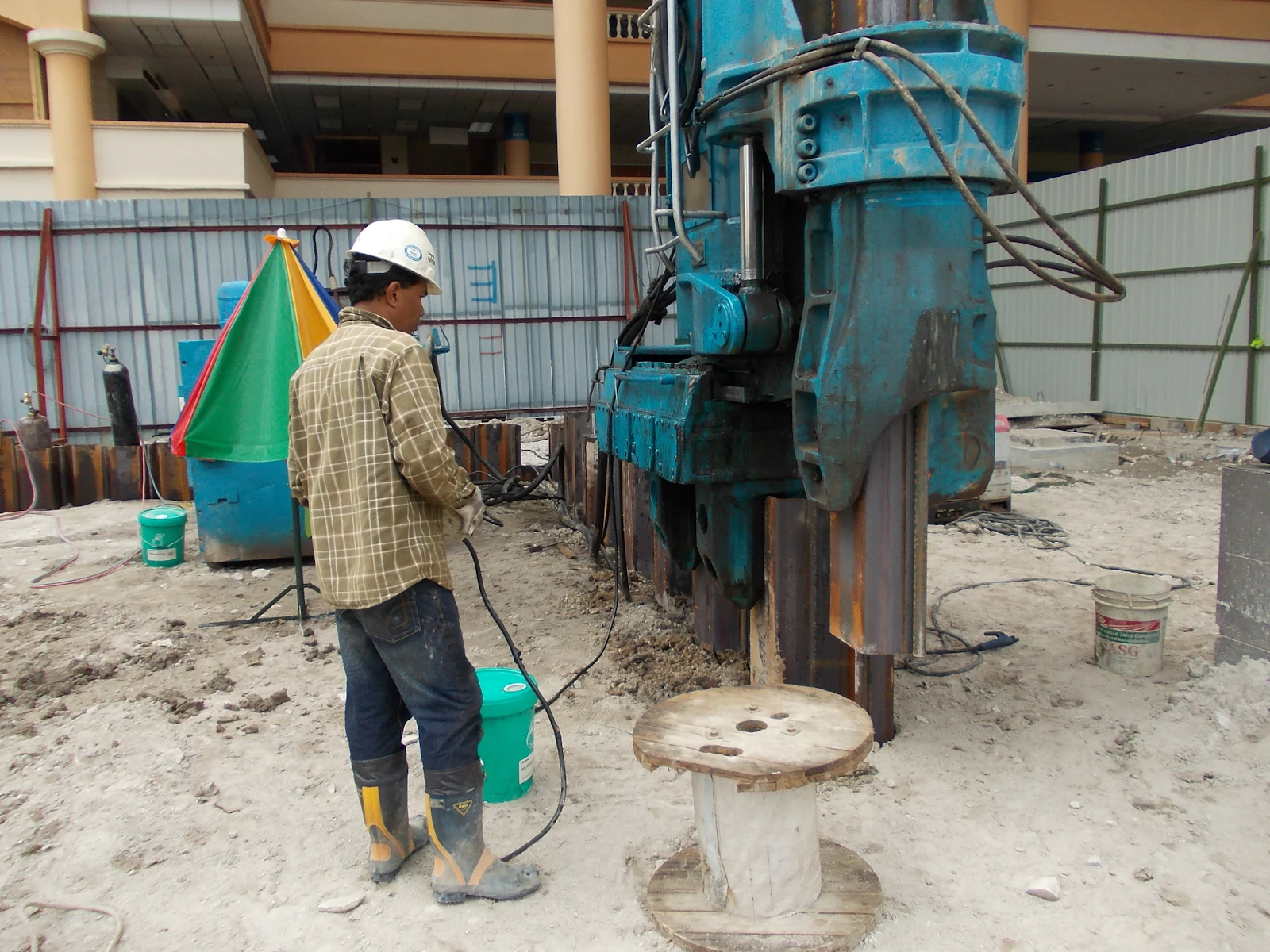
Use this no-table worksheet to build a Raleigh concrete slab pour concrete pump equipment hire allowance that survives closeout:
Before you release a PO for concrete pump equipment hire in Raleigh, lock down these operational items so dispatch and billing match:
To keep concrete pump hire costs tight, your best lever is reducing idle time inside the minimum block and avoiding paid overtime. Practical tactics that consistently reduce standby exposure:
While concrete pumping is commonly dispatched per pour rather than “true monthly rental,” Raleigh projects with repeating slab placements (warehouses, tilt-wall panels, large residential developments) can be budgeted using weekly/monthly equivalents to avoid under-carrying mobilization and minimums:
For Raleigh slab pours with poor access (rear lots, downtown courtyards, or interior placements), a boom pump can reduce total cost by reducing hose labor and speeding placement. The inflection point is often when the line pump would require:
In those cases, the boom pump’s higher “day” number can still net out lower than a line pump plus hose/time adders—especially when your slab placement window is fixed by adjacent tenants, noise rules, or traffic control.
Concrete pump hire disputes usually happen around timekeeping and return condition. Close them out cleanly with:
