

Residential Cost Fencing Guide for Professionals

Profile image of author
James Miller
Head of Sales

Residential Cost Fencing: A Comprehensive Guide for Professionals

Understanding the costs associated with residential fencing is crucial for construction professionals. The average cost ranges from $18 to $60 per linear foot, depending on materials and other factors. This guide explores the key elements influencing fencing costs and provides strategies to optimize your estimates.

Key Factors Influencing Fence Costs

  • Material type and quality
  • Linear footage and height
  • Site accessibility and terrain
  • Local labor rates and crew size
  • Gate quantity and hardware
  • Permit fees and municipal requirements

These factors can significantly impact the overall cost. Traditionally, estimating these costs required extensive manual calculations. However, modern tools can streamline this process, providing accurate estimates quickly.

Average Price Ranges by Material

  • Pressure-treated pine: $18–$25 per linear foot installed
  • Cedar: $25–$35 per linear foot installed
  • Vinyl: $28–$42 per linear foot installed
  • Ornamental aluminum: $35–$55 per linear foot installed
  • Composite: $40–$60 per linear foot installed

These prices include standard 6-foot heights and basic gates. More complex designs or premium materials will increase costs. Using real-time data can help adjust estimates accurately.

Streamlining Fence Estimation with Advanced Tools

Voice-Activated Takeoffs: Describe the site, and advanced tools convert speech into digital sketches, measuring footage automatically.

AI-Powered Material Matching: Suggests optimal materials and retrieves current pricing instantly.

Instant Labor Calculations: Estimates crew hours using historical data and regional labor costs.

On-the-Spot Proposal Generation: Create branded proposals with detailed scope and payment schedules instantly.

Step-by-Step: Building a Fence Estimate

  1. Open the estimation app and start a voice session.
  2. Walk the fence line, describing key features.
  3. Select materials to view live pricing.
  4. Adjust waste factors as needed.
  5. Review labor and overhead calculations.
  6. Generate and share the estimate with clients.

Pro Tips for Accurate Fence Budgeting

  • Order extra materials to account for waste and repairs.
  • Test soil conditions to avoid unexpected issues.
  • Schedule deliveries to minimize downtime.
  • Bundle orders to capture discounts.
  • Use online tools to compare supplier prices.

Enhance Your Estimation Process

Accurate fencing estimates are essential for maintaining profitability. By leveraging advanced tools and real-time data, construction professionals can streamline their processes and improve accuracy. Explore more at CountBricks.com.
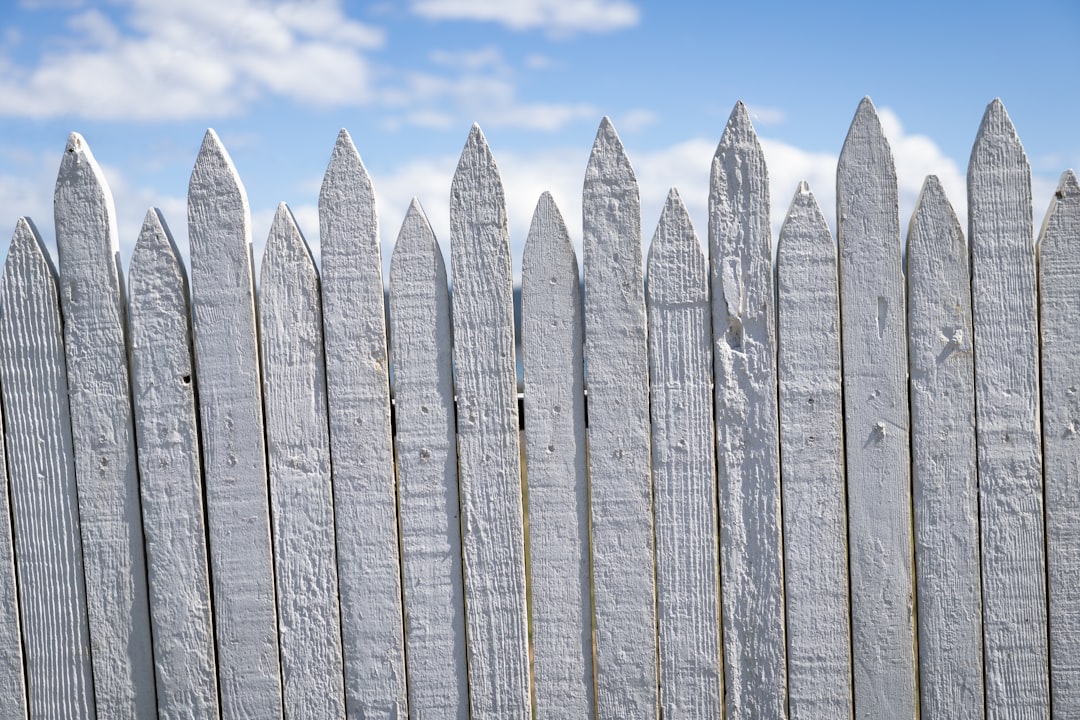
Our AI app can generate costed estimates in seconds.

CountBricks: Residential Cost Fencing Guide & Estimator

Case Study: Efficient Estimation in Action

A recent project involved a 180-linear-foot cedar fence with multiple gates. Using advanced estimation tools, the contractor delivered a proposal in under 30 minutes, significantly reducing the typical turnaround time.

Project Details

  • Linear footage: 180 ft at 6 ft height
  • Material: #2 grade cedar boards
  • Hardware: Galvanized nails, black hinges
  • Soil conditions: Sandy loam

Impact of Advanced Estimation Tools

  • Eliminated manual sketches with digital takeoffs
  • Secured bulk discounts with real-time pricing
  • Accurate labor estimates matched field performance
  • Quick client approval accelerated project start

Financial Outcome

The final cost was $31 per linear foot, aligning with the estimate. The contractor reported a 12% higher profit margin due to reduced overhead and material waste. Discover how similar tools can enhance your projects at CountBricks.com.
