CountBricks: Cost to Install Reverse Osmosis System Guide
Price source: Costs shown are derived from our proprietary U.S. construction cost database (updated continuously from contractor/bid/pricing inputs and normalization rules).
Eva Steinmetzer-Shaw
Head of Marketing
Understanding the Cost to Install a Reverse Osmosis System in Residential Construction
For construction professionals, understanding the cost to install a reverse osmosis system is crucial. Current data shows that installation costs range from $300–$950 for a full system. Basic under-sink units start at $400–$600, while whole-house systems can exceed $4,800–$8,000. This guide provides a detailed breakdown of costs, helping you provide accurate estimates and avoid overestimating expenses.
Why Reverse Osmosis Is a Growing Priority
- Rising concerns over municipal water quality
- Increased interest in upscale kitchen remodels
- Long-term savings compared with bottled water
- Enhanced appliance life by reducing mineral buildup
The Typical Price Range
Most installations fall between $300 and $950. Equipment grade, labor complexity, site conditions, permitting, and finish level all influence the final cost.
1. Equipment Grade
- Point-of-use systems: $150–$600
- Premium units: $300–$950
- Whole-house systems: $4,800–$8,000
2. Labor Complexity
Labor costs range from $45–$150 per hour. Under-sink installations typically require 2-4 hours, while whole-house systems may need 12-20 hours.
3. Site Conditions
- Crawlspace access can reduce costs by 20-30%
- Slab-on-grade homes may require additional work
4. Permitting and Code Compliance
Permit fees range from $50–$250. CountBricks automatically calculates these costs based on your project location.
5. Finish Level and Aesthetics
Custom finishes can add 15-20% to the total cost.
Detailed Cost Breakdown Example
For a 2,400 ft² Jacksonville home:
- Equipment: $350
- Plumbing fittings: $120
- GFCI receptacle: $150
- Labor: $260
- Permit: $40
- Total: $800
How CountBricks Streamlines Estimating
CountBricks simplifies estimating by using live data to generate accurate quotes. This includes current plumbing prices, labor calculations, and required tasks.
Long-Term Value for Homeowners
An RO system can save up to $400–$600 annually, with ROI often within 18-24 months.
Step-by-Step Installation Snapshot
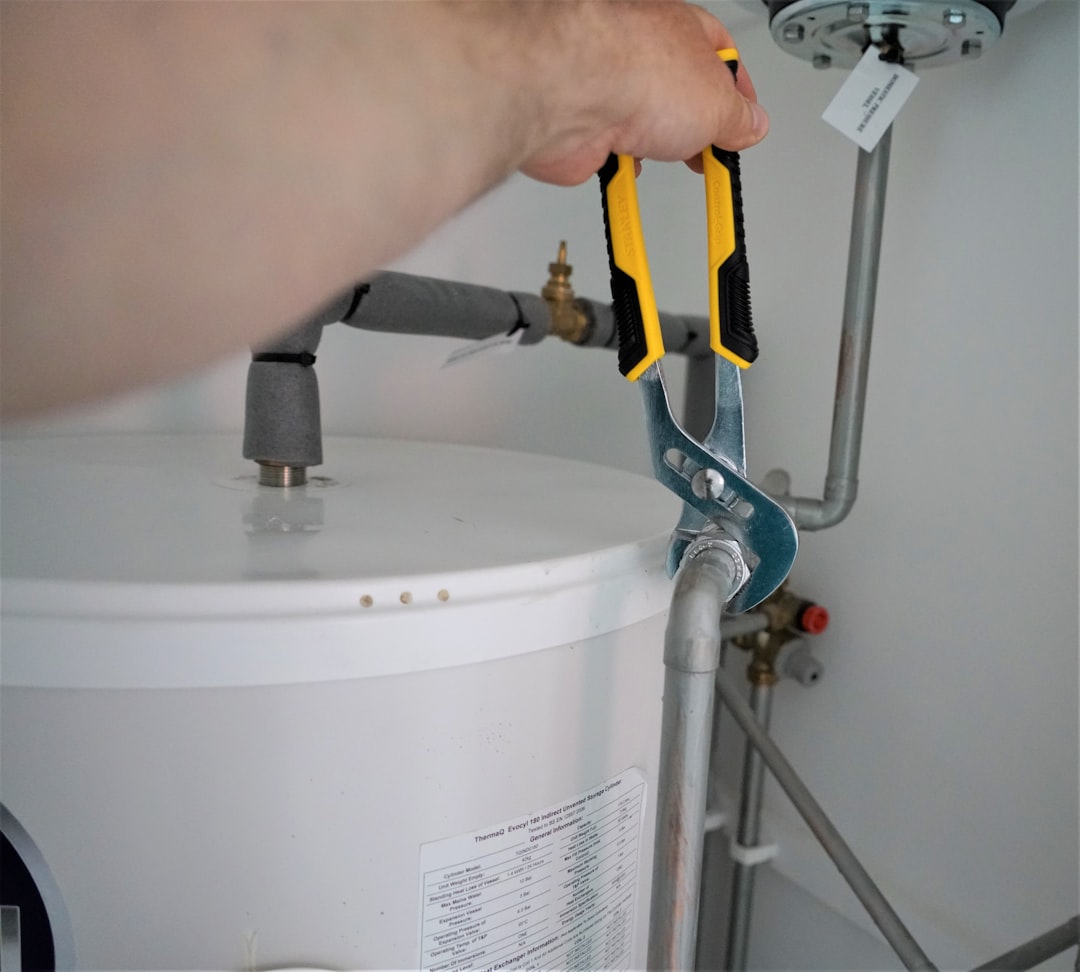
- Shut off water supply and install tee fitting
- Mount RO cartridges and tank
- Run tubing to faucet
- Install air-gap faucet
- Connect drain saddle and test
Common Cost Pitfalls—and How CountBricks Avoids Them
- Undersized tanks cause callbacks
- Forgotten electrical work leads to change orders
- Inaccurate permit fees erode margin
Next Steps
For precise estimates, visit CountBricks.com.
Case Study: Turning a "Ballpark" Number into a Signed Contract
Jackson and Co. Plumbing used CountBricks to provide detailed estimates, transforming vague quotes into signed contracts. By capturing real-time site details, they produced a transparent breakdown:
- Materials: $430
- Labor: $350
- Electrical outlet: $120
- Permit: $100
- Total: $1,100
This approach reduced estimating time by 80% and increased margins by 12%.
Five Pro Tips for Residential Contractors
- Offer tiered equipment options
- Use blueprint takeoffs to verify dimensions
- Schedule filter-change reminders
- Attach ROI charts to proposals
- Bundle RO installs with maintenance
Future-Proof Your Estimates
Stay updated with CountBricks' nightly material library updates. As codes evolve, our AI ensures compliance and profitability.
For more projects, visit CountBricks.com.