

For construction professionals, accurately estimating the cost of adding a balcony is crucial. In urban areas like New York, costs can vary significantly based on factors such as building type and material choice. Typically, the cost ranges from $30–$90 per sq ft per square foot, depending on the complexity and materials used. This guide provides insights into the factors influencing these costs and how to manage them effectively.
• Load-bearing capacity must meet local codes for live and dead loads.
• Existing framing may require reinforcement or new ledger connections.
• Engineering drawings and inspections add professional fees to the total.
• Steel, concrete, or pressure-treated lumber each carry different per-square-foot costs.
• Railing systems range from budget aluminum pickets to high-end glass panels.
• Waterproofing membranes, flashing, and corrosion-resistant fasteners protect the structure and extend lifespan.
• Ironworkers or carpenters handle framing and decking.
• Certified welders are often needed for steel balconies.
• Finishes such as tile or composite require specialty installers.
• Urban sites may need sidewalk permits or after-hours crane lifts.
• Limited staging areas increase labor hours for material handling.
• Occupied units demand extra safety measures and tenant coordination.
• Local zoning can dictate balcony size, projection limits, and setback rules.
• Plan review fees, structural filings, and on-site inspections add to timelines.
• Condo boards and landmark districts may impose additional approvals.
Based on extensive data, most balconies fall into three cost tiers (all figures include labor, materials, and permits):
• Entry-Level Juliet or Cantilevered Steel: $30–$90 per sq ft per sq. ft.
• Mid-Range Framed with Composite Decking: $30–$90 per sq ft per sq. ft.
• Premium Concrete or Glass-Railed Terrace: $30–$90 per sq ft per sq. ft.
Variables such as crane rental, existing façade modifications, and premium finishes can push totals higher. Real-time pricing is essential for accurate estimates.
• Cantilevered steel is lean on support columns, ideal for narrow lots.
• Bolt-on modular systems reduce field welding.
• Roof-deck conversions can piggyback on existing structural beams.
Involving your general contractor early can help identify code conflicts and suggest cost-effective framing alternatives.
Winter steel work often commands off-season discounts, while summer labor rates climb. Plan accordingly to save on costs.
• Factory-welded balcony frames shave days off site schedules.
• Pre-finished railings eliminate on-site painting and cure time.
• Modular decking panels click together for quick installs.
Ready to move forward? Visit CountBricks.com to explore more about balcony construction and get a personalized quote.
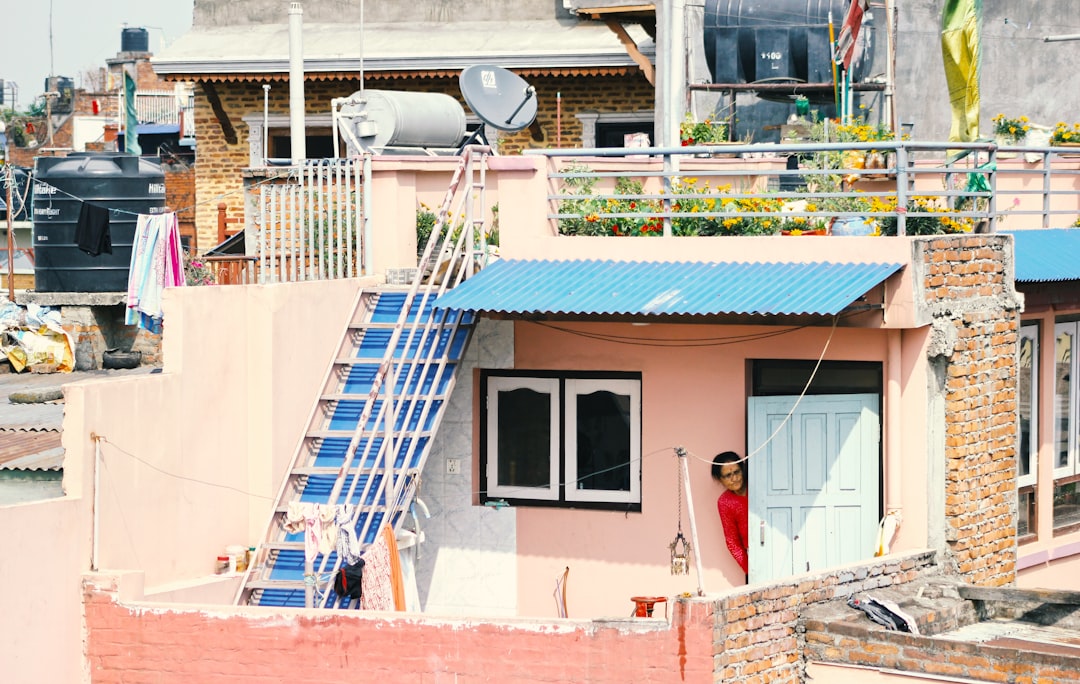
A Park Slope homeowner sought to replace an aging fire escape with a steel and ipe-decked balcony. Traditional bids ranged from $8,000–$25,000. Here's how CountBricks provided clarity:
1. The contractor narrated dimensions and finish preferences into the CountBricks app.
2. Within minutes, an $14,000 itemized estimate was produced, including crane rental and stainless-steel cable rail.
3. The client received a branded PDF proposal and signed electronically the same day.
• CountBricks AI detected existing joist spacing and flagged areas requiring sistering for load support.
• Our compliance engine auto-filled NYC TR1 and PW1 forms, reducing permitting time by a week.
• The platform scheduled mandatory inspections and synced reminders to the GC’s calendar.
The prefabricated balcony was craned into place in a single morning. Real-time cost tracking kept material overruns below 1.5%. Final invoicing was generated on-site.
• Engage CountBricks early to compare steel vs. engineered-wood ledgers before drawings are sealed.
• Use our seasonal labor cost heat map to book crews during lower-demand windows.
• Leverage the CountBricks material substitutions tool to evaluate composite decking options that meet budget without sacrificing aesthetics.
Explore more success stories at CountBricks.com.
