

Accurate estimation of glass costs is critical for project profitability. In residential construction, glass can account for 8-15% of a project's budget. As of February 2026, the average labor costs range from $50 to $120 per opening, depending on glass type and installation complexity. This underscores the importance of accurate installation rates and comprehensive planning for budget management.
• Clear annealed glass is the most economical choice.
• Tempered or laminated safety glass can increase costs by 20-40%.
• Low-E or insulated units offer energy savings at higher prices.
• Standard 1/8 in. panes are budget-friendly.
• 3/8 in. and 1/2 in. panels, used in high-end applications, significantly raise costs.
• Oversize pieces involve special handling and additional shipping charges.
• Basic seamed edges are the least expensive.
• Custom options like beveling or special cuts can add $4–$8 per linear foot.
• Simple installations require minimal labor.
• Complex installations, like skylights or large doors, need larger crews and equipment.
Glass prices vary by region due to local demand and freight costs. Using advanced estimating technology, update your quotes based on the latest regional data for improved accuracy.
1. Define project scope, such as replacing eight 36 × 60 double-hung windows with Low-E glass.
2. Convert scope to digital line items.
3. Apply current vendor pricing, including discounts.
4. Calculate labor using up-to-date regional wage data.
5. Adjust for waste and contingency.
6. Generate a professional estimate ready for delivery.
• Single-pane window replacement: $4–$6 per sq ft material, $50–$80 labor per opening
• Insulated glass unit (IGU) replacement: $10–$15 per sq ft material, $80–$120 labor
• Demolition fees for old units
• Repairs to surrounding structures
• Permit costs for structural changes
• Additional HVAC during installation
• Post-installation cleaning fees
Due to 18% annual material volatility, precise takeoffs are vital. Advanced tools identify every component to prevent costly mistakes.
In a Maple Grove project, precise estimates were maintained by identifying overlooked items, ensuring both accuracy and client satisfaction, thus protecting a 12% profit margin.
• Order standard sizes where possible.
• Bundle shipments to reduce freight charges.
• Replace drywall with glass walls for potential savings.
• Use digital tools for supplier negotiations.
• Schedule installations post other trades to minimize risks.
1. Create an account on a reliable estimating platform.
2. Sync supplier catalogs.
3. Conduct on-site measurements via the app.
4. Review and dispatch estimates swiftly.
5. Convert quotes to invoices efficiently.
Electrochromic Smart Glass costs are decreasing and may become regulatory in future energy standards. Carbon-Neutral Manufacturing introduces surcharges, with specialized tools helping dissect these costs for clients.
Accurately estimating glass costs is essential for sustaining profitability. Leveraging technology streamlines the process, ensuring effective bids and project success.
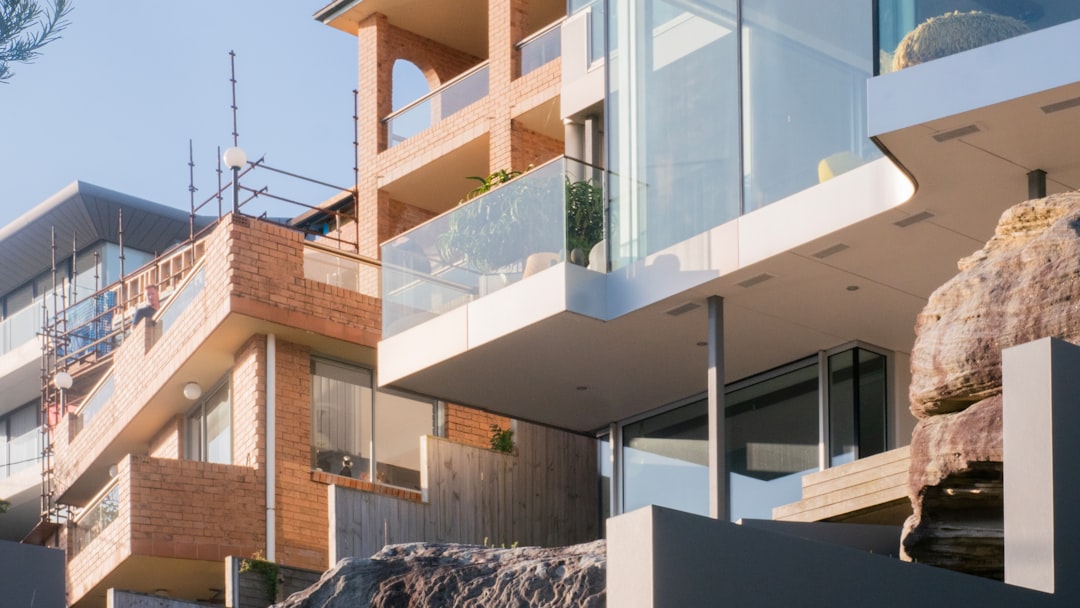
Lakeview Builders successfully priced twelve windows and a shower enclosure, keeping the project within budget by utilizing advanced estimation tools.
Contractors specified dimensions and glass types via the app, automatically filling in data such as labor rates and waste factors, ensuring quick precision.
The platform notified the team of an upcoming supplier surcharge, helping them lock in prices before an increase, leading to immediate savings.
By exporting the buy-list, Lakeview Builders received competitive supplier bids, optimizing material costs and enhancing profit margins.
Installers verified dimensions using QR codes, avoiding errors, and enabling smooth project completion. Invoices synchronized instantly with accepted quotes.
Effective glass cost management is crucial. Utilizing comprehensive solutions for accurate bidding ensures successful project outcomes.
