

Roof underlayment is a critical component in residential construction, providing a protective barrier beneath shingles or metal panels. For construction professionals, understanding the cost of roof underlayment is essential for accurate budgeting and project planning. The cost of materials typically ranges from $0.10–$0.80 per square foot, while installed costs can range from $0.75–$4.00 per square foot, depending on labor and additional materials.
• Asphalt-saturated felt: Economical but with a shorter lifespan.
• Synthetic polymer sheets: Mid-range cost with enhanced durability.
• Peel-and-stick membrane: Higher cost, superior protection.
• Simple gable roofs require fewer materials.
• Complex designs increase material waste by 5-15%.
AI tools calculate precise square footage and waste factors, reducing overestimation.
• Ice-dam membranes are necessary in freeze zones.
• Fire-rated synthetics may be required in hurricane regions.
Labor rates vary by region, affecting installation costs.
Material costs range from $0.10–$0.80 per square foot. Installed costs, including labor and additional materials, range from $0.75–$4.00 per square foot. Premium membranes can reach $1.00–$3.00 per square foot.
1. Synthetic underlayment rolls – $900
2. Cap nails and sealant – $600
3. Labor, tear-off complete – $1,600
4. Disposal fees – $300
5. Project overhead & margin – $1,000
Total Estimate: $3,600 (or $0.50/ft²)
Voice-to-Estimate Workflow
1. Input roof dimensions and material preferences via mobile device.
2. AI converts input to structured estimates with live pricing.
3. Adjust margins or materials instantly.
Blueprint & Drone Takeoffs
Upload plans or imagery for automated cost calculations.
• Felt may save initially but could incur higher long-term costs.
• Synthetic sheets offer UV resistance, reducing weather delays.
• Peel-and-stick membranes may lower insurance premiums.
• Extra fasteners for high-wind areas.
• Safety equipment for steep slopes.
• Winter-grade adhesives for cold installs.
• Permit fees and inspection costs.
• Order extra material for complex roofs.
• Store materials properly to maintain quality.
• Use light-colored synthetics in summer.
• Inspect sheathing during tear-off.
• Schedule installations in cooler temperatures.
Consider upgrades for long-term projects like solar panels or metal roofing. A small investment now can prevent costly future repairs.
For precise estimates, start a session or upload plans at CountBricks.com. Receive detailed cost breakdowns and branded quotes quickly.
• Material choice, roof complexity, and labor demand affect costs.
• AI tools provide accurate, real-time estimates.
• Presenting detailed options can help win more bids.
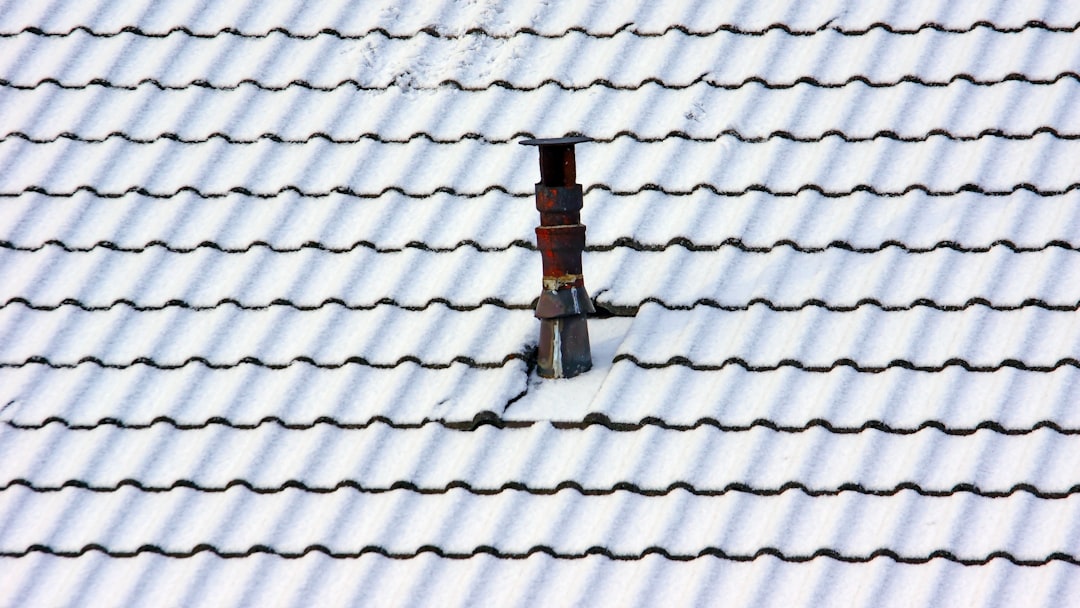
A contractor in Lansing used AI tools to refine a 3,400 ft² roof replacement estimate. Initial manual measurements overestimated materials and costs.
• AI takeoff reduced material needs by 5 rolls.
• Local supplier integration lowered material costs.
• Labor rate adjustments saved $600.
The revised estimate saved $2,800, enhancing transparency and winning the contract.
1. Create a project at CountBricks.com.
2. Upload blueprints or use voice input.
3. Confirm material and profit margins.
4. Receive detailed estimates and proposals.
5. Convert quotes into billing schedules easily.
• Professional proposals enhance credibility.
• Automated tracking protects margins.
• Cloud storage ensures easy access to project data.
AI tools streamline the estimation process, providing accurate cost insights and simplifying project management.
