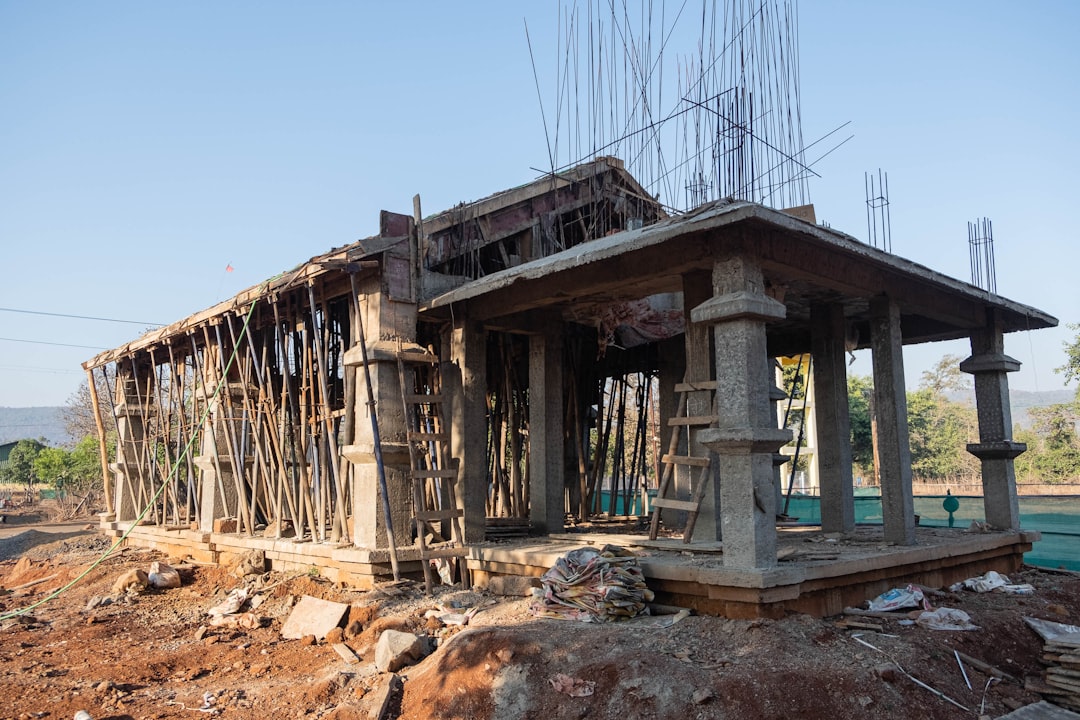
Cost to Grade Land for Residential Projects
Price source: Costs shown are derived from our proprietary U.S. construction cost database (updated continuously from contractor/bid/pricing inputs and normalization rules).
Eva Steinmetzer-Shaw
Head of Marketing
Understanding Land Grading Costs for Construction Projects in 2026
In 2026, the average cost to grade residential land in Denver ranges from $1.00 to $2.00 per square foot. Proper grading is essential in ensuring effective drainage and site preparation, significantly impacting the overall budget and construction timelines. Construction professionals must consider these costs carefully to avoid budget overruns.
What is Land Grading?
Land grading involves modifying the terrain to create a suitable building surface. Key aspects include:
- Leveling foundations
- Ensuring effective drainage systems
- Preparing driveways and patios
- Complying with slope and storm-water control codes
Factors Affecting Grading Costs
Numerous factors influence grading expenses, such as:
- Size and Elevation: Larger, more steeply sloped areas require additional effort.
- Soil Composition: Rocky or clay soils necessitate specialized equipment.
- Site Accessibility: Urban constraints can increase costs.
- Clearing: Removing vegetation or existing structures adds to expenses.
- Environmental Regulations: Compliance with local regulations may incur additional fees.
Advanced Grading Estimates with CountBricks
Leverage CountBricks' technology to achieve precise grading estimates:
- Voice-to-app data for accurate assessments
- AI for task automation and precision
- Current cost databases that adjust for market fluctuations
- Blueprint imports for detailed estimates
- Simplified project documentation processes
Tips for Efficient Grading
- Coordinate compaction and grading activities effectively
- Utilize drone surveys for increased accuracy
- Engage utility locators at an early stage
- Combine driveway preparation with grading tasks
Hidden Costs in Grading
- Soil transport fees
- Dewatering in areas with high-water tables
- Winter protection costs
Case Study: Optimizing Grading on Challenging Sites
In Denver, CountBricks successfully managed a 10,000 sq ft hillside project using AI-driven planning and drone technologies, achieving significant reductions in initial cost estimates. Learn more at CountBricks.com.
Secure Your Grading Estimate
Finalize your grading costs swiftly with CountBricks. Visit CountBricks.com to explore our solutions and focus on executing construction projects with excellence.
Grading Case Study: Strategic Solutions to Challenges
In Denver, CountBricks effectively managed a 7,800 sq ft project featuring cobble-heavy soil. Utilizing advanced technology, the project was completed on budget and in compliance with regulations.
Project Challenges
- High cobble content increased equipment wear and tear
- Restricted access required specialized equipment
- Urban regulations demanded extensive documentation
Solutions by CountBricks
CountBricks identified challenges on-site and applied AI-driven solutions to optimize resource allocation and minimize expenses.
Results
- Project completed within budget
- Enhanced efficiency with real-time adjustments
- Reduced reporting overhead through automation
Conclusion
CountBricks provides proactive tools and insights to manage unforeseen complications efficiently. Start your construction project with us at our services page.