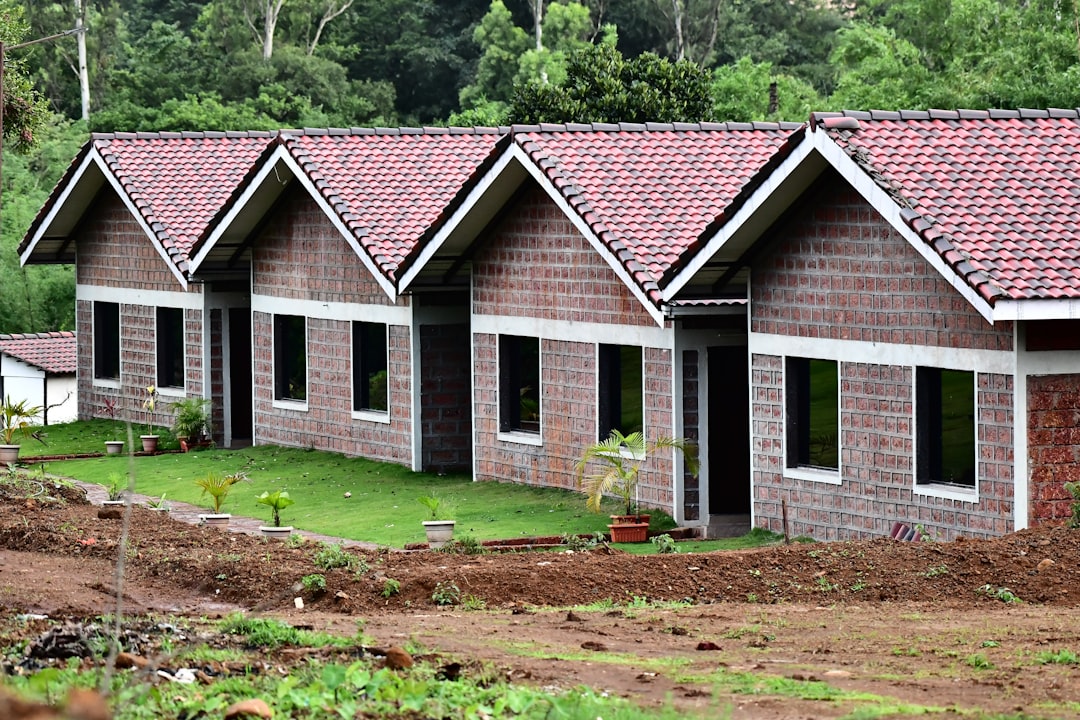
Professional Grading Costs for Residential Sites
Price source: Costs shown are derived from our proprietary U.S. construction cost database (updated continuously from contractor/bid/pricing inputs and normalization rules).
Eva Steinmetzer-Shaw
Head of Marketing
Understanding the Real Costs to Grade Land for Residential Sites
Grading a residential site involves significant expenses, usually ranging between $0.40 and $2.00 per square foot. For larger or more complex projects, costs can rise, averaging from $4,400 to $43,600, depending on factors like lot size, soil type, and the desired finish. This guide explores these variables and highlights how professional tools ensure accurate grading estimates efficiently.
Key Factors That Influence Grading Costs
Successful grading impacts drainage, regulatory compliance, and maintenance. Essential factors include:
- Lot Size and Shape: Flat areas are simpler, while slopes need extensive work.
- Soil Composition: Different soil types affect the project's complexity.
- Existing Vegetation and Debris: More debris means higher costs.
- Desired Finish Grade: Varies by project requirements.
- Access and Logistics: Affects equipment use and time.
Average Price Ranges for Grading
Cost estimates for various lot sizes are:
- Quarter-acre lot (10,890 ft²): $4,400 – $10,900
- Half-acre lot (21,780 ft²): $7,900 – $22,268
- One-acre lot (43,560 ft²): $15,800 – $44,535
Beware of Hidden Costs
- Soil import/export
- Erosion control measures
- Permitting fees
- Compaction testing
Maximizing Efficiency with Professional Tools
Incorporating AI-driven tools into grading estimates can streamline operations, save time, and boost precision. Tools offering AI voice capture, blueprint takeoff features, and real-time pricing data give a significant edge.
Step-by-Step: Using Tools for Detailed Estimates
- Create a new project profile.
- Input the specifics of your lot.
- Upload necessary plans for automated analysis.
- Review and refine the generated tasks.
- Produce and finalize your cost estimate.
Tips to Reduce Grading Costs
- Schedule work for dry weather to minimize delays.
- Optimize soil reuse to cut down on new material costs.
- Streamline utility installations to reduce disruptions.
- Ensure early compliance with local regulations.
- Consider alternative expense scenarios to manage budget efficiently.
Digging Deeper: Practical Ways to Optimize Grading Operations
Advanced tools enable precise scenario modeling, allowing builders to refine design strategies and optimize grading operations dynamically.
Scenario Modeling
- Evaluate various pad elevations.
- Compare different structural alternatives.
- Share cost scenarios for expedited decisions.
On-Site Validation
Real-time updates prevent budget overruns by keeping project metrics accurate.
Efficient Change Management
- Document changes with voice memos.
- Create accurate new estimates promptly.
- Issue change orders efficiently.
Verified Supplier Network
- Access current rates from local sources.
- Ensure accurate budget components.
- Facilitate faster project approvals.
Success Story
A Chicago firm minimized grading contingencies with advanced tools, achieving cost precision and client trust.
Start optimizing your project today at CountBricks.com