

For construction professionals, accurately estimating the cost of window installation is crucial. The average cost for installing a standard vinyl window ranges from $350–$800 per unit, while fiberglass options can range from $900–$1,400. Premium wood-clad units may exceed $1,500 each. This guide breaks down the factors affecting these costs, helping you plan effectively and avoid unexpected expenses.
Every project is unique, yet most residential window jobs share six major cost categories:
The unit itself is the biggest cost factor. Vinyl is popular for its affordability and thermal performance, averaging $350–$800 per unit installed. Fiberglass and composite frames range from $900–$1,400, while premium wood-clad units can exceed $1,500 each.
Standard 3'x5' windows are cost-effective, but adding features like architectural shapes or impact-rated glass can increase costs by 20–50%.
Retrofit installations save up to 30% on labor if the existing structure is sound. Full-frame replacements are necessary for damaged openings, increasing costs.
Siding material affects labor time. Vinyl or fiber-cement panels are quicker to work with than brick or stone, which require more skill and time.
Labor rates vary by region, with a median rate of $50–$65 per hour for a two-person crew. Urban areas may see rates exceed $75 per hour.
Our AI-driven platform streamlines the estimating process, reducing admin time by up to 80% and helping contractors win more bids at higher margins.
Energy-efficient windows may qualify for tax credits and rebates. CountBricks identifies eligible units and includes credit amounts in proposals.
Successful projects rely on trust and craftsmanship. CountBricks pre-screens installers and tracks quality scores to ensure reliability.
With CountBricks AI estimating, construction professionals can eliminate uncertainty and make data-driven decisions to keep projects on budget.
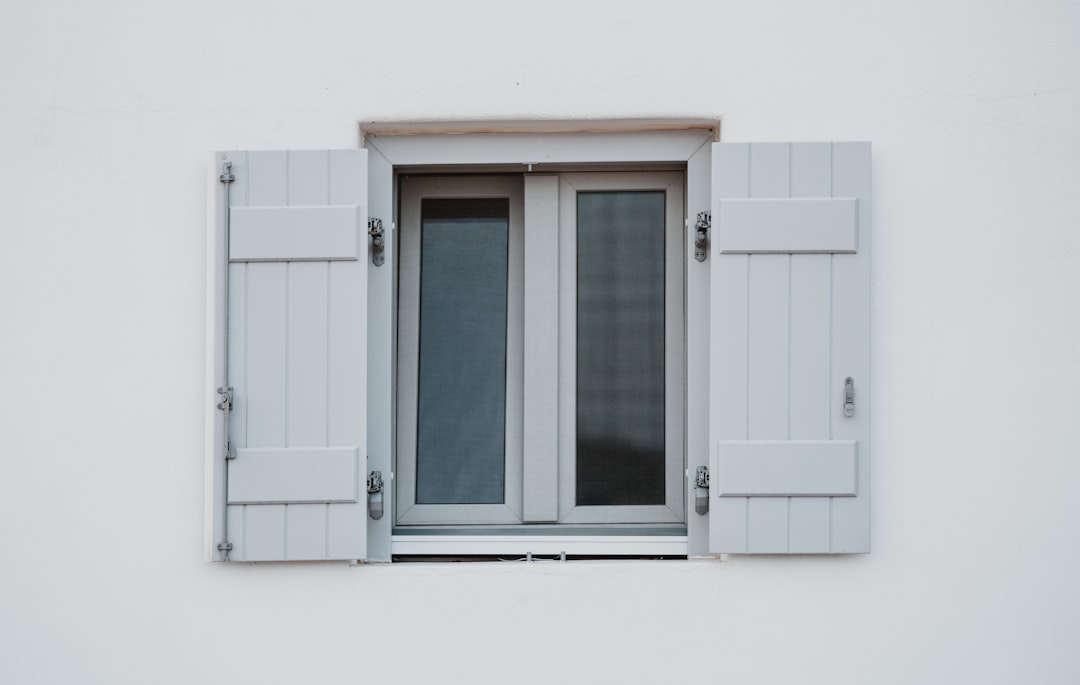
A contractor in Dallas used CountBricks to estimate a project involving 18 window replacements. The AI identified:
Total material cost was $12,460, with labor and other expenses adding $8,210, resulting in a quote of $20,670.
1. Data-Driven Options: Real-time price comparisons helped the homeowner choose confidently.
2. Instant Scheduling: The project was scheduled during mild weather, reducing risks.
3. Margin Protection: Locked supplier pricing protected against a price spike.
Visit CountBricks.com to experience voice-driven estimating that turns scope into a signed contract quickly.
