

For construction professionals, understanding the cost to install baseboard is crucial for accurate project planning. The installation cost can range from $5.70–$9.00 per linear foot, depending on material and complexity. CountBricks provides precise estimates using AI blueprint takeoffs and live supplier pricing, ensuring you have reliable data at your fingertips.
• Linear footage of wall receiving trim
• Profile style and material grade (MDF, primed pine, hardwood, PVC)
• Number of inside and outside corners requiring miter cuts
• Prep work such as demo, drywall repair, and floor leveling
• Finish level: caulk only, caulk plus paint, or custom stain
• Local labor rates and project timing
Based on extensive data, the following are average installed costs:
• Budget MDF, paint-ready: $5.70–$7.00 per linear foot
• Finger-joint pine, semi-gloss paint: $6.00–$8.00 per linear foot
• Select alder or oak, stained: $8.00–$12.00 per linear foot
• Premium poplar with custom profile: $12.00–$16.00 per linear foot
These figures include materials, fasteners, adhesive, standard prep, and one finish coat. Additional coats or complex details can increase costs by 15–25%.
Traditional estimators rely on manual measurements, but CountBricks offers:
1. Voice-guided room capture on your smartphone
2. AI blueprint import for instant linear-foot counts
3. Live pricing feeds from local suppliers
4. Updated labor databases
5. Auto-generated quote documents
This ensures you know the cost to install baseboard before starting, avoiding costly change orders.
MDF (Medium Density Fiberboard)
• Lowest material cost
• Excellent paint finish
• Not recommended for wet areas without sealing
Finger-Joint Pine
• Moderate price point
• Resists minor impact better than MDF
• Requires primer to hide joints
Hardwoods (Oak, Alder, Maple)
• High durability and premium appearance
• Accepts stain beautifully
• Material cost 2–3× MDF
Cellular PVC
• 100% moisture-proof, ideal for basements and baths
• Paint optional but recommended for UV stability
• Slightly higher material cost than pine
Labor typically accounts for 55–65% of the total baseboard cost. CountBricks tracks crew production rates at:
• 110–130 linear feet per installer per day in furnished remodels
• 160–200 linear feet per installer per day in empty new builds
Complex profiles or out-of-square rooms can slow rates by 20%. Our AI adjusts for these variables based on floorplan geometry.
1. Remove existing trim and nails, then vacuum debris
2. Check walls for bowing and shim studs if necessary
3. Cut new base to length, dry-fit corners
4. Apply adhesive, set in place, and nail to studs
5. Fill nail holes, caulk top edge, sand smooth
6. Apply primer or first finish coat
7. Final inspection and touch-ups
Professionals should consider the efficiency of hiring verified installers who use:
• Professional-grade dustless saws and oscillating tools
• Laser measurers for perfect returns
• Insurance and workmanship warranties
DIY savings often diminish when accounting for mistakes and rework. Professional labor is included in our AI estimates.
• Select a pre-primed profile to skip on-site primer
• Install standard 3-¼″ height in closets and utility rooms
• Schedule during other interior trim work to share mobilization costs
• Approve digital change orders to lock pricing before material increases
Contractors using CountBricks report a 37% higher close rate. Our proposals highlight:
• Transparent scope definitions
• Real-time material pricing proof
• Built-in milestone billing schedules
• One-click acceptance and digital signatures
Clients see exactly what they’re paying for, reducing price objections tied to hidden costs.
Upload your floorplan or start a voice walk-through today. Visit CountBricks.com to get started.
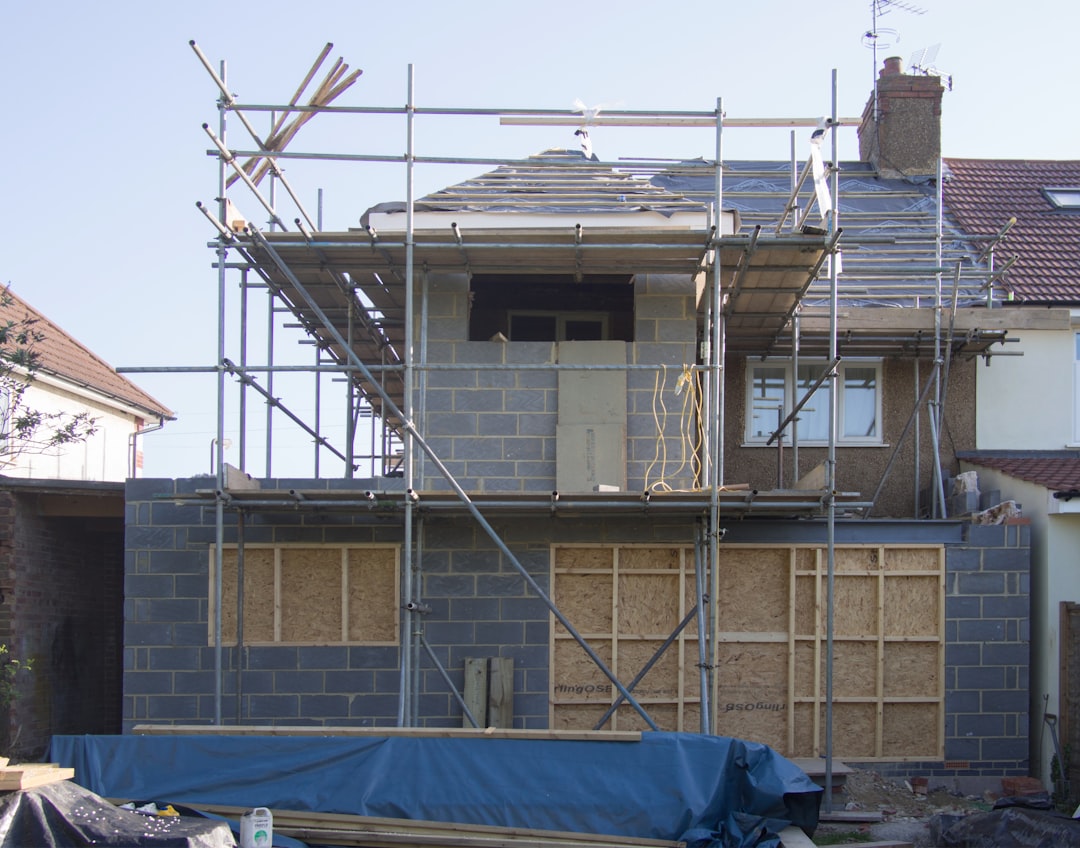
A Mesa homeowner used CountBricks to refresh 2,400 sq ft of living space with 5-inch finger-joint pine baseboard painted semi-gloss white. Here's how our platform delivered:
AI Takeoff Accuracy
• 682 linear feet captured from the original blueprint in 90 seconds
• 12 curved wall segments auto-flagged for flex trim pricing
• Waste factor reduced from 15% to 8% by optimizing cut sequencing
Live Material Pricing
• Three local lumber yards fed real-time numbers into the estimate
• Client selected the mid-tier supplier, saving $0.40 per foot
• Locked-in quote stayed valid for 30 days despite market volatility
Labor Optimization
• Scheduled a two-person crew for 3.5 days
• Staggered start with the painter to eliminate idle time
• Overall labor cost landed 11% below original budget
The final invoice matched the initial quote within 0.6%, providing predictability that turns first-time clients into lifelong advocates.
• Consider a taller baseboard when upgrading flooring thickness to maintain proportion
• Order 16-foot lengths when possible—fewer joints mean faster install and a cleaner look
• Use back-primed hardwood in humid climates to prevent cupping
• Request a split-finish option if different rooms need different paint colors; it streamlines painter scheduling
With CountBricks, convert any baseboard estimate into a professional contract in a single click. Visit CountBricks.com to see how easy residential trim projects can be when data and automation work for you.
