

For construction professionals, understanding the cost to install baseboard heating is crucial for accurate project planning. Installation costs typically range from $300–$1,100 per unit, depending on factors like heater wattage, electrical run length, and wall demolition. This guide provides a detailed breakdown of costs and offers insights into how to manage expenses effectively.
• Quiet, draft-free warmth that complements existing HVAC
• Low upfront equipment costs compared to ducted solutions
• Straightforward electrical connections ideal for remodels and room additions
• Zoned control that boosts energy efficiency in rarely used spaces
Installation at floor level requires careful coordination of finish carpentry, electrical, and trim work. Accurate takeoffs are essential to avoid scope gaps that can inflate costs.
The cost to install baseboard heating generally falls between $300 and $1,100 per unit. Variations arise from heater wattage, electrical run length, wall demolition, and finish repair. Staying updated with real-time material prices and local labor rates is crucial for accurate estimates.
1. Equipment
• Standard 4-ft hydronic unit: $180–$320
• High-output 6-ft electric unit: $200–$400
2. Electrical & Controls
• 120V or 240V circuit materials: $35–$250
• Wall thermostat: $40–$300
• Panel breaker upgrades: $50–$130
3. Labor
• Mounting & trim carpentry: $400–$650 per unit
• Dedicated circuit installation: $400–$1,100
4. Ancillary Costs
• Drywall repair & paint: $65–$200
• Permit fees (region dependent): $50–$130
Bundling these line items into a transparent schedule of values helps manage costs effectively.
• Square footage and heat-loss calculations that dictate unit wattage
• Availability of an open breaker slot versus panel upgrades
• Wall construction type (plaster, drywall, shiplap) impacting demo/repair
• Trim profile complexity: basic shoe molding vs. custom milled base
• Occupied remodel vs. new build timeline constraints
1. Describe the room size, desired comfort level, and finish materials to build a project scope.
2. Analyze digital blueprints or smartphone scans to extract exact wall lengths and circuit runs.
3. Sync with regional suppliers and labor indexes for up-to-date pricing.
4. Receive a branded proposal ready for client approval, complete with optional upgrades.
• Install heaters on exterior walls beneath windows to reduce cold downdrafts.
• Bundle multiple rooms into one mobilization to reduce per-unit labor overhead.
• Opt for universal trim kits to save time on custom baseboards.
• Schedule electrical rough-ins before flooring installation to streamline circuit pulls.
1. Same-Day Digital Consultation: Connect with an estimator and receive a quote quickly.
2. Permit & Procurement (2-5 days): Submit permit packages and lock in heater inventory.
3. Installation (1-2 days): Complete mounting, wiring, and trim touch-up.
4. Final Walkthrough: Verify thermostat operation and finish quality.
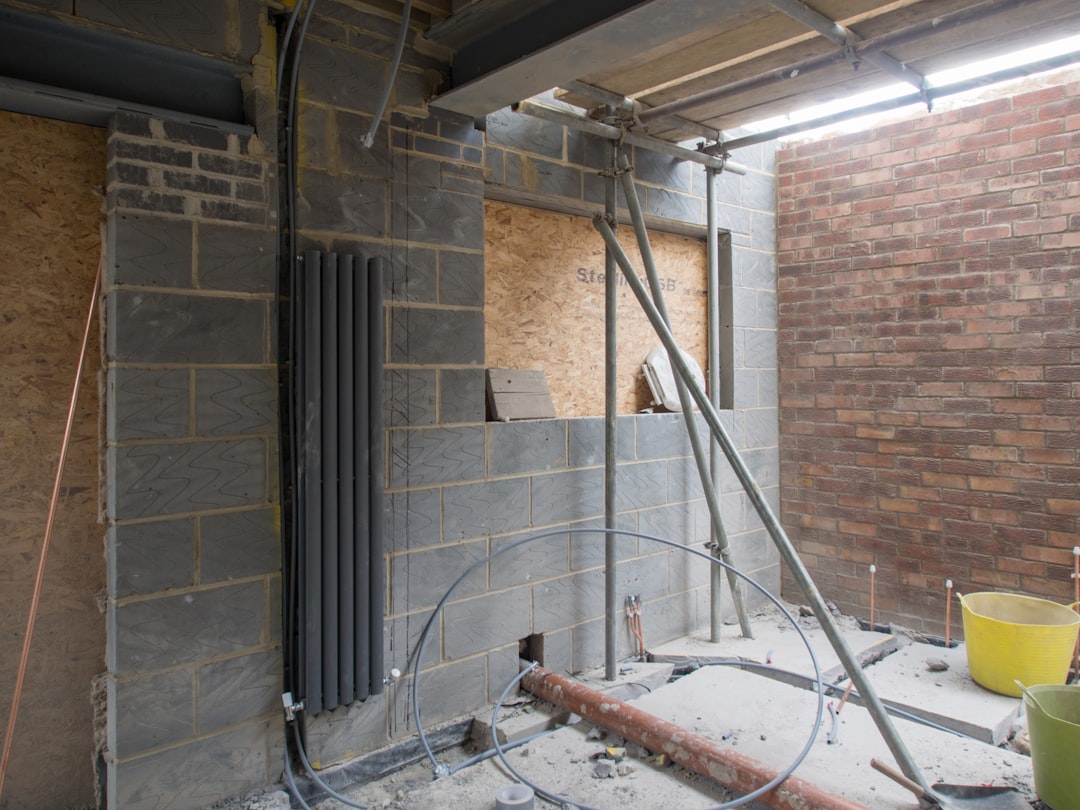
A North Dallas homeowner recently converted a drafty 240 sq-ft sunroom into a four-season retreat. The unpredictable cost to install baseboard heating was a concern after receiving conflicting quotes from multiple contractors.
• The client uploaded a smartphone scan of the room. Wall lengths and window locations were extracted quickly.
• Preferences were captured: keep existing hardwood floors, match painted colonial base trim, and add smart thermostat control.
• Live supplier feeds priced a 6-ft 1,500-watt hydronic unit at $180, reflecting recent savings.
The final quote was $800, broken down as:
• Equipment: $180
• Electrical & controls: $200
• Labor: $600
• Patch & paint: $100
The homeowner approved digitally, and installation was completed efficiently.
• Compare past projects to gauge realistic budgets before committing.
• Pair hydronic units with programmable thermostats to lower operating costs.
• Prioritize insulation and air sealing to amplify comfort gains.
