

For construction professionals, accurately estimating the cost to install a bathroom light fixture is crucial. Current installation costs range from $158 to $1,018, depending on fixture type and complexity. This guide provides a detailed breakdown of factors influencing these costs, ensuring you can provide precise quotes and avoid overestimating.
1. Fixture Type
Material costs vary significantly: $50–$200 for basic fixtures to $600–$5,500 for designer options. Ensure you access real-time pricing to avoid overpaying.
2. Existing Electrical Conditions
Swapping fixtures is straightforward, but adding new locations can increase labor costs from $50 to $250. Use detailed site assessments to determine the necessary labor.
3. Accessibility and Ceiling Height
Standard ceilings are easier to work with, while vaulted ceilings may require additional equipment and time.
4. Local Permit Requirements
Check local regulations to determine if permits are needed, as this can affect both time and cost.
These figures are based on current data from major markets and are updated regularly to reflect changes.
1. Initial Consultation – Gather detailed project requirements.
2. Real-Time Takeoff – Use digital tools to extract specifications.
3. Cost Compilation – Assemble a comprehensive cost estimate.
4. Approval – Secure client approval before proceeding.
5. Certified Install – Complete the installation with certified professionals.
Be aware of potential additional costs such as old work box replacements, GFCI upgrades, and disposal fees. Address these in your initial assessment to avoid surprises.
Professional installation ensures compliance with codes and preserves warranties, reducing the risk of costly rework.
Bundle multiple tasks to reduce mobilization fees and streamline project timelines.
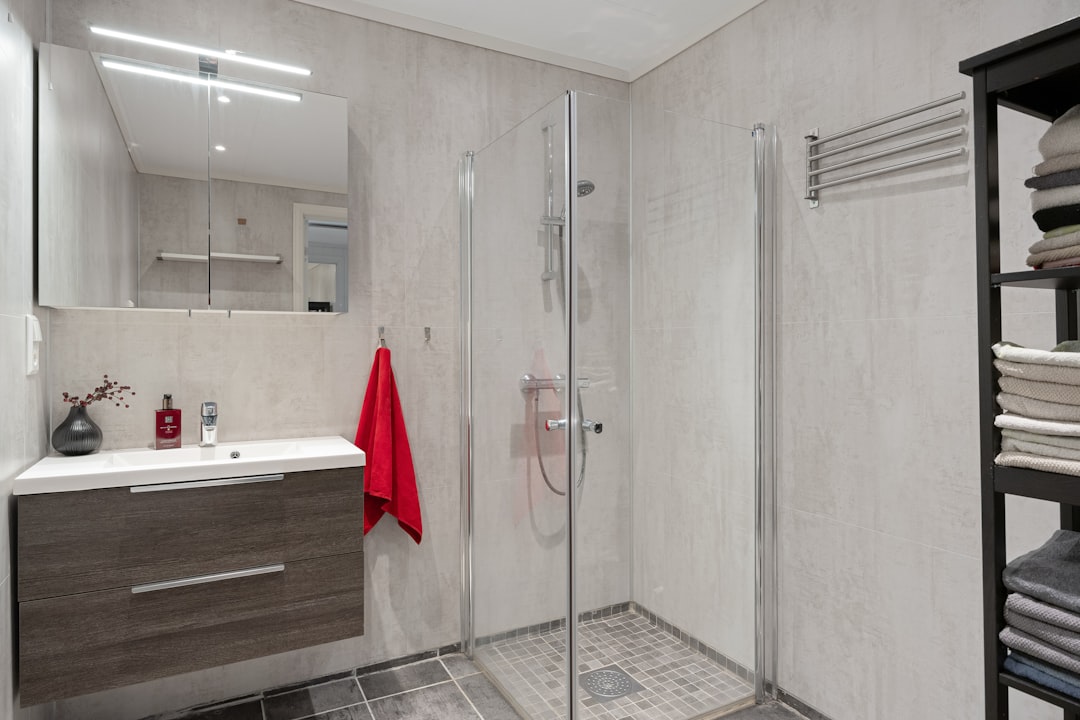
A recent project involved replacing a vanity bar, adding a shower light, and swapping a hallway sconce. The total cost was $588, completed efficiently with minimal disruption.
These costs reflect efficient planning and execution, ensuring client satisfaction.
1. Timely Arrival – The crew arrived promptly.
2. Real-Time Updates – Progress was tracked and shared with the client.
3. Change Orders – Any adjustments were communicated and approved in real time.
The project was completed on time and within budget, with high client satisfaction.
Group tasks to optimize costs and ensure compliance with all regulations.
