

Exterior Insulation and Finish Systems (EIFS) offer a modern stucco-like appearance and enhance thermal performance for residential properties. For construction professionals, understanding the cost to install EIFS is crucial. In 2026, the typical cost ranges from $8–$14 per square foot. CountBricks provides accurate estimates by integrating real-time material pricing, AI voice measurement, and labor databases.
Understanding cost drivers early is essential for keeping budgets on track. Let's break down where your dollars go.
1. Surface Area and Complexity
The square footage of wall surface is the baseline. CountBricks voice-enabled blueprint takeoffs calculate area in seconds, even accounting for gables, dormers, and window setbacks.
2. Substrate Preparation
Older homes may require sheathing repair or air barrier upgrades before the EIFS base coat. Prep labor can add 10-15% to overall cost but is essential for warranty compliance.
3. Climate Zone
Thicker insulation boards are needed in cold regions. For example, Anchorage, AK projects commonly specify 3 in. EPS versus the 1.5 in. boards used in milder zones. CountBricks auto-loads local code requirements for regionally accurate estimates.
4. Finish Texture and Color
Fine sand, medium float, or specialty stone aggregate finishes carry different material price points. Dark pigments may require additional coats to achieve true color, increasing labor hours.
5. Access and Logistics
Tight urban lots demand smaller scaffolding sections and more setup time. Rural sites might add delivery fees for foam boards and base coat pails.
Nationally, CountBricks projects show an installed cost band of $8–$14 per square foot in 2026 dollars. Here's the break-out on a 2,500 ft² two-story home at $11/ft²:
CountBricks pulls current supplier catalogs every 15 minutes, ensuring estimates adjust automatically if EPS or acrylic finish prices shift—critical in today's volatile market.
Step 1: Voice-Enabled Walkthrough
Step 2: AI Cost Engine
Step 3: One-Click Proposal
The platform produces a branded PDF quote, complete with scope narrative, timeline, and payment schedule. Easily share or e-sign via CountBricks.com.
Does EIFS work in extremely cold regions?
Yes. When detailed with proper drainage, EIFS outperforms traditional siding in Alaska and the Upper Midwest thanks to its continuous insulation. CountBricks adjusts board thickness per climate zone.
How long does residential EIFS installation take?
A 2,500 ft² home typically requires 10–14 onsite days. CountBricks schedules crews and deliveries to compress downtime between coats.
What maintenance is required?
EIFS finish coats resist fading and cracking. Plan on gentle power-washing every two years and a fresh topcoat at the 15-year mark. CountBricks can include maintenance packages in your estimate.
Stop relying on back-of-napkin calculations. Upload your plans or walk the job with CountBricks today. Our residential construction specialists will deliver a transparent, line-itemed EIFS cost in minutes. Visit CountBricks.com to get started.
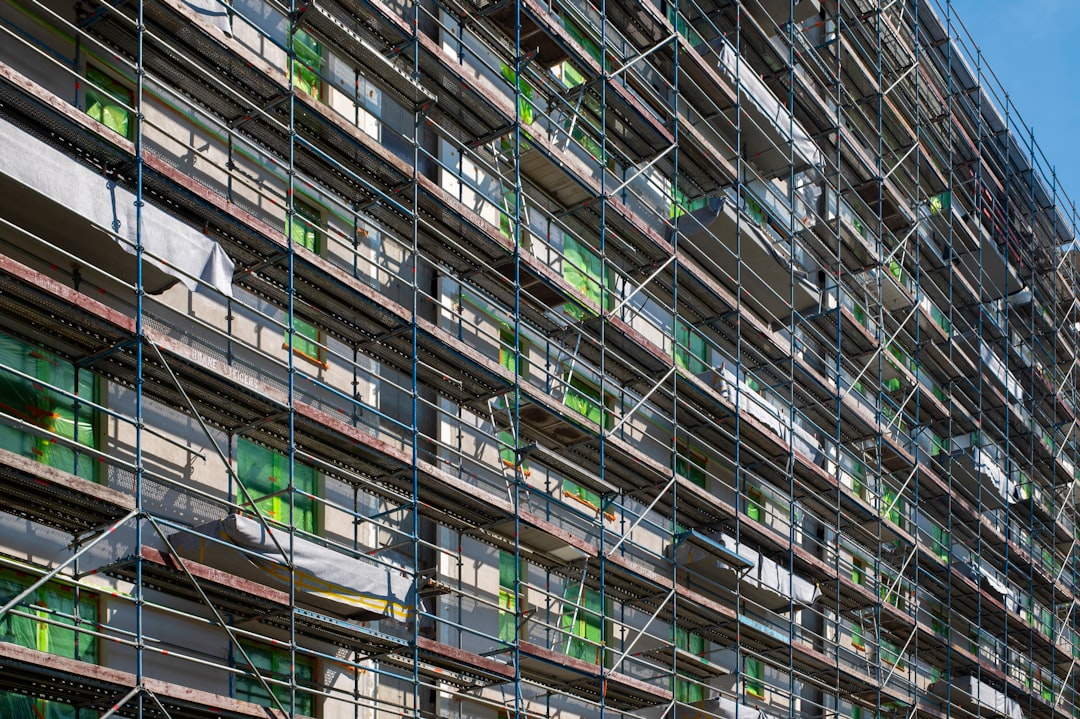
When the Jensen family decided to refresh their 1980s wood-lap siding in Anchorage, they wanted more than a cosmetic update. CountBricks conducted a remote walk-through, capturing wall dimensions via smartphone video and voice commands. Within 12 minutes, the system generated three cost scenarios:
Because Anchorage winters drive heating bills sky-high, the Jensens chose the 3-in. option. CountBricks’ materials API locked in pricing with a local supplier, saving 6% compared to last-month averages.
Whether you’re tackling a retrofit or new build, CountBricks translates EIFS complexity into actionable numbers and dependable timelines. Explore more success stories at CountBricks.com or request your own AI-powered estimate.
