

Accurate cost estimation for water heater installation is crucial for project profitability. As of February 2026, the installation of a 40- to 50-gallon electric tank is approximately $700 – $1,650, while gas tanks range from $700 – $2,300. Tankless systems can range from $1,400 – $5,600. Recognizing key cost factors such as labor rates, material expenses, and system efficiency helps construction professionals plan effectively.
• Conventional gas or electric models generally offer lower upfront costs.
• Tankless units require higher initial investment but reduce long-term utility expenses by up to 40%.
• Heat-pump models also require a significant initial investment but drastically cut energy use.
• Tank sizes range from 30 to 80 gallons, affecting both material and labor costs.
• Larger tanks may necessitate structural modifications, impacting overall installation expenses.
• Transitioning from electric to gas involves gas line extensions and necessary inspections.
• High-demand tankless models might require an electrical service upgrade.
• Basements typically facilitate straightforward installations with minimal venting challenges.
• Confined spaces such as attics require intricate venting solutions, increasing costs.
• Permit fees may constitute 5–15% of total project costs.
• Streamlined processes ensure permitted work with minimal disruption.
Typical costs for residential water heater installations in 2026 include:
Local labor rates are adjusted according to geographic differences, ensuring accurate and competitive pricing.
1. Specify your requirements: e.g., replacing a 40-gallon gas water heater in a basement.
2. Get a tailored materials list and updated cost estimate reflecting live supplier prices.
3. Calculate local labor rates to provide highly detailed quotes promptly.
• DIY projects can save up to 25%, yet face challenges with pricing and compliance.
• Mistakes in venting or gas line installation pose significant safety risks.
• Professional installations ensure compliance and safety, offering peace of mind.
• Quick estimates facilitate bid submissions in under 2 minutes.
• Reduced blueprint review time enhances project efficiency.
• Material price tracking safeguards profit margins.
Explore services at CountBricks.com.
Effective estimation practices allow for strategic management of expenses, optimizing resources for enhanced project outcomes.
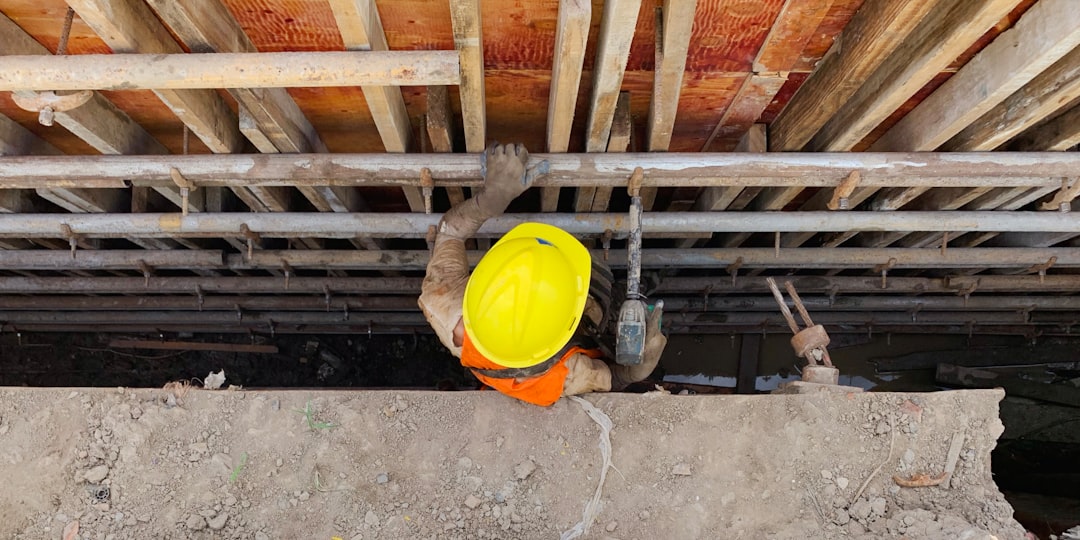
A contractor in Louisville utilized tailored estimation tools to swap a 38-gallon heater with an efficient 50-gallon model. From clearance to vent requirements, the smooth estimation process illustrated best practices for cost management.
• The automated parts list included a 50-gal 36 kBTU heater, vent kits, and necessary accessories.
• Adjustments for vent sizing added 1.2 crew hours.
• Permit fees aligned with local regulations.
The final estimate was $1,842, accepted via e-signature with minimal variance.
1. Removed the old unit within 45 minutes.
2. Completed vent and chimney preparations by noon.
3. Pressure-tested and activated the system by 3 p.m.
• Precise communication about vent requirements ensures accurate estimates.
• Evaluate site characteristics like ceiling heights for successful equipment delivery.
• Mid-week scheduling expedites permit processes.
For project insights, initiate a free trial at CountBricks.com.
