

For construction professionals, accurately estimating the cost to paint a garage floor is crucial. Prices can vary significantly based on factors such as surface preparation, coating type, and labor. On average, costs range from $5–$14 per sq. ft. per square foot, depending on the chosen system and project specifics.
These figures include surface preparation, materials, and labor for a 400–600 sq. ft. garage.
Surface preparation can account for 30–40% of the total cost. Proper prep ensures longevity and durability of the coating. Key steps include mechanical diamond grinding, crack repair, moisture testing, and application of primers or moisture-mitigation layers.
Single-Part Epoxy
Two-Part 100% Solids Epoxy
Polyaspartic
Efficient scheduling and coordination can significantly reduce project timelines. Leveraging AI tools to manage crew availability and supply inventories ensures a streamlined workflow.
In a recent project, a 520 sq. ft. garage required extensive preparation and a two-part epoxy system. The total cost was $2,250–$6,300, with vehicles back in the garage 72 hours after the final topcoat.
While DIY kits may seem cost-effective, hidden expenses and potential for error can lead to higher overall costs. Professional installation offers warranty-backed workmanship and eliminates equipment rental fees.
Flexible payment options, including pay-as-you-go milestones and 0% financing, are available to accommodate budgetary needs.
Using low-VOC coatings and ensuring proper safety measures protect both the environment and the work crew.
Utilize AI-driven tools to obtain a detailed cost breakdown in minutes, ensuring transparency and accuracy in project planning.
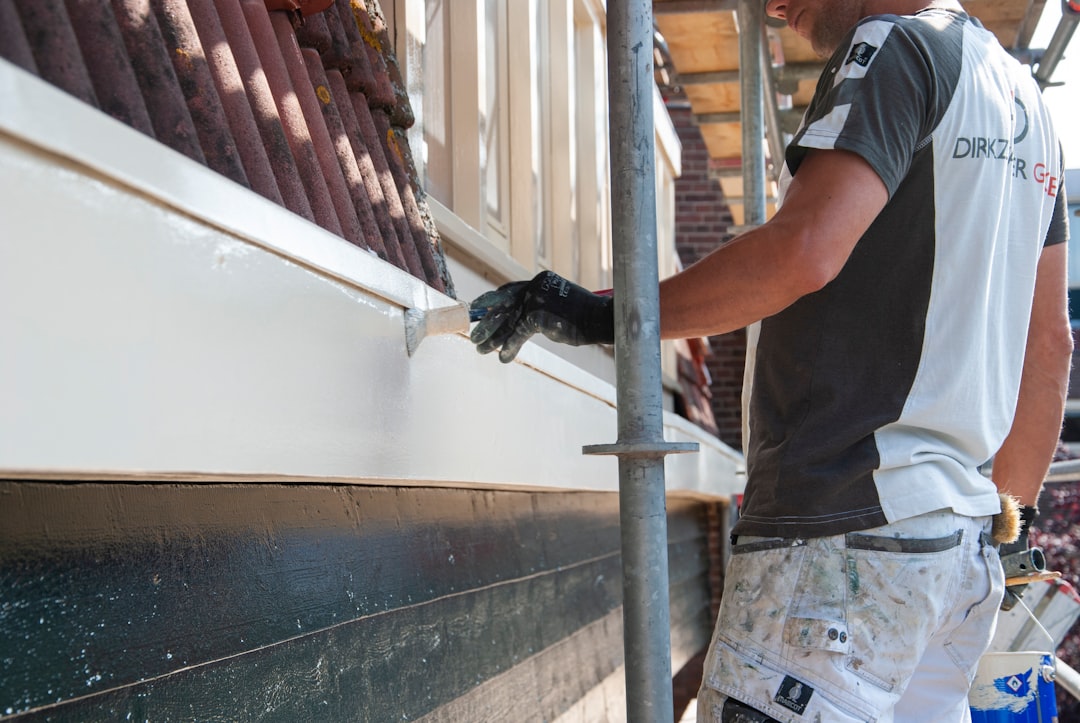
For construction professionals, upgrading a garage floor can be the gateway to broader home improvement projects. With existing measurements and data, additional projects can be efficiently planned and executed.
In a recent project, bundling garage floor coating with additional upgrades resulted in significant savings and increased home value.
Utilize existing project data to quickly generate new estimates, reducing the need for additional site visits and measurements.
