

Texturing ceilings is an essential step in finishing both residential and commercial spaces, providing aesthetic appeal and acoustic benefits. For construction professionals, accurate cost estimation is critical for competitive bidding and maintaining profit margins. In 2026, costs typically range from $1.00 to $2.50 per square foot. These costs depend on texture type, surface preparation, and labor requirements. Gain insights into how current market trends and regional variations impact costs.
Simple finishes like orange-peel are more cost-effective, whereas intricate designs such as knockdown or swirl patterns can increase material and labor expenses up to $2.50 per square foot.
Larger projects and higher ceilings necessitate more resources and labor hours, which are crucial factors for accurate cost estimates.
Surface preparation can involve removing old textures, priming, and mudding joints. Challenging removals may add $1.00 to $1.60 per square foot to your costs.
Crew rates typically range between $40 to $100 per hour. Employing experienced teams ensures quality and efficiency, minimizing the costly errors often associated with less experienced, in-house efforts.
• Small room (140-180 sq ft): $300–$600
• Large room (200-300 sq ft): $500–$1,600
• Common areas (350-500 sq ft): $800–$1,600
• Spacious setups (450-700 sq ft): $2,000–$5,000
These figures account for current material and labor costs, adapted for a variety of project scales.
• Protective measures for site and equipment
• Extensive cleaning to restore HVAC systems
• Additional masking for light and vent openings
• Potential repainting when texture influences the final finish
Advanced AI tools provide precise ceiling texture costing, enhancing bid competitiveness.
Upload plans to access accuracy-focused modules that detail every cost aspect.
Receive detailed breakdowns for all stages of preparation, application, and finishing, which aids in streamlined decision-making.
Skill Levels: Skilled crews maintain consistency, reduce risks.
Equipment: Professional-grade tools versus rentals.
Time Efficiency: Crew-led projects complete faster, minimizing operational disruptions.
Risk Management: Professional warranties significantly reduce associated risks.
Adopting modern aesthetics with textured ceilings can potentially enhance resale values, yielding an ROI of up to 70%. Utilizing live pricing data ensures adherence to budget constraints and supports informed financial planning.
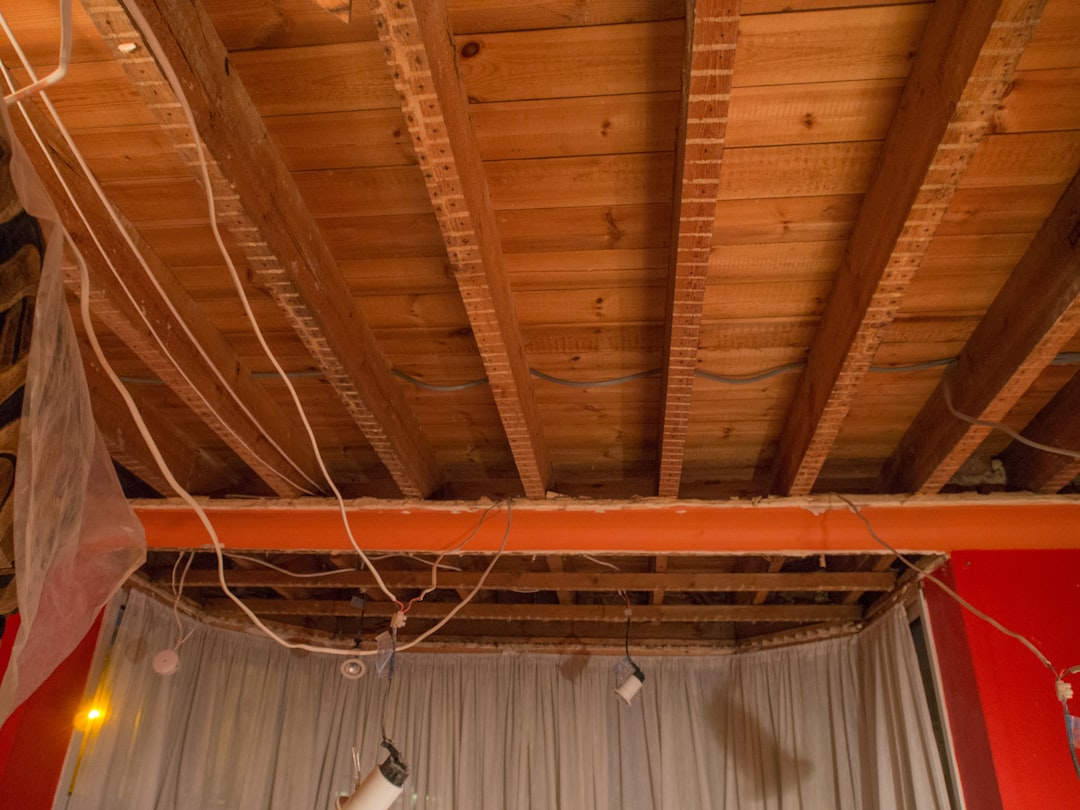
A client required expertise to upgrade a space of 1,200 sq ft from outdated popcorn texture. Comprehensive estimates were immediately available, taking into account project scope and essential safety practices. The process highlighted time savings and cost-effectiveness.
• Day 1: Focused on preparation, including removal of antiquated texture and managing debris.
• Day 2: Implemented innovative texturing techniques, achieving a modern, pristine ceiling finish.
• Conduct early material hazard assessments.
• Maintain optimal tool positioning and techniques.
• Control environmental conditions for ideal results.
• Use professional-grade tools for superior finish quality.
By locking in material costs and deploying reliable crews, both efficiency and quality are maximized, reinforcing the commitment to flawless project execution. Explore real-case outcomes.
