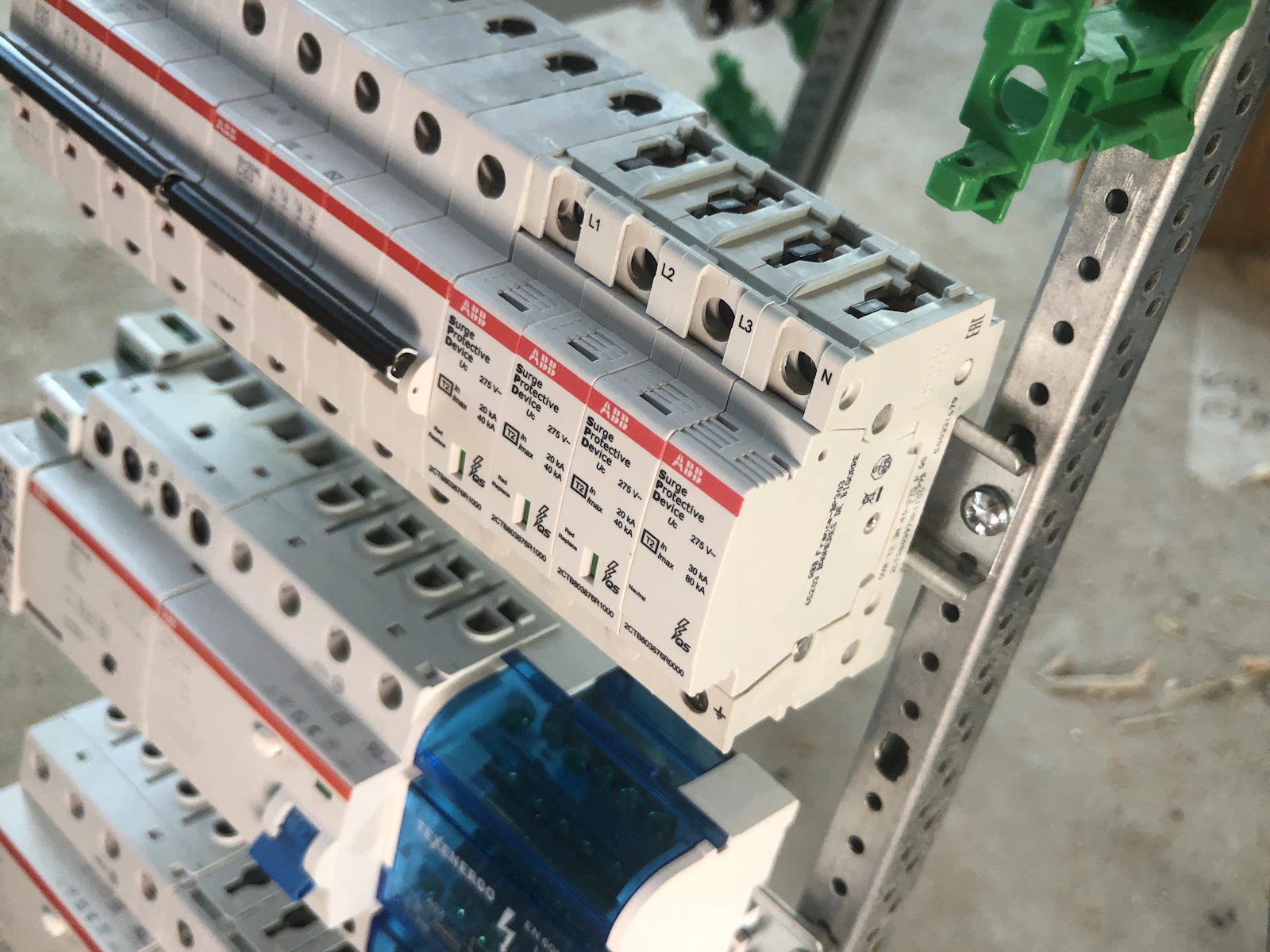
Crack Injection Pump Rental Rates Phoenix 2026
For crack injection pump equipment hire in Phoenix tied to basement waterproofing and below-grade leak sealing, plan 2026 rental budgeting in these broad ranges: $75–$250/day for compact single-component injection pumps (often drill-driven or small pneumatic), $275–$900/day for higher-output/purpose-built injection rigs or “pump + hose + packer gun” packages, $250–$900/week for small pump-only hires up to $900–$2,400/week for higher-capacity injection setups, and $750–$2,400/month for compact pumps up to $1,800–$6,500/month for pro-grade plural-component/industrial packages. In practice, Phoenix crews commonly source the injection pump from specialty waterproofing/concrete restoration suppliers while using large rental fleets for ancillary equipment (HEPA vacs, negative air, generators, air compressors) when indoor dust-control or power constraints apply.
| Vendor |
Daily Rate |
Weekly Rate |
Review Score |
Website |
| The Chas. E. Phipps Company (SealBoss injection pump rentals) |
$70 |
$210 |
8 |
Visit |
| Sunbelt Rentals (Phoenix, AZ Branch #523) |
$350 |
$1 450 |
7 |
Visit |
| EquipmentShare (Phoenix, AZ) |
$300 |
$1 200 |
7 |
Visit |
What You’re Really Renting: Pump Type Drives Hire Cost
“Crack injection pump” can mean very different equipment on a rental order, and the pump type is the main reason quotes vary so widely across Phoenix metro.
- Compact 1:1 single-component injection pumps (entry/pro-level): Often used for polyurethane water-stop injection in tight access. Some rental catalogs show low day/week/month numbers for basic injection pumps (for example, a SealBoss 1:1 injection pump listed at $60/day, $180/week, $540/month), but treat those as a specific catalog example rather than a market-wide guarantee.
- Plural-component / epoxy injection & metering pumps (production/industrial): Used when you need more controlled metering and repeatable output. One equipment-rate sheet lists an AST LV epoxy injection & plural pump at $135/day, $540/week, $1,620/month (8-hour day / 5-day week basis), which is a useful anchor for 2026 planning after applying local availability and inflation.
- Grout/void fill pumps (not always the right tool for crack injection): These can be rented at higher rates than small crack injection pumps, and they often carry higher cleaning exposure. As an example of the broader “pumping equipment” rental market, one listing shows a 12-gallon grout pump at $361/day and $1,083/week.
Phoenix takeaway: If your scope is basement waterproofing crack injection (urethane/epoxy), confirm (1) material compatibility (single vs plural component), (2) pressure capability (many crack injection workflows run high pressure), and (3) whether the quote includes the hose whip, injection gun/packer head, gauges, and fittings. Those “small parts” are often where rental costs (and change orders) hide.
2026 Planning Ranges for Crack Injection Pump Hire in Phoenix
Use these as budgeting ranges for urethane crack injection pump rental for basement waterproofing in Phoenix. They assume a standard 1-day minimum (or 4-hour minimum where offered), normal wear-and-tear return condition, and that consumables (resin, packers, ports, mixing paddles, flush solvent) are not included.
- Compact drill-driven / small single-component injection pump (pump only): $75–$175/day, $225–$525/week, $675–$1,500/month (common when the supplier is primarily a waterproofing distributor rather than a general rental yard).
- Pneumatic single-component injection pump (needs air supply): $125–$250/day, $400–$850/week, $1,200–$2,400/month (higher when bundled with hose/gun and pressure-rated fittings).
- Plural-component epoxy injection / metering pump (specialty): $175–$325/day, $700–$1,600/week, $2,100–$5,500/month, depending on whether training/commissioning is required and whether the pump is rented on an 8-hour day basis (a published rate example lists $135/day on an 8-hour day assumption).
- “Pump package” (pump + hose set + injection gun/packer head + gauges): add $40–$140/day vs pump-only if the supplier itemizes accessories; or expect the package to be priced 15%–40% above pump-only on short rentals.
Hidden-Fee Breakdown
When you’re coordinating equipment hire costs for crack injection work, the base day/week/month rate is rarely the invoice total. Budget these common adders (and confirm each one on the rental contract):
- Delivery / pickup (Phoenix metro): Many suppliers price delivery as a trip minimum plus mileage or zone charge. Planning allowances that match common industry structures are $95–$175 per trip minimum inside the core Valley, plus $3.50–$6.00/mile beyond a radius threshold. Example delivery policy structures in the broader rental market include $3.50/mile with a $100 minimum per trip at one equipment rental business (useful as a planning reference).
- After-hours / timed delivery window: add $75–$150 if you require a 6:00–7:00 AM drop to beat heat or secure site access (common on occupied facilities).
- Minimum rental charge: many specialty suppliers enforce 1-day minimum even if the pump is used for 2–3 hours; some quote a 4-hour minimum at 60%–75% of the daily rate (ask explicitly).
- Damage waiver / protection: commonly a percentage line item. Some rate sheets show a 10% damage waiver applied before tax, while other programs may be higher depending on category and market.
- Cleaning/flush-out exposure: if returned with cured resin in the pump/hose, plan $150–$450 for teardown/cleaning, plus parts at cost. Even “light” cleanup can be billed as $75–$150 if the supplier has to flush and re-pack.
- Wear parts: packings/seals are often treated as consumable damage when resin cures in-place; budget $40–$220 depending on pump model and how much gets replaced.
- Late return / overtime day: plan $25–$60 per hour after cut-off, or an extra day if returned after the dispatch cut-off (often early afternoon).
- Weekend/holiday billing rule: some suppliers bill Saturday as a full day; others bill a 1.5x daily rate for weekend possession if the yard is closed for returns.
- Environmental/admin fees: budget $5–$25 per contract (or a small percentage) depending on supplier policy.
City-Specific Cost Drivers for Phoenix Basement Waterproofing
Phoenix pricing is not just “the pump rate.” These local operating realities commonly change equipment hire cost and utilization:
- Heat-driven shift planning: In summer, crews often want early starts to control resin temperature and working time. If you need pre-7:00 AM delivery or a fixed 30-minute window, it can trigger a dedicated truck run (+$75–$150) or a forced will-call pickup the day prior (which can unintentionally start the rental clock).
- Dust-control in occupied interiors: Desert dust plus drilling/grinding to prep cracks can require HEPA and containment. If your contract requires indoor dust-control, plan add-on hire costs such as a HEPA vac at $60–$140/day, negative air at $120–$260/day, and zip-wall/containment materials at $25–$75/day (or purchased consumables).
- Delivery radius norms across the Valley: Crossing the metro (e.g., West Valley to East Valley) can add mileage and “out-of-zone” trip minimums. For budgeting, carry $100–$350 total logistics per mobilization (delivery + pickup) unless you know you’re doing will-call.
Accessories and Supporting Equipment That Commonly Get Missed
For epoxy injection equipment hire, the pump is only one part of what the foreman needs on the slab that day. If the supplier does not bundle these, you’ll see them as separate line items:
- High-pressure hose whip / hose set: $15–$45/day (or included but charged if damaged).
- Injection gun / packer head / manifold: $25–$85/day.
- Pressure gauge kit: $10–$25/day (but expensive if damaged).
- Air compressor (if pneumatic pump): $90–$220/day, plus hoses at $8–$20/day.
- Generator (if power is limited): $75–$160/day, plus fuel and refuel rules (see off-rent notes below).
- Rotary hammer / drill for ports and surface prep: $35–$95/day (often already in your tool fleet, but not always on a remote crew).
- Moisture management support: water collection (wet vac) at $35–$80/day if active leakage must be controlled while injecting.
Off-Rent Rules and Return Condition: Where Costs Swing Fast
Crack injection pump hire is one of the easiest rentals to accidentally extend because the equipment can’t be “just dropped back off” without proper cleanup and documentation. Build these operational constraints into your plan:
- Off-rent notice: many suppliers require you to call off-rent by a cut-off (commonly 12:00–3:00 PM) to stop time that day; otherwise, billing may roll to the next day even if the pump is idle overnight.
- Return condition documentation: require the crew to take 10–15 photos (pump ID tag, gauge, hose ends, fittings, overall condition) at pickup and again at return to avoid disputes over resin contamination or damage.
- Flush expectations: if the pump must be flushed with solvent at end of shift, carry a job allowance of $25–$60/day for solvent/flush materials (or supplier flush charge). If your contract prohibits solvent disposal onsite, you may need to transport waste offsite—often a hidden time/cost driver.
- “Cured resin” risk: if the pump sits loaded during a Phoenix heat cycle, cured resin can lock check valves and seals. The resulting parts and service can exceed $250–$800 on a single incident (often charged as repair, not “cleaning”).
Example: 3-Day Phoenix Basement Waterproofing Injection With Dust-Control
Scenario: A 3-day injection window on a below-grade wall (intermittent seepage), occupied facility, no solvent disposal onsite, and restricted deliveries after 7:00 AM. The PM wants a single mobilization to avoid repeated truck charges.
- Injection pump package hire: $225/day × 3 days = $675 (planning range for a compact but job-ready package).
- Timed early delivery (6:30 AM) + standard pickup: $125 + $125 = $250 logistics allowance (can be higher out-of-zone).
- HEPA vac rental (indoor dust-control): $95/day × 3 = $285.
- Negative air / air scrubber: $175/day × 3 = $525 (often required by facility EHS on drilling days).
- Damage waiver: carry 10% of rental lines as a planning allowance (some programs are 10% and others higher).
- Cleaning/flush handling: if solvent waste must be hauled offsite, carry $60/day × 3 = $180 for materials/containers and handling time.
- Late return risk: if access runs long and you miss the yard cut-off, carry a contingency of $250 (one extra day) rather than trying to “beat the clock.”
Operational constraint that matters: To avoid paying an extra day, the coordinator schedules return with a 2:00 PM hard stop on Day 3 for flush-down and packaging, and calls off-rent before the supplier cut-off.
Budget Worksheet (No Tables)
Use this as an estimator/rental coordinator worksheet for crack injection pump equipment hire costs in Phoenix. Adjust quantities to match your crew count and access restrictions.
- Crack injection pump hire (pump only or package): allowance $225–$900 per week (small jobs) or $900–$2,400 per week (higher-capacity/specialty).
- Accessory adders (hose + gun + gauges if not included): allowance $35–$140 per day.
- Air compressor hire (if pneumatic): allowance $450–$1,100 per week.
- HEPA vac hire (occupied indoor work): allowance $300–$700 per week.
- Negative air / air scrubber hire (if required): allowance $500–$1,200 per week.
- Delivery + pickup (Phoenix metro): allowance $200–$700 per mobilization (depends on zone, timing, and stairs/hand-carry).
- Timed delivery / after-hours premium: allowance $75–$150.
- Damage waiver / rental protection: allowance 10%–15% of rental charges.
- Cleaning/flush-out contingency: allowance $150–$450 (avoid by enforcing end-of-shift flush SOP).
- Wear parts contingency (seals/packings): allowance $75–$250.
- Late return / extra day contingency: allowance 1 extra day of the pump package rate.
Rental Order Checklist (No Tables)
- Scope confirmation: material type (urethane vs epoxy), single vs plural component, target pressure range, expected resin viscosity, and crack condition (actively leaking vs damp vs dry).
- PO setup: confirm minimum rental period, billing start time (pickup vs delivery time), and whether the contract uses an 8-hour day basis for specialty pumps (some published rate sheets do).
- Delivery requirements: site contact, gate code, delivery window, parking/loading restrictions, and whether hand-carry or stairs apply (can change the delivery charge).
- Accessories list: hose set, injection gun/packer head, gauges, fittings, spare seals, and flush kit (do not assume they’re included).
- Return requirements: flush procedure, acceptable “clean” definition, caps/plugs on hose ends, depressurized transport condition, and required photos at return.
- Off-rent process: cut-off time for same-day off-rent, and who is authorized to call off-rent (PM vs foreman vs rental coordinator).
When Hire Beats Ownership (Phoenix-Specific)
If you only run intermittent injection work (or you’re staffing a remote crew that doesn’t carry specialized pumping gear), equipment hire often wins because (1) you avoid seal rebuilds from storage failures, (2) you can match pump type to resin system, and (3) you can bundle dust-control rentals to satisfy facility requirements. Ownership starts to win when you’re running repeated injections weekly and can enforce strict cleaning/maintenance—otherwise, one cured-resin incident can erase months of “savings.” For reference, some equipment catalogs show very low day rates for basic injection pumps, but availability and accessory completeness vary—always confirm what’s included before treating a published rate as your job cost baseline.
How to Reduce Crack Injection Pump Hire Cost Without Increasing Risk
Most cost overruns on crack injection pump equipment hire in Phoenix don’t come from the posted day rate—they come from preventable extensions, re-deliveries, and cleaning charges. These controls are realistic for a rental coordinator to implement across multiple crews.
Right-Size the Rental Term (Day vs Week vs Month)
Because injection work can be stop-and-go (active leaks, changing crack behavior, access conflicts), the most economical term is not always the “weekly rate.” Use these practical rules:
- If the pump will only be on the wall 1 day: insist on a true day rental and schedule will-call pickup after the shift to avoid a second day triggered by delivery timing.
- If the crew needs the pump across 3–4 working days: the weekly rate often caps exposure—especially if the supplier bills specialty pumps on an 8-hour day / 5-day week basis.
- If you’re carrying the pump for standby: ask whether the supplier offers a reduced “standby” rate after the first week; if not, return it and re-rent only when you’re ready to inject. In Phoenix, standby possession across a weekend can silently add 1–2 billable days depending on yard hours and weekend billing rules.
Control Logistics: Delivery Windows, Redelivery, and Access
Logistics is a major cost driver in the Phoenix metro because the Valley is geographically wide and traffic can disrupt tight delivery windows. To keep equipment hire costs predictable:
- Bundle mobilizations: If you need a HEPA vac, negative air, and an injection pump, schedule them on one delivery to avoid multiple trip minimums (a common delivery structure elsewhere is $3.50/mile with a $100 minimum per trip, which shows why “just one more truck” gets expensive fast).
- Write the delivery window into the PO: If the job requires a badge escort or security check-in, missing a window can cause a redelivery charge. Budget a redelivery risk of $95–$175 and avoid it with a named onsite receiver.
- Plan for hand-carry: Basements and below-grade rooms often mean stairs, narrow doors, and no carts. If a liftgate truck can’t stage close to the entry, confirm whether the supplier charges a labor assist fee (commonly $65–$125/hour, 2-hour minimum).
Make Cleaning Non-Negotiable (It’s a Cost Control, Not “Nice to Have”)
The fastest way to blow up crack injection pump hire cost is returning equipment with cured resin in the pump body, hoses, or fittings. Build this into the method statement and daily closeout:
- End-of-shift flush time: enforce a 30–45 minute shutdown and flush SOP. The labor is cheaper than a $150–$450 cleaning invoice plus parts.
- Flush material allowance: carry $25–$60/day for flush materials and plugs/caps to prevent drip-out in transport.
- Return photos: require 10–15 photos at return, including hose ends and gauge condition, to reduce disputes.
Insurance, Damage Waiver, and Liability: Budget It Upfront
Many contractors treat protection coverage as optional until it appears on the invoice. For planning, carry 10%–15% of rental charges as the protection/damage-waiver allowance unless your corporate insurance program replaces it. Some rental price sheets explicitly show a 10% damage waiver, and other waiver programs can be higher.
If you use a large national rental fleet for supporting equipment, read the protection terms carefully—some programs limit what the renter pays in certain damage scenarios (for example, one program’s terms describe limits such as 10% of repair charges up to $500 for incidental/accidental damage when conditions are met).
Phoenix-Specific Operational Notes That Change Real Cost
- Heat management: Store resins and sensitive components out of direct sun. If you need active cooling (job trailer A/C or cooler plan), budget a small equipment add-on of $15–$35/day (cooler/fan) to reduce the risk of resin thickening/cure that can damage the pump.
- Monsoon season scheduling: If the work area is prone to sudden water intrusion, keep a contingency for emergency water control equipment: $35–$80/day wet vac and $50–$140/day small pump (if needed). Avoid holding the injection pump on rent “just in case” when weather delays are likely.
- Indoor silica/dust compliance: Where drilling is involved, the dust-control rentals (HEPA/negative air) can exceed the injection pump hire cost. Treat those as first-class rental line items, not a contingency.
Quick Negotiation Points (Professional, Non-Promotional)
- Ask for a “package cap”: request a not-to-exceed on accessory adders (hose/gun/gauges) so the pump quote doesn’t look low but invoice high.
- Confirm cut-off times in writing: if you miss cut-off, you can buy another day. A single extra day at $175–$325/day (specialty) adds up fast.
- Clarify what “clean” means: have the supplier define acceptable return condition. If they require a bench test, confirm the bench fee (commonly $50–$150) and whether it’s waived on clean returns.
Closeout: What to File for Cost Recovery
To defend backcharges and recover legitimate rental costs under T&M or change orders, keep:
- Signed delivery ticket with time stamp (start of rental clock).
- Off-rent call record with date/time and name of person who accepted it.
- Return condition photos and any bench-test confirmation.
- Separate tracking of dust-control equipment hire if it’s a spec requirement (often reimbursable where mandated by owner EHS).
Bottom Line for 2026 Phoenix Crack Injection Pump Equipment Hire
A realistic 2026 budget for crack injection pump hire costs in Phoenix is rarely “just the pump.” A small pump-only hire can be economical, but the job total is usually driven by (1) logistics and delivery timing across the Valley, (2) protection/waiver percentages, and (3) cleaning and wear-part exposure if resin control is weak. Anchor your budget using published rental examples where available (e.g., injection pump and specialty epoxy injection pump rate sheets) and then carry Phoenix-specific adders for early delivery, dust-control, and strict return-condition documentation.