

For construction professionals, curtain rod installation costs can vary significantly. Standard 5-ft steel rod kits start at $64, while custom ironwork can exceed $150 per linear foot. Labor costs can increase by 20-30% for older plaster walls. Understanding these variables is crucial for accurate project estimates.
Installing curtain rods with precision is crucial for construction professionals. It impacts light control, energy efficiency, and room aesthetics. Misaligned brackets or incorrect fasteners can lead to costly rework. Utilizing advanced tools can streamline the process, ensuring flawless results on the first attempt.
1. Use digital tools to measure wall width and drape stack-back.
2. Auto-calculate bracket spacing, rod length, and screw type.
3. Sync data to your project management software for real-time estimates.
• Standard telescoping steel rods for typical builds.
• Powder-coated aluminum for humid environments.
• Heavy wrought iron for large windows.
Live supplier costs can be integrated into your estimates, reducing guesswork.
Use a stud finder to locate framing members. If no stud aligns, plan for specialty anchors rated for twice the drape weight.
• Mark bracket centers 4 inches above the window trim.
• Ensure level alignment before drilling.
• Drill appropriate pilot holes for wood or masonry.
Drive screws or toggle bolts until snug. Avoid overtightening to prevent damage.
• Expand rods evenly to prevent sagging.
• Test movement before attaching finials.
• Adjust panel height as needed.
Material Grade: Standard 5-ft steel rod kits start at $64, while custom ironwork can exceed $150 per linear foot.
Wall Condition: Older plaster walls may require additional prep, increasing labor costs by 20-30%.
Window Size: Wide spans may need center supports and specialty equipment.
Utilize AI tools to compare these variables and maintain your profit margins.
• Misaligned brackets: Use leveling tools to ensure accuracy.
• Undersized anchors: Match drape weight with appropriate fasteners.
• Insufficient rod extension: Include stack-back clearance in measurements.
• Inaccurate labor time: Use historical data to adjust crew hours.
For complex installations involving structural obstructions or high-value materials, consider engaging a certified finish carpenter.
Once installation is complete, generate invoices and attach site photos for client approval. Streamlined billing processes ensure faster payments.
• Add extra width for a wider visual opening.
• Pre-paint screw heads to match finishes.
• Use double rods for layered drapes.
• Offer decorative holdbacks as an upsell.
• Schedule installs post-painting to avoid damage.
Explore advanced estimating tools and workflows to enhance your professional installations.
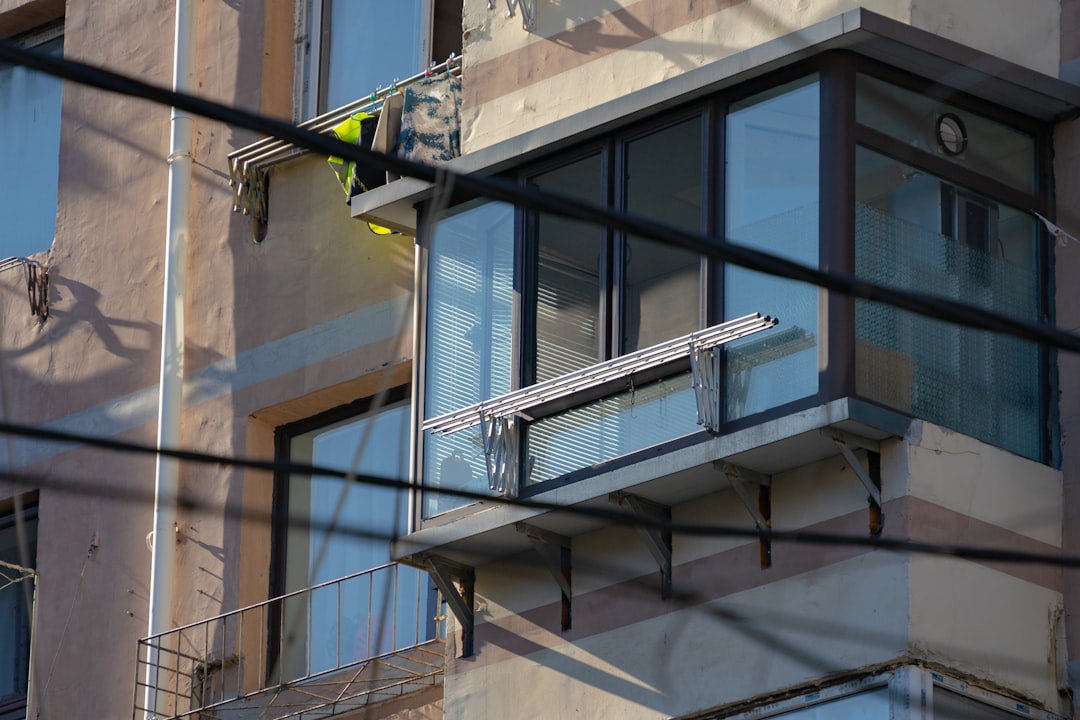
A Los Angeles project required floor-to-ceiling velvet drapes for a 12-ft window wall. The challenge was the loft's steel studs, which couldn't accommodate standard brackets.
1. Capture site photos and dimensions using digital tools.
2. Identify steel framing and recommend appropriate anchors.
3. Select lightweight materials to maintain structural integrity.
4. Calculate additional labor for equipment rentals and update the client quote promptly.
• No bracket failures despite heavy drapes.
• Labor completed 30% faster than average.
• Final invoice matched the original quote, ensuring client satisfaction.
• Received a five-star review for seamless execution.
• Use blueprint takeoffs to identify challenges early.
• Opt for lighter materials when necessary.
• Include equipment rentals in your estimates to protect margins.
Whether installing sheers or motorized tracks, leverage real-time data and efficient workflows for professional results.
Explore advanced carpentry modules and book a live walkthrough to enhance your installation processes.
