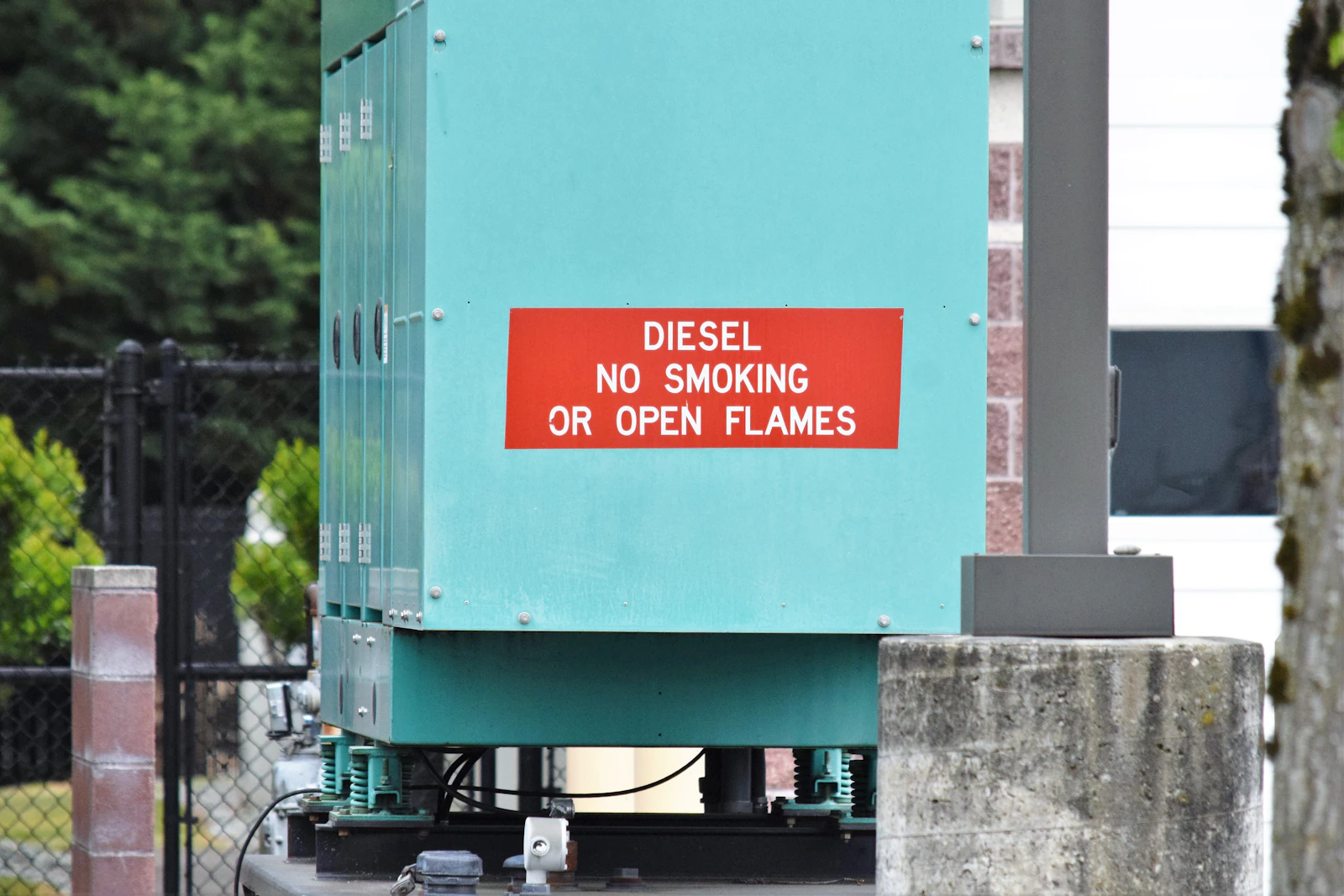
Diesel Generator Hire Costs Fort Worth 2026
For Fort Worth electrical panel upgrade work (planned outages, weekend cutovers, temporary bypass power), 2026 budget ranges for towable diesel generator equipment hire typically plan at $200–$350/day for 20–45 kW, $350–$700/day for 70–150 kW, and $650–$1,100/day for 175–250 kW class—before delivery, fuel, cables, distribution, and protection programs. Weekly is commonly ~3x the day rate and 4-week/monthly ~2.5–4.0x the weekly (fleet/utilization dependent). In the DFW market you’ll usually quote through a mix of national yards (Sunbelt, United, Herc) and power specialists (e.g., industrial temp-power providers) depending on kW, run-hours, and whether you need switchgear/distribution packaged.
| Vendor |
Daily Rate |
Weekly Rate |
Review Score |
Website |
| Sunbelt Rentals |
$470 |
$1 045 |
9 |
Visit |
| United Rentals |
$475 |
$1 195 |
9 |
Visit |
| Herc Rentals |
$1 270 |
$3 460 |
8 |
Visit |
| H&E Equipment Services (H&E Rentals) |
$575 |
$1 155 |
8 |
Visit |
2026 Planning Rate Bands by Generator Size (Towable Diesel)
Use these equipment hire cost bands to build a first-pass estimate, then tighten with your actual kW, voltage (208Y/120 vs 480Y/277), run-hours, and distribution needs. Published list-rate guides show meaningful spread by fleet owner and program, so treat these as planning ranges (not “what a specific yard will charge”).
- 20–25 kW (small cutovers, light temp power): plan $200–$325/day, $575–$850/week, $1,650–$2,400/4-week. Example published anchors include a 20 kW towable at $250/day and $620/week from a rental house rate card, and a 25 kW towable at $199/day, $577/week, $1,674/4-week in a published rental-rate guide.
- 45–70 kW (typical small commercial panel work): plan $250–$400/day, $700–$1,150/week, $2,000–$3,300/4-week. Published anchors include $241/day / $699/week / $2,027/4-week for 45 kW and $277/day / $804/week / $2,331/4-week for 70 kW in a 2025 rate guide.
- 100–150 kW (multi-panel, motor loads, larger service work): plan $450–$800/day, $1,200–$2,300/week, $3,000–$6,500/4-week. Published list-rate examples include $415/day / $1,039/week / $2,669/month for 100 kW and $499/day / $1,281/week / $2,972/month for 150 kW in a nationwide program rate sheet, and $569/day / $1,649/week / $4,782/4-week for 125 kW in a separate published rate guide. (g
- 175–250 kW (large facilities, staged cutovers, higher inrush): plan $650–$1,100/day, $1,700–$3,100/week, $4,000–$9,000/4-week. Published list-rate examples include $575/day for 175 kW, $646/day for 200 kW, and $710/day for 250 kW (with corresponding weekly/monthly on the same sheet). (g
What Drives Diesel Generator Hire Cost on an Electrical Panel Upgrade?
Panel upgrade temporary power is cost-sensitive because the generator itself is only one line item; the total diesel generator rental with distribution equipment hire can easily end up 1.5–3.0x the base rent once you include mobilization, feeders, camlocks, spider boxes, containment, and fuel logistics. The biggest cost drivers you can control during precon are (1) kW selection (right-size versus “safety oversize”), (2) run-hours and refuel plan, (3) voltage strategy (stay at 480 V and step down, or run 208/120 directly), and (4) site access rules (after-hours, indoor routing, security escort, dock restrictions).
Distribution, Feeder, And Accessory Hire Costs (Commonly Missed)
For Fort Worth panel cutovers, your temporary power equipment hire often needs a “generator + distro” package. If you estimate only the towable gen-set, you will be under. The following published rental-rate examples are useful anchors for adders (actual yard pricing varies by program, condition, and availability):
- Camlock feeder cable (4/0, 50 ft): published example $27/day, $81/week, $146/month (per cable). On a 150 kW setup you may carry 5 runs (A/B/C/N/G), so a single 50 ft “set” can effectively behave like 5 line items.
- 4/0 accessories (pigtails / ends): published Texas public-entity sheet shows $10/day, $20/week, $40/month for 4/0 female pigtails and the same for male pigtails (useful when you’re adapting to lugs/switchgear).
- 400A distribution box: published example $113/day, $428/week, $856/month for a 400A cam-in / 6×50A CS distro box (your spec may differ).
- Spider box (50A CS in): published example $43/day, $120/week, $238/month; spider-box feeder cable examples include $27/day for a 6/4 50 ft 50A CS cord.
- Load bank hire (commissioning / acceptance testing): published contract pricing shows a 100 kW load bank at $355/day, $592/week, $1,540/month, and a 200–299 kW resistive class at $379/day, $758/week, $2,273/month (plus delivery).
- Auxiliary diesel fuel tank (250–500 gallon class): published rate example $167/day, $328/week, $661/4-week. For panel work, this often prevents mid-cutover refuel risk and reduces after-hours callouts.
Hidden-Fee Breakdown for Diesel Generator Equipment Hire
Below are the cost exposures that most often change the final invoice for diesel generator hire for electrical panel upgrades in Fort Worth. Where a number is shown, treat it as an estimating allowance unless your MSA/rate sheet states otherwise.
- Delivery / pickup (mobilization): allow $250 each way for local delivery within a typical metro radius, then add mileage or “out-of-area” where applicable. One published transportation model shows $160.69 each way + $4.19 per loaded mile (contract pricing), which is a helpful benchmark when you’re modeling distance-based delivery.
- Minimum billing during emergencies: for certain declared emergency scenarios, some programs bill a one-week minimum at 24-hour usage/day for generator types (relevant if your outage scope overlaps a storm response period).
- Fuel and run-hour exposure: a 150 kW class towable example spec shows 11.4 gallons/hour at full load with 310-gallon onboard fuel (plan derate and partial-load burn separately). Even at 50% load, fuel becomes a meaningful cost driver over multi-day cutovers.
- Damage waiver / rental protection: commonly carried as 10%–15% of time-and-material rental (generator + accessories). Confirm whether it applies to fuel tanks, cables, and distro.
- Cleaning fees: allow $75–$250 for muddy trailers, oil residue, or concrete dust intrusion (panel rooms + construction dust are common). For indoor routing, assume you’ll need plastic, mats, and post-work wipe-down to keep this near the low end.
- Environmental containment / spill controls: allow $35–$95/day for containment adders (or bundled “environmental package”), plus $25–$60/day for spill kit/absorbents if not included.
- After-hours service or refuel callout: allow $150–$300 per after-hours dispatch plus fuel at invoice (if you cannot refuel with onsite labor).
- Late return / off-rent cutoff: many yards require off-rent notification before a daily cutoff (often early afternoon). Missing the cutoff can add 1 extra day even if picked up the next morning—treat this as schedule risk, not “vendor padding.”
Fort Worth-Specific Factors That Change Generator Hire Cost
Fort Worth estimating is rarely just “the same as Dallas” once you add logistics. Three local realities commonly move your diesel generator equipment hire cost:
- DFW travel time and delivery windows: downtown Fort Worth, the Medical District, and industrial corridors toward Alliance can force narrow delivery windows. If your site only accepts drop-off between 07:00–09:00 or requires a security escort, the delivery labor component and redelivery risk rise (especially when you need a specific trailer orientation for feeder routing).
- Heat impacts in summer: high ambient temperatures increase cooling demand, can reduce available power (derating), and increase fuel burn—pushing you into the next kW class (and rate band) if you sized with no margin.
- Indoor dust-control during panel swaps: many panel upgrades require generator feeders to pass through occupied areas or sensitive equipment zones. The “soft costs” (floor protection, cable ramps, dust barriers) frequently prevent cleaning fees and damage claims later, but they are still real rental coordinator scope.
Example: 150 kW Weekend Cutover for a Commercial Panel Upgrade
Scenario: You’re upgrading a 480Y/277 V service and need a weekend outage window. The facility requires temporary power for life-safety loads, critical HVAC, and limited tenant receptacles from Friday 18:00 to Monday 06:00 (about 60 hours). The generator must sit outside the electrical room with 100 ft of feeder routing, and the site will not allow fuel trucks inside the fenced area after 20:00.
- Generator hire: budget a 150 kW towable at $500–$800/day with a weekend billing assumption of 3 days (Fri/Sat/Sun) unless your contract uses hourly or 24-hour billing. Published list-rate examples for 150 kW show $499/day and $1,281/week in one nationwide rate sheet. (g
- Feeders & distro: allow (a) two 400A distro boxes if you’re splitting loads by area (published example $113/day each), (b) ten 50 ft 4/0 camlock cables if you need both a primary run and a spare/alternate path (published example $27/day per 50 ft), and (c) two spider boxes (published example $43/day each) plus spider cords (published example $27/day per 50 ft 6/4).
- Fuel strategy: treat the weekend as “no refuel margin.” If you’re planning around a 150 kW class spec showing 310 gallons onboard and 11.4 GPH at full load, you can see why an auxiliary tank or scheduled daytime refuel window can be the difference between a clean cutover and an emergency callout.
- Mobilization: carry at least $250 each way for delivery/pickup (plus potential mileage). If your site requires a smaller truck due to dock/turn constraints, add a contingency for redelivery.
Operational constraint to document in the PO: the off-rent time starts when the yard confirms pickup eligibility—not when your electrician “finishes.” Build a buffer so you are not paying an extra day because cables weren’t staged and tagged for pickup by the cutoff time.
Budget Worksheet
- Diesel generator equipment hire: kW class allowance (include 3-day weekend billing or 1-week minimum where applicable).
- Delivery and pickup: allowance for 2 trips (initial + return), plus mileage/out-of-area and any re-delivery risk.
- Feeder cable hire: 4/0 camlocks (count by individual 50 ft runs), pigtails/lugs adapters, and cable ramps (minimum 2 ramps if crossing pedestrian paths).
- Distribution equipment hire: 400A distro box(es), spider boxes, spider cords, GFCI-protected strings if required by site safety.
- Fuel logistics: auxiliary fuel tank hire (250–500 gal class) and a fueling plan (onsite labor vs. after-hours dispatch contingency).
- Protection program: damage waiver/rental protection allowance at 10%–15% of rental.
- Environmental & housekeeping: containment, spill kit, absorbents, dust barrier materials; cleaning contingency $150.
- Testing/commissioning: load bank hire (if required) plus mobilization.
- Schedule risk: 1 extra day contingency for pickup cutoff miss or weather delay.
Rental Order Checklist
- PO basics: job name (Fort Worth site), requested kW, voltage, connection type (camlock vs lugs), run-hours/day, and start/stop dates/times.
- Delivery requirements: delivery address, gate code, onsite contact, crane/forklift needs (if any), acceptable delivery window, and laydown/parking plan for trailer orientation.
- Accessories list: camlock cable lengths, pigtails/adapters, distro boxes, spider boxes, cable ramps, grounding/bonding requirements, and any weather protection.
- Fuel plan: who fuels, where fuel is staged, what hours fuel trucks are allowed, and refuel documentation required by the customer.
- Off-rent rules: cutoff time, required notification method (email/portal), and pickup lead time expectations.
- Return condition: wipe-down expectations (especially if routed through indoor spaces), photo documentation at pickup, and who signs the return ticket.
When a Larger Generator Is Not the Cheapest Option
If you are upsizing from (say) 125 kW to 200 kW just to cover motor-start uncertainty, you may be paying the higher day rate every day of the rental. In some panel upgrade scopes, a better cost outcome comes from (a) staged load pickup (only energize what you must), (b) temporary soft-start/VFD strategy for a key motor load, or (c) paralleling two smaller units where access and redundancy requirements justify it. The estimating point: manage risk with the lowest recurring hire cost, not just “bigger iron.”
How to Tighten Your Fort Worth Diesel Generator Hire Estimate
Once you have a conceptual kW and duration, tighten the equipment hire cost by converting your outage plan into billable exposure: number of calendar days billed, number of delivery legs, and whether your contract treats generators as 24-hour assets (common on temp power) versus single-shift assets (common on many metered machines). Some published rate structures explicitly define shift multipliers as 1.5x for double shift and 2.0x for triple shift on hour-metered classes—so if your rental agreement applies metered logic to accessories or related equipment, your “weekend run” can price differently than a standard weekday single shift. (g
Billing Rules That Commonly Add a Day (and How to Prevent It)
- Off-rent notice cutoff: assume you must call off-rent before a cutoff (often early afternoon). If you finish at 16:30 but cutoff is 14:00, you may pay the next day even if pickup is next morning.
- Weekend/holiday billing: many panel upgrades are intentionally scheduled for weekends; confirm whether your vendor bills Saturday/Sunday as full days when the generator is on site (common), even if your crew is idle for part of that time.
- “Ready for pickup” definition: your off-rent clock may not stop until the generator is accessible (no blocked gate), disconnected, and staged with all accessories accounted for (cables coiled, spider boxes gathered, caps installed).
Fuel, Refuel, and Recharge Expectations (Write These Into the PO)
For diesel generator equipment hire on panel work, fuel terms drive real money and real risk. Put these in writing:
- Delivery fuel level: confirm whether the unit arrives “full” and whether you pay a fuel surcharge for that initial fill.
- Return fuel level: if the yard expects “return full,” allow for onsite refuel labor and an invoice true-up if returned short.
- Refuel access windows: if the facility prohibits fueling after 20:00 or requires escort, you may need an auxiliary tank or to accept after-hours dispatch fees (carry $150–$300 callout allowance).
- Spill prevention: if the customer requires secondary containment, include containment adders ($35–$95/day) and spill kit allowance ($25–$60/day).
Accessory Counts: The “Cable Math” That Blows Up Generator Hire Budgets
When a PM says “we need 100 ft of feeder,” the rental coordinator should translate that into billable line items. Example: a single 100 ft run at 5-wire can mean (10) pieces of 50 ft feeder if the yard stocks 50 ft increments and you need a parallel spare set. At published adder pricing like $27/day for a 4/0 50 ft camlock cable and $113/day for a 400A distro box, cable and distro can rival the generator rent fast—especially on multi-day outages.
Delivery Modeling for Fort Worth: Two Practical Benchmarks
- Flat local mobilization: budget $250 each way as a simple local benchmark for certain items/programs (then add out-of-area or special-handling).
- Line-haul + mileage model: budget using a “base each way” plus loaded-mile model (published benchmark $160.69 each way + $4.19 per loaded mile on a contract schedule). This is helpful when your Fort Worth site is far from the supplying yard or you expect multiple trips (gen-set + fuel tank + distro on separate trucks).
Commissioning and Acceptance Testing: Load Bank Rental as a Line Item
If your electrical panel upgrade scope includes generator proving, ATS verification, or a planned temporary source acceptance, you may need a load bank (even when utility is available) to validate the temporary setup under controlled load. Budget load bank hire separately, including delivery: published examples show $355/day for a 100 kW networkable load bank and $379/day for a 200–299 kW resistive class on a contract schedule.
Negotiation Notes for Equipment Hire (Non-Promotional, Practical)
- Ask for “package logic”: you often get better value when the same provider supplies generator + feeders + distro, because they can reduce redelivery and compatibility issues (camlock sets, grounding, connector families).
- Lock the billing structure: clarify whether you’re billed per calendar day, per 24-hour period, or per week minimums in certain conditions.
- Confirm protection coverage: decide whether you’ll carry the vendor waiver (often 10%–15%) or cover via your insurance; make sure cables/distro/fuel tanks are included either way.
Closeout Tips That Reduce Disputes and Extra Days
- Photo the return condition: generator hour meter, fuel level, and any pre-existing trailer damage at pickup and return.
- Bundle accessories by kit: tag spider boxes, distro boxes, and camlocks so the driver can count quickly; this reduces “missing accessory” charges.
- Document indoor routing protection: if you used floor mats, ramps, and dust barriers, keep a few photos—this can help push back on cleaning charges later.
Bottom line for Fort Worth: the best diesel generator equipment hire estimate for an electrical panel upgrade is a line-item model—generator time, delivery legs, distribution counts, and fuel logistics—so you can control the variables that actually change the invoice.