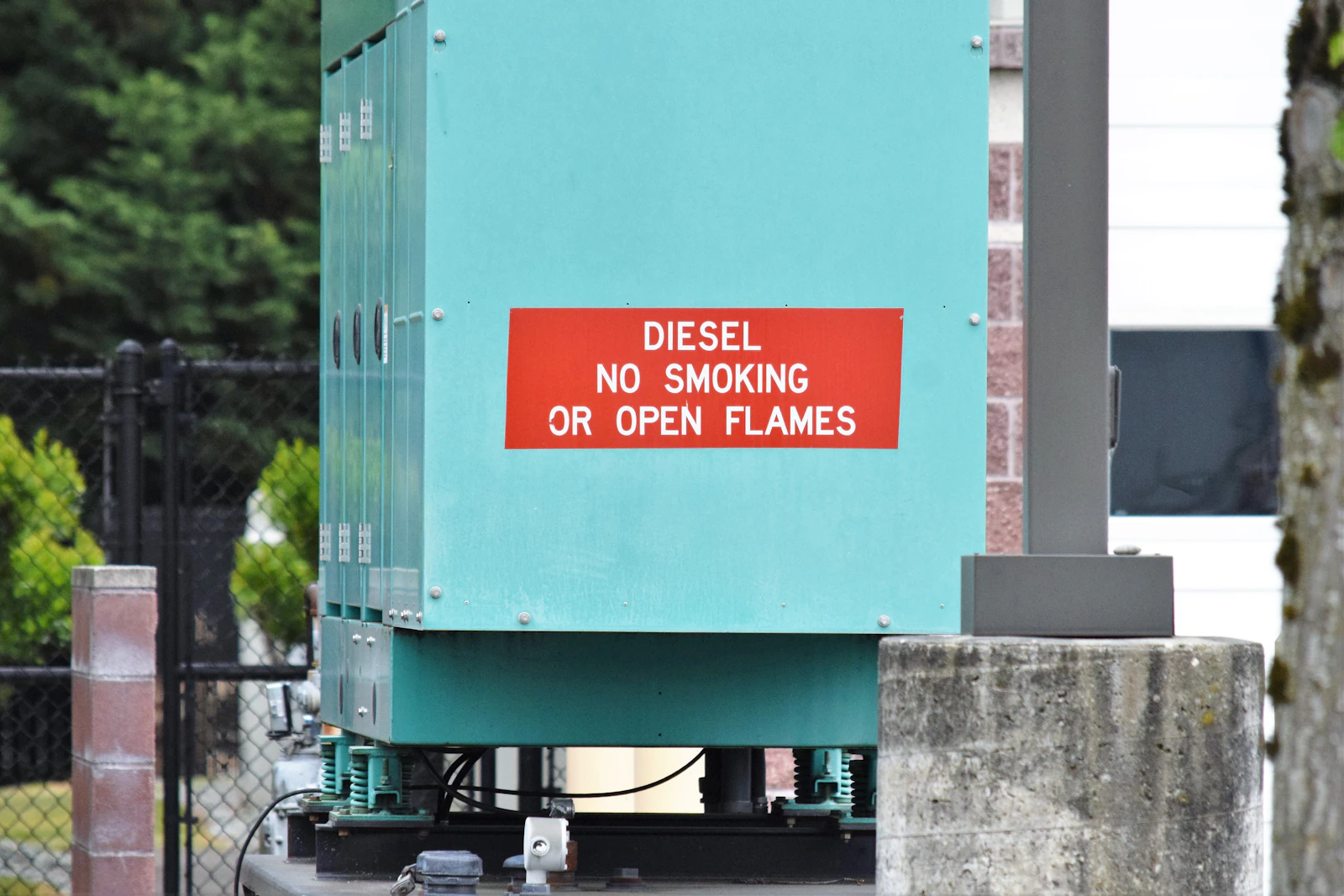
Diesel Generator Hire Costs Mesa 2026
For an electrical panel upgrade in Mesa, Arizona, most rental coordinators budget a towable Tier 4 diesel generator (plus distribution and cables) in the following 2026 planning ranges: $250–$450/day, $750–$1,350/week, and $1,700–$3,400/28-day period for the common 20–60 kW class used to keep critical loads running during a cutover window. Larger site or multi-tenant cutovers (100–200 kW) often plan at $450–$950/day, $1,400–$2,900/week, and $3,200–$7,500/28-day period before accessories, freight, fuel, and overtime. Mesa projects are typically supplied by the major national rental houses and regional temporary-power specialists serving the Phoenix East Valley; availability, emission tier, and the tie-in package frequently matter more than the base day rate when your shutdown window is fixed.
| Vendor |
Daily Rate |
Weekly Rate |
Review Score |
Website |
| United Rentals |
$275 |
$825 |
8 |
Visit |
| Sunbelt Rentals |
$260 |
$780 |
8 |
Visit |
| Herc Rentals |
$250 |
$750 |
7 |
Visit |
| The Cat Rental Store |
$300 |
$900 |
8 |
Visit |
| Aggreko |
$450 |
$1 350 |
8 |
Visit |
Assumptions for these 2026 ranges: single-shift usage (typically an 8 equipment-hour/day allowance, 40 equipment-hour/week allowance, and 160 equipment-hour/28-day allowance), standard sound-attenuated towable unit, and “rental-only” pricing (not operated by vendor). Many rental programs apply shift multipliers when you exceed allowances (often 1.5× for double shift and 2× for triple shift/unlimited run time).
What You Should Budget By Generator Size for a Panel Upgrade in Mesa
For panel upgrades, the generator is rarely a standalone line item. Your real spend is usually a bundle: generator + distro + cabling + grounding + fuel plan + delivery + off-rent rules. Still, starting with the right size band keeps you from paying for kW you cannot use (or worse, from renting too small and losing time on the cutover).
- 20 kW class (towable diesel generator hire): plan $225–$400/day, $650–$1,150/week, $1,500–$2,900/28-day. A published reference point for this size class shows weekly/monthly pricing with hourly-overtime concepts common in the market.
- 25 kVA / ~20 kW class (common “small jobsite” package): published examples show $275/day, $825/week, and $1,925/month (plus delivery, fuel, damage waiver, taxes). Use this as an anchoring datapoint, then adjust for Mesa freight and accessories.
- 25 kVA class alternate published example: another published rate example shows $340/day, $836/week, $1,672/month, with a “min rate” equal to day rate.
- 60 kW class (frequent for small commercial cutovers): plan $325–$600/day, $900–$1,800/week, $2,000–$4,500/28-day. Market references commonly show stepped weekly/monthly increases by kW and hourly overtime charges after allowance.
- 100–150 kW class (larger multi-circuit temporary power): plan $500–$950/day, $1,400–$2,900/week, $3,000–$7,500/28-day depending on voltage options, camlock outputs, and whether you need a larger external fuel tank.
Mesa-specific reality check: if you expect high ambient temperatures (late spring through early fall), confirm whether the unit will be derated at your expected site temperature and elevation; the “cheap” choice can become expensive if you must upsize at the last minute. Also plan for dust control (Mesa job sites can be harsh on intake filters), and align delivery windows with retail/tenant cutover rules so you don’t pay for a day you can’t energize.
How Generator Size, Voltage, and Distro Requirements Drive the Equipment Hire Cost
Electrical panel upgrades often create a mismatch between the generator you can rent quickly and the voltage/phase you actually need to keep operational loads running. The more conversion you need, the more your “generator hire” cost shifts into accessories and labor coordination.
- Voltage and phase options: If your temporary tie-in requires 208Y/120V 3-phase, 240/120V single-phase, or 480Y/277V 3-phase, confirm the generator selector switch and breaker configuration. A unit that supports multiple voltages can rent at a premium versus a single-voltage model.
- Distribution equipment adders (typical hire pricing allowances): budget $75–$180/day for a small temporary power distribution panel, $45–$120/day for a camlock cable set (length- and ampacity-dependent), and $25–$65/day for additional feeder lengths when the only staging area is farther from the electrical room.
- Transformer needs: If the generator voltage doesn’t match the temporary panel bus, a step-down/step-up transformer can add $150–$450/day (or $450–$1,200/week) plus extra freight because it is heavy and usually delivered on a dedicated truck.
- Grounding and protection: Expect small but real lines such as $10–$25/day for grounding accessories (where billed separately), and $20–$60/day for GFCI spider boxes or protected 120V circuits used by trades during the cutover.
Oversizing can also raise total cost through fuel and maintenance exposure. Running a diesel generator at very light load (commonly cited as below about 30%) can increase risk of wet-stacking and operational issues—sometimes pushing you into renting a load bank to keep the unit loaded during the outage window.
Typical Add-On Charges That Move the Real Rental Cost in Mesa
Base generator hire rates are only part of the spend. For a panel upgrade with a fixed outage window, the “hidden” lines are often the difference between a clean PO and a change-order conversation.
- Delivery and pickup: budget $175–$350 each way for a standard towable generator within a typical metro radius, then $4–$7 per loaded mile outside the radius (common structure). If you need a jobsite forklift to offload, add $125–$250 for special handling or liftgate service.
- After-hours or exact appointment window: many branches surcharge $150–$300 for time-specific delivery (e.g., “deliver between 5:00–6:00 AM”) versus “sometime today.” This matters in Mesa retail corridors where you may only be allowed to stage during low-traffic hours.
- Minimum rental charges: published examples show minimums equal to the day rate on certain generator classes.
- Weekend billing: published examples exist of a weekend rate (e.g., a 25 kVA class showing $415 weekend versus a $275 day rate). If your panel cutover is Friday night to Sunday morning, verify whether Friday + weekend stacks as two billable periods.
- Usage allowances and overtime: many rental programs measure generator hours by hour meter with allowances such as 8 hours/day, 40 hours/week, 160 hours/28 days, with shift multipliers for double/triple shift usage.
- Hourly overage (example structure): published market rate sheets show overtime charges in the neighborhood of $9–$15 per hour for ~20–150 kW classes once you exceed the included hours.
- Fuel (if vendor-fueled or you return short): plan $5.00–$8.00/gal “delivered diesel” when the rental house fuels and invoices, plus a common $50–$125 service call charge per fueling visit. If you must maintain runtime overnight, include a standby fuel reserve so you don’t pay emergency rates.
- External fuel tank hire (when runtime matters): budget $25–$60/day for a ~100-gallon auxiliary tank, or $95–$200/day for a double-wall tank suitable for tighter spill-control requirements; add $150–$350 each way freight because fuel tanks often ship separately.
- Damage waiver / physical damage insurance: budget 10%–18% of the base rental (generator + accessories) if you take the standard damage waiver rather than providing a certificate that meets the rental company’s requirements.
- Environmental fees: many rental contracts include an “environmental” or “shop” fee often around 2%–5% of rental lines (confirm your rental terms so it’s not a surprise).
- Cleaning fees: plan $85–$250 if the unit is returned dusty, caked with mud, or with adhesive residue from site labels; larger “decon” issues can be billed higher.
- Spill response / remediation: if a diesel spill occurs, it’s not unusual to see $250–$1,500 in absorbents, hauling, and admin charges depending on severity and location rules—this is one reason many sites require a spill kit on delivery.
Hidden-Fee Breakdown
For Mesa generator equipment hire, these are the fee categories that most commonly change your “all-in” cost after the first quote:
- Delivery / pick-up charges: flat fee inside a radius vs. mileage-based outside it; add time-window surcharges ($150–$300) for precise delivery appointments.
- Fuel or recharge surcharges: diesel billed at delivered rates ($5.00–$8.00/gal), plus fueling visit/service fees ($50–$125).
- Damage waiver vs. full insurance: damage waiver commonly 10%–18% of rental lines; confirm whether it covers theft, vandalism, and cables.
- Cleaning fees: light cleaning $85–$250; heavier cleaning or “biohazard” conditions billed at higher T&M.
- Late-return penalties / off-rent rules: if you miss the branch cutoff, you can effectively buy another day; some programs treat late return as an additional 1/2-day or full day billable period depending on contract language.
- Overtime hours and shift multipliers: exceeding included hour-meter allowances triggers hourly overage (published examples show $9–$15/hr bands for smaller kW classes) or shift-rate multipliers (1.5× / 2×).
Example: Two-Day Panel Cutover at a Mesa Retail Pad
Scenario: A tenant-occupied retail pad in Mesa needs a main panel replacement and feeder re-termination. The outage window is constrained to Saturday 6:00 AM through Sunday 2:00 PM (to avoid weekday business disruption). Critical loads are estimated at 38 kW peak with motor starts, and the electrical contractor wants margin to avoid brownouts during re-energization.
Planned hire package: 60 kW towable diesel generator (sound-attenuated), distro panel, camlock feeder set, grounding kit, and a double-wall external fuel tank to cover overnight runtime without refueling.
Budget logic (numbers you can actually use on a PO request): (1) base generator hire: $1,050–$1,650/week equivalent (many branches will quote weekend as day-rate bundles; confirm if a “week” is cheaper than 2–3 day rates); (2) distro/cables: $220–$480/day combined depending on ampacity and length; (3) delivery/pickup with time window: $250–$650 total (two moves plus appointment surcharge); (4) damage waiver: 12% of rental lines as a planning factor; (5) fuel: plan 60–140 gallons over the weekend (load dependent) at $5.00–$8.00/gal if vendor-fueled; (6) contingency for overage: 6–10 extra run hours beyond allowance at $10–$15/hr if the crew slips and must keep the generator online through cleanup and inspection. The practical takeaway: for a “simple” panel upgrade, the accessories + logistics can equal 40%–70% of the generator line if the tie-in is complex or the site has strict delivery rules.
Commercial Terms That Matter on Mesa Generator Hire Quotes
- Off-rent timing: place the off-rent call as soon as the electrician de-energizes and disconnects—many rental programs bill by calendar day even if you finish at 10:00 AM.
- Return condition documentation: take timestamped photos of hour meter, fuel level, cable condition, and skid/trailer condition at pickup to reduce post-return disputes.
- Service intervals in dusty conditions: published rate terms in the market commonly place “normal maintenance responsibility” on the customer by hour intervals (e.g., service expectations at 150 hours on smaller kW classes). In Mesa dust, you may hit filter-related issues earlier, so clarify who owns callout costs.
How to Reduce Diesel Generator Equipment Hire Cost Without Risking the Upgrade
- Right-size to avoid wet-stacking: avoid renting a 150 kW unit to run a 20 kW load “just in case.” If you must oversize for motor starting, consider a temporary soft-start strategy or staged energization so you don’t pay for unnecessary kW and fuel consumption.
- Bundle accessories up front: cables, distro, and tankage quoted later are where margin creeps in; request an “all-in temporary power package” quote at bid time.
- Align delivery with site access: if the only staging area requires a spotter, security escort, or tight appointment, schedule it once; multiple re-deliveries can easily add $200–$600 in repeat freight and lost crew time.
Budget Worksheet (Mesa Diesel Generator Hire for Electrical Panel Upgrade)
Use these line items as a practical estimating artifact for a Mesa temporary power PO. Adjust quantities based on kW class, voltage, and run-time requirements.
- Generator hire: ____ kW Tier 4 towable diesel generator at $250–$950/day (select size band), or $750–$2,900/week equivalent depending on duration and billing structure.
- Temporary power distribution panel hire: allowance $75–$180/day.
- Camlock feeder set hire: allowance $45–$120/day (add $25–$65/day for extra length or higher ampacity).
- Transformer hire (if required): allowance $150–$450/day plus separate freight.
- External fuel tank hire: allowance $25–$60/day (100-gal) or $95–$200/day (double-wall).
- Delivery and pickup: allowance $175–$350 each way + mileage beyond radius ($4–$7/mi) + time-window surcharge ($150–$300) if required.
- Fuel: allowance $5.00–$8.00/gal + fueling visit fee $50–$125 if vendor-fueled; otherwise include in your self-perform fuel plan and document “full on return” requirements.
- Damage waiver / PD insurance: allowance 10%–18% of rental lines.
- Environmental/shop fees: allowance 2%–5% of rental lines.
- Cleaning/return condition: allowance $85–$250 (higher if site conditions are muddy or adhesive labels are used heavily).
- Overtime / extra run hours contingency: allowance $9–$15/hr once you exceed included hour-meter allowances, or plan shift-rate multipliers (1.5× / 2×) if the generator must run extended hours.
- Spill control allowance: $40–$120 for spill kit rental/purchase, plus a contingency of $250–$1,500 for potential spill response charges if an incident occurs.
Rental Order Checklist (What to Confirm Before You Release the PO)
- PO scope clarity: confirm whether pricing includes generator only, or generator + distro + cables + tank + grounding kit.
- Project dates and billing clock: verify whether the rental period bills by calendar day, 24-hour clock, or “day rate” regardless of pickup time; confirm branch cutoff for returns/off-rent.
- Hour-meter allowances: confirm included hours (8/day, 40/week, 160/28-day is a common structure) and the overage method; confirm double/triple shift rules.
- Delivery plan: confirm delivery address, contact, laydown location, and whether the truck needs a gate code, security check-in, or escort; confirm appointment window and any after-hours surcharge ($150–$300).
- Pickup/off-rent rules: document who is authorized to call off-rent and the required notice time (same-day vs next-day pickup expectations).
- Fuel expectations: confirm “full on return” and whether vendor will fuel on delivery; document diesel price basis if vendor-fueled ($5.00–$8.00/gal planning range).
- Insurance and risk allocation: provide COI if you are waiving damage waiver; otherwise confirm the damage waiver percentage (10%–18%) and exclusions (theft of cables, vandalism, flood exposure).
- Return condition documentation: require photos at delivery and pickup (hour meter, fuel level, visible damage, accessory counts), especially for cable sets and distro.
- Indoor/occupied-site controls: confirm noise limits, exhaust direction, barricades, and dust-control requirements (intake/exhaust clearance) so the unit isn’t rejected on delivery.
Mesa Considerations That Commonly Change Generator Hire Cost
Local operating constraints in Mesa can materially change your final temporary power equipment hire costs even when the base generator rate looks competitive:
- Heat and runtime planning: high temperatures can increase cooling load and reduce operational margin; the practical cost impact is that you may need to upsize one class or add an external fuel tank to avoid refueling during a restricted access window.
- Dust exposure: dusty staging areas can accelerate filter loading. If you don’t control dust (simple windbreaks, intake positioning, housekeeping), you can trigger avoidable callouts and cleaning charges ($85–$250).
- Delivery radius norms: Mesa rentals are often dispatched from East Valley or greater Phoenix yards; if you are outside a standard radius, mileage pricing ($4–$7/mi) and time-specific deliveries ($150–$300) become more common than on centrally located jobs.
When a Weekly Rate Is Cheaper Than “Two Days” for a Panel Upgrade
Published rate structures for small generators often show that weekend and week pricing can be more favorable than stacking day rates, depending on how the branch defines a “week” and whether you cross a weekend billing boundary. For example, a published 25 kVA class shows $275/day, $415/weekend, and $825/week, which illustrates why Friday delivery + Sunday pickup can be cheaper as a weekend or week structure than as multiple day charges—if (and only if) your contract defines it that way.
For 2026 planning, the best practice is to request three parallel quotes for your Mesa panel upgrade: (1) day-rate bundle for your planned outage window, (2) weekend bundle, and (3) week rate with off-rent pickup confirmed. This prevents the classic outcome where the generator is disconnected Sunday at noon but can’t be picked up until Monday, and you buy an extra day.
Market Notes for 2026 Planning (What to Put in Your Estimate Narrative)
- Expect overtime rules to matter more than base rate: many rate sheets explicitly tie pricing to included hour-meter limits and charge hourly overage after that threshold.
- Document the outage window: panel upgrades live and die by schedule. If the site only allows energization at specific hours, call out delivery appointment needs and likely surcharges ($150–$300) in the estimate clarifications.
- Call out accessory scope as “required”: distro, feeders, grounding, and tankage should be treated as required equipment hire costs, not “nice-to-have,” because they are commonly the gap between a budget number and the invoice.