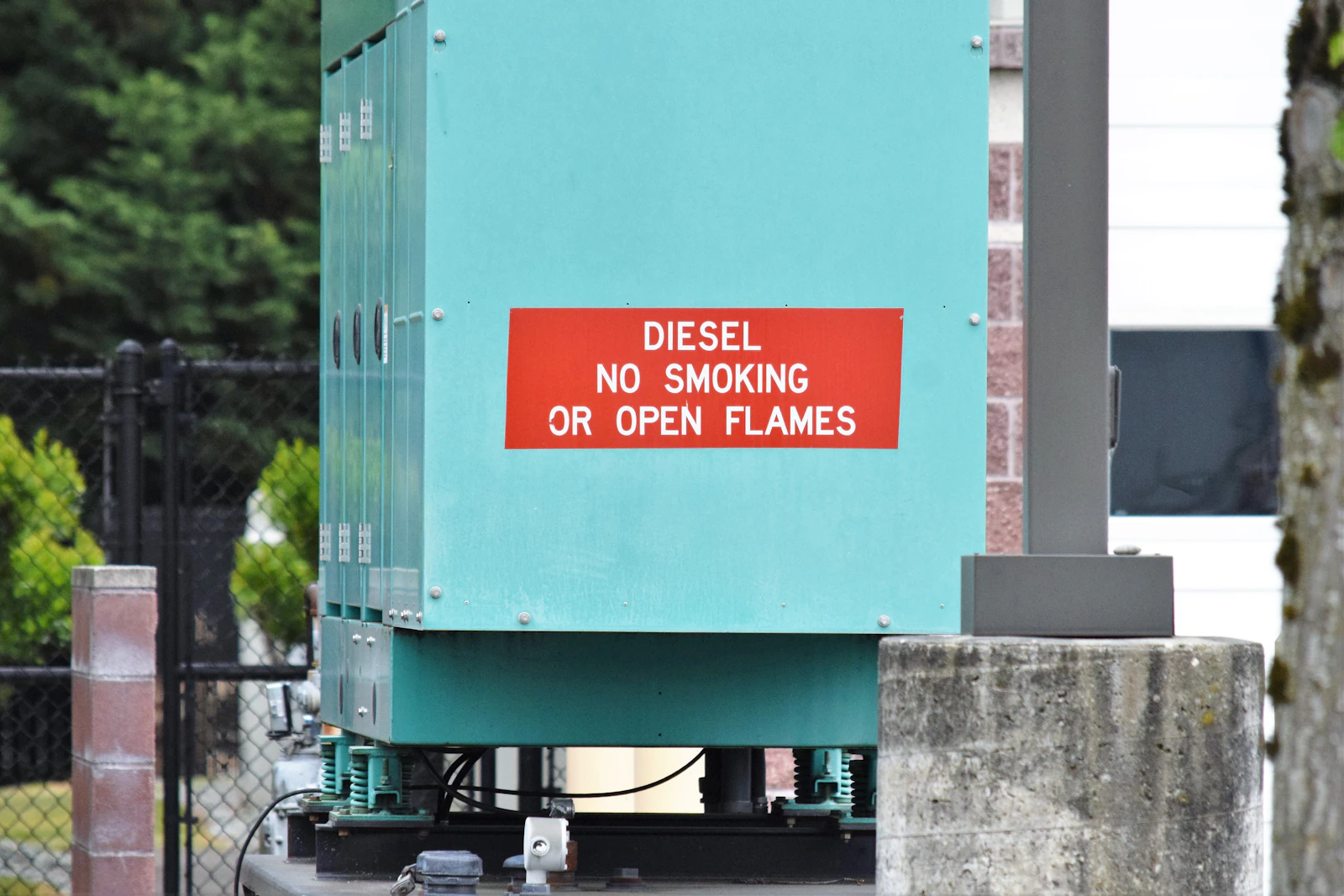
Diesel Generator Rental Rates in Sacramento (Daily/Weekly) — 2026 Costs
Construction Costs in Sacramento
Price source: Costs shown are derived from our proprietary U.S. construction cost database (updated continuously from contractor/bid/pricing inputs and normalization rules).
Eva Steinmetzer-Shaw
Head of Marketing
Diesel Generator Rental Rates Sacramento 2026
For portable generator hire on commercial and civil sites in Sacramento, 2026 planning budgets for towable Tier 4 Final diesel generator equipment hire typically land in three bands: $200–$450/day for ~20–70 kW class units, $375–$650/day for ~76–125 kW class units, and $700–$1,600+/day for larger 200–500+ kW packages (often quoted with distribution and service requirements). Weekly and 4-week (monthly-equivalent) rates usually discount heavily versus daily; as a planning range, expect roughly $600–$1,350/week for ~20–70 kW, $1,100–$1,900/week for ~76–125 kW, and $2,400–$8,000+/week for 500–2000 kW specialty power rentals. In Sacramento, these base rates are most often sourced through national rental networks (United Rentals, Sunbelt, Herc) or regional power specialists and CAT rental channels (including Holt of California) depending on kW, distribution needs, and compliance documentation.
| Vendor |
Daily Rate |
Weekly Rate |
Review Score |
Website |
| United Rentals (Sacramento, CA) |
$310 |
$835 |
8 |
Visit |
| Sunbelt Rentals (West Sacramento, CA) |
$269 |
$640 |
9 |
Visit |
| Herc Rentals (West Sacramento / Sacramento, CA) |
$356 |
$743 |
10 |
Visit |
| Cresco Equipment Rentals (Sacramento/West Sacramento metro) |
$340 |
$836 |
10 |
Visit |
| CD & Power (GotPower) — Sacramento Branch |
$256 |
$767 |
9 |
Visit |
Reality check on what’s included: published “rental rates” often cover the generator only (no fuel, no cables/feeder, no distro, no load bank, no electrician, no permitting/registration admin, and no after-hours response). Sacramento projects that need quiet power, longer run-times, or emissions documentation should budget for accessories and compliance administration up front rather than treating them as change-order items late in the schedule.
2026 Planning Ranges By Generator Size (Diesel, Towable)
Use these as equipment hire cost allowances for Sacramento precon and short-interval procurement. They’re grounded by published rate examples (Northern CA and broader Western U.S.) and then widened for 2026 planning variance (availability, Tier 4 Final demand, outage season, and delivery complexity).
- ~20–25 kW diesel generator hire: plan $180–$300/day, $500–$900/week, and $1,500–$2,400 per 4 weeks depending on runtime expectations and accessories. (Published weekly/monthly examples exist for this class in industry rate sheets.)
- ~36–45 kW towable diesel generator rental: plan $200–$350/day, $600–$1,050/week, and $1,800–$3,000 per 4 weeks (often the sweet spot for small distribution + a few 208/240V loads).
- ~56–70 kW portable generator hire: plan $250–$450/day, $800–$1,350/week, and $2,300–$3,300 per 4 weeks. Published examples include 56 kW “starting at” pricing and 70 kVA daily/weekly/monthly postings.
- ~76–100 kW diesel generator equipment hire: plan $300–$600/day, $900–$1,800/week, and $2,800–$4,500 per 4 weeks. Published examples show 100 kW “starting at” day/week/month pricing, plus a separate 100 kW daily/weekly/4-week rate posting from a regional rental house.
- ~125 kW class towable generator hire: plan $500–$750/day, $1,600–$2,200/week, and $3,600–$5,200 per 4 weeks (accessories and fuel service can quickly outrun the base rate).
- ~500–2000 kW prime/backup power rentals: plan $2,400–$8,000/week and $7,200–$24,000/month for the generator sets themselves, before switchgear, paralleling, feeders, and on-call tech coverage.
What Changes The Price On A Sacramento Diesel Generator Hire?
Size (kW) is only the starting point. In Sacramento, the biggest cost swings for diesel generator rental pricing usually come from (1) runtime duty cycle, (2) distribution method, (3) delivery and access constraints, and (4) emissions documentation and site restrictions.
- Duty cycle and metered hours: many rentals are priced on a single-shift assumption (commonly 8 hours/day, 40 hours/week). If you need 24/7 runtime, expect either a higher “shift” rate or overtime/hour-meter charges, plus more frequent service intervals.
- Distribution and voltage: a generator sitting on a trailer does nothing without the correct camlocks/feeder lengths, spider boxes, ground rod, and (often) a temporary panel/transfer equipment. If the site needs 480V distribution and step-down to 208/120V, budget for additional gear and time.
- Noise and placement: “quiet” enclosures can affect availability. For downtown or hospital-adjacent work, you may also need extra cable length to push the generator farther from occupied spaces—raising feeder costs and voltage-drop engineering time.
- Tier 4 Final and compliance paperwork: Sacramento County projects commonly require documentation that the engine is properly registered/permitted (for many portable diesel engines 50 hp+), which can limit the fleet available during peak seasons.
Hidden-Fee Breakdown (Budget These Early)
Below are common line items that materially change your all-in diesel generator equipment hire cost in Sacramento. Exact policies vary by supplier and contract terms, so treat these as estimating allowances and confirm during the quote review.
- Delivery + pickup (local): plan $175–$350 each way for straightforward site access; add a mileage-style allowance of $4–$7 per loaded mile when the yard-to-site distance or congestion is significant.
- After-hours or timed-window delivery: plan $150–$250 premium if you must receive between specific downtown/secure-site windows, or if the drop requires waiting time.
- Minimum rental term: commonly 1 day minimum even if the unit is on site for a few hours.
- Weekend/holiday billing rules: plan a 10%–25% weekend premium for special dispatch or assume weekend days still count in the rent clock unless you negotiate “no-charge weekends” on longer terms.
- Damage waiver / rental protection plan: commonly 10%–15% of time-and-material rental charges (generator + accessories), unless you provide proof of insurance and decline coverage.
- Environmental/energy surcharge: commonly 5%–10% applied to the rental subtotal in addition to taxes and fees.
- Fuel/defueling/refueling service: if you return short, plan $6–$9 per gallon as a jobsite refuel/yard refuel allowance (often higher than pump price due to handling and admin).
- Cleaning fee (mud/concrete dust): plan $95–$350 depending on enclosure condition and whether the unit was operated in heavy dust (common on grading and concrete scopes).
- Late return / off-rent cutoff: many yards require off-rent notice before a cutoff (often 12:00–2:00 PM) to avoid an additional day charge; budget at least 1 extra day risk on tight demob schedules.
- Jobsite spill kit / containment: plan $25–$45/week if required by the GC’s SWPPP or facility EHS rules.
Sacramento-Specific Cost Drivers (What Coordinators Get Surprised By)
- Air district documentation expectations: Sacramento-area specs and environmental language frequently call out that portable construction equipment with internal combustion engines over 50 hp (including generators) must have local permit documentation or statewide registration (PERP). If your supplier can’t provide the certificate number and paperwork quickly, you may pay expedite fees or lose schedule float.
- Utility coordination vs generator bridging: if permanent utility power is being energized by SMUD, plan for generator bridging when inspection/energization timing slips. SMUD notes energization is typically within 7 business days after electrical panel inspection approval—projects often still choose to carry a generator allowance to protect schedule-critical pours, commissioning, or security systems. (g
- Heat and wildfire season operations: high ambient heat and heavy particulate/smoke periods can increase filter service frequency and derate available kW. That can mean either stepping up a size class (e.g., from ~70 kW to ~100 kW) or adding an auxiliary fuel tank and planned PM visits.
Accessories That Commonly Need Separate Hire (And Their Typical Adders)
In Sacramento, many “portable generator hire” orders fail cost control because distribution is treated as an afterthought. Budget accessories explicitly:
- Feeder/camlock cable sets: allow $40–$90/week per cable set (short runs) and $65–$125/week for longer 5-wire 100' feeders when you need distance for noise or security.
- Spider boxes / temporary power boxes: allow $35–$80/week each depending on amperage and GFCI requirements.
- 200A distribution box: allow $95–$175/week if you’re splitting multiple circuits/areas.
- Paralleling box (if running multiple sets): published “day/week/4-week” rate examples exist for paralleling equipment; when you truly need redundancy, this becomes a significant line item.
- External belly tank / auxiliary fuel cube (where permitted): allow $90–$175/week plus mobilization and containment requirements.
Budget Worksheet (Estimator-Friendly Allowances, No Surprises)
- Generator (select size class): allowance $3,200–$4,500 per 4 weeks for ~100 kW Tier 4 Final towable diesel generator equipment hire.
- Delivery + pickup: allowance $350–$700 total (simple access) or add mileage allowance $4–$7 per loaded mile beyond the included radius.
- Damage waiver/rental protection: allowance 10%–15% of rental subtotal.
- Environmental surcharge: allowance 5%–10% of rental subtotal.
- Distribution package: allowance $450–$1,200 per 4 weeks (feeders + distro + spider boxes), depending on distance and quantity of drops.
- Fuel plan: allowance $6–$9/gal for delivered/service fuel and 1–2 refuel visits per week if running extended hours.
- Service/PM visits (24/7 or heavy dust): allowance $250–$450 per visit (labor + filters; confirm with supplier).
- Cleaning/return condition contingency: allowance $150–$350.
Rental Order Checklist (What A Rental Coordinator Should Collect)
- PO and cost code(s) for generator, distribution, fuel service, and protection plan (keep these separated for cost visibility).
- Exact site address, delivery window, and receiving contact; note any “must call” and security gate procedures.
- Offloading method confirmation: forklift on site vs supplier tilt-bed/boom truck requirement.
- Voltage/phase and connection method needed (e.g., 480V camlock, 208/120V distro, lugs).
- Run profile: expected hours/day, whether nights/weekends run, and any quiet-time restrictions.
- Compliance documents required: PERP registration number and/or local permit documentation; emissions tier requirement (often Tier 4 Final).
- Fueling responsibility: “full-to-full” expectation, on-site tank rules, spill containment requirements, and refuel callout process.
- Return condition requirements: photos at pickup, hour-meter reading, fuel level, and accessory reconciliation (cables/spiders count).
Note on CAT rental coverage: if you’re sourcing through CAT channels, Holt of California advertises generator rentals in roughly the 20–100 kW range across multiple Northern/Central California counties—useful for standardizing specs across a program.
Example: 100 kW Diesel Generator Hire For A 3-Week Sacramento TI Schedule
Scenario: A tenant improvement in Midtown Sacramento needs temporary power for a building shut-down window and then partial commissioning. The site wants the generator placed 80–120 feet from the work area for noise control, with 208/120V distribution inside. Runtime is 10–12 hours/day weekdays, plus security loads overnight.
Planning build-up (illustrative):
- Generator: plan a 100 kW class towable diesel at $3,200–$4,500 per 4 weeks (use a pro-rated 3-week allowance of $2,400–$3,600 depending on vendor structure and negotiated term). Published examples show “starting at” and posted rates in this class that support this planning band.
- Delivery + pickup: $500 allowance total (two-way) for standard access; add $150 contingency for timed delivery window if the building restricts dock use.
- Distribution: allow $650 for feeders + a 200A distribution box + multiple spider boxes over a 3-week term (quantity depends on floor plan).
- Protection plans and surcharges: carry 12% damage waiver and 7% environmental/energy surcharge on the rental subtotal (confirm contract language).
- Fueling: assume service fuel at $7.50/gal average and plan for 2 refuel visits/week if overnight loads run; carry a first-pass fuel allowance of $1,200–$2,500 until actual load (kW and duty cycle) is measured.
- Return condition: carry $250 cleaning/filters contingency for dust (Sacramento infill sites often have fine particulate and curbside grit).
Why this matters: even when the base diesel generator rental pricing looks manageable, the “all-in” portable generator hire cost is typically governed by distribution scope, fuel plan, and operating hours (and whether the yard treats you as single shift or multi-shift). (g
Shift, Overtime, And Metered-Hours: How Rates Escalate
Many rental rate structures assume a single shift. If your Sacramento jobsite needs extended runtime, the cost impact usually shows up in one of two ways: (1) a higher shift multiplier applied to the same base rate, or (2) a separate hour-meter “overtime” charge after included hours are exceeded.
- Shift multipliers (common structure): published rate schedules in national price lists show single shift 0–8 hours, double shift 9–16 hours at 1.5×, and triple shift 17–24 hours at 2× on hour-metered machines—this is exactly the kind of clause that can double your “cheap” weekly quote if you operate around the clock. (g
- Overtime line items: some power-rental providers publish explicit overtime charges for larger kW classes (often more common on 500 kW+ specialty rentals).
Compliance And Documentation Costs (California Reality, Sacramento Enforcement Language)
California’s permitting/registration landscape is a real procurement constraint for diesel generator equipment hire. For Sacramento County work, your submittal package may be expected to include proof of statewide portable registration (PERP) or local permitting for qualifying engines, plus confirmation the unit meets required emissions tier (often Tier 4 Final for modern fleets). CARB guidance for backup generators advises contacting the local air district before renting/using larger generators, and CARB’s PERP program exists specifically to allow operation throughout California without separate permits in each district (subject to program rules).
Cost impact to budget (typical): the paperwork itself may not be a big line item, but it can (a) limit which units are available on short notice, (b) force you into a higher kW class if compliant inventory is tight, or (c) add administrative time that shows up as “handling” or “project setup” fees in quotes.
Delivery, Off-Rent, And Return Rules That Move The Needle
For Sacramento generator hire, coordinator discipline on delivery/return rules is one of the easiest ways to prevent extra days.
- Delivery cutoff and standby time: if your GC can’t receive the unit, many suppliers will charge waiting time or attempt redelivery. Carry $95–$200 as a reschedule/redelivery risk allowance on constrained sites.
- Off-rent notice: treat the off-rent call like a critical path activity. If you miss cutoff, you can easily buy an unneeded extra day at $300–$650 (depending on size class).
- Return documentation: take time-stamped photos of the unit, hour meter, accessories, and fuel level at pickup. Missing spider boxes/cables can cost more than the generator’s daily rate.
- Fuel expectation (“full-to-full”): if the agreement requires full return and you don’t comply, refuel handling at $6–$9/gal can add hundreds quickly on a 100–170 gallon tank class. (Published spec examples for 100 kW class show ~169 gallon tank capacity on some units, which is why this line item matters.)
How To Keep Portable Generator Hire Competitive In Sacramento (Without Cutting Spec)
- Bid the distribution as a package: ask for “generator + feeders + distro + spiders” as one scoped quote so you aren’t buying accessories at walk-in counter rates.
- Lock the term: if you think you need 3 weeks, price 4 weeks and negotiate a swap to the 4-week rate if you go long; it can be cheaper than stringing weekly renewals.
- Confirm emissions documentation early: ensure the quote includes the registration/permitting documents you’ll need for submittals and site compliance.
- Right-size with measured loads: if your load is uncertain, plan for a short initial period, measure kW, then resize. Oversizing from ~70 kW to ~125 kW can add roughly $300–$850/week in base rent alone based on published rate examples.
When Ownership Beats Hire (And When It Doesn’t)
Ownership can pencil out for stable, repetitive needs (long durations, consistent duty cycle, controlled storage/maintenance). However, Sacramento-area projects often need compliance-ready Tier 4 Final equipment, rapid swaps, and documented inspection/service—benefits that are embedded in professional diesel generator equipment hire. If your work involves frequent relocations, variable voltage, or high consequence downtime, rental still tends to be the lower-risk procurement model even when the monthly rent looks high.