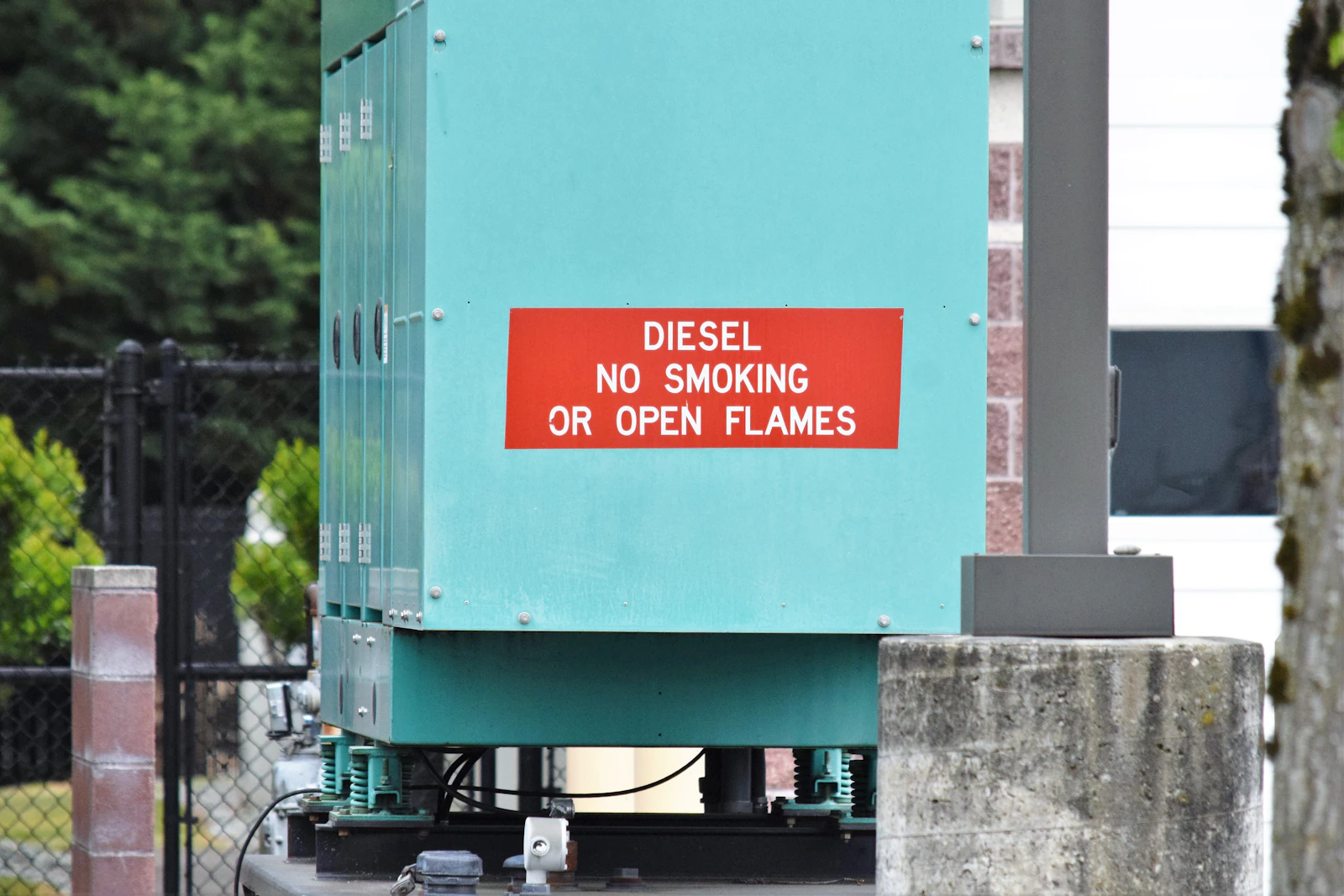
For a San Diego diesel generator equipment hire supporting an electrical panel upgrade, 2026 budget planning ranges commonly land at $175–$450/day, $650–$1,600/week, and $1,900–$4,800/month for typical towable units (often 25–100 kW) before accessories, fuel, and logistics. Larger packages (150–200 kW with distribution) can push $550–$1,100/day, $2,000–$3,900/week, and $5,500–$10,500/month. In practice, your total hire cost is driven less by the base generator rate and more by power distribution, delivery constraints, after-hours work windows, and off-rent rules—especially in downtown, healthcare, education, and coastal commercial sites. Major rental providers with San Diego coverage (national chains and regional power specialists) can typically supply Tier-compliant units and cable/distro packages, but lead times and delivery pricing swing materially by neighborhood and access conditions.
| Vendor |
Daily Rate |
Weekly Rate |
Review Score |
Website |
| Sunbelt Rentals |
$345 |
$925 |
8 |
Visit |
| United Rentals (Power & HVAC – San Marcos, CA) |
$277 |
$832 |
9 |
Visit |
| Herc Rentals (San Diego, Miramar Rd) |
$330 |
$812 |
8 |
Visit |
| Hawthorne Rentals (The Cat Rental Store) — San Diego |
$375 |
$1 050 |
9 |
Visit |
| Power Plus (Temporary Power / Generator Rentals) |
$450 |
$1 200 |
9 |
Visit |
Diesel Generator Equipment Hire Costs San Diego 2026
Use the ranges below as estimator-grade allowances for diesel generator hire costs in San Diego tied to temporary power for a service change or panel replacement. Assumptions: Tier-compliant, maintained fleet unit; normal business hours pickup/return; standard 1-day minimum; no extraordinary security or escort; and basic on-site placement with a forklift-capable drop zone. If your job is indoors or has strict noise limitations, expect adders for a silenced unit, extended cable runs, and/or remote fueling plans.
Budgetary rate ranges by generator size class (typical panel-upgrade use)
- 25–45 kW towable diesel generator: plan $175–$325/day, $650–$1,050/week, $1,900–$3,200/month.
- 60–100 kW towable diesel generator: plan $250–$450/day, $900–$1,600/week, $2,700–$4,800/month.
- 125–200 kW package (towable or skid): plan $550–$1,100/day, $2,000–$3,900/week, $5,500–$10,500/month.
These diesel towable generator rental rates typically exclude distribution gear (camlocks, feeder cable, panelboards), fuel, consumables, permits, and many site-required safety items. For an electrical panel upgrade temporary power rental, most overruns come from distribution scope creep and schedule volatility (utility delays, inspections, energization windows).
What Typically Gets Missed on Diesel Generator Hire for Electrical Panel Upgrades?
Panel upgrades are deceptively “short duration” work, but they have high cost exposure because the critical path often includes utility cutovers, inspection holds, and restricted outage windows. When you price temporary power generator hire for a service change, account for:
- Standby billing vs. run-time billing: many contracts bill calendar time (possession), not engine hours. Even if the generator runs 6 hours, you may pay the full day.
- Off-rent cutoffs: common cutoffs are 10:00 AM or 2:00 PM. Miss the cutoff and you may incur an extra day.
- Weekend/holiday counting: some branches count weekends as billable days on weekly rates, or apply weekend surcharges of 10%–20% for Friday after-hours delivery.
- Distribution “minimum package” reality: you rarely rent only a generator; you rent a generator plus cable + disconnects + panelboards + grounding + protection.
Key Cost Drivers That Move San Diego Diesel Generator Equipment Hire Costs
1) Delivery, pickup, and jobsite access constraints
In San Diego, delivery cost is highly sensitive to access, staging, and time-of-day. Budget these common allowance ranges:
- Standard delivery + pickup (local radius): $150–$450 round trip for smaller towables; $350–$900 for larger packages or when a tilt-deck is required.
- Mileage outside typical radius: $4–$7 per mile (commonly applied when the yard-to-site distance exceeds a branch’s included zone).
- After-hours / scheduled-window delivery: add $125–$250 for dispatch outside normal hours or for “must-deliver-by” windows.
- Downtown / constrained sites: allow 1–2 hours of driver wait time; if billed, it often lands at $75–$150/hour.
San Diego-specific considerations: downtown curb restrictions and limited laydown can force tighter delivery windows; coastal neighborhoods (e.g., near Mission Bay/Point Loma) can have stricter noise expectations; and military/port-adjacent sites may require documentation and gate coordination that effectively increases standby time and risk of missed cutoffs.
2) Distribution equipment: camlocks, feeder cable, panelboards, and step-down
For an electrical panel upgrade, distribution is not optional—your hire cost must include the correct interfaces and protection. Typical adders (budgetary):
- Camlock feeder cable sets (per set): $35–$85/day depending on length/gauge and whether it’s single set vs. multiple.
- Feeder cable by length (heavy 4/0-type cable): allow $3–$6 per foot per week when rented by the foot (pricing model varies by supplier).
- Temporary distribution panel / spider box: $25–$60/day per unit (more for higher-amp or specialty GFCI packages).
- Portable load bank (for commissioning / proving capacity): $350–$900/day plus delivery (often required for sensitive facilities).
- Transformer (step-down / isolation as needed): $250–$650/week depending on kVA and voltage class.
If your service is 480V three-phase but the building loads are mixed, your temporary distribution plan can balloon quickly. Confirm voltage, phases, grounding plan, and connection method (camlock, lugs, or ATS) before locking the PO.
3) Fuel, refueling, and environmental allowances
Even when the base generator rate looks reasonable, fuel can dominate the final cost if the unit runs longer than planned (inspection delays) or at higher loads (temporary HVAC, elevators, or tenant loads you didn’t expect). Typical rental charge components to carry:
- Fuel (customer-provided): for estimating only, carry $4.50–$6.50/gal for diesel budgeting in 2026 planning.
- Refuel service (vendor-provided): common surcharge of $6–$9/gal delivered (includes handling/dispatch).
- “Run dry” or emergency refuel callout: add $150–$400 per callout (especially nights/weekends).
- Spill kit / secondary containment berm: $35–$90/day depending on capacity and site rules.
- Environmental or admin fees: often $25–$75 per invoice (varies by contract).
Operational constraint that changes cost: many suppliers require the unit to be returned with the tank at the same level as delivered (often “full”), otherwise they refuel at their rate. Put “fuel-in/fuel-out” terms on the PO to avoid surprises.
4) Risk transfer: damage waiver, deposits, and insurance certificates
On diesel generator equipment hire, rental providers frequently apply risk and coverage line items. Budget:
- Damage waiver: typically 10%–18% of the rental charges (often applied to base + accessories).
- Refundable deposit (credit card or account-based): commonly $500–$2,500 depending on kW size and customer status.
- Loss/damage exposure: cable is a high-loss item; missing camlocks/adapters can be billed at replacement cost, not depreciated value.
For San Diego projects on institutional sites, expect COI language requirements (additional insured, waiver of subrogation) and potentially higher deposits or prepayment if paperwork delays the account setup.
Hidden-Fee Breakdown for Diesel Generator Equipment Hire
Use this checklist to pressure-test quotes for diesel generator rental rates in San Diego so the PO reflects your all-in cost.
- Minimum rental charges: common minimum is 1 day or a dollar minimum such as $125–$250, even if used for a partial shift.
- Late return penalties: if returned after cutoff, add 1 extra day; if time-based billing is used, late fees may run $75–$200/hour.
- Cleaning fees: $95–$350 for mud/concrete splatter, adhesive residue, or excessive dust ingestion (often triggered by indoor work without dust control).
- Battery/starting issues due to customer handling: callout commonly $150–$300 if the unit is fine but was shut down incorrectly or fuel-starved.
- Weekend surcharges: 10%–20% or a fixed $100–$250 fee for weekend dispatch/delivery windows.
- Noise/silencing package: add $25–$90/day for “super silent” configurations when available (inventory dependent).
Example: Electrical Panel Upgrade Temporary Power in Downtown San Diego (Costed Scenario)
Example: A 48-hour service outage window for a mid-rise tenant improvement requires a 100 kW diesel generator positioned in a tight alley with a scheduled delivery (must arrive 6:00–7:00 AM), plus temporary distribution to feed life-safety and tenant critical loads. The job runs Friday into Saturday, with final sign-off delayed until Sunday morning.
- Generator hire (100 kW): allow $350/day × 3 days = $1,050 (because the off-rent cutoff is missed on Sunday).
- Delivery/pickup (scheduled window + constrained access): allow $650 (includes a window fee and driver wait).
- Damage waiver: assume 14% of rental subtotal (base + accessories) = allowance $250–$400 depending on package.
- Distribution: (1) camlock set $60/day × 3 = $180; (2) two spider boxes $45/day × 3 × 2 = $270; (3) cable allowance $300 for longer-than-expected runs and adapters.
- Fuel: assume 6 gallons/hour average at load × 16 run-hours = 96 gallons; if vendor refuels at $7.50/gal, fuel allowance = $720 (or customer-furnished at market).
- Secondary containment: $60/day × 3 = $180.
Estimator takeaway: even with a modest base rate, the “real” equipment hire cost is driven by possession days (cutoff rules), access constraints, and the distribution/fuel package. Put the outage window and return cutoff in writing so the field team can off-rent the same day approvals land.
Budget Worksheet (San Diego Diesel Generator Equipment Hire Allowances)
- Base diesel generator hire (size class + duration): allowance $___
- Delivery + pickup (include window fees / wait time): allowance $150–$900
- Distribution package (camlocks, feeder cable, panelboards/spider boxes): allowance $250–$1,500
- Transformer (if required): allowance $250–$650/week
- ATS / disconnect interface (if required): allowance $250–$900/week
- Secondary containment / spill control: allowance $35–$90/day
- Fuel (customer-provided) OR refuel service: allowance $4.50–$6.50/gal (customer) or $6–$9/gal (service)
- Damage waiver: allowance 10%–18% of rental charges
- Cleaning/return condition contingency: allowance $95–$350
- After-hours dispatch contingency: allowance $125–$250
Rental Order Checklist (PO, Delivery, Operation, Off-Rent)
- PO states: generator size (kW/kVA), voltage, phase, camlock/lug requirements, and whether “super silent” is required.
- Confirm billing basis: calendar day vs. engine hours; confirm off-rent cutoff time (e.g., 10:00 AM or 2:00 PM).
- Delivery instructions: exact address, contact, gate code, staging area, and whether a lift-gate/tilt-deck is needed.
- Site constraints: noise limits, exhaust direction, indoor/covered placement rules, and required barricades.
- Fuel plan: “fuel-in/fuel-out” terms, refuel responsibility, and after-hours emergency call procedure.
- Return condition documentation: photos of panels/cables, fuel level, hour meter, and any damage notes at pickup.
- Compliance documents: COI, emissions compliance requirement, and any site-specific safety paperwork.
If you share the service size (amps), voltage, and expected connected load (kW), I can tighten the recommended generator class and distribution allowances to better match your San Diego electrical panel upgrade scope without overbuying the package.
How to Right-Size Diesel Generator Equipment Hire for a Panel Upgrade (Avoid Paying for Excess kW)
Right-sizing is the fastest way to control diesel generator equipment hire costs because step-ups in kW class often drive step-ups in delivery requirements, fuel burn, and distribution package scale. For an electrical panel upgrade, confirm these items early:
- True critical loads: identify what must stay energized (life safety, IT closets, sump pumps, refrigeration). Avoid carrying the entire building service if only a subset is required.
- Starting currents: motor loads (pumps/fans) can force a larger generator than steady-state kW suggests.
- Power quality expectations: sensitive electronics may require tighter regulation, load banking, or dedicated distribution panels.
When the scope is unclear (tenant adds loads last minute), many coordinators carry a contingency of 15%–25% additional capacity on kW and cable lengths to prevent change orders that cost more than the incremental rental.
San Diego Operational Constraints That Change Real Hire Cost
These are recurring, local field realities that impact the “all-in” number for diesel generator hire costs in San Diego:
- Delivery window cutoffs in dense areas: if your building only allows deliveries 7:00–9:00 AM, you may pay a window fee (often $125–$250) and risk an extra day if pickup misses the cutoff.
- Coastal corrosion and salt air: coastal placements can require more frequent checks and stricter enclosure requirements; budget a higher chance of cleaning fees (carry $150 contingency) if the unit sits in sand/salt spray zones.
- Heat impacts in East County: higher ambient temperatures can reduce available output; if you compensate by jumping to the next size class, the base rate can increase by $100–$300/day depending on fleet.
Hidden-Fee Controls: Contract Language That Prevents Surprises
For professional rental coordinators, controlling fees is about PO wording and documentation discipline. Consider adding these terms:
- 明确 off-rent request process: require confirmation number/time stamp. A missed off-rent email can cost 1 extra day (often $250–$450 on mid-size units).
- Weekend billing clarity: specify whether weekly rates assume 5-day or 7-day weeks, and whether Saturday/Sunday are billable possession days.
- Return condition criteria: “Broom-clean, no concrete/mud, cables coiled and tagged.” This reduces cleaning and missing-accessory backcharges (often $95–$350 plus replacement).
Accessories and Adders Common on Electrical Panel Upgrade Generator Rentals
Expect the following adders to appear on quotes for diesel generator rental for electrical panel upgrade in San Diego. Carry them as allowances unless your scope explicitly excludes them:
- Grounding kit / rod set: $10–$30/day (or provided by electrician; clarify responsibility).
- Fire extinguisher (job-required): $10–$25/day if supplied by the rental house.
- Security / anti-theft provisions: if required, allow $25–$85/day (locks, cages, tracking; or site-provided security).
- Extra fuel tank / extended-run tank: $45–$120/day depending on capacity and containment requirements.
- Service tech dispatch: non-warranty site visit often $150–$350 (higher after hours).
Ownership vs. Equipment Hire: When Renting Still Wins for Panel Upgrade Work
Even if your firm performs frequent service upgrades, equipment hire often remains the lower-risk option because:
- Rental fleets can supply the correct voltage/connection configuration and scale up quickly if the inspector holds the cutover.
- Maintenance, emissions compliance, and breakdown risk remain with the supplier (subject to contract terms).
- You avoid capital tying and storage/security, which is non-trivial in San Diego yards.
However, if you repeatedly pay for the same distribution package (multiple spider boxes + long feeder runs) and you routinely incur after-hours window fees, it may be worth owning standardized distribution gear while continuing to rent the generator itself.
Quick Estimator Notes (2026 Planning Ranges)
- Carry a schedule contingency: add 1 extra day on rentals tied to utility coordination or inspections (common overrun).
- Carry a logistics contingency: add $200–$500 if the site has tight access, requires a spotter, or has limited dock time.
- Carry a paperwork contingency: COI/account setup delays can trigger same-day dispatch fees of $125–$250 or force premium delivery windows.
For the most accurate San Diego diesel generator equipment hire cost number, align the quote with your outage plan: exact energization window, expected run hours, fuel responsibility, distribution scope, and the off-rent cutoff time. That alignment is usually worth more than negotiating a small reduction in the base day rate.