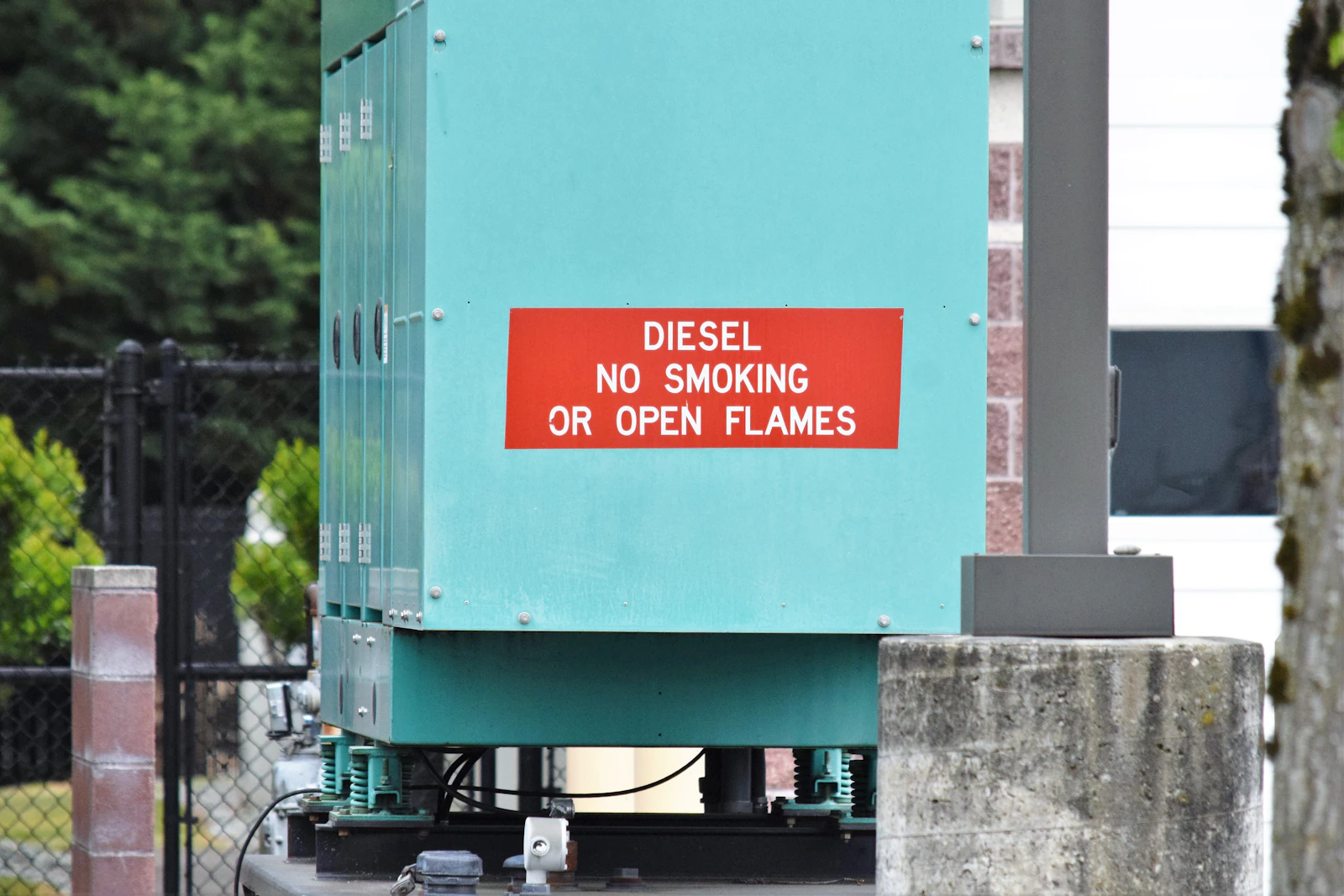
For a Seattle diesel generator equipment hire supporting an electrical panel upgrade in 2026, budget (equipment-only) roughly $180–$260/day, $550–$800/week, and $1,600–$2,300/4-week for ~25 kW towable units; $260–$360/day, $700–$1,050/week, and $2,000–$2,900/4-week for ~45–56 kW; and $450–$650/day, $1,300–$1,850/week, and $3,300–$5,200/4-week for ~100–125 kW class (Tier 4 diesel) when you add typical 2026 market uplift to published 2024–2025 reference rates. In Seattle, the “real” cost is often driven as much by distribution gear, delivery constraints downtown, and run-hour rules as by the generator base rate, so most rental coordinators benchmark against national providers (e.g., Sunbelt, United Rentals, Herc) plus regional power houses and CAT dealer rental fleets, then normalize quotes to a consistent term (8-hour vs 24-hour vs run-hour allowance).
| Vendor |
Daily Rate |
Weekly Rate |
Review Score |
Website |
| United Rentals |
$418 |
$1 152 |
6 |
Visit |
| Sunbelt Rentals |
$345 |
$925 |
6 |
Visit |
| Star Rentals |
$220 |
$590 |
9 |
Visit |
| Birch Equipment |
$316 |
$677 |
9 |
Visit |
| Herc Rentals |
$228 |
$615 |
8 |
Visit |
Diesel Generator Hire Costs Seattle 2026
The fastest way to budget diesel generator hire costs in Seattle is to size the unit by your temporary-service needs (kW and voltage), then apply a duration multiplier (day/week/4-week) and add “power package” accessories and local logistics. The reference documents below show why Seattle quotes cluster in bands by kW class: Washington’s statewide contract pricing (effective October 1, 2024) includes day/week/month rates for 36 kW through 373 kW towable diesel generators, and a 2025 CAT dealer rate guide publishes day/week/4-week rates for 25 kW through 125 kW units.
2026 planning ranges (Seattle-area), equipment-only (towable diesel generator):
- 25 kW class (diesel or LPG/diesel depending on fleet): $180–$260/day; $550–$800/week; $1,600–$2,300/4-week. (Published 2025 reference: 25 kW towable generator day/week/4-week.)
- 45–56 kW class: $260–$360/day; $700–$1,050/week; $2,000–$2,900/4-week. (Published references include ~43–56 kW day/week/month figures.)
- 70–80 kW class: $300–$450/day; $850–$1,250/week; $2,400–$3,400/4-week. (Published 2025 reference includes 70 kW day/week/4-week.)
- 100–125 kW class (common for larger tenant improvements / multi-panel swaps): $450–$650/day; $1,300–$1,850/week; $3,300–$5,200/4-week. (Published references include 100 kW day/week/month on WA contract and 125 kW day/week/4-week on CAT dealer guide.)
- 160–200 kW class (when inrush or multiple panels/tenants): $500–$850/day; $1,600–$2,400/week; $3,900–$5,400/4-week (often quote-driven and accessory-heavy). (Published WA contract includes 160 kW and 200 kW day/week/month.)
Assumptions behind these 2026 ranges: (1) towable Tier 4 diesel generator set with basic on-board breaker panel; (2) single-location rental within the Seattle metro; (3) “standard” rental term conversion (many fleets price a week at ~3–5 billable days and a 4-week month at ~10–12 billable days); and (4) distribution gear, cable, delivery, fuel, and any automatic transfer switch (ATS) are not included unless explicitly noted in the quote. If your supplier defines a “day” as an 8-hour shift or uses a shift multiplier model, normalize that before you compare pricing. One published national price list example states single shift = 0–8 hours, double shift = 9–16 hours (rate × 1.5), and triple shift = 17–24 hours (rate × 2) for shift-rated equipment.
What Actually Drives Diesel Generator Equipment Hire Cost on a Seattle Panel Upgrade?
Electrical panel upgrades rarely fail because the generator is underpowered; they fail because the temporary-power package is incomplete or the rental terms don’t match site operations. In Seattle, three cost drivers show up repeatedly in diesel generator hire for electrical panel upgrade scopes:
- Distribution complexity: a 100–125 kW generator may be “cheap” relative to the cable, camlocks, feeder, grounding, and temporary panels needed to keep critical circuits live.
- Access and delivery constraints: downtown cores (Belltown, Denny Triangle, Pike/Pine, South Lake Union) can force smaller trucks, specific delivery windows, and sometimes standby time—each adding cost.
- Run-hour allowance and refuel plan: many rentals include a run-hour cap (commonly referenced as 40 run-hours/week or 176 run-hours/4-week with hour overage charges), which matters when you need 24/7 temporary service during a multi-day shutdown window.
Seattle Diesel Generator Rental Sizing for Electrical Panel Upgrades (Cost-Sensitive Method)
To keep diesel generator equipment hire costs under control, size for measured demand and starting current, not for the service disconnect nameplate alone.
- Step 1 (load): confirm the circuits that must remain energized (IT rooms, elevator controls, sump, fire alarm, refrigeration, medical loads, tenant critical). Document kW and kVA if you have it.
- Step 2 (voltage and phase): most panel-upgrade temporary power is 120/208V 3-phase or 277/480V 3-phase; mismatches force transformer rentals and add both cost and risk.
- Step 3 (inrush): account for motor starts (air handlers, pumps). This is where moving from a 70 kW to a 125 kW can reduce nuisance trips and avoid overtime call-backs—often a net savings.
- Step 4 (distribution plan): define how many feeder legs, spider boxes, and temporary panels you need, plus cable lengths (200 ft vs 600 ft can materially change the rental).
Practical Seattle budgeting rule: If your electrical panel upgrade requires powering multiple tenants or any motor load you can’t lock out, your total “power package” hire commonly lands at 1.6× to 2.5× the generator base rate once you add distribution, delivery, and protection fees. That multiplier is not a markup assumption—it’s what happens when the job needs 400A distribution, long feeder runs, and a refuel plan.
Hidden-Fee Breakdown (Plan These Into the PO)
Below are the cost items that most often surprise estimators on diesel generator equipment hire in Seattle. Use these as 2026 allowances unless your vendor quote already includes them:
- Delivery / pickup: $175–$450 each way in metro Seattle for a mid-size towable set, with higher charges for constrained access or timed windows. Some fleets publish haulage tiers; one 2025 guide shows under 25 miles $224, 25–60 miles $364, and 60+ miles at $8.00 per mile (used here as a planning reference).
- Minimum rental term: common minimum is 1 day; for 24/7 generator applications, some suppliers apply a 1-week minimum depending on account history and utilization rules.
- Damage waiver / rental protection plan: typically 10%–15% of time-and-material rental (generator + accessories).
- Environmental / energy / admin fees: often 2%–5% of rental lines.
- Fueling expectations: “return full” or “same level” is common; if not, plan $6–$9/gal billed fuel (varies by vendor and market).
- Spill containment & stormwater compliance: $25–$65/day for spill kit / containment pan / absorbents when required by site EHS.
- Cleaning fee: $75–$300 per unit if returned with concrete slurry, mud, tape residue, or oil sheen.
- After-hours / weekend delivery: $150–$300 surcharge is common for Sunday/holiday or tight after-hours cutovers.
- Redelivery / missed appointment: $85–$200 when the site isn’t ready (no laydown, blocked alley, no escort, no access code).
- Late return / off-rent cutoff: many branches require off-rent notification before a daily cutoff (often mid-afternoon). Missing the cutoff can add 1 extra day billing.
Distribution And Accessories: Where Panel-Upgrade Generator Hire Costs Escalate
Most electrical panel upgrade generator rentals in Seattle are not “generator only.” They’re a temporary power system. Build your estimate around these common adders:
- Generator paralleling box (when you need redundancy or staged capacity): published reference shows $273/day, $791/week, $2,294/4-week.
- Camlock / feeder cable: planning allowances of $8–$18 per 50 ft section per day depending on ampacity and inventory; long runs add up quickly. (Public contract accessory price lists commonly show separate line items for feeder/camlock and spider boxes.)
- Spider boxes / distribution boxes: typical allowance $35–$95/day each (plus cables).
- Grounding kit: $15–$35/day (rod, clamp, bonding jumper) when required by your electrical plan and site spec.
- Load bank (commissioning / proving): $250–$650/day depending on kW and availability (often required for certain critical facilities, less common for standard TI panel swaps).
- Automatic transfer switch (ATS) / quick-connect: commonly $120–$350/week depending on amp rating and whether it’s a simple manual transfer or a packaged ATS.
Seattle-specific consideration: if your distribution needs to run indoors (corridors, occupied floors), owners frequently require cable protection (ramps/mats) and dust control at penetrations. Add $8–$20/day for cable ramps and allow labor for housekeeping and protection—this isn’t a rental branch cost, but it changes total installed cost.
Example: Seattle Electrical Panel Upgrade With a Tight Cutover Window
Example: A 6-story office tenant improvement in South Lake Union needs a weekend electrical panel upgrade. The building allows a 10:00 PM Friday to 6:00 AM Monday outage window, but elevators, sump, fire alarm panels, and a small server closet must remain live. The electrician targets a 125 kW towable diesel generator with 120/208V 3-phase output and 400A distribution.
- Generator hire (planning): $1,650–$1,850/week (covers the outage window; avoids day-rate ambiguity).
- Distribution: 2 spider boxes at $55/day each; 1 400A distro at $95/day; feeder/camlock allowance $180–$420 total depending on run length and sections.
- Delivery/pickup: $224 each way if under 25 miles, plus a timed-window surcharge $150 if the building requires a specific dock reservation.
- Protection plan: 12% of rental lines (generator + distribution).
- Fuel plan: assume 40–90 gallons/day consumption depending on load profile; if the vendor fuels, budget $6–$9/gal billed plus a $75 trip charge per refuel visit.
- Off-rent rule impact: if you can’t off-rent until Monday after inspection, you may pay an extra day even if power is restored Sunday night.
Operational constraint that changes cost: If the property will not allow fuel deliveries on-site and requires the generator to be relocated to refuel, you can incur a second mobilization charge or after-hours labor. In Seattle’s dense corridors, that single constraint can add $300–$900 to a short-duration job.
Budget Worksheet (No Tables)
Use the list below as a copy/paste budget template for a Seattle diesel generator equipment hire supporting an electrical panel upgrade:
- Diesel generator (size: ____ kW) rental: $____/day or $____/week or $____/4-week
- Delivery + pickup (timed window?): $____ each way (allow $224–$450 each way)
- Distribution: spider boxes (qty __) at $35–$95/day each
- Distribution: distro panel / 400A box (qty __) at $65–$125/day
- Feeder / camlock cable allowance: $150–$600 (based on run lengths)
- ATS / transfer gear allowance: $120–$350/week
- Grounding kit / bonding allowance: $15–$35/day
- Spill containment & absorbents: $25–$65/day
- Damage waiver / protection plan: 10%–15% of rental lines
- Environmental/admin fees: 2%–5% of rental lines
- Fuel (if vendor-supplied): (____ gal) × $6–$9/gal + refuel trip $75–$175
- After-hours / weekend delivery allowance: $150–$300
- Cleaning allowance: $75–$300 (jobsite conditions dependent)
Rental Order Checklist (PO, Delivery, Off-Rent, Return)
- Confirm kW/kVA, voltage options, and camlock/breaker configuration required for the temporary service.
- Confirm whether the rental is priced as an 8-hour day, 24-hour day, or run-hour allowance (and the overage rate).
- Delivery site details: street/alley access, dock height, escort requirements, gate codes, and downtown Seattle delivery window restrictions.
- Required documentation at delivery: delivery ticket, photos of fuel level, hour meter, and any existing damage.
- Fuel/DEF policy (if applicable): return-full requirement, refuel billing rate, and whether fuel deliveries are allowed on-site.
- Noise/emissions requirements: confirm sound-attenuated enclosure if required by the site (especially near occupied spaces).
- Spill control: confirm containment pan / spill kit requirement and who supplies absorbents.
- Off-rent process: cutoff time, who is authorized to off-rent, and whether removal requires a scheduled pickup appointment.
- Return condition: remove tape/labels, coil and protect cables, wipe down units, and photo-document the return condition to avoid cleaning/damage disputes.
Seattle Logistics That Change Diesel Generator Hire Costs (Downtown, Water, Weather)
Seattle jobs often look straightforward on paper, but the city’s logistics can materially affect diesel generator equipment hire totals:
- Downtown staging: if you cannot reserve curb space or a dock slot, the driver may be forced into a “wait time” scenario. Budget a standby charge of $90–$150/hour when delivery must be timed to the minute.
- Wet-season ground protection: many sites require a containment pan and ground protection mats. Allow $35–$85/day in combined consumables and rental accessories when specified by EHS.
- Water-adjacent / maritime zones: near Lake Union, the Ship Canal, or working on piers, you may need enhanced spill response materials and stricter fueling controls, which can push you toward vendor-fueled service rather than self-perform fueling.
Run-Hour Allowances, Overage, And “Shift” Pricing
For panel upgrades, you might only need power intermittently (tools, lighting, selective circuits) or you might need true temporary service 24/7. That difference is a billing trap.
- Run-hour model (common in generator specialty rentals): published examples explicitly tie weekly/monthly rates to included run-hours (for example, 40 running hours per weekly rental and 176 running hours per monthly rental) and charge an overtime rate for additional hours.
- Shift multiplier model (common in broader equipment rate cards): a published national rate card example states single shift 0–8 hours, double shift 9–16 hours at 1.5×, and triple shift 17–24 hours at 2× for shift-rated equipment. Use this as a reminder to confirm whether your Seattle quote is 8-hour or 24-hour based.
2026 planning allowance for hour overage: $8–$25 per engine-hour (varies by kW class and contract). If your cutover window is 72 hours and you run continuously, you can exceed a 40-hour/week allowance inside a single weekend.
Fuel, Refuel Service, And Return Conditions
Fuel can rival the base rental cost on 24/7 temporary power. For estimating, treat fuel as a separate work package with its own constraints:
- Fuel burn sensitivity: panel-upgrade loads can be “spiky” (inrush events) but low average kW; right-sizing and load management can reduce gallons/day materially.
- Vendor refuel service: if permitted on-site, expect a per-visit trip charge (often $75–$175) plus billed diesel at a contract rate (often higher than pump price; use $6–$9/gal as a conservative placeholder).
- Return condition: many branches invoice cleaning if the trailer, louvers, or breaker panel area is muddy or coated; keep a documented “return-ready” photo set to avoid a $75–$300 cleaning backcharge.
Distribution Gear: How to Control Total Equipment Hire Cost
On electrical panel upgrades, distribution is where estimators either protect margin or lose it. Two tactics tend to work:
- Standardize a “kit”: predefine your typical 70 kW and 125 kW temporary power kits (generator + spider boxes + cable lengths + distro + grounding). That makes it easier to detect missing quote lines.
- Reduce cable length with smarter placement: relocating the generator 50–100 feet closer (when safe and permitted) can eliminate multiple cable sections and ramps. Public contract lists commonly price feeder/camlock by section, so length reduction directly reduces rental.
How To Benchmark Quotes Using Public Rate References (Without Treating Them as Your Price)
When you need a “sanity check” for Seattle diesel generator hire costs, use published references as anchors, then adjust for your job conditions:
- Washington statewide contract anchor (effective 10/1/2024): example day/week/month rates are published for 100 kW and larger towable diesel generators (useful for grounding your 2026 budget).
- Dealer rate guide anchor (2025): example day/week/4-week rates are published for 25 kW through 125 kW generators and for a generator paralleling box.
- Emergency reimbursement reference (2025 FEMA schedule): FEMA publishes an hourly schedule of equipment rates that includes a diesel 100 kW generator hourly figure; this is not a rental quote, but it can be a helpful ceiling/floor reference in disaster-recovery contexts.
Negotiation And Cost-Control Notes For Rental Coordinators
- Ask for “4-week” even on short jobs: if your panel upgrade might slip, locking a 4-week rate can reduce exposure to multiple “extra days” at day-rate pricing.
- Align off-rent with your inspection reality: if the owner won’t allow pickup until after Monday inspection, plan for billing through that window—don’t assume a Sunday off-rent saves money.
- Confirm accessories are on the same term: mismatched terms (weekly generator + daily spider boxes) can inflate totals; request that accessories follow the same term where possible.
- Confirm whether a one-week minimum applies: some generator programs treat true temporary-service rentals differently than tool rentals and may enforce a one-week minimum depending on usage and account structure.
Closeout: Documentation That Prevents Backcharges
For Seattle diesel generator equipment hire on electrical panel upgrades, treat closeout as part of the cost plan:
- Photo the unit at pickup and return: trailer condition, hour meter, fuel level, camlocks/breakers, and accessories count.
- Document “return full” fueling compliance (receipt or measured level) to prevent a high-rate refuel invoice.
- Coil and band cables, cap camlocks, and return ramps/mats clean and dry to avoid cleaning and missing-item charges.
- Submit off-rent notice before the branch cutoff (and keep written confirmation) to avoid an extra day charge.
If you want, share the panel voltage (120/208 vs 277/480), the outage duration (hours), and whether you need 24/7 temporary service; with those three details, you can tighten the Seattle 2026 diesel generator hire budget from a broad range to a procurement-ready allowance.