

For construction professionals, understanding drywall cost dynamics is essential for maintaining budget efficiency. Factors such as material type, thickness, and regional labor rates play crucial roles. As of February 2026, the cost for residential drywall installation typically ranges from $1.50 to $3.50 per square foot, depending on finish level and local labor conditions.
Material Type and Thickness
Standard 1/2-inch panels offer cost-effectiveness, while specialized boards, like moisture-resistant or fire-rated variants, can drive costs higher. Stay updated with real-time supplier changes to ensure accurate estimates.
Room Geometry
Architectural complexities such as vaulted ceilings or arches lead to material waste. Precise takeoffs can optimize calculations and minimize unnecessary expenses.
Finishing Levels
Labor costs are significantly affected by the chosen finish—ranging from basic fire tape to deluxe Level 5 finishes.
Real-Time Supplier Pricing
Leveraging current material cost updates facilitates budget accuracy without manual recalculations.
Automated Labor Integration
A comprehensive wage data repository ensures that your estimates reflect actual labor conditions.
Bulk Ordering – Purchase in full lifts for discounts.
Optimized Sheet Sizes – Utilize larger panels to reduce seams.
Precise Scheduling – Coordinate labor to minimize downtime costs.
Enhancing estimation tools and strategic planning helps avoid common cost pitfalls, ensuring projects remain on budget and timely. Visit CountBricks for additional resources.
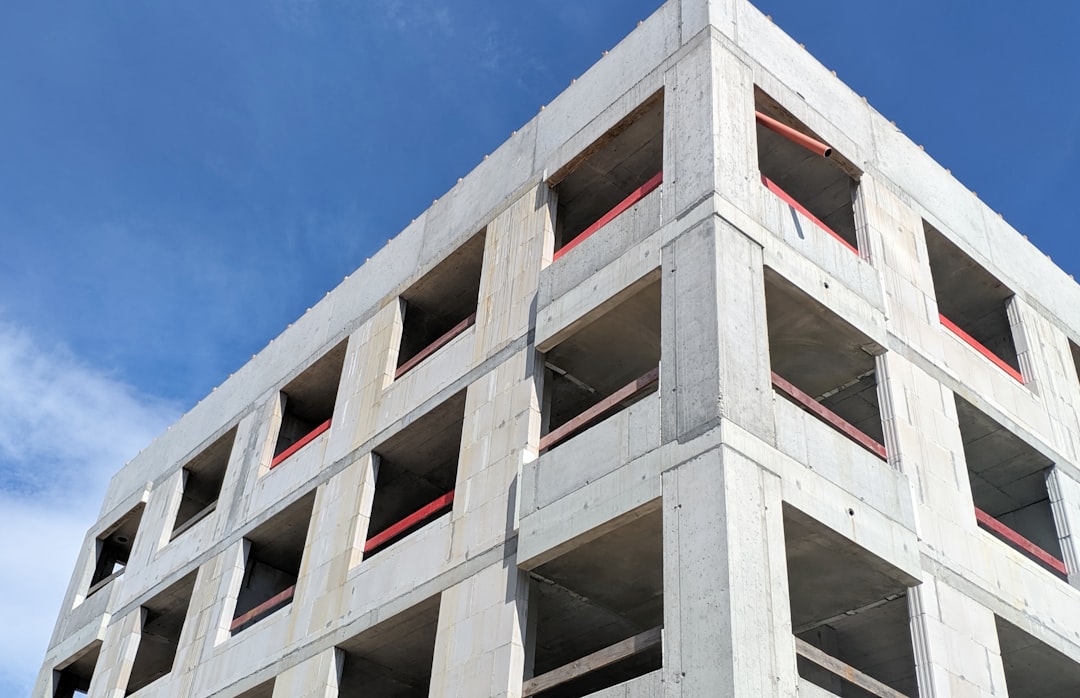
Explore how the Perez family reduced their drywall costs while remodeling their 1950s bungalow.
Use of Larger Sheets – Reduced joint work by installing 12-foot panels.
Supplier Cost Insights – Obtained discounts through live pricing updates.
Effective Labor Scheduling – Decreased supervision overhead by arranging sequential tasks efficiently.
Employing these strategies can lead to significant savings. Utilize CountBricks's advanced estimation tools to tap into similar efficiencies.
