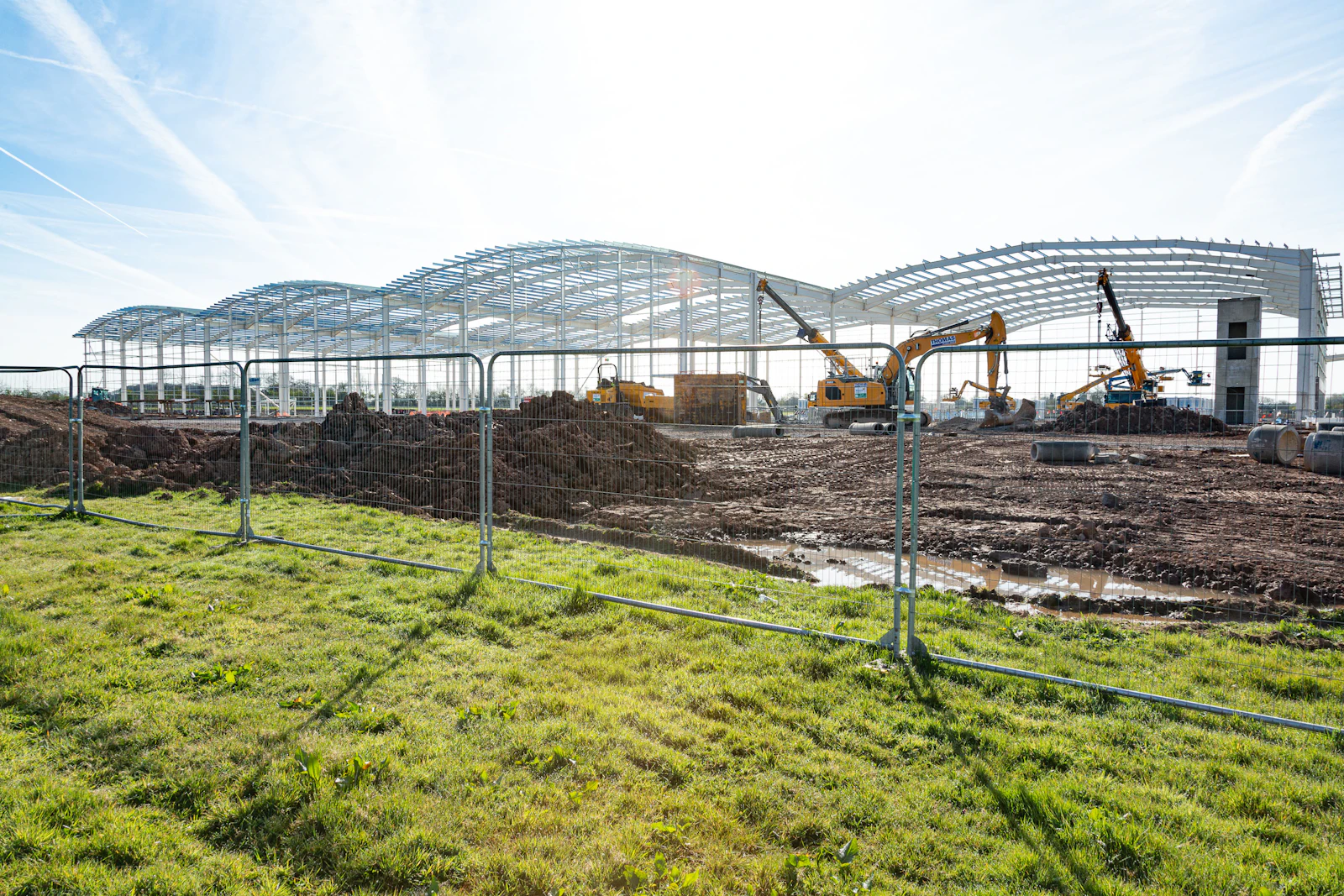
For Austin stormwater retention system work in 2026, excavator equipment hire typically pencils out in three common size bands: mini excavators (roughly 2–4 ton) at about $250–$450 per day, $900–$1,350 per week, and $2,400–$3,800 per 4-week rental; mid-size units (roughly 7–10 ton) at about $450–$850 per day, $1,600–$2,600 per week, and $4,200–$7,500 per 4 weeks; and 30–34K class hydraulic excavators (often used for basin cuts and deeper structures) commonly budgeting around $600–$800 per day, $1,500–$2,300 per week, and $3,200–$5,500 per 4 weeks depending on availability, undercarriage condition, and attachment package. These are planning ranges for rental coordinators based on recent published rate references, quote aggregates, and the Austin submarket’s delivery/haul realities; exact branch pricing still varies by account, utilization, and lead time across national houses (e.g., United Rentals, Sunbelt Rentals, Herc Rentals) and local independents.
| Vendor |
Daily Rate |
Weekly Rate |
Review Score |
Website |
| United Rentals |
$680 |
$1 750 |
9 |
Visit |
| Sunbelt Rentals |
$675 |
$1 725 |
8 |
Visit |
| HOLT CAT Rental |
$725 |
$1 900 |
8 |
Visit |
| Sunstate Equipment |
$665 |
$1 720 |
7 |
Visit |
| ASCO Equipment |
$690 |
$1 780 |
9 |
Visit |
Excavator Rental Rates Austin 2026
Use the ranges below as a 2026 estimating baseline for excavator equipment hire costs in Austin, TX. Assumptions: 1 shift use (8 hours/day, 40 hours/week, 160 hours/4 weeks) unless negotiated otherwise; customer-provided operator; normal wear accepted; machine returned clean, fueled/charged per contract; and no major rock hammer time unless you carry it as an option.
Mini excavator (2–4 ton) hire cost range (Austin planning): Budget $250–$450/day, $900–$1,350/week, and $2,400–$3,800/4 weeks for a cabbed unit with a standard bucket set. Online listings for Austin can show low-end weekly/monthly starting points for certain mini classes, but treat those as “from” pricing pending availability and delivery logistics.
Mid-size excavator (7–10 ton) hire cost range (Austin planning): Budget $450–$850/day, $1,600–$2,600/week, and $4,200–$7,500/4 weeks. This class often hits the best productivity-per-dollar for stormwater retention basin shaping, outlet structure excavation, and trenching where you still need to stay nimble on tighter pads.
30–34K hydraulic excavator hire cost range (Austin planning): Budget $600–$800/day, $1,500–$2,300/week, and $3,200–$5,500/4 weeks. A published rate reference for a 30–34K class excavator shows a daily in the low $600s, weekly around the mid $1,500s, and monthly in the mid $3,000s (delivery billed separately), which aligns with what many rental coordinators see as a “good account” baseline when the market is not supply-constrained.
How Excavator Size Drives Hire Cost on Austin Stormwater Work
Stormwater retention systems can be deceptively varied: a small commercial retention pond might need a mini for tight trench runs and inlet/outlet detail work, while the basin cut and spoil management may justify a larger excavator to avoid burning days on slow production. The equipment hire choice changes total cost more than the day rate alone because it changes (1) total days on rent, (2) trucking class, and (3) attachment needs.
- Mini excavator: Lower mobilization complexity, easier access in dense Austin infill, and lower risk of right-of-way delivery restrictions—but slower bulk excavation, which can increase rental duration.
- Mid-size excavator: Often the best balance for basin shaping, small structure excavation, and handling riprap baskets or precast inlet pieces without stepping up to heavy-haul trucking.
- 30–34K class: Faster bulk cut and better reach for deeper forebays and outlet structures, but higher transport exposure and more sensitivity to laydown/turning radius constraints.
Cost Drivers That Typically Add 15%–45% to the “Base Rate”
When rental teams get surprised on excavator hire, it’s usually not the published day/week/4-week number—it’s the stack of jobsite adders and contract terms. For stormwater retention system scopes in Austin, carry explicit allowances for the items below so the PO matches the invoice.
- Delivery and pickup: Common structures include a flat dispatch fee plus mileage. One published schedule shows $120 each way plus $3.25 per loaded mile for certain equipment deliveries (structure and amounts vary by branch and contract). For Austin estimating, a practical allowance is $175–$350 each way for standard transport (mini/mid) and $450–$850 each way if you trigger lowboy/heavy-haul requirements, escorts, or tight-hour delivery windows.
- Minimum rental charges: Many branches enforce a 1-day minimum; some apply a 2-day minimum for specialty attachments or remote delivery. Carry a 1.0–2.0 day minimum risk when lead time is short.
- Damage waiver / rental protection: Commonly budget 10%–15% of time-and-material rental charges (machine + attachments) unless your contract requires you to decline and provide proof of coverage.
- Environmental/energy surcharges: Budget 2%–5% as a planning placeholder for energy, environmental, or admin surcharges that appear on many rental agreements (names vary by vendor and region).
- Overtime (double shift) usage: If you run past 8 hours/day or 40 hours/week, many agreements bill extra hours at a fraction of the base rate (for example, 1/8 of the daily charge per overtime hour on a daily rental, 1/40 of the weekly charge per overtime hour on a weekly rental, and 1/160 of the 4-week charge per overtime hour on a 4-week rental). That can materially change the true cost of “just staying late to finish the basin.”
- Cleaning and undercarriage condition: Austin’s clay-heavy soils (and occasional saturated subgrade during storm events) can pack tracks hard. Carry a $175–$450 cleaning allowance if you anticipate muddy access, plus $75 for a jobsite wash-down setup if you need to prevent track-out onto paved streets.
- Fuel / DEF and refueling admin: If the vendor fuels on return, carry a refuel service charge of $25–$75 plus fuel at a marked-up rate (common planning: $5.50–$7.50/gal diesel equivalent, depending on market and contract terms). Add $15–$35 per instance for DEF top-off if applicable.
- Weekend and holiday billing rules: Austin projects frequently lose production time to inspections, concrete cure windows, and weather. If your contract bills weekends as full days when the machine remains on site, a “Friday delivery, Monday pickup” can effectively be 3 days billed. Carry a weekend exposure allowance of 1–2 extra days unless your branch confirms weekend concessions in writing.
Attachment Hire Adders (Bucket Package, Thumb, Compaction, And Rock)
Stormwater retention system excavation rarely stays “bucket-only.” Outlet structures, forebays, and pipe tie-ins typically need controlled handling of riprap, pipe sections, or precast. For excavator hire pricing in Austin, plan attachments as separate line items (and confirm whether the base machine includes one bucket).
- Additional buckets: Carry $35–$85/day each for extra trenching/cleanup buckets, plus $95–$175 total for wear or cutting-edge damage risk when working in abrasive limestone screenings.
- Hydraulic thumb: Carry $75–$150/day or $250–$500/week for thumb capability when placing riprap, setting structures, or handling erosion-control materials (coir logs, wattles, silt fence rolls).
- Compaction wheel: Carry $175–$325/day when you need trench backfill compaction in lifts around outlet structures where a plate cannot reach. (Verify diameter/width; wrong sizing can reduce compaction effectiveness.)
- Hydraulic breaker (hammer): In Austin, shallow limestone and caliche are common. Carry $250–$450/day (or $900–$1,600/week) for a breaker plus a $150–$300 chisel wear allowance if rock is likely.
- Quick coupler: If not included, budget $45–$110/day so operators can switch buckets without burning labor hours and risking pinch-point events.
Austin-Specific Conditions That Change Excavator Hire Costs
Local conditions drive real invoice outcomes. For Austin stormwater retention work, three recurring cost-shapers are worth calling out in your equipment hire estimate notes:
- Delivery windows and downtown constraints: Central Austin deliveries may need “no-later-than” cutoffs to avoid traffic or right-of-way conflicts. Missed windows can trigger re-dispatch fees (carry $125–$250 as a contingency if the site has limited staging or requires a spotter to receive).
- Soil behavior (expansive clays): Wet blackland clay can stick aggressively to tracks and buckets, increasing cleaning exposure (carry the $175–$450 cleaning allowance above) and slowing production enough to push a job from 3 days into a full week rate.
- Rock probability: Even “light rock” can turn a basin cut into breaker time. If geotech indicates shallow limestone, add a breaker alternate and consider stepping up a size class for breakout force to reduce on-rent days.
Hidden-Fee Breakdown
Use this section to sanity-check the gap between the rate sheet and the invoice on an excavator equipment hire PO:
- Transportation: dispatch + mileage, after-hours delivery premiums (carry $200–$400 if you need same-day), and redelivery if the site is not ready (carry $150–$300).
- Fuel / recharge: refuel fee $25–$75 + fuel; battery-electric minis may trigger a charger rental of $35–$80/day if you don’t have site power and need a dedicated solution.
- Damage waiver: typically 10%–15% of rental charges; confirm whether it applies to attachments and whether it covers theft.
- Cleaning: mud/concrete/clay removal $175–$450; concrete splatter on undercarriage can be billed as labor at $110–$165/hr (carry 2 hours minimum exposure if you’re working near pours).
- Late return: “past cutoff” charges often show up as a partial or full extra day; carry 0.5–1.0 day risk if your demob is tied to inspection sign-off.
- Wear items: bucket teeth and cutting edges can be billed if returned excessively worn; carry $150–$350 if working in abrasive subbase or rock.
Example: Stormwater Retention Basin Cut With Tight Off-Rent Rules
Example scope: 1.2-acre commercial site in North Austin. You need to cut and shape a retention basin, trench for an 18-inch outlet line, and set riprap at the outfall. Working constraints: deliveries only between 7:00–9:00 AM, no muddy track-out onto public streets, and the GC requires photo documentation at return.
- Planned hire: 8–10 ton excavator at $1,900/week (planning midpoint), plus hydraulic thumb at $350/week.
- Transport: allow $300 each way (in-town dispatch + mileage), total $600.
- Damage waiver: assume 12% of rental line items (machine + thumb), roughly $270.
- Cleaning: carry $250 because clay conditions are wet and there is a paved arterial at the gate.
- Off-rent risk: if you miss the vendor’s pickup cutoff and the machine sits over a weekend, carry an extra $450 (one additional day at the mid-size day-rate equivalent) as a contingency.
Why this matters: Even with a “good” weekly rate, the non-rate adders above can represent $1,370 of real cost exposure before you account for any overtime usage. If you anticipate a second shift to beat rain, include overtime per contract rather than hoping it’s absorbed.
Budget Worksheet (Austin Excavator Equipment Hire Allowances)
- Excavator rental (select size class and term): allowance $2,400–$7,500 per 4 weeks depending on class.
- Attachment package (bucket set, thumb, quick coupler): allowance $300–$1,600/week.
- Breaker alternate (if rock is possible): allowance $900–$1,600/week plus $150–$300 wear.
- Delivery/pickup: allowance $350–$1,700 round trip depending on trucking class and site constraints.
- Damage waiver / rental protection: allowance 10%–15% of rental charges.
- Fuel/DEF/refuel admin: allowance $150–$450/week depending on idle time and haul distance on site.
- Cleaning/undercarriage: allowance $175–$450.
- Track-out/dust control support (if required): allowance $75–$200/day for water/dust mitigation measures tied to equipment movement.
- Return condition documentation: allowance $0 direct cost, but include 30–60 minutes labor for photos, meter reading, and inspection sign-off to prevent back-charges.
Rental Order Checklist (What Your PO Needs To Prevent Back-Charges)
- PO references job name and stormwater retention system scope; include site address and onsite contact.
- Specify rental term (daily, weekly, 4-week) and confirm included usage (e.g., 8 hours/day).
- List attachments by description (bucket sizes, thumb, coupler, breaker) and confirm what is included vs. billable.
- Confirm delivery requirements: gate width, offload area, requested delivery window, and whether a forklift/telehandler is needed.
- Confirm off-rent procedure: cutoff time to stop billing, pickup scheduling method, and how weekend days are billed.
- Document fuel/DEF expectations and whether vendor fueling will be charged.
- Document cleaning expectations (especially clay/mud) and acceptable return condition.
- Require delivery ticket and return ticket with meter readings; take time-stamped photos at drop and at pickup request.
- Confirm insurance requirements or accept damage waiver; attach COI if declining waiver.
When To Choose Daily vs. Weekly vs. 4-Week Excavator Hire in Austin
For rental coordinators, the “right” term is usually driven by schedule risk, not just the planned duration. If the stormwater retention scope is tied to inspections, rainfall, concrete cure windows, or utility conflicts, the safest cost outcome is often to book a weekly or 4-week term earlier, then push hard on off-rent discipline. National quote aggregates show meaningful discounts when moving from daily to weekly and from weekly to monthly/4-week structures, so the penalty for guessing too short can be real.
Negotiation Levers That Reduce Equipment Hire Cost (Without Changing Scope)
- Start date flexibility: If you can accept delivery in a 2-day window instead of “must deliver tomorrow at 7 AM,” you often avoid premium dispatch and reduce the chance of re-dispatch fees (carry $150–$300 if you can’t be flexible).
- Bundle the attachment package: Asking for a bundled bucket set + thumb + coupler can reduce line-item pricing versus one-off adds. Even a modest reduction of $25/day on a thumb across a 4-week term saves $700 in planning math.
- Confirm the transport class: If an 8–10 ton excavator triggers a different trucking class than a 5–6 ton unit, you may pay an extra $300–$600 round trip. Sometimes stepping down slightly and adding days is still cheaper; sometimes it’s the opposite. Model both options before you issue the PO.
- Align pickup with vendor routes: If your off-rent request is early in the day and you’re flexible on pickup day, you may avoid premium pickup. Keep a $0–$150 swing allowance depending on how tight your vendor’s logistics are that week.
Overtime, Standby, And Shift Planning
Retention work frequently compresses around weather. If you plan to run extended hours to beat a forecast, you should treat overtime as a first-class cost driver. Some agreements explicitly price additional usage hours as a fraction of the base daily/weekly/4-week rate (for example 1/8, 1/40, 1/160 structures). In practice, that means a “cheap” weekly rate can become expensive if the operator runs 55 hours in a week instead of 40, especially when you add fuel and wear exposure. Budget for an additional $150–$450/week in fuel if you extend hours materially, and verify whether preventive maintenance charges or per-hour program charges apply on your account.
Return Condition Standards That Protect Your Cost
Excavator hire invoices frequently get disputed over return condition. For Austin projects with clay subgrades and wet-weather access, the cost-control play is documentation and a clear closeout routine.
- Photos: Take 12–20 time-stamped photos at delivery and at pickup request (both sides, undercarriage, bucket edges, cab/glass, hour meter, and any existing dents).
- Fuel and fluids: Refuel to contract level (often full) to avoid the $25–$75 service fee plus marked-up fuel.
- Undercarriage: Plan a 30–45 minute end-of-rental cleanout to avoid the $175–$450 cleaning charge—especially if the excavator sat idle in wet clay over a weekend.
- Attachments: Return all pins, hoses, and coupler keys; missing items can trigger replacement charges in the $40–$250 range per component depending on type.
Stormwater Retention System Productivity Notes (So You Don’t Over-Rent)
Equipment hire cost is ultimately about dollars per cubic yard (or dollars per linear foot) delivered. For Austin retention basins, productivity often drops due to short internal haul distances, tight access, and frequent grade checks. As a planning heuristic (verify with your superintendent and soil conditions):
- Mini excavator: often best for trench tie-ins and structure detail; if you need it for bulk cut, carry a risk that you extend by 2–5 extra rental days versus a mid-size unit.
- 8–10 ton excavator: commonly the “sweet spot” for shaping and trenching with fewer mobilization costs than a 30–34K class.
- 30–34K class excavator: can reduce total days on rent, but only if the site logistics (truck access, spoil placement, staging) keep it continuously productive.
Compliance And Site Requirements That Change Rental Scope
Many Austin-area projects require erosion and sediment control measures that can indirectly increase excavator hire duration (waiting on controls, inspections, or rain events). If your site requires indoor-style dust control for adjacent occupied facilities (schools, healthcare, lab fit-outs) or strict track-out prevention, you may need additional support equipment or time. Carry a schedule contingency of 1–3 days on short rentals, or 10%–15% of duration on longer rentals, when ESC requirements or weather are likely to interrupt production.
Bottom Line For 2026 Austin Excavator Equipment Hire Planning
For stormwater retention system work in Austin, the best-cost outcome usually comes from (1) selecting the smallest excavator class that still keeps basin production on schedule, (2) bundling only the attachments you truly need, and (3) treating transport, waiver, cleaning, and overtime as explicit line items rather than “misc.” If you build your PO with the checklist above and carry realistic allowances—delivery $350–$1,700 round trip, waiver 10%–15%, cleaning $175–$450, and attachment adds $300–$1,600/week—your invoices will track your estimate far more tightly in 2026.