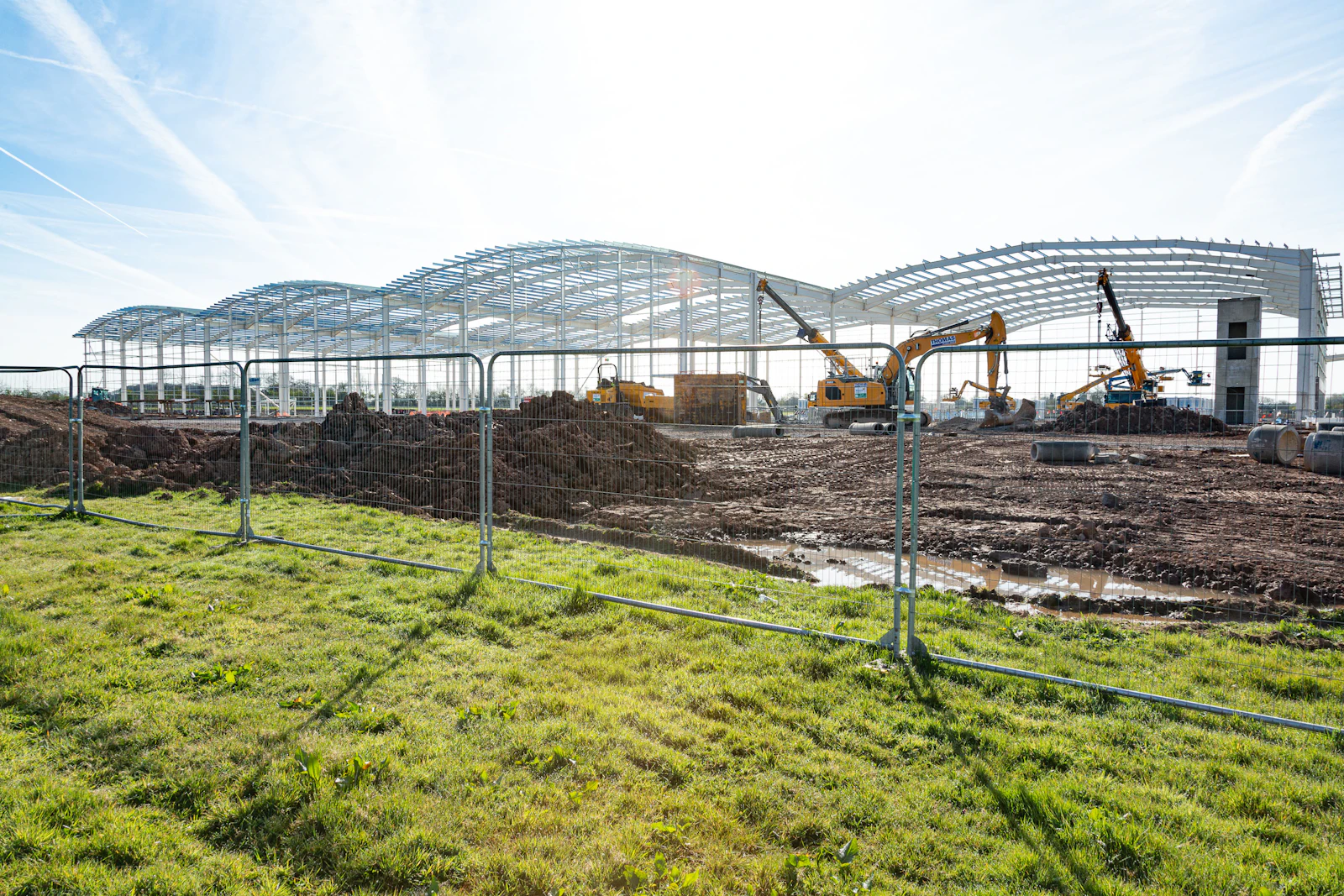
excavator rental
For 2026 planning in Colorado Springs, CO, excavator equipment hire costs typically budget in three bands depending on size class and logistics: (1) mini excavators (1–6 ton) around $325–$600/day, $1,000–$1,600/week, and $2,400–$4,200 per 4 weeks; (2) mid-size excavators (~30,000 lb class) around $900–$1,200/day, $2,200–$3,300/week, and $5,500–$7,500 per 4 weeks; and (3) full-size 18–22 ton machines commonly budget $1,200–$1,900/day, $3,500–$5,800/week, and $9,500–$14,500 per 4 weeks when available locally. These are budgeting ranges (not guaranteed quotes) and assume a bare machine with a standard bucket, an 8-hour rental shift, a 40-hour week, and a 28-day billing month. In practice, Colorado Springs availability and trucking often drive the invoice as much as the base rate—especially on projects using national rental fleets (for example, United Rentals, Sunbelt Rentals, and Herc) or regional dealer rental stores that support the Front Range construction market.
| Vendor |
Daily Rate |
Weekly Rate |
Review Score |
Website |
| United Rentals |
$483 |
$1 406 |
9 |
Visit |
| Sunbelt Rentals |
$320 |
$880 |
8 |
Visit |
| Wagner Rents (The Cat Rental Store) |
$410 |
$1 230 |
9 |
Visit |
| Sunstate Equipment |
$395 |
$1 185 |
9 |
Visit |
| H&E Rentals (H&E Equipment Services) |
$405 |
$1 215 |
8 |
Visit |
What Affects Excavator Equipment Hire Costs in Colorado Springs?
To control excavator equipment hire costs in Colorado Springs, treat the quote as two parts: the rental rate (day/week/4-week) and the jobsite logistics package (delivery, access, attachments, and return condition). Colorado Springs has three local realities that can move cost:
- Elevation and terrain: at roughly 6,000+ ft in many work areas, production can be impacted on smaller machines (especially when running auxiliary hydraulics continuously). That can push you toward a larger frame size or longer rental duration than initially estimated.
- Rock and caliche exposure: along the foothills and many utility corridors, harder digging increases tooth/bucket wear and raises the probability you need a hydraulic breaker, trenching bucket, or ripper tooth—each a meaningful cost adder.
- Base access and controlled sites: work around Fort Carson and other controlled facilities can require earlier delivery windows, driver check-in time, and strict return documentation (photos, serial verification), which increases the risk of trucking wait-time and re-delivery fees.
Colorado Springs Excavator Rental Rates by Size Class (Budgeting Ranges for 2026)
Use the ranges below for estimating and internal approvals, then finalize with two to three competitive quotes that match spec (weight class, dig depth, tail swing, steel vs rubber tracks, auxiliary hydraulics, and coupler type). Published rate sheets and marketplace listings show that a mini excavator day rate in the low-$400s is common in some regions, while mid-size 30,000 lb class machines frequently price near the $1,000/day level—before trucking and protection plans.
Mini excavator (approximately 2,000–12,000 lb): If you are budgeting a compact machine for tight access, indoor work, or small-crew utility scope, it is reasonable to carry $350–$575/day and $1,000–$1,450/week for Colorado Springs planning. As reference points from published rate sheets, one CAT 300.9-class mini excavator shows $405/day and $1,006/week, and a larger mini in the ~11,000 lb class shows $567/day and $1,412/week (with deposits shown separately on that sheet).
Mid-size excavator (around 30,000 lb class / 14–16 ton): Carry $900–$1,200/day, $2,200–$3,300/week, and $5,500–$7,500 per 4 weeks for 2026 budgeting. Published examples for this class include a 30,000 lb excavator listing at $993/day, $2,634/week, and $6,554/month, and a CAT 315-class listing showing $1,022/day, $3,158/week, and $6,993/month.
Full-size excavator (18–22 ton): Carry $1,200–$1,900/day, $3,500–$5,800/week, and $9,500–$14,500 per 4 weeks as a planning allowance. If your scope is pipe crews, structural excavation, mass grading support, or breaker work, the machine size decision can be less about base day rate and more about hours-per-task and undercarriage exposure.
Rate Structure Assumptions That Change the Invoice
Most major excavator hire programs bill against a standard shift. To keep equipment hire costs predictable in Colorado Springs, confirm the following in writing on the rental agreement (or PO notes):
- Shift definition: commonly 8 engine hours per “day,” and 40 engine hours per “week.” Extra metered hours may bill as a fraction of the day rate (often 1/8 of the daily rate per additional hour) or convert you into a higher rate tier.
- Weekend and holiday billing: some branches treat Saturday as a billable day for possession, while others offer “weekend specials” only when timed to branch operating hours. For budgeting, carry a 10%–20% weekend premium risk if your return lands outside normal hours.
- Off-rent cutoff times: many rental yards apply an off-rent cutoff such as 3:00 p.m. local time; miss it and you may pay an extra day. (Confirm the local branch rule, because this is one of the most common avoidable overcharges.)
- Minimum rental charge: for delivered heavy equipment, it is common to see a 1-day minimum even if you only run the excavator for a short window.
Attachments, Couplers, and Options: Common Cost Adders
Attachments are where two “same size” excavator hire quotes diverge quickly. Plan and standardize your attachment package so the rental coordinator can compare apples-to-apples:
- Additional buckets: budget $25–$60/day per extra bucket for mini class; on heavier classes, carry $40–$90/day depending on width, wear package, and coupler type. A public contract-style price schedule shows mini-ex buckets commonly priced at $22/day for several sizes.
- Hydraulic thumb: budget $75–$175/day (if not already installed). If your scope includes handling boulders, demo debris, or pipe, the thumb often reduces labor and trucking more than it increases rent.
- Hydraulic breaker (hammer): for planning, carry $200–$450/day for mini-class breakers and $500–$900/day for mid-size breakers, plus mobilization constraints (tool transport, bit wear, and return condition).
- Tilt bucket: budget $150–$275/day when needed for finish slope work, swales, and drainage shaping.
- Quick coupler type: confirm pin grabber vs wedge style and bucket pin size; mismatches can cause a same-day swap that triggers a second delivery charge and lost crew time.
- Grade control / machine control: if you need 2D laser receiver mounts or 3D machine control-ready excavators, carry $150–$350/day incremental cost (or a negotiated weekly uplift) and confirm who supplies the base station and calibration.
Delivery, Pickup, and Site Access Costs (Where Colorado Springs Gets Expensive)
For excavator equipment hire in Colorado Springs, trucking is a first-class cost item. Plan delivery as a scoped activity, not a clerical afterthought:
- Local delivery and pickup: budget $175–$450 each way for mini and mid-size units depending on distance, trailer type, and scheduling. A published heavy-equipment rate sheet example shows delivery modeled as $300 within 50 miles with an additional mileage adder beyond that threshold.
- Per-mile adders: beyond the typical local radius, carry $4–$8 per loaded mile as a planning range for heavier units (lowboy moves, permitting, and driver time).
- Minimum trucking charge: even for nearby jobsites, assume a minimum of $175–$250 each way on delivered excavators due to dispatch and load/unload time.
- Driver wait time / jobsite standby: if your site cannot receive during the promised window, budget $100–$150/hour for standby after an initial grace period (commonly 15–30 minutes).
- After-hours delivery window: for downtown Colorado Springs constraints (lane closures, tight delivery slots, or night work), carry a $150–$300 premium for off-hours dispatch and confirm who coordinates traffic control.
Hidden-Fee Breakdown (Build This Into Your 2026 Budget)
The base rate is rarely the final equipment hire cost. For Colorado Springs excavator rental budgeting, carry explicit allowances for:
- Damage waiver / rental protection: commonly 10%–15% of the rental charges, depending on provider and program. One published damage waiver program lists a rental protection charge of 14% of the rental rate.
- Environmental or admin fees: often 2%–5% of rent (varies by vendor policy).
- Cleaning fees: budget $150–$400 if the excavator returns with packed mud, concrete slurry, or track contamination. In Colorado Springs’ dry conditions, also budget for dust-control residue on indoor projects (fine dust can trigger extra wash/filters handling).
- Fuel / recharge expectations: most excavators are “return full.” If you return short, budget a $50–$95 service fee plus fuel at a marked-up rate (confirm the markup in advance).
- Undercarriage wear and track damage: sharp rock and rebar exposure can create billable damage events; require pre- and post-rental photos of tracks, rollers, and bucket cutting edges to avoid disputes.
- Late return penalties: budget an exposure of 1 additional day if the unit misses the branch’s return cutoff, or a time-based charge on short rentals.
Budget Worksheet (Colorado Springs Excavator Equipment Hire Costs)
Use this estimator-style worksheet format when you build your internal requisition. Adjust quantities to match your work package and schedule.
- Excavator base rent (size class matched to scope): allowance $350–$1,900/day depending on class.
- Rental term conversion allowance: carry a contingency to convert from daily to weekly after 3–4 billable days if the schedule slips.
- Delivery to site: allowance $175–$450.
- Pickup from site: allowance $175–$450.
- Extended radius trucking allowance (if applicable): allowance $4–$8/mile beyond local radius.
- Damage waiver / rental protection plan: allowance 10%–15% of rent.
- Environmental/admin fees: allowance 2%–5% of rent.
- Cleaning allowance: allowance $250 (increase to $400 for mud season or concrete-adjacent work).
- Fuel return allowance: allowance $75 service fee risk + fuel top-off (project dependent).
- Attachments: hydraulic thumb $75–$175/day; breaker $200–$900/day; tilt bucket $150–$275/day; extra buckets $25–$90/day.
- Standby / missed delivery window risk: allowance $100–$150/hour (carry 1 hour minimum risk if the site is congested).
- Documentation and closeout: allowance 0.5–1.0 hours coordinator time for condition photos and off-rent confirmation.
Rental Order Checklist (PO, Delivery, Return, and Off-Rent Controls)
- Confirm excavator spec: weight class, dig depth, tail swing (zero/reduced/standard), track type, auxiliary hydraulics, coupler style, bucket pin size.
- Set rental shift terms on PO: 8-hour day, 40-hour week, and overtime billing method (e.g., 1/8 day per additional hour).
- Specify delivery window: include a hard appointment time and gate contact; avoid “call ahead” only.
- Jobsite access constraints: turning radius, low-clearance obstacles, soft ground, and a designated laydown area for attachments.
- Dust-control requirements (common in Colorado Springs): note if indoor or near-sensitive operations require track mats, HEPA vacs, or wipe-down before exit.
- Fuel/fluids expectations: return full; note whether DEF is required for the model.
- Condition documentation: take time-stamped photos of bucket edge, coupler, tracks/undercarriage, cab/glass, hour meter on delivery and at pickup.
- Off-rent process: confirm cutoff time (often around 3:00 p.m.) and require written off-rent confirmation from the branch to stop billing.
- Return requirements: remove personal tools, clean cab, secure keys, and return any included accessories (pin puller, manuals, lockout devices).
Should You Hire Bare Equipment or an Excavator With Operator?
Most Colorado Springs contractors will hire a bare excavator when they already have qualified operators on payroll and the scope is steady. If you do not have an operator available, operated excavator hire can be cost-effective because it reduces breakage risk and compresses schedule. For budgeting, carry $150–$220/hour for an excavator with operator in the Front Range market, typically with a 4-hour minimum and a $250–$600 mobilization/dispatch charge (varies by machine class and travel). Operated hire also tends to shift liability and damage waiver decisions, so align with your insurance broker and GC contract language.
2026 Planning Notes for Excavator Hire Procurement
Excavator rental rates are sensitive to utilization, trucking capacity, and storm-driven demand. If you are planning work for peak season (late spring through early fall), carry a 10%–20% availability premium risk and plan earlier reservations for specialty configurations (short-radius machines, tilt rotators, high-flow auxiliary circuits, and machine-control-ready units). Use the weekly and 4-week structures intentionally: published market summaries show meaningful discounts when you step up from daily to weekly and monthly billing.
Example: Colorado Springs Utility Trench Scope (Real Numbers, Real Constraints)
Scenario: A commercial tenant improvement project near central Colorado Springs needs a mini excavator for shallow trenching and daylighting, but delivery must occur in a 7:00–9:00 a.m. window due to site logistics, and the unit must be off-rented before the branch cutoff on the last day to avoid a weekend billing event. The work is scheduled for 6 working days, but weather may cause a 1-day slip.
Budget build (planning-level):
- Mini excavator base rent: assume $475/day planning rate × 6 days = $2,850 (or convert to a weekly structure if day 4 becomes certain).
- Delivery: $275 (local radius, appointment window required).
- Pickup: $275.
- Hydraulic thumb: $125/day × 6 = $750.
- Extra trenching bucket: $35/day × 6 = $210 (if not included).
- Damage waiver: carry 14% of rent (base rent + attachments) ≈ $532 as a planning allowance.
- Cleaning allowance: $250 (dry dust + track wash requirement before leaving site).
- Trucking wait-time risk: $125/hour × 1 hour allowance = $125 if site is not ready in the delivery window.
Planning total: approximately $5,367 before taxes and any vendor-specific admin/environmental fees. The key control points are (1) converting to weekly pricing at the right moment, and (2) off-renting before the cutoff so you do not accidentally own the machine over a non-working weekend.
How to Compare Excavator Hire Quotes Without Getting Surprised
When your rental coordinator is evaluating excavator equipment hire costs in Colorado Springs, ask each vendor to quote the same “basket”:
- Rate basis: confirm day/week/4-week and whether the billing month is 28 days or a calendar month.
- Hour meter limits: confirm included hours (8/day, 40/week) and the overtime method (e.g., 1/8 day per additional hour).
- Protection plan: confirm damage waiver percent and what it excludes. Planning range is 10%–15%; published programs commonly fall in that band.
- Trucking: confirm delivery/pickup charges, local radius assumptions, and after-hours premiums (carry $150–$300 risk for constrained windows).
- Attachments: confirm coupler compatibility, bucket sizes, and whether the thumb is integrated or a rental line item ($75–$175/day planning).
- Return condition: confirm cleaning standard and what triggers a wash fee (carry $150–$400).
Operational Rules That Move Your Cost in Colorado Springs
These operational constraints are common cost multipliers on excavator hire and should be addressed in your pre-task plan:
- Delivery cutoffs and missed windows: If the jobsite cannot receive within the agreed window, you can incur $100–$150/hour standby and risk a reschedule that pushes you into another billable day.
- Weekend possession risk: If you are trying to return on a Friday afternoon, confirm the branch receiving hours. A missed return can convert into an additional day or a weekend possession charge (carry a 10%–20% premium risk on short rentals).
- Off-rent confirmation: Require written confirmation (email or ticket number). Verbal off-rent requests are a known source of billing disputes.
- Refuel/DEF expectations: Plan for “return full” and avoid field refueling in restricted areas. If refueling is not feasible, carry a $50–$95 fuel service fee risk plus a per-gallon markup.
- Indoor dust-control: For interior demolition or work near sensitive finishes, you may need track mats and wipe-down before exit. Budget $75–$150/day for mat rental if not owned, and carry a $250 cleaning allowance to keep returns compliant.
When a Weekly or 4-Week Rate Beats Daily (A Simple Rule)
For excavator equipment hire costs, daily pricing is the most expensive way to hold the asset. As a working rule for 2026 planning in Colorado Springs:
- If you will possess the excavator for 3+ billable days, ask for the weekly rate up front and compare your break-even.
- If you will possess the excavator for 3+ weeks, push for the 4-week rate and negotiate trucking and attachment caps.
Published market summaries show that moving from daily to weekly pricing can materially reduce the per-day effective cost, which is why rental coordinators should proactively convert terms rather than letting the invoice “auto-stack” daily charges.
Ownership vs Hire: A Cost-Control View for Fleet Managers
Ownership can win when you have predictable utilization, in-house maintenance capability, and consistent operator availability. Hire usually wins when your work is intermittent, project-driven, or the scope requires specialty configurations (short radius, tilt bucket, breaker-ready hydraulics) only a few times per year. As a practical screening test: if you are renting the same class excavator for 9–14 months of equivalent utilization over a 24-month period (including trucking and damage waiver), ownership analysis is worth running. If utilization is below that, hire often remains the lower-risk option due to storage, maintenance, and undercarriage exposure in rocky Front Range conditions.
Attachments and Transport: Use Published Benchmarks to Anchor Your Allowances
If your procurement team needs objective anchors to validate allowances, published sources show both excavator base rates and common adders:
- A 30,000 lb excavator listing shows $993/day, $2,634/week, and $6,554/month.
- A CAT 315-class listing shows $1,022/day, $3,158/week, and $6,993/month.
- Mini excavator published rate sheets show day rates such as $405/day and $567/day depending on class.
- A public contract-style schedule shows mini excavator buckets at $22/day and lists delivery as $250 each way within a defined radius for some items—useful as a sanity check when you are validating trucking charges.
- A published damage waiver program lists 14% of the rental rate.
Closeout Controls That Prevent Disputes (And Protect Your Equipment Hire Budget)
- Photo set: capture 10–15 photos at delivery and 10–15 photos at pickup (undercarriage, bucket edge, coupler, cab glass, hour meter).
- Operator sign-off: require the operator or foreman to sign the condition report and note any pre-existing leaks, dents, or track issues.
- Attachment reconciliation: verify bucket count, pins, and any special tools before the truck leaves. Missing accessories can become back-charged replacements.
- Off-rent proof: store the off-rent email/ticket number with the PO so accounting can dispute any post-off-rent billing immediately.
If you want, share the excavator class you expect to rent (for example, 3-ton mini vs 15-ton vs 20-ton) and whether you need a breaker or thumb, and I can tighten the Colorado Springs 2026 planning range and a recommended allowance stack for your specific work package.