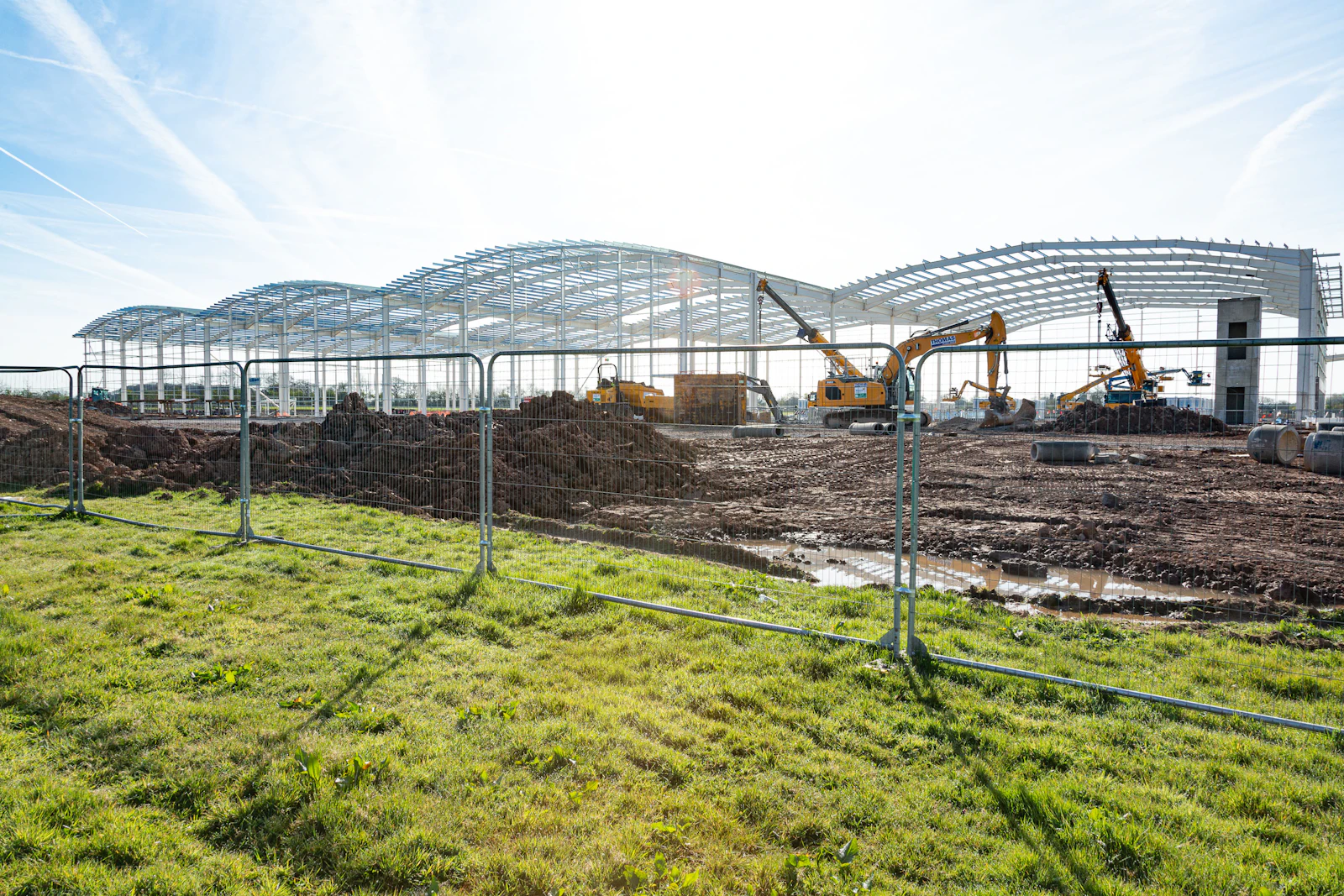
For Colorado Springs stormwater retention system scopes (detention basins, infiltration trenches, outlet structures, and utility tie-ins), 2026 planning budgets for excavator equipment hire typically start with published “rack” ranges by size class and then add logistics and risk allowances. For compact/mini machines used around curb lines and tight lots, plan roughly $235–$420 per day, about $705–$1,260 per week, and about $2,000–$3,000 per month depending on operating weight and cab/ROPS configuration. For mid-size to full-size excavators used to mass-excavate retention basins, posted examples in Colorado include about $800 per day, $2,400 per week, and $7,000 per month for a 15-ton class machine; marketplace listings for 13-ton class in Colorado Springs also show daily figures in the high-$800s with discounted weekly and 4-week pricing. National providers and regional independents (for example, Cat rental stores and large national branches) generally follow similar day-to-week-to-month conversion structures, but Colorado Springs totals are often driven by delivery windows, attachment selection, and rock handling requirements rather than base rate alone.
| Vendor |
Daily Rate |
Weekly Rate |
Review Score |
Website |
| United Rentals |
$575 |
$2 300 |
8 |
Visit |
| Sunbelt Rentals |
$560 |
$2 250 |
8 |
Visit |
| Herc Rentals |
$545 |
$2 180 |
7 |
Visit |
| The Cat Rental Store (Wagner Equipment Co.) |
$625 |
$2 500 |
9 |
Visit |
| The Home Depot Tool Rental |
$485 |
$1 940 |
8 |
Visit |
Excavator Rental Rates Colorado Springs 2026
The ranges below are intended for 2026 estimating (budgetary, not a quote) for excavator equipment hire in Colorado Springs. Assumptions: single shift (typically up to 8 engine-hours/day), normal wear, standard digging bucket included unless noted, operator and fuel excluded, and delivery billed separately unless your MSA states otherwise. Where possible, the ranges are anchored to publicly posted rate examples and then widened for Colorado Springs availability swings (seasonality, fleet utilization, and stormwater-heavy workloads).
- Micro to 1–2 ton mini excavator hire (approx. 3,000–6,000 lb class): commonly budget $235–$350/day, $705–$950/week, and $2,000–$2,400/month for open-ROPS and lighter units in posted rate cards.
- Compact 3–4 ton mini excavator hire (approx. 8,000 lb class): commonly budget $290–$400/day, $895–$1,200/week, and $2,500–$2,850/month depending on cab/ROPS and local supply.
- Compact 5–6 ton mini excavator hire (approx. 10,000–13,000 lb class): commonly budget $365–$500/day, $1,050–$1,500/week, and $2,700–$3,250/month. These are frequent “sweet spot” machines for stormwater retention system excavation when access allows but you still need production and stability.
- Small to mid-size excavator hire (approx. 18,000–25,000 lb class): commonly budget $550/day, $1,800/week, and about $4,250/month on published rate cards, then adjust upward for specialty configs (thumb, coupler, aux hydraulics).
- 13–15 ton excavator hire (retention basin mass excavation, export loading): Colorado Springs marketplace examples show around $837/day with discounted $2,232/week and $5,771 for 4 weeks on a 13-ton listing; a Colorado-based rental page shows $800/day, $2,400/week, and $7,000/month for a 15-ton class unit. Treat these as posted examples and widen for procurement planning based on lead time and attachment package.
Estimator note: if your stormwater retention system schedule is weather-sensitive (freeze/thaw, spring rains), the lowest-risk budget is often weekly pricing with explicit off-rent rules rather than stacked daily rates that can unexpectedly tip into a more expensive bracket if you miss a cutoff time.
What Drives Excavator Equipment Hire Costs on Stormwater Retention Work?
Stormwater retention system excavation in Colorado Springs can look straightforward on a site plan, but hire costs move quickly with production constraints and “hidden” contract terms. The biggest drivers are (1) machine size and configuration, (2) whether you need auxiliary hydraulics and a thumb for riprap/outlet work, (3) delivery logistics to the jobsite, and (4) surface protection and cleanup requirements when you’re cutting into finished asphalt or operating near public right-of-way. Use the following cost drivers to avoid low-balling the equipment hire budget and then losing margin through change orders and incidentals.
Machine Size, Undercarriage, And Configuration (Cab, Coupler, Aux Hydraulics)
Colorado Springs retention systems often combine tight-site trenching (inlets/outlets) with a larger basin cut. That split is why crews commonly either (a) run one “do-it-all” 5–6 ton compact excavator for the duration, or (b) phase: mini excavator early for structures/utilities, then a 13–15 ton class excavator for bulk cut and export loading, then back to a mini for fine grading and restoration. The hire cost delta is material, but so is the schedule risk if you under-size and stall production.
- Cab vs. open ROPS: plan an internal allowance of $25–$60/day when the cab unit is the only available configuration in the needed weight class (noise, wind, and shoulder-season cold can also justify it operationally). (Planning allowance.)
- Quick coupler: if not included, budget $35–$90/day for a pin-grabber or wedge-style coupler, especially if you’re swapping trenching and cleanup buckets frequently. (Planning allowance.)
- Aux hydraulics requirement: many stormwater retention installs benefit from a hydraulic thumb or compaction wheel; if your selected excavator lacks aux hydraulics, you can be forced into a higher base-rate machine class (cost impact is commonly larger than the attachment itself). (Planning allowance.)
Attachment Adders That Commonly Apply in Colorado Springs
Attachments are where stormwater retention system equipment hire totals usually diverge from the “headline” excavator rental rate. For Colorado Springs specifically, rocky soils and cobble can push you toward a thumb (handling rock and pipe bedding) or even a breaker for boulders and ledge. Publicly posted attachment rate cards show mini hydraulic hammers around $250/day and $750/week on some published schedules, with larger excavator-class breakers scaling substantially higher.
- Trenching bucket (18–24 in.): plan $20–$55/day if not included; confirm tooth style for rock (standard vs. tiger). (Planning allowance.)
- Cleanup/ditching bucket (36–48 in.): plan $25–$65/day for shaping basin bottoms and swales. (Planning allowance.)
- Hydraulic thumb: plan $60–$140/day (or a higher weekly bundle) for outlet structure stone placement and riprap handling. (Planning allowance.)
- Hydraulic breaker/hammer (mini class): posted examples can be around $250/day and $750/week; confirm you’re renting the correct tool energy class for your excavator’s auxiliary flow.
- Tilting grading bucket or tilt coupler: plan $125–$250/day if you’re chasing tighter basin grades and need to reduce handwork. (Planning allowance.)
Delivery, Pickup, And Site Access Costs Around Colorado Springs
Even when the excavator hire rate is competitive, Colorado Springs jobsite logistics can add a meaningful percentage. Hillside developments, limited staging in newer subdivisions, and delivery constraints near active roadways can force smaller trucks, time-window premiums, or “return trip” charges. Some published heavy equipment rate sheets show delivery priced by radius (for example, a fixed delivery charge covering a base mileage with incremental charges per extra distance).
- Local equipment delivery/pickup (typical planning range): $175–$350 each way inside ~20 miles, or a base delivery charge such as $300–$600 with mileage adders beyond a set radius, depending on machine size and trucking.
- After-hours or tight-window delivery premium: plan $150–$300 when your site can only receive before 7:00 AM or after 3:00 PM due to school zones, lane closures, or HOA restrictions. (Planning allowance.)
- Lowboy demobilization risk: if your retention basin phase ends mid-week, align the pickup with your off-rent cutoff; missing it can trigger an extra billed day even when the truck arrives next morning. (Planning allowance.)
Colorado Springs-Specific Cost Multipliers to Plan For
Local conditions can change the “real” excavator equipment hire cost even if the rental rate is fixed. In Colorado Springs, three recurring factors for stormwater retention system scopes are: (1) elevation and temperature swings affecting idle/warm-up time and battery performance, (2) rock/cobble increasing tooth and bucket wear, and (3) wind-driven dust and neighborhood controls that may require additional cleanup or water management. These do not always appear as explicit line items, but they show up in cleaning charges, wear charges, and extended rental duration.
- Rock handling and wear: budget a wear allowance of $150–$400 per month for tooth replacement and cutting edge wear on compact excavators when cobble is present (often billed as damage/wear if beyond “normal”). (Planning allowance.)
- Track-out and cleanup expectations: plan a potential cleaning fee of $125–$350 if the excavator returns with hardened clay, concrete splash, or excessive mud packed in the undercarriage. (Planning allowance.)
- Dust-control and restoration risk: if your SWPPP requires aggressive housekeeping, add $50–$150/day internal labor allowance for equipment cleaning/track-out mitigation so you don’t pay rental time while the machine sits for cleanup. (Planning allowance.)
How to Choose the Excavator Class for a Stormwater Retention System
For stormwater retention system work, the “best rate” is rarely the cheapest daily rate. The best hire decision is the excavator class that keeps production steady without incurring premium attachments, excessive trucking moves, or rework. Use these operational selection rules:
- 3–4 ton compact excavator: good for inlet/outlet connections, small trenching runs, and tight sites where delivery and surface protection dominate cost.
- 5–6 ton compact excavator: good all-arounder for smaller detention basins, outlet structure placement with a thumb, and moderate export loading into tandem dumps (depending on reach and truck positioning).
- 13–15 ton excavator: best when you need to move volume (basin cut/fill) quickly; posted Colorado examples show this class priced materially higher than minis but often cheaper per cubic yard moved if trucking and access are set up correctly.
If your basin excavation is short duration but high volume, consider a short-term mobilization and a weekly rate rather than a longer mini-ex rental that drags on. Conversely, if your schedule is inspection-driven (inlet/outlet inspections, utility locates), a compact excavator on a monthly rate can be cheaper than repeated starts/stops with new delivery charges each time.
Hidden-Fee Breakdown for Excavator Equipment Hire
To keep excavator equipment hire costs predictable on Colorado Springs stormwater retention system projects, treat the base rental rate as only one component. Build an estimating checklist around the items below, and confirm each one in writing (MSA, rate sheet, or quote notes). Where your supplier provides published terms, align your internal assumptions to those terms; public bid tabs and rate schedules often show damage waiver percentages and mobilization charges that are easy to miss during procurement.
- Damage waiver / rental protection: plan 10%–15% of time-and-material rental as a typical range; public bid tabs show examples around 14%–15% for excavator rentals in some schedules.
- Mobilization / minimum trucking: plan a minimum mobilization of $250–$500 for heavier excavators, or a delivery basis that covers a set mileage with adders beyond that radius (for example, base delivery plus incremental charges per extra distance).
- Environmental / shop / admin fees: plan 3%–7% of rental subtotal when your vendor applies a general recovery fee. (Planning allowance.)
- Fuel and refuel charges: plan a refuel charge of $6–$9 per gallon if returned below the agreed level, plus a service fee in some branches. (Planning allowance.)
- Late return penalties: plan $75–$250 for late pickup coordination and a possible extra billed day if off-rent is not processed before the cutoff time. (Planning allowance.)
- Weekend/holiday billing rule: many branches treat weekends differently (some offer “one-day weekend” structures, others bill calendar days). Don’t assume—confirm, then model a potential 10%–20% weekend premium if your job needs Saturday work or holiday coverage. (Planning allowance.)
- Cleaning and undercarriage condition: plan $125–$350 if the excavator returns with hardened spoils, concrete, or excessive track packing. (Planning allowance.)
- Bucket/tooth wear beyond normal: plan $25–$45 per tooth for replacement in rocky material and $150–$400 per month as a wear contingency on compact units. (Planning allowance.)
- Lost/damaged accessories: plan $25–$75 for missing keys, pins, or retainers, and $150–$300 for a missing bucket pin set. (Planning allowance.)
- Surface protection requirements: if you must protect asphalt or finished concrete, plan for track mat usage and handling time; internal allowance of $40–$120/day equivalent is common once you account for labor and reduced productivity. (Planning allowance.)
Operational Terms That Change the Final Hire Cost
Rental coordinators can save real dollars by managing operational constraints that trigger extra billed time. For stormwater retention system projects in Colorado Springs, the most common cost-creep issues are off-rent timing, delivery windows, and return condition documentation.
- Delivery windows and cutoffs: confirm the latest time you can call off-rent (commonly early-to-mid afternoon). If your inspector signs off at 4:30 PM and you miss the cutoff, you may pay an extra day even if the excavator is parked. (Planning practice.)
- Engine-hour limits: confirm the included hours (often aligned to single shift). If you plan extended shifts to beat weather, model overtime usage at $75–$140 per hour equivalent or a negotiated second-shift rate. (Planning allowance.)
- Battery disconnect / cold-start expectations: in shoulder seasons, ensure your foreman understands warm-up and idle policies so you don’t burn paid time waiting on frozen hydraulics. (Planning practice.)
- Recharge/refuel expectations: if you rent a hybrid or electric-adjacent unit (rare but increasing), confirm who provides charging and the “return state” requirement to avoid service call fees. (Planning practice.)
- Return-condition documentation: require pre- and post-rental photos (bucket, quick coupler, aux lines, undercarriage). This reduces disputed cleaning and wear charges. (Planning practice.)
Budget Worksheet
Use the worksheet below as a non-table line-item checklist for a Colorado Springs stormwater retention system excavator equipment hire budget. Adjust quantities to your duration and phasing plan.
- Excavator base hire (select class and term): allowance $290–$500/day for compact 8,000–13,000 lb; or $800/day class when moving into ~15-ton production, depending on phase.
- Weekly conversion allowance (if schedule risk exists): carry 1 week as a buffer rather than stacking dailies. (Estimating practice.)
- Delivery and pickup: allowance $175–$350 each way local, or base delivery structure per vendor mileage policy.
- Damage waiver / rental protection: allowance 12%–15% of rental time subtotal.
- Hydraulic thumb: allowance $60–$140/day (or weekly bundle). (Planning allowance.)
- Trenching bucket: allowance $20–$55/day. (Planning allowance.)
- Cleanup bucket or grading attachment: allowance $25–$65/day. (Planning allowance.)
- Breaker contingency (rock): allowance $250/day for mini-class breaker when needed, plus tool steel wear.
- Wear contingency (teeth/cutting edge): allowance $150–$400/month. (Planning allowance.)
- Cleaning contingency at off-rent: allowance $125–$350. (Planning allowance.)
- After-hours delivery contingency (if lane closures/HOA windows): allowance $150–$300. (Planning allowance.)
- Weather/inspection standby risk: carry 1–3 extra billed days in shoulder seasons for stormwater inspection holds. (Estimating practice.)
Rental Order Checklist
- PO includes: excavator class/weight, cab vs ROPS, aux hydraulics requirement, coupler type, bucket sizes required, and any requested guarding.
- Confirm term and billing: daily vs weekly vs 4-week, included engine hours, and weekend/holiday billing rule.
- Delivery: site contact, gate codes, delivery window, laydown area, and whether a lowboy can access without escort.
- Off-rent rules: required notice, cutoff time, and whether “ready for pickup” must be called in to stop billing.
- Condition documentation: photos at delivery (hour meter, bucket teeth, tracks/rollers, aux couplers/hoses) and photos at pickup for dispute prevention.
- Return condition: fuel level expectation, trash removal from cab, and undercarriage cleaning requirement to avoid cleaning fees.
- Insurance: COI requirements and whether damage waiver is accepted or if your project insurance must cover rented equipment.
Example: Two-Week Excavator Hire for a Colorado Springs Stormwater Retention Basin Cut
Scenario: You’re building a small detention basin and outlet structure for a commercial site. Access allows a 10,000–13,000 lb compact excavator for structure work, but you need a short burst of production. You choose a 12,000–13,000 lb cab mini excavator and rent it for 2 weeks to cover excavation, outlet assembly support, and grading.
- Base excavator hire (12,000–13,000 lb class): budget around $420/day equivalent, or $1,260/week, with a monthly benchmark around $3,000 if the job extends.
- Two-week time charge planning: 2 × $1,260 = $2,520.
- Delivery + pickup: allowance $250 each way (local), total $500. (Planning allowance.)
- Hydraulic thumb adder: allowance $95/day for 10 billed days, total $950. (Planning allowance.)
- Damage waiver: assume 14% of time charges (excavator + thumb) as a planning placeholder, roughly $485.
- Cleaning contingency at off-rent: allowance $200 (rocky spoils in tracks). (Planning allowance.)
- Wear contingency: allowance $250 for teeth/cutting edges in cobble. (Planning allowance.)
Order-of-magnitude budget: $2,520 + $500 + $950 + $485 + $200 + $250 = $4,905 (before tax, fuel/refuel, and any lane-closure delivery premiums). The operational constraint to watch is the off-rent cutoff: if you finish Friday after the cutoff and the machine isn’t off-rented until Monday, you can unintentionally add a billed day.
2026 Market Notes for Colorado Springs Excavator Equipment Hire
Use posted Colorado examples as your starting anchors, then widen the budget for attachment packages and delivery logistics. In Colorado Springs, retention-system demand can be seasonal (spring and summer civil schedules), and availability of the “right” machine (aux hydraulics + thumb + correct bucket set) is often more constrained than the availability of an excavator body alone. Where possible, reserve early and lock the attachment bundle so you avoid a last-minute upsize to a higher day rate just to get the hydraulics you need.