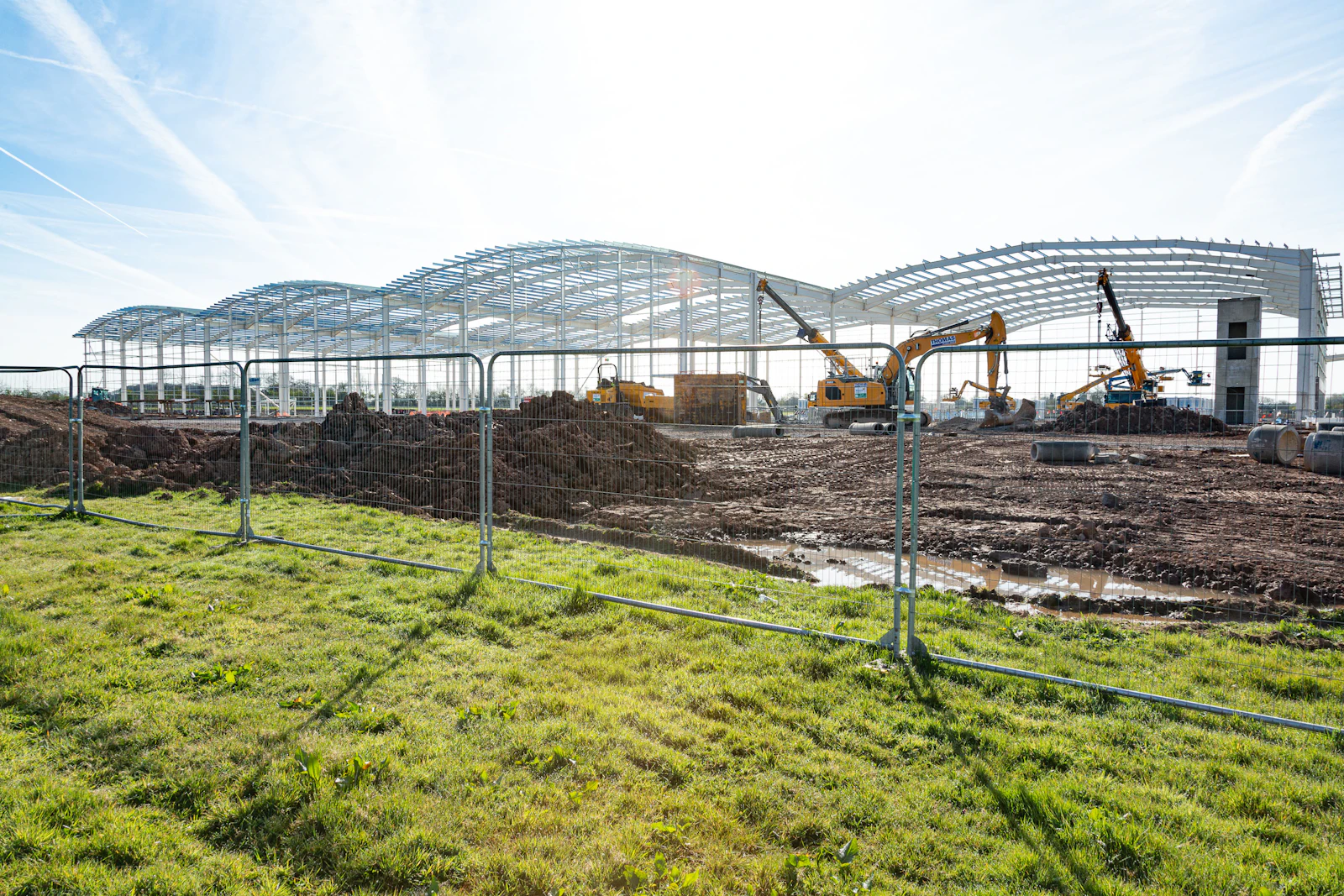
Excavator Rental Rates Columbus 2026
For Columbus, Ohio stormwater retention system scopes (detention basins, infiltration trenches, underground vaults, and outlet structures), 2026 planning ranges for excavator equipment hire typically land in these bands: mini excavators (3–5 ton) at about $275–$450/day, $950–$1,450/week, and $2,350–$3,650/month; mid-size units (8–10 ton) at about $425–$700/day, $1,450–$2,350/week, and $3,800–$5,900/month; and full-size tracked excavators (14–24 ton) at about $650–$1,150/day, $2,300–$4,200/week, and $6,500–$10,800/month. These are budgetary hire rates for “excavator rental Columbus” planning (excluding attachments, transport, taxes, and protection products). In Columbus, branches of major national fleets as well as established regional yards can usually cover common stormwater retention excavation needs, but rate volatility comes from size class, availability, and the job’s access/delivery constraints.
| Vendor |
Daily Rate |
Weekly Rate |
Review Score |
Website |
| Columbus Equipment Rentals |
$650 |
$1 600 |
9 |
Visit |
| United Rentals |
$439 |
$1 267 |
9 |
Visit |
| Sunbelt Rentals |
$472 |
$1 472 |
9 |
Visit |
| Herc Rentals |
$352 |
$1 066 |
9 |
Visit |
Assumptions for the ranges above (so your estimate stays audit-ready): dry hire (no operator), 8-meter-hours/day or a standard daily shift, normal wear-and-tear language, and a 1-week rate typically priced as 3–5 chargeable days depending on the vendor’s rate structure. For stormwater retention system work near downtown Columbus or tight commercial sites, smaller excavators can be cheaper in base rate yet costlier overall after multiple deliveries, extra attachments, and standby time are accounted for.
What Drives Excavator Equipment Hire Costs on Stormwater Retention Jobs?
Stormwater retention system scopes frequently change excavator hire costs because they are earthwork-heavy, schedule-sensitive, and often constrained by dewatering, haul routing, and erosion-control sequencing. In Columbus, cost drivers regularly include: (1) clay-heavy subgrades that increase cleaning and undercarriage wear, (2) downtown/OSU-area traffic and limited staging that pushes timed deliveries and smaller class machines, and (3) seasonal weather that affects production and extends the rental term. If your retention feature includes chambers or precast vault placement, you may also need a larger excavator class than “dig volume” alone would suggest, which shifts you from an 8–10 ton weekly band into a 14–20 ton weekly band.
Size class selection (and the cost impact)
For estimating, treat excavator sizing as the first and largest lever on equipment hire cost. Common planning uses for retention work in Columbus include:
- 3–5 ton mini excavator: tight access, utility daylighting, outlet structure tie-ins, small infiltration trenches.
- 8–10 ton excavator: moderate basin excavation, backfill/grade support, working around existing pavement with controlled reach.
- 14–24 ton tracked excavator: production excavation for basins, mass grading, handling stone/structure components, and working in wet subgrade where stability matters.
When you jump up a class, budget not only the higher base rate but also higher freight and attachment adders. A move from a 10 ton to a 20 ton machine can add $250–$600 per move in transport in the Columbus metro depending on distance, permits, and whether a lowboy is required.
Attachments, Configurations, And Stormwater-Specific Adders
Stormwater retention system excavation often needs more than a standard digging bucket. Attachments and configurations are where “excavator equipment hire costs” commonly drift from the initial quote. Typical 2026 planning adders in Columbus include:
- Hydraulic thumb: +$75–$150/day, +$250–$450/week, or +$650–$1,200/month (helps with riprap, debris handling, and structure placement coordination).
- Quick coupler: +$40–$85/day or +$160–$320/week (reduces idle time when switching buckets/attachments).
- Trench buckets (e.g., 12–18 inch): +$25–$55/day, +$90–$190/week (useful for underdrain and outlet trenches).
- Grading/ditching bucket: +$55–$110/day, +$200–$380/week (improves finish grades on basin bottoms and side slopes).
- Tilt bucket: +$140–$260/day, +$500–$900/week (high value if you have complex swales, forebays, or tie-ins with tight slope tolerances).
- Compaction wheel: +$90–$160/day, +$320–$560/week (can reduce rework on trench backfill where spec compaction is strict).
- Hydraulic breaker: +$275–$500/day, +$950–$1,650/week (only budget if you expect removal of old concrete headwalls or unexpected obstructions).
If your retention system is inside a structure (parking garage retrofits, interior stormwater treatment vaults), ask about non-marking track pads or rubber tracks. Those can come with a premium (commonly +$35–$90/day) and higher cleaning expectations on return.
Delivery, Pick-Up, And On-Site Logistics Costs In Columbus
Transport is a material part of excavator hire cost in Columbus because stormwater sites are often distributed across the I-270 ring and out into growth corridors. Planning allowances you can actually use in a PO include:
- Standard delivery/pick-up (within a typical metro radius): $125–$250 each way for minis; $225–$450 each way for 8–10 ton; $350–$750 each way for 14–24 ton units.
- Loaded mileage adders beyond a base radius: often $6–$9 per loaded mile (confirm whether this applies one-way or both ways).
- Jobsite “time-on-truck” waiting: $90–$140/hour if the driver can’t get unloaded due to access, escort, or gate issues.
- After-hours or scheduled delivery windows: $150–$300 surcharge is common when you need delivery before 7:00 a.m. or after 5:00 p.m., or when the site requires a tight appointment slot.
- Re-delivery due to refused load / no receiver: frequently billed as a second full delivery plus standby time.
Columbus-specific practical note: downtown staging constraints and campus-area work frequently require smaller truck turns and strict appointment windows. That can mean paying for a smaller excavator plus a second mobilization for a larger unit later in the schedule. When you can, sequence the work to avoid “split fleet” mobilizations.
Hidden-Fee Breakdown
Equipment managers generally win cost control by auditing the fee lines, not negotiating the base day rate alone. For excavator equipment hire costs in Columbus, the most common “hidden” (or overlooked) cost lines include:
- Damage waiver / rental protection: typically 10%–15% of the rental rate (and often applied to attachments too). Check whether it covers glass, undercarriage, hydraulic hoses, and theft.
- Environmental / shop / admin fees: $5–$12/day or $25–$60/month equivalents depending on the lessor’s structure.
- Fuel / recharge expectations: machines are usually sent out full. Refuel service frequently bills at pump price plus a service fee of $35–$75; for a large excavator, budget $4.50–$6.50/gal equivalent plus the service fee if you expect to return it low.
- Cleaning fees: $150–$450 is a realistic range when clay, concrete slurry, or geotextile remnants are left on the machine; undercarriage cleaning can be billed separately on tracked units.
- Wear items (track pads, teeth): some contracts bill excessive wear beyond “normal.” If you’re working in demolition debris or crushed concrete, pre-authorize a wear allowance.
- Late return penalties: $75–$150/hour or an additional day if the machine misses the vendor’s off-rent cutoff (commonly a 2:00–3:00 p.m. notification deadline).
- Weekend/holiday billing: some contracts bill Saturday and Sunday as chargeable days unless you off-rent Friday by the cutoff and physically release the machine for pickup.
For stormwater retention systems, also ask whether the vendor requires you to cap hydraulic lines and secure attachments for pickup. If not done, a “service dispatch” can add $150–$250 plus travel.
Stormwater Retention System Work Term: How Scope Changes Hire Duration
The work term for a stormwater retention system often includes stop-start phases: rough excavation, structure installation, stone and geotextile placement, underdrain tie-ins, then final grading and stabilization. This sequencing increases the risk of paying for idle days. Two tactics typically reduce total excavator hire costs:
- Right-size by phase: rent a 20 ton excavator for 3–5 production days for bulk excavation, then drop to a 5 ton or 8 ton unit for detail and tie-ins. This can beat keeping one large machine for 3–4 weeks.
- Use weekly rates strategically: if your plan has a 6–8 day window, ask whether the vendor’s weekly rate is “5 days” or “7 days,” and whether you can structure pickup to avoid weekend billing.
Also align the rental start date with erosion-control inspections and dewatering mobilization. A single missed inspection can push your excavator onto standby while still accruing time charges.
Example: Columbus Detention Basin Cut With Tight Delivery Window
Example: You have a commercial detention basin scope on the west side of Columbus with a limited staging area and a delivery window from 7:30–9:00 a.m. You plan to bulk-excavate in 6 working days, then keep the machine for two additional days for trim and outlet structure support (8 chargeable days total).
- Machine: 20 ton tracked excavator at $2,900–$3,700/week (budget range), then 3 extra days at $750–$950/day if the vendor treats the week as 7 days chargeable.
- Thumb attachment: +$300–$450/week, plus +$90–$150/day for the extra days.
- Delivery/pick-up: $450–$650 each way (lowboy), plus a timed delivery surcharge of $150–$250.
- Damage waiver: 12%–15% applied to the rental subtotal (machine + thumb) depending on policy.
- Cleaning allowance: $250–$350 if clay buildup is likely after rain events.
Operational constraint with a real cost impact: if you miss the off-rent call-in cutoff on the last day (for example, you notify after 3:00 p.m.), expect an extra day charge or a late fee. Budget at least one “float” day in spring months when weather delays are common in central Ohio.
How To Request Quotes That Stay Comparable
To keep Columbus excavator hire quotes apples-to-apples for a stormwater retention system, specify: size class (operating weight), track type, required buckets and coupler, whether a thumb is required, delivery address with gate restrictions, desired delivery window, expected meter-hours/day, and whether weekend work is planned. Include your insurance certificates and clarify whether you will accept the vendor’s damage waiver or provide your own inland marine coverage. The cleaner your scope package, the fewer “post-quote” adders show up on the invoice.
Rate Structure Details That Change Total Excavator Equipment Hire Cost
Two Columbus quotes with the same daily rate can diverge materially once you account for billing rules. Before issuing a PO, confirm the vendor’s definitions for a “day,” a “week,” and off-rent timing. Many excavator hire contracts bill by calendar day unless the account is explicitly set up for “working day” billing, and many use a daily meter-hour assumption (often 8 hours/day) with additional time billed as overtime.
Meter-hours, overtime, and standby
- Overtime billing (if applicable): 1.25x the daily rate after 8 hours/day is a common structure; some vendors use 1.5x on Sundays or holidays.
- Second shift / extended hours: budget +$150–$300/day in added wear/maintenance allowances if your contract pushes for accelerated maintenance intervals.
- Standby time risk: retention-system work frequently pauses for stone deliveries, concrete, or inspection holds. If the excavator is idle for 2–3 days, it may be cheaper to off-rent and re-rent later even with an extra $450–$650 delivery/pick-up cost.
Insurance, Deposits, and Contract Language Allowances
Excavator equipment hire costs are not just the rate sheet; they are also the risk products and contract terms. For Columbus-area commercial stormwater scopes, plan for these common administrative cost items:
- Deposit / credit card authorization (new accounts): often $500–$2,500 depending on machine size and account history (many established trade accounts can waive this).
- Certificate of insurance processing: allow 24–72 hours for COI review when additional insured wording is required; delays can push the rental start date and create paid idle days on site.
- Loss/damage deductible exposure: even with a waiver, deductibles of $500–$2,500 are common; confirm whether glass, theft, and undercarriage are excluded.
- Documentation expectations on return: photo documentation of condition at pickup and at off-rent can prevent disputed damage lines. Build this into your closeout process.
If you decline a damage waiver and use your own coverage, confirm whether the vendor will still charge an administrative fee (often 2%–5% of rental) or require a higher deposit.
Stormwater Retention System Constraints That Trigger Cost Adders
Retention work has a few operational constraints that routinely become invoice adders if not planned:
- Dewatering and wet subgrade: wet work increases cleaning and undercarriage inspection needs. If you anticipate saturated excavation, budget an extra $200–$400 for cleaning and a possible hose/line allowance of $150–$300 for incidental damage (depends on contract responsibility).
- Erosion and sediment control sequencing: if silt fence and stabilized construction entrance are incomplete, some sites refuse delivery. A refused delivery can trigger $90–$140/hour standby plus a second delivery charge.
- Geotextile and aggregate placement timing: if stone deliveries are delayed, the excavator may sit while still accruing daily charges. Off-rent rules matter here.
- Indoor dust-control requirements (when applicable): for interior vault retrofits, dust containment and track cleaning can add $150–$350 in labor and cleaning fees to meet return conditions.
- Return condition for tracked machines: Columbus clay can pack into the undercarriage; if not cleaned before pickup, expect a $200–$450 undercarriage cleaning line item.
Budget Worksheet (Excavator Equipment Hire Costs)
Use the following line items as a practical estimating artifact for a Columbus stormwater retention system package. Adjust quantities to your schedule and include allowances where the scope has uncertainty.
- Base excavator hire: select size class and term (example allowance: 1 week + 3 days).
- Attachments: hydraulic thumb; quick coupler; grading bucket; trench bucket (allow +$300–$900/week depending on package).
- Transport: delivery + pick-up (allow $450–$1,500 total for mid-to-large excavators depending on distance and size).
- Timed delivery window surcharge: allow $150–$300 if access is restricted.
- Damage waiver / rental protection: allow 12%–15% of the rental subtotal.
- Environmental/admin fees: allow $5–$12/day or $25–$60/month equivalent.
- Fuel/refuel exposure: allow $150–$450 for mid-size and $300–$900 for large excavators if you expect to return below full, plus $35–$75 service fee.
- Cleaning allowance: allow $250–$450 for clay/mud conditions or interior work requirements.
- Wear items allowance (teeth/cutting edges): allow $75–$250 depending on material (higher if crushed concrete is present).
- Late return / off-rent cutoff risk: allow 1 extra day at the daily rate as contingency on weather-sensitive scopes.
- Service dispatch contingency: allow $150–$250 for a minor field service call not covered by the vendor (clarify contract responsibility).
Rental Order Checklist (PO, Delivery, Off-Rent, Return)
- PO scope language: machine class, track type, included buckets, coupler, thumb, and any required accessories (tie-down points, lifting eyes, etc.).
- Delivery details: exact address, contact name/number, gate codes, delivery window, and whether the truck needs an escort or spotter.
- Site readiness: stabilized construction entrance, clear unload area, and a named receiver authorized to sign tickets.
- Billing rules: confirm off-rent notification cutoff time (commonly 2:00–3:00 p.m.), weekend/holiday billing policy, and meter-hour/overtime rules.
- Protection/insurance: accept damage waiver terms or attach COI meeting required limits and additional insured wording.
- Operating expectations: refuel requirements (full-in/full-out), grease points responsibility, and daily inspection documentation.
- Return condition documentation: photos at pickup and at off-rent, note any pre-existing damage on the delivery ticket, and cap/secure hydraulic lines on attachments.
- Attachments return: verify serial numbers, ensure buckets/couplers/thumb are physically present, and confirm any missing-pin charges (often $25–$75 per pin/retainer).
Columbus Market Notes For 2026 Planning
For 2026, plan for seasonal availability swings that can affect excavator equipment hire costs in Columbus: spring and early summer demand tends to tighten supply for 14–24 ton class machines, while late fall can bring more competitive weekly pricing but higher weather-delay risk. Also, site geography matters: jobs deep in the metro core often face tighter delivery windows and higher redelivery risk; jobs farther out can face higher mileage adders. Treat delivery radius assumptions explicitly in the estimate (for example, “within 20 miles” vs. “45 miles each way”).
When Ownership Beats Hire (And When It Does Not)
From a rental coordinator’s view, excavator ownership becomes attractive only when utilization is high and transport/maintenance can be controlled internally. For stormwater retention system scopes that are intermittent (bursts of excavation separated by inspections, utilities, or structure installs), hire often remains lower risk because you avoid paying for idle capital and you can shift size class by phase. If you consistently need the same size excavator for 18–22 billable days per month, month rates in the $6,500–$10,800 band (size dependent) can start to look like a predictable operating expense; however, you must still compare against your internal hauling, maintenance labor, wear items, and downtime exposure.
Practical Closeout Tips To Prevent Invoice Creep
- Call off-rent early: if the vendor cutoff is 3:00 p.m., set your internal cutoff at 1:00 p.m. to prevent “one more day” charges.
- Document condition: photos reduce disputes over dents, glass, bucket teeth, and undercarriage wear.
- Return clean and fueled: spending 30–60 minutes cleaning can avoid a $250–$450 cleaning line item.
- Audit attachment billing: ensure the thumb/coupler/buckets were billed only for the days actually on rent, especially if swapped mid-term.
If you want, share the excavator size you’re targeting (e.g., 5 ton vs 10 ton vs 20 ton), the expected number of production days, and the approximate distance from the yard, and I can tighten the Columbus stormwater retention system equipment hire budget into a defensible low/most-likely/high range.