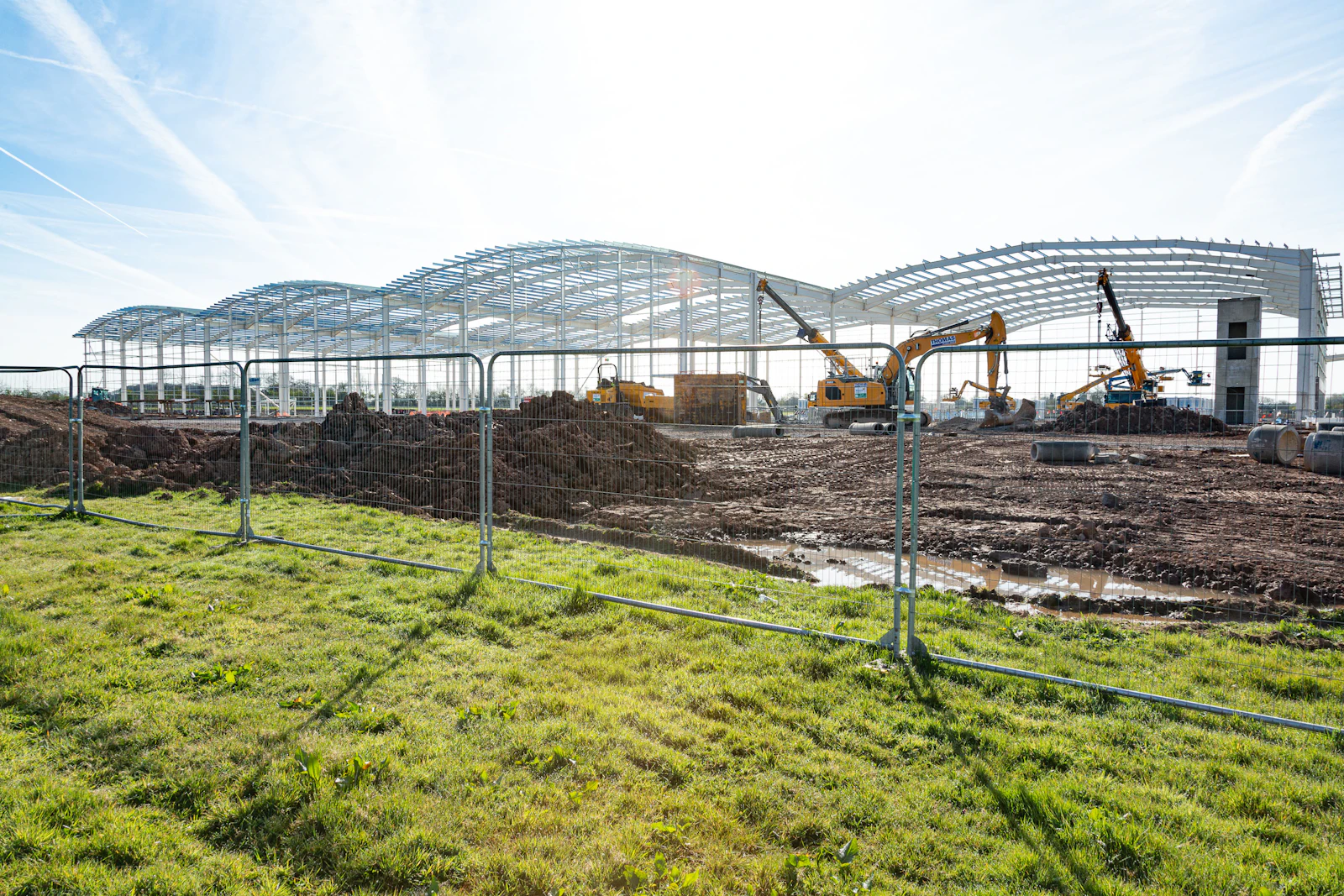
Excavator Hire Costs Fresno 2026
For Fresno stormwater retention system earthwork in 2026, excavator equipment hire budgets typically plan by machine class and shift entitlement (most fleet rates assume a single 8-hour shift, 40 hours/week, 160 hours/4 weeks). As a working planning range for dry-hire (machine only), expect a 2–4 ton mini excavator at about $225–$450/day, $700–$1,250/week, and $1,700–$3,100/4-weeks; an 8–9 ton compact excavator at about $450–$850/day, $1,200–$2,200/week, and $3,000–$5,400/4-weeks; a 14–20 ton steel-track excavator at about $700–$1,350/day, $1,700–$3,200/week, and $4,500–$8,500/4-weeks; and a 25+ ton machine at about $900–$1,750/day, $2,100–$4,200/week, and $5,700–$12,000/4-weeks (availability and Tier 4 Final/CARB compliance can push the upper end in California). In Fresno, most coordinators will benchmark rates across the major national rental fleets (for example, United Rentals, Sunbelt Rentals, Herc Rentals, and H&E) plus local independents, then normalize quotes for delivery, damage waiver, shift overtime, and attachments so the retention basin scope is priced apples-to-apples.
| Vendor |
Daily Rate |
Weekly Rate |
Review Score |
Website |
| A-1 Equipment Rentals (Fresno) |
$350 |
$1 300 |
10 |
Visit |
| United Rentals (Fresno, CA #522) |
$280 |
$750 |
9 |
Visit |
| Herc Rentals (Fresno, CA) |
$242 |
$827 |
9 |
Visit |
| Sunbelt Rentals (Fresno metro / Fowler, CA) |
$323 |
$728 |
9 |
Visit |
| Quinn Cat Rentals / Quinn Rental Services (Fresno, CA) |
$340 |
$1 050 |
9 |
Visit |
How Excavator Size And Configuration Drive Stormwater Retention System Hire Cost
Stormwater retention system work in Fresno usually mixes at least two operating envelopes: (1) tight trenching and utility tie-ins (inlet/outlet structures, underdrains, HDPE manifolds) and (2) mass excavation/finish grading for basin geometry (cut/fill, shelfing, maintenance access ramps). That blend is why rental costs swing more on configuration than on brand. A mini in the 2–4 ton class is often the most cost-effective way to stay productive around structures, forms, and existing utilities; however, if your basin cut is more than a few feet deep or you are moving material more than 30–50 feet, a 8–9 ton compact unit or a 14–20 ton class excavator usually reduces total hire days even if the day rate is higher.
When comparing Fresno excavator hire cost quotes, confirm these configuration items because they routinely change the rate class and/or the delivery method:
- Undercarriage: rubber tracks versus steel tracks. Steel-track machines (common at 14+ ton) can increase mobilization cost because lowboy transport and permitted routes may be required.
- Tail swing: zero tail swing can carry a rate premium but prevents rework and spotter labor when working beside retention vault walls, curbs, or fencing.
- Stick length: a long stick can reduce repositions on basin side slopes, but may move you into a different fleet category with a higher base rate.
- Cab and HVAC: enclosed cab is not just comfort in Fresno heat; it can be a practical dust-control control measure when the operator is in heavy silts and dry grading.
- Tier 4 Final / CARB-compliant spec: public works and many owner sites in California require compliant engines; scarcity during peak season can raise the effective weekly rate versus a non-regulated market.
Attachments And Options That Move The Meter
Stormwater retention builds are attachment-driven. If you only compare base excavator rental rates, you will under-budget. As 2026 planning allowances for Fresno excavator equipment hire, coordinators commonly carry:
- Bucket package: 12-inch trenching bucket at $20–$45/day; 24-inch utility bucket at $25–$60/day; 36-inch cleanup/ditch bucket at $35–$85/day.
- Hydraulic thumb: $45–$110/day (helps set precast pieces, riprap, and debris handling; can reduce labor but adds damage exposure).
- Quick coupler: $35–$75/day (often worth it if your stormwater scope alternates between trenching and shaping, or if you are using a compaction wheel intermittently).
- Compaction wheel: $85–$175/day (useful for trench backfill around stormwater piping where a jumping jack cannot reach or where spec calls for consistent trench compaction).
- Hydraulic breaker: $250–$500/day plus tool wear (if you hit hardpan/caliche lenses or concrete demo at existing inlets). A separate mobilization can be avoided if you have the breaker on-rent for only the days you truly need it.
- Grading/tilt bucket: $150–$275/day (can reduce finish crew hours on basin shelves but can be a high-theft accessory; confirm storage requirements).
- Machine control (2D/3D): $150–$350/day (worth considering for basins with tight freeboard tolerances, especially if you are trying to minimize over-excavation and import/export swings).
Operational note for stormwater retention system excavation: if the engineer’s section calls for a geotextile, liner, or aggregate layer, over-excavation by even 3–6 inches across a wide basin footprint can create meaningful imported material cost. In those cases, the “more expensive” excavator hire option (larger machine, tilt bucket, or machine control) can be the lower total cost of ownership for the rental period because it avoids trucking and rework.
Hidden-Fee Breakdown
Excavator hire costs in Fresno rarely equal the base rental rate times days. Build a standard hidden-fee envelope into your estimate and reconcile it against the quote line-by-line:
- Delivery and pickup: commonly budget $250–$450 each way for compact/mini machines inside a typical metro radius; heavy steel-track units can be higher due to lowboy dispatch. Some published fee schedules show dispatch fees in the $150–$475 range depending on class and contract terms.
- Minimum rental charge: 1-day minimum is typical; some branches enforce 2-day minimum during peak demand.
- Damage waiver / rental protection: plan 10%–15% of base rental (verify whether attachments are included).
- Environmental/energy/administrative fees: plan 2%–6% of rental lines (varies by lessor policy and local requirements).
- Fuel and fluids: “return full” diesel expectations are common; budget $4.25–$6.25/gal for diesel planning and $4–$8/gal for DEF if the machine is not provided full. If returned low, many lessors bill a higher “service fuel” rate plus a service fee.
- Cleaning: $175–$600 is a realistic allowance if the machine comes back with caked mud in tracks/undercarriage or if you were working in wetted dust-control conditions.
- Undercarriage and wear items: missing/damaged bucket teeth at $12–$35 each; bent cutting edges or track damage can trigger $250–$1,200+ repair events depending on severity.
- Late return / extra day: if return is after cutoff, budget another day. Many yards have a same-day return cut-off (often mid-afternoon) to avoid an extra billing day.
- After-hours delivery windows: plan a $150–$300 premium if the job requires pre-7:00 AM delivery, late-day delivery, or weekend dispatch.
- Standby/wait time for truck: if your site cannot receive the machine on schedule, $100–$175/hour is a common planning placeholder for truck detention.
Fresno-Specific Cost Considerations For Stormwater Retention Work
Fresno’s Central Valley conditions can materially affect excavator equipment hire cost even when the published rental rate is the same as other cities:
- Heat and dust: summer basin cuts can run in high temperatures, and dust control is often non-negotiable. If your dust plan uses watering, you may trade dust for mud, which increases undercarriage cleaning time and raises the probability of a cleaning fee at off-rent. Budget the cleaning envelope up front rather than arguing after the fact.
- Soils and productivity: variable hardpan layers can shift you from “trenching bucket only” to needing a breaker for short durations. Carry a breaker contingency (even 2–3 days) if geotech indicates refusal risk.
- Delivery radius norms: stormwater retention systems are frequently built on the urban edge (industrial parks, logistics sites, greenfield subdivisions). If the site is outside the normal dispatch radius, a mileage adder or a higher dispatch class may apply—confirm the branch location relative to the job, not just “Fresno” on the address line.
Budget Worksheet For Excavator Equipment Hire (Stormwater Retention System)
Use this as a practical allowance list for Fresno excavator hire cost estimating (no tables—copy into your internal worksheet):
- Base excavator hire (primary machine): 14–20 ton class, ____ weeks at $1,700–$3,200/week (select range based on Tier 4 Final availability and delivery complexity).
- Support excavator hire (tight work): 2–4 ton mini, ____ weeks at $700–$1,250/week.
- Delivery: 2 machines × (delivery + pickup) at $250–$450 each leg = $1,000–$1,800 allowance (increase if steel-track lowboy required).
- Damage waiver: 12% of base rental lines (edit to your company standard).
- Environmental/administrative fees: 4% of base rental + attachment lines.
- Attachment package: trenching bucket $20–$45/day; cleanup bucket $35–$85/day; hydraulic thumb $45–$110/day; quick coupler $35–$75/day; compaction wheel $85–$175/day.
- Breaker contingency: 2 days at $250–$500/day (only if geotech/refusal risk exists).
- Fuel/DEF allowance: ____ gallons diesel at $4.25–$6.25/gal; ____ gallons DEF at $4–$8/gal (adjust to shift plan and idling restrictions).
- Cleaning allowance: $250 (dry) to $600 (muddy/wet dust-control).
- Wear items contingency: $150–$400 (bucket teeth, cutting edge wear, minor hose/guard damage not covered by waiver).
- Schedule risk: 1–2 extra rental days in case of inspection holds, concrete cure delays at outlet structures, or stormwater tie-in shutdown windows.
Example: 3-Week Stormwater Retention Basin Cut In Fresno
Example scenario (planning-level numbers, Fresno area): you are building a retention basin with a 1.5-acre footprint, 6-foot average cut, plus inlet/outlet trenching and a riprap energy dissipator. You choose (a) a 14–20 ton excavator for mass cut/shape and (b) a 3.5–5 ton mini for tight trenching around structures.
- 14–20 ton excavator: 3 weeks at $2,200/week = $6,600 (mid-range of common 2026 weekly bands).
- 3.5–5 ton mini excavator: 1 week at $800/week = $800 (aligns with published weekly examples in the compact class).
- Attachments: thumb $80/day × 10 days = $800; quick coupler $55/day × 15 days = $825; cleanup bucket $60/day × 15 days = $900.
- Mobilization: 4 legs (deliver + pickup for each machine) at $350/leg = $1,400 (adjust if the basin site is outside standard dispatch radius).
- Damage waiver: 12% of base rental ($7,400) = $888.
- Admin/environment fees: 4% of rental+attachments ($7,400 + $2,525) = $397.
- Cleaning reserve: $400 (wet dust-control + sticky soils in tracks).
- Total planned excavator hire package: $6,600 + $800 + $2,525 + $1,400 + $888 + $397 + $400 = $13,010 before tax and fuel.
Operational constraints that commonly change this total: (1) if delivery must hit a strict receiving window (for example, 7:00–9:00 AM only), add a detention/after-hours buffer; (2) if off-rent is not called by the lessor’s cutoff, you can easily burn an extra $700–$1,350 day; and (3) if a weekend sits inside the billing cycle, clarify whether Saturday/Sunday count as billable days when the machine remains on site.
Shift, Overtime, And Off-Rent Rules That Change Your Effective Rate
For stormwater retention system schedules, the fastest way to lose control of excavator equipment hire cost is to run beyond the included shift without pricing it. Many large-fleet rate structures entitle the renter to one shift (8 hours/day, 40 hours/week, 160 hours/4 weeks). If you run longer, overtime is commonly billed as a fraction of the period rate (for example, 1/8 of the daily rate per overtime hour on a daily rental, 1/40 of the weekly rate per overtime hour on a weekly rental, and 1/160 of the 4-week rate per overtime hour on a 4-week rental). That method can be fair, but only if your superintendent knows the meter rules and you are tracking runtime.
For Fresno retention projects, overtime risk often shows up when: (a) you are racing a concrete pour at an outlet structure, (b) inspections stack up late day, or (c) you have a narrow shutdown window for tying into an existing storm drain. If a second shift is likely, request an “extended shift” quote up front and compare it to the overtime formula—some branches will negotiate a better blended rate if you commit to a longer term.
Delivery Scheduling, Site Access, And Return-Condition Controls
Because stormwater retention system sites are frequently constrained (limited gates, soft subgrade, active trucking, or shared access with building trades), your receiving plan directly affects excavator hire cost. Build these controls into the rental order so you do not pay for time you cannot use:
- Delivery window and cutoff: confirm the yard’s last delivery time (many dispatches stop mid-to-late afternoon). If the machine arrives after cutoff, you may lose a productive half-day while still paying a full day.
- Drop location: specify a stable laydown area that avoids soft subgrade; a stuck delivery truck can create an unplanned standby charge and delays the start of work.
- Off-rent call procedure: define who is authorized to off-rent and by what time. Missing the cutoff can add 1 extra day at $225–$1,750 depending on class.
- Photos at delivery and return: require timestamped photos of bucket, stick, guards, cab glass, and undercarriage. This is the simplest way to prevent post-return damage disputes.
- Fuel/DEF and grease expectations: clarify whether the rental is “return full” and whether you are expected to grease daily. If you do not have lube capability on site, plan a service call rather than risking pins/bushings wear disputes.
Rental Order Checklist (Excavator Hire)
Use this checklist to keep Fresno excavator equipment hire aligned with stormwater retention system constraints and prevent chargebacks:
- Commercial terms: PO number; agreed day/week/4-week rate; rate conversion rules (when weekly converts to 4-week); minimum charge; taxes (and exemption docs if applicable).
- Insurance: certificate of insurance meeting lessor requirements; decide waiver versus providing your own inland marine coverage; confirm whether attachments are covered.
- Machine spec: operating weight class; dig depth; tail-swing requirement; steel versus rubber tracks; Tier 4 Final/CARB compliance requirement; auxiliary hydraulics flow for attachments.
- Attachments: exact bucket widths; thumb/coupler; compaction wheel; breaker; tilt bucket; confirm pins and coupler compatibility.
- Delivery details: jobsite address and gate code; delivery contact; receiving hours; crane/telehandler needs (if any) for attachment handling; ground-bearing/turnaround constraints.
- Return requirements: fuel/DEF level; cleaning standard; where to stage for pickup; photo documentation; cutoff time for pickup request; any on-site removal restrictions (security escort, badge-out, etc.).
Dry Hire Vs Wet Hire In Fresno: When Operator-Included Pricing Wins
Although most retention basin scopes are quoted with company operators (dry hire excavator), there are cases where wet hire (excavator with operator) is cost-competitive in Fresno—especially for short-duration, high-consequence activities (working near existing utilities, shaping to tight grades, or running a breaker efficiently). As a 2026 planning range, coordinators often see operator-included excavator hire budgeted around $140–$220/hour for compact classes and $175–$260/hour for 14–20 ton classes, typically with 8-hour minimums, travel/mobilization adders, and standby terms. If you go this route, treat it as a productivity buy: require production assumptions (linear feet/day, cubic yards/day) and define who pays standby if inspectors or trucking are late.
Ways Rental Coordinators Reduce Total Excavator Hire Cost On Retention Systems
- Right-size by critical path: keep the larger excavator on rent only for mass cut and shaping; then off-rent and finish with a smaller unit (or move the large unit to the next job) instead of paying an extra 4-week cycle.
- Bundle attachment days: schedule breaker work in a tight window so you rent the breaker for 2–3 days, not 2–3 weeks.
- Negotiate delivery legs: if you are renting two machines, ask whether they can be delivered on one truck run (where feasible) or whether a backhaul can reduce pickup charges.
- Control weekends and holidays: if your basin work pauses over a weekend, clarify whether the rental clocks continue; if so, consider timing delivery Monday and pickup Friday to avoid paying for idle days.
- Document return condition: budget cleaning, then actually clean before pickup. Spending 1–2 labor hours can avoid a $175–$600 cleaning line item and reduce disputes.
If you want, share the basin cut/fill quantities, expected trench footage, and whether you have restricted delivery hours. I can translate your scope into a tighter “machine class + attachment + fee envelope” so the excavator hire cost matches your Fresno stormwater retention system schedule.