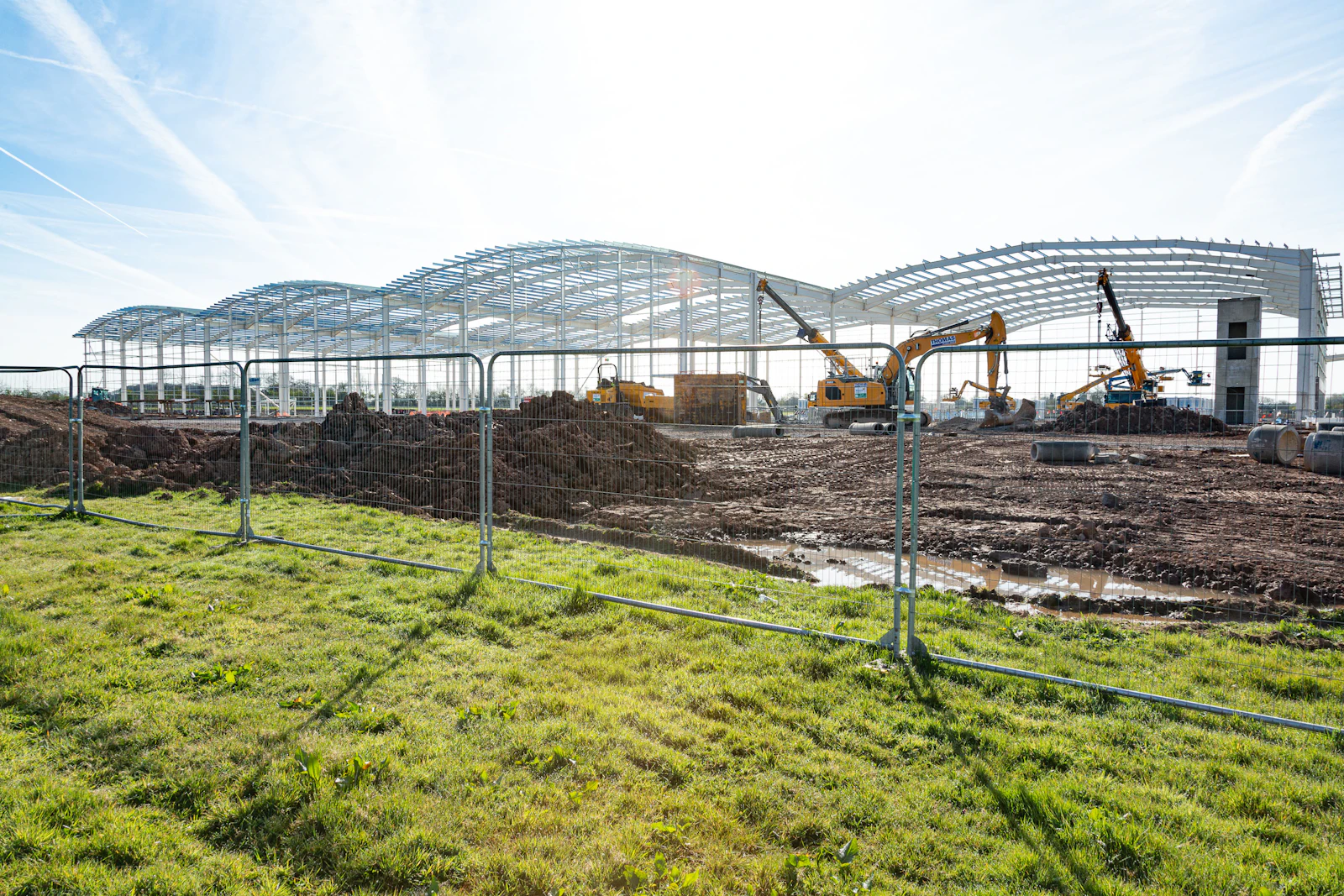
Excavator Rental Rates Sacramento 2026
For excavator equipment hire in Sacramento in 2026, most stormwater retention system scopes should budget by size class and by shift utilization (standard “one shift” machine usage). Planning ranges commonly land at $320–$500/day, $1,050–$1,600/week, and $2,300–$4,800 per 4-week period for compact/mini-to-midsize units used on trenching, inlet structures, and tight grading; and $1,900–$2,900/day, $5,500–$7,500/week, and roughly $14,000–$19,500 per 4-week period for a 20–24 ton class excavator used for basin cuts, over-excavation, and mass subgrade shaping. Rates move materially with attachments (thumb/coupler/tilt bucket), delivery logistics in Sacramento traffic corridors, and wet-season cleanup requirements typical of retention work. National providers such as United Rentals, Sunbelt Rentals, and Herc Rentals compete with local independents; exact quotes will vary by availability, credit terms, and how aggressively you can commit to multi-week utilization.
| Vendor |
Daily Rate |
Weekly Rate |
Review Score |
Website |
| United Rentals |
$475 |
$1 650 |
8 |
Visit |
| Sunbelt Rentals |
$465 |
$1 625 |
8 |
Visit |
| Herc Rentals |
$455 |
$1 595 |
7 |
Visit |
| Ahern Rentals |
$440 |
$1 540 |
7 |
Visit |
| Holt of California (The Cat Rental Store) |
$510 |
$1 785 |
8 |
Visit |
How To Budget Excavator Hire Rates By Size Class (With Stormwater Retention Assumptions)
The cost deltas on excavator hire for stormwater retention system construction are largely driven by operating weight (transport class), tail swing configuration, hydraulic options, and whether the rental is treated as daily/weekly/4-week. Unless your agreement states otherwise, assume a standard shift allowance (often 8 hours/day, 40 hours/week, 160 hours per 4 weeks) with overtime billed as a fraction of the base rate.
1) Mini Excavator (3–4 ton class) equipment hire costs
Use these units for underdrain trenches, small manhole tie-ins, check dam grading, and work inside tight setbacks where a full-size excavator creates access conflicts.
- Budget range (2026, Sacramento planning): $330–$450/day; $1,000–$1,450/week; $2,400–$3,200 per 4 weeks.
- Published reference points (rate-sheet examples): compact class day rates around $350–$400 and week rates around $1,050–$1,200 are commonly advertised on rate sheets; some contract schedules show mini excavator online rates at $320/day, $880/week, and $1,965 per 4 weeks (contract/portfolio dependent).
- Common retention adders: 12-inch trenching bucket ($20–$45/day), 24-inch bucket swap ($20–$50/day), hydraulic thumb ($75–$150/day), quick coupler ($50–$110/day).
2) Midi Excavator (~9–10 ton / ~19,000–21,000 lb class) equipment hire costs
This class is often the “sweet spot” for Sacramento retention basins that need more reach and breakout than a mini, without the delivery complexity of 20+ ton units. It also pairs well with trench shields when you’re sequencing underdrains and overflow structures.
- Budget range (2026, Sacramento planning): $475–$725/day; $1,600–$2,400/week; $4,000–$6,500 per 4 weeks.
- Published reference point (rate-sheet example): a reduced-tail-swing midi excavator listed at $475/day, $1,600/week, $4,800/month (4-week).
- Retention-focused options that change the rate: auxiliary hydraulics configured for compaction wheel ($90–$175/day), tilt bucket ($125–$275/day), and larger grading bucket (often $35–$90/day as an additional/alternate bucket).
3) Large Excavator (20–24 ton / ~48,000 lb class) equipment hire costs
For basin cuts, deeper outlet structures, and heavy export loading, the 20–24 ton class typically outperforms smaller machines on cost per cubic yard—provided you can keep it utilized and avoid standby days.
- Budget range (2026, Sacramento planning): $1,900–$2,900/day; $5,500–$7,500/week; $14,000–$19,500 per 4 weeks (4-week rate assumptions vary widely by fleet and seasonality).
- Published reference point (rate-sheet example): a ~48,000 lb excavator shown at $2,650/day and $6,500/week (month not shown on the same sheet, so confirm 4-week structure at quote stage).
- Attachments that move the needle: heavy-duty hydraulic thumb ($150–$300/day), oversized cleanout bucket ($75–$180/day), specialty bucket tooth package ($15–$40/day), and machine control (if available) commonly adds a premium that is quote-specific.
What Drives Excavator Equipment Hire Costs on Sacramento Stormwater Retention Projects?
- Delivery and access constraints: Downtown Sacramento delivery windows and campus/medical corridors frequently force narrower delivery slots (e.g., request 7:00–9:00 AM or 9:00–11:00 AM) and can trigger re-delivery charges if the truck is turned away. Build an allowance for a missed delivery attempt of $150–$300 on small equipment and $350–$750 on lowboy moves.
- Soils and moisture: Retention work often hits wet clays/silts in the Sacramento region during the rainy season; that increases undercarriage washdown needs and can drive return cleaning charges if you off-rent with heavy spoil packed in the tracks (budget $150–$450 cleaning).
- Utilization vs. standby: A large excavator on rent but waiting for layout, export trucking, or shoring approval can burn through daily minimums quickly. If you can’t keep the machine productive, a smaller class plus selective short-term upsize (1–2 days) is frequently cheaper than carrying a 20–24 ton unit for “just in case.”
- Attachment availability (not just price): Retention systems commonly need a trench bucket and a grading bucket; if the vendor can’t supply both, you may incur mid-rental mobilizations (additional swap trip of $95–$250) or lose time swapping on site.
- Shift definition and overtime billing: If you’re running extended shifts to beat weather, many rental programs price a “day” as one-shift use and bill additional hours using a fractional formula (for example, additional hours at 1/8 of the daily rate per hour on a daily rental, or 1/40 of the weekly rate per hour on a weekly rental). That can turn “one extra late day” into a measurable cost adder.
Hidden-Fee Breakdown For Excavator Hire (Sacramento)
For equipment managers building a defensible excavator rental cost estimate for a stormwater retention system, the gap between “rate card” and “invoice total” is usually delivery, waiver, fuel/cleaning, and time accounting.
- Delivery / pickup (small & midi excavators): commonly $150–$350 each way within a typical metro radius; if mileage-based, a common structure is $100 base + $4/mile round trip (confirm how miles are measured and whether it includes return).
- Delivery / pickup (20–24 ton class): lowboy mobilization commonly budgets $450–$1,200 each way depending on distance, escorts (if required), and scheduling constraints.
- Fuel / refuel: if returned short, budget diesel at $6–$9/gal plus a service fee (often $35–$95). If you’re taking the unit off rent and it’s not “broom clean,” add cleaning on top of fuel.
- Damage waiver / rental protection: commonly 10%–15% of the base rental (sometimes applied to attachments too). Confirm whether it covers glass, undercarriage, and theft.
- Environmental / admin fees: plan 3%–8% of base rental for common contract fees (varies by provider and contract).
- Weekend and holiday billing: some branches allow a Friday delivery with Monday pickup while billing one day if the meter stays under the shift allowance; others bill Saturday and/or Sunday if the asset can’t be re-rented. For planning, assume you may pay 1–2 extra days if you hold the machine over a holiday weekend.
- Late return: after-hours off-rent processed next business day can trigger an extra day if you miss the cutoff; budget a late off-rent risk of $350–$725 (mini/midi) or $1,900–$2,900 (large) if you’re tight to the billing boundary.
Example: Sacramento Stormwater Retention Basin Cut With Overtime And Return Cleaning
Scenario: You’re building a stormwater retention basin and underdrain tie-in on a site in the Sacramento metro area. Production needs require a 20–24 ton excavator for mass cut/loading plus a midi excavator for trenching and finish shaping. You want a realistic equipment hire budget that includes common invoice adders.
- Large excavator (20–24 ton): plan 2 weeks at $5,500–$7,500/week = $11,000–$15,000 base rental.
- Lowboy mobilization: assume $650 each way = $1,300 (delivery + pickup).
- Damage waiver: assume 12% applied to $12,500 base (midpoint) = about $1,500.
- Overtime utilization (1 long day): if the weekly rate is $6,500 and you run 4 extra hours beyond the shift allowance, a common fractional method can bill those hours at 1/40 of weekly per hour (confirm on your contract). That is roughly $162.50/hour and $650 for the overage.
- Midi excavator: plan 2 weeks at $1,600–$2,400/week = $3,200–$4,800 base rental.
- Small equipment delivery: assume $250 each way = $500.
- Attachments: tilt bucket at $175/day for 5 days = $875; hydraulic thumb at $120/day for 10 days = $1,200.
- Cleaning: wet clay packed in tracks at off-rent: budget $300 cleaning (avoid this by documenting track condition at delivery and planning a washdown window).
Result: Even before tax, a “reasonable” base-rental number can grow by $4,000–$6,000+ once delivery, waiver, overtime, and cleaning are included. That’s why Sacramento retention projects should be estimated as a total hire package, not just “day/week/month.”
Budget Worksheet (Excavator Equipment Hire Allowances)
- Large excavator (20–24 ton) hire: allow $11,000–$15,000 for 2 weeks.
- Midi excavator (~10 ton) hire: allow $3,200–$4,800 for 2 weeks.
- Small excavator delivery/pickup: allow $400–$700 total.
- Lowboy delivery/pickup: allow $900–$2,400 total.
- Damage waiver / rental protection: allow 10%–15% of base rental.
- Environmental/admin fees: allow 3%–8% of base rental.
- Overtime meter overages: allow $300–$1,200 per week if running extended days.
- Attachment adders (thumb/coupler/tilt bucket): allow $800–$2,500 depending on duration.
- Cleaning at return: allow $150–$450 per machine if wet-season conditions are expected.
- Refuel/service: allow $150–$400 per machine depending on tank size and return condition.
Rental Order Checklist (For Excavator Hire In Sacramento)
- Confirm rental term structure: daily vs weekly vs 4-week, and define the “shift” (hours/day) used for metered overtime.
- Provide delivery site contact, gate code, and exact delivery window; ask the branch for same-day cutoff times for off-rent processing.
- PO requirements: include machine class, bucket set (trenching + grading), thumb/coupler requirements, and requested undercarriage (rubber vs steel tracks).
- Insurance/waiver decision: document whether you’re taking damage waiver, and what it excludes.
- Condition documentation: photos of undercarriage, cab glass, and attachments at delivery and at pickup; capture hour meter at on-rent/off-rent.
- Fuel/fluids plan: specify whether your team will refuel at off-rent or accept vendor refuel at invoice rates.
- Return requirements: confirm “broom clean” expectations and whether washdown is permitted on site (some locations restrict sediment-laden wash water discharge).
Procurement Notes Specific To Sacramento Retention Work
- Dust control impacts the real cost: in dry months, onsite wetting can increase cleanup time and lead to more frequent track washdowns. If you’re working on finished pavements, plan track mats and a return-clean allowance to avoid surcharge disputes.
- Heat and utilization planning: Sacramento summer peaks can push crews into earlier start times; if you add a second shift to recover schedule, confirm overtime billing before you commit to the machine class.
- Rainy season “stop-start” risk: stormwater projects are often weather-sensitive; if you anticipate rainouts, negotiate a standby structure or keep the excavator class smaller until you can keep it moving daily.
How To Reduce Total Excavator Hire Cost (Without Reducing Production)
Lowering excavator equipment hire costs in Sacramento is mainly about controlling non-productive days and preventing invoice adders. On stormwater retention system work, the “rate” is rarely the problem—sequencing, access, and return condition are.
- Match machine size to the controlling constraint: If export trucking is your bottleneck, upgrading from a midi to a 20–24 ton excavator can inflate hire by $3,000–$5,000 per week without improving daily output. If the bottleneck is reach/load height, the larger unit may pay back immediately.
- Commit to a 4-week term when the schedule supports it: A 4-week (28-day) rate often prices closer to ~3 weekly charges rather than 4 full weeks of daily charges, but the savings only materialize if you can keep the asset on rent and working.
- Consolidate attachments up front: Adding a hydraulic thumb on day 6 can trigger an extra mobilization (often $95–$250) and can also cause lost field hours waiting for the swap truck.
Operational Billing Rules That Commonly Change Excavator Hire Totals
Make these items explicit in your rental order so the field team doesn’t accidentally buy extra days.
- Off-rent cutoff times: Many branches treat off-rent processing as a business-day activity. If your superintendent calls off-rent after the cutoff (commonly early afternoon), you may be billed another day even if the machine is idle overnight.
- Standby days vs “held” equipment: If you must hold an excavator on site for a critical concrete pour or structure set, consider negotiating a reduced standby rate. If you can’t, budget the standby as full daily charges (e.g., $475–$725/day for midi; $1,900–$2,900/day for large).
- Metered overtime: If your contract uses a one-shift allowance, exceeding it can be billed as a fractional hourly rate derived from the daily/weekly/4-week price. For example, some programs bill extra hours at 1/8 of daily per hour or 1/40 of weekly per hour; confirm before scheduling extended shifts.
- Weekend possession: If you take delivery on a Friday, do not assume Sunday is “free.” Some rental programs offer favorable weekend structures, but others bill weekend possession if the asset can’t be turned. Decide whether you can truly off-rent before the weekend cutoff.
Attachment Hire Adders Common On Stormwater Retention System Scopes
Attachments are often the difference between a smooth retention install and a field workaround. They also represent a predictable cost that estimators should carry as a separate allowance instead of burying it in contingency.
- Hydraulic thumb: $75–$150/day (mini/midi) or $150–$300/day (large), depending on pin-on vs. coupler integration.
- Quick coupler: $50–$110/day (most common on midi and above when switching trenching/grading buckets).
- Tilt bucket: $125–$275/day when you’re shaping basin side slopes, swales, and berm geometry.
- Compaction wheel: $90–$175/day if you’re compacting trench backfill in lifts and want to reduce handwork.
- Breaker (if you hit old concrete or cobble lenses): attachment-only budgets can run $175–$350/day (mini class) up to $450–$900/day (mid-size), with package pricing higher when the carrier is included.
Sacramento-Specific Cost Considerations For Excavator Equipment Hire
- Delivery radius norms: Many Sacramento-area rentals price delivery as a flat fee inside a standard radius, then flip to mileage outside it. If your retention site is in the outer metro (and you’re outside the typical radius), mileage-based billing can add $50–$200 per trip quickly.
- Traffic-dependent delivery windows: I-5 / US-50 corridor congestion can lead to missed windows; build a realistic receiving plan and consider a jobsite “equipment receiving” lead to avoid a $150–$750 redelivery charge.
- Wet-season return condition: Retention basin work is mud-prone. If you off-rent with packed tracks, budget $150–$450 cleaning and consider documenting that the machine arrived in similar condition to prevent disputes.
When Hiring An Excavator With Operator Changes The Cost Structure
Some stormwater retention packages are procured as equipment-only hire; others are “wet hire” (excavator plus operator). Operator-included pricing is quote-specific and often changes the risk profile (production responsibility, fuel, and minor maintenance may shift). If you consider wet hire, confirm whether standby, travel time, and minimum hours apply (e.g., a 4-hour minimum on the operator and machine, plus travel). Budget impacts can be significant, so treat it as a separate procurement decision rather than a simple rate comparison.
Invoice Review Checklist (Excavator Hire Cost Control)
- Verify on-rent and off-rent timestamps align with your off-rent call logs; dispute “extra day” charges immediately.
- Confirm hour meter at pickup vs. your daily reports; flag unexplained overages.
- Check delivery lines: ensure you were not charged both “flat delivery” and “mileage.”
- Confirm waiver % application base (machine only vs machine + attachments).
- Review fuel and cleaning: require documentation/photos if cleaning is billed above your expected $150–$450 band.
Key Takeaway For 2026 Excavator Hire Budgeting In Sacramento
For a stormwater retention system, the best 2026 budget is a blended approach: commit to the smallest excavator class that meets production for the longest duration, then upsize briefly for peak excavation/export days. In Sacramento, total equipment hire cost is most sensitive to delivery logistics, overtime shift use, and return-condition charges—so put controls around those three items early, and your final invoice will track your estimate far more closely.